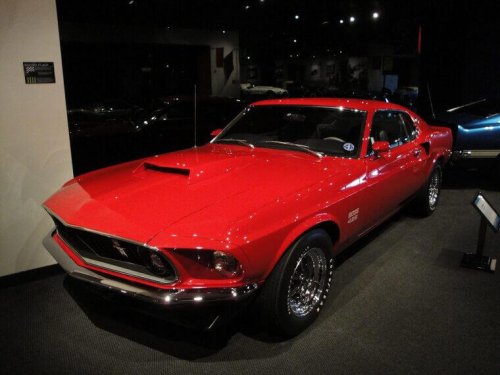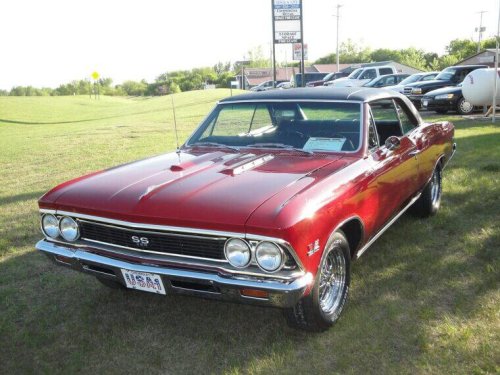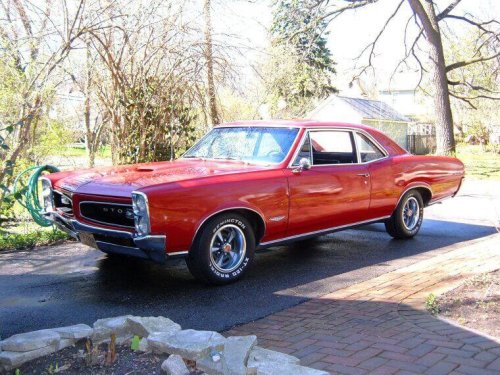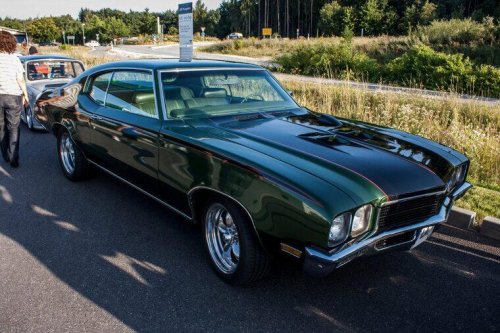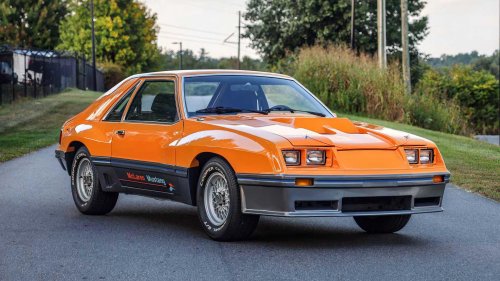
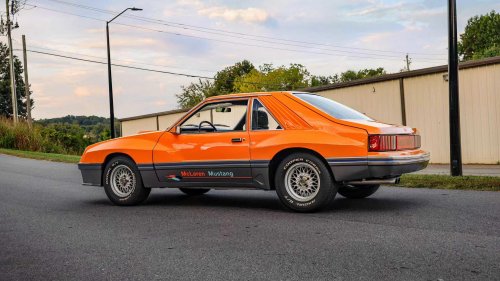
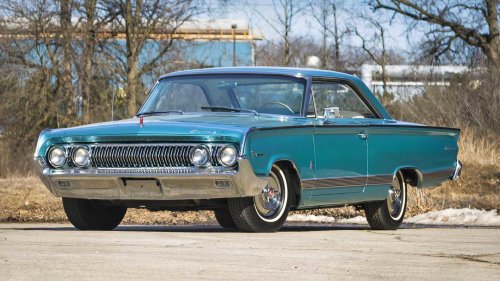
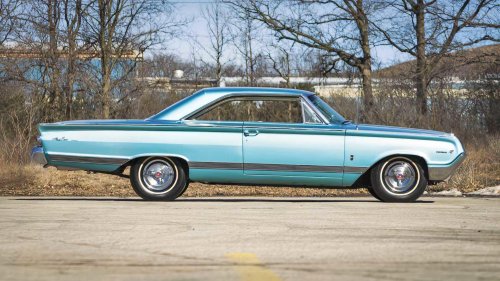
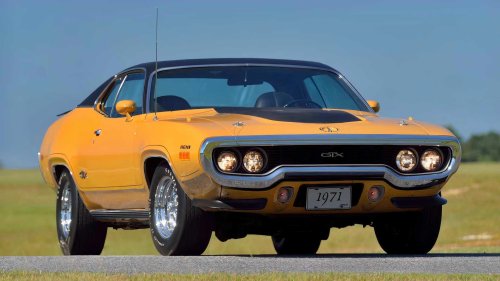
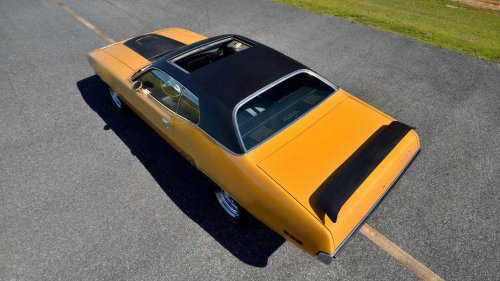
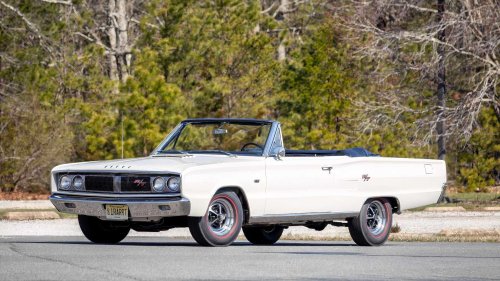
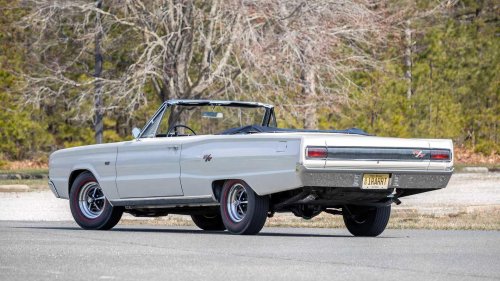
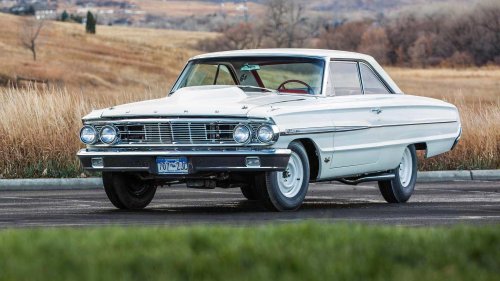
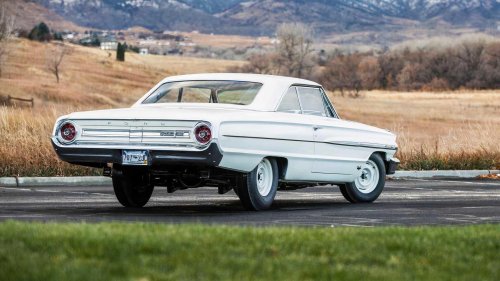
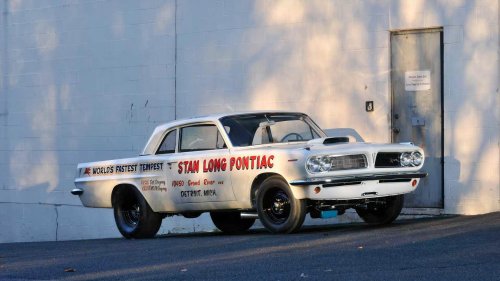
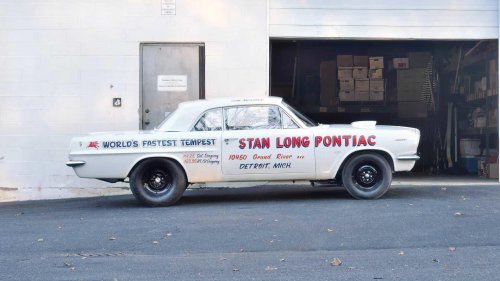
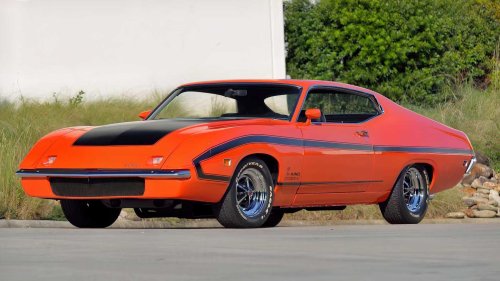
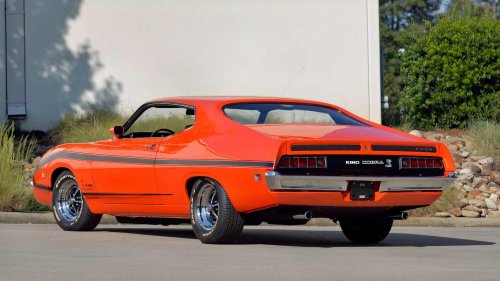
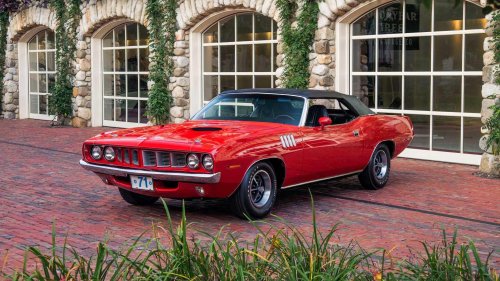
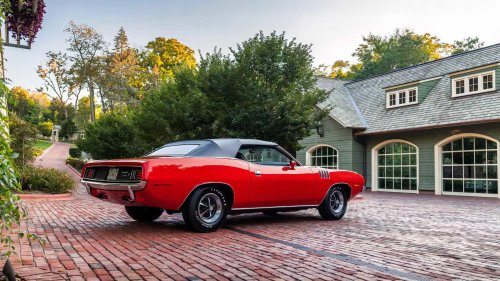
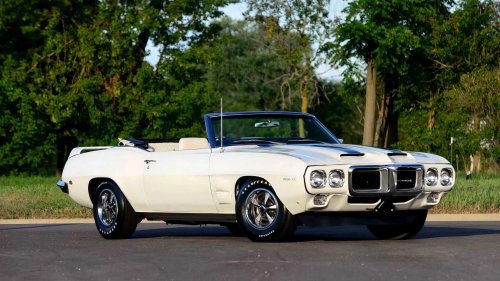
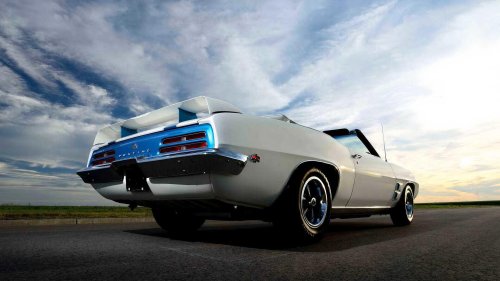
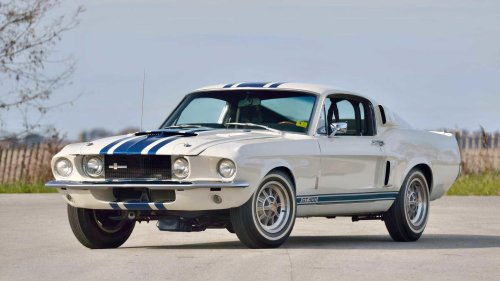
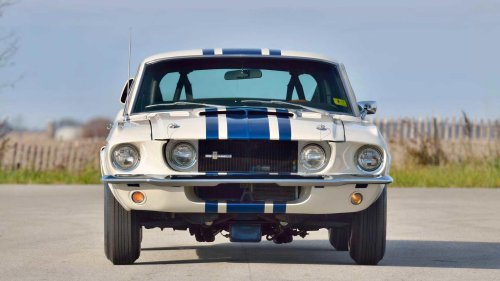


















muscle cars used to be some of the best-selling cars on the market, loved for offering high levels of performance without breaking the bank. However, while most were targeted at the masses, some versions were built in such low numbers that many gearheads today don't even know they existed. This includes prototypes and race-bred monsters whose production budgets and high price tags restricted the number of units that could be built, homologation specials, and others that only became rare because a handful of people ticked some boxes on some order sheets.Due to their rarity, some of these muscle cars are stored in museums to act as tangible representations of motoring history, others are stashed away in climate-controlled billionaire garages, while the rest appear to have fallen off the face of the earth, only remembered in articles and grandpa stories. We've assembled a list of muscle cars so rare that even seasoned collectors struggle to find them today. 1980 Ford Mustang McLaren M81 (10 Units) Estimated Value: $56,100 Via Mecum AuctionsAfter a disastrous second generation that stripped the Ford Mustang of its performance credentials, Ford hatched a plan that would boost the new Fox-body Mustang's reputation if successful. The plan was to collaborate with U.S.-based McLaren Engines Inc. to promote the Mustang's new 2.3-liter turbocharged four-cylinder engine as a modern, efficient alternative that also packed a punch, resulting in the M81. Ford initially planned to build 250 units, but only 10 units were built (some sources say 11), largely thanks to its stratospheric $25,000 price tag.Via Mecum Auctions McLaren meticulously re-engineered the standard Mustang components and replaced the stock turbo with a Garrett T-3 unit, boosting output from an embarrassing 132 hp to a more respectable 175 hp. The M81 also had a unique look featuring a wide-body design inspired by IMSA GT racing and a signature "Bittersweet Orange" paint job in most units, a nod to McLaren's Papaya Orange racing color. Despite its rarity, the M81 remains quite attainable today, with one having sold for $56,100 at Mecum Dallas 2024. 1964 Mercury Super Marauder Estimated Value: $110,000 Via Mecum AuctionsMercury also wanted a piece of the NASCAR pie, so it built R-code versions of its full-size lineup in 1964, though they were rarer than the similarly-engined Galaxie 500 Lightweights built the same year (more on that later). However, unlike the Ford that was all about brute force, Mercury's versions were more refined, gentleman’s muscle cars. It is believed that only 42 full-size Mercury models were equipped with the High-Riser V8 in 1964, and they were spread across the Park Lane, Montclair, and Monterey nameplates. Via Mecum Auctions Unlike the Galaxie Lightweight, these cars retained well-appointed interiors with bucket seats, a center console, AM radio, and an in-dash clock. One highly-documented Mercury Super Marauder sold for $110,000 at a Mecum Indy 2017, and public sales are exceedingly rare. This particular unit was one of 9 Park Lane Super Marauders and one of just three known to exist today. 1971 Plymouth GTX 426 HEMI Estimated Value: $156,000 Via Mecum Auctions1971 was a significant year forthe Plymouth GTX. With demand for thirsty midsize muscle cars waning, Plymouth gave it a radical design refresh and only equipped it with big-block engines to make it more attractive to buyers, but it still didn't help much. Only 2,942 GTX units were sold in 1971, and of those, only 30 were equipped with the top Mopar engine of the day — the legendary 426 cubic-inch Hemi V8 with its 425 ponies and 490 lb-ft of torque. Of those, 19 were equipped with the 727 TorqueFlite automatic, while 11 had the A833 four-speed manual — the latter are more desirable and expensive today. Via Mecum Auctions The GTX is one of the unique examples where rarity was determined by buyers, not the automaker. The Hemi option was available to everyone, as was a 440 “Super Commando” V8 and a 440 six-barrel V8, but rising insurance costs and buyers opting for more affordable and fuel-efficient cars resulted in just 30 visionary buyers ticking the Hemi box. While Hagerty estimates one in good condition to be worth around $156,000, an unrestored, museum-grade example sold at a 2020 Mecum Auction for a whopping $374,000, proving how special they are. 1967 Dodge Coronet R/T 426 Hemi Convertible Estimated Value: $184,000 Via Mecum AuctionsIn 1967, Dodge's muscle car lineup was made up of the B-body Charger and Coronet models. The Coronet was the sensible mainstream intermediate, while the Charger was a more premium, high-performance 'halo' version of the Coronet. Like the Charger, the Coronet had a performance-oriented R/T trim with the venerable Hemi engine available as an option, but only around 238 customers picked the pricey $908 option, and of those, only a scant 3 were convertibles. Via Mecum Auctions While there were no visual differences between the Hemi-powered Coronet R/T convertible and the 440-Magnum-powered version, the Hemi version was slightly heavier and required a larger battery and a heavy-duty radiator. With only 3 units built, it's no surprise that no Hemi convertible has come up for sale in recent years. Hagerty estimates one in good condition to be worth $184,000, but we imagine it would likely fetch a lot more if it ever came up for sale. 1964 Ford Galaxie 500 Lightweight Estimated Value: $244,000 Via Mecum AuctionsFord's "Total Performance" era produced some rare and incredibly powerful muscle cars, many of them built with the sole purpose of getting to the quarter-mile finish line before anyone else. Before the Fairlane Thunderbolt arrived in 1964 and took over as Ford's primary contender at national NHRA drag racing events,the full-size Galaxie 500 was Ford's main factory effort. For the 1964 model year, the NHRA relaxed its homologation rules, prompting Ford to build a limited run of just 50 Galaxie Lightweights. Via Mecum Auctions Ford put the Galaxie 500 2-door fastback on a strict diet to shave off some weight and maintain its dominance on the strip, using fiberglass and aluminum extensively and deleting radios and heaters, carpeting, and even body sealer. Like the Thunderbolt, the 1964 Galaxie 500 Lightweight was equipped with Ford's new R-Code 427 cubic-inch "High-Riser" V8 with dual four-barrel carbs and a high compression ratio of around 11.5:1, resulting in an underrated output of 425 hp. While 50 units is a lot compared to some of the other cars on our list, only one Galaxie Lightweight has come up for sale on Bring a Trailer in recent years, and the hammer didn't fall despite an $82,000 bid. 1963 Pontiac Tempest Super Duty Estimated Value: Over $325,000 Via Mecum AuctionsIn the early '60s, big-time Detroit players were battling it out on the drag strip to enhance their performance image to buyers. Under John DeLorean's leadership, Pontiac engineers realized that full-size cars were becoming too heavy to compete effectively, so they dropped a massive 421 cubic-inch Super Duty V8 into the compact Tempest platform to create the ultimate drag weapon. Sadly, GM abruptly introduced a ban on factory-backed racing in 1963, citing legal and liability concerns. This halted the Super Duty program immediately, leaving only 14 Tempest Super Duty units produced — six LeMans coupes, two standard coupes, and six wagons. Via Mecum Auctions Unlike the standard Pontiac Tempest which only had a slant four and a relatively weak 326 V8, the Super-Duty-equipped version was officially rated at 405 hp and 425 lb-ft, but period racers often claimed between 460 and 500 hp. This insane power and weight reduction measures made it a promising racer, but General Motors had other ideas. Since they were dedicated race cars, many were crashed and modified over the years, leaving just a handful of survivors today. Survivors are extremely few, and complete, correctly restored examples are exceptionally rare. A restored coupe failed to sell at a 2013 Mecum Auction despite a $325,000 bid. 1970 Ford Torino King Cobra Estimated Value: Over $350,000 Via Mecum AuctionsTired of Mopar's NASCAR dominance in 1969 with the Charger Daytona and 1970 with the Plymouth Superbird, Ford invested heavily in the development of three Torino-based prototypes that could exceed the 200-mph mark and beat the Mopars, resulting in the Torino King Cobra. Unfortunately, NASCAR increased the homologation requirements from 500 to 3,000 units, making production financially unfeasible. Instability at high speeds and the slashing of the Blue Oval's racing budget also made things worse, leading to the abrupt cancellation of the Torino King Cobra project with only 3 prototypes built.Via Mecum Auctions The King Cobra looked markedly different from the 1970 Torino it was based on, most notably its front fascia where an elongated, downward-sloping fiberglass nose replaced the familiar Torino nose to improve aerodynamics. One prototype used a Boss 429 engine; the others are reported as 429 Cobra Jet cars. One of the three prototypes, an unrestored example with just 837 original miles and reportedly the only one with a production Ford Torino VIN, went up for sale in 2022 and didn't sell despite a $350,000 bid. Another unit, the only one with the 429 Boss motor, sold for $192,500 in 2019, which is quite a steal for this level of rarity. 1971 Plymouth 'Cuda 440 Six Barrel (440+6) Convertible Estimated Value: $1.15 Million Via Mecum AuctionsThe Hemi 'Cuda basks in endless acclaim as it's considered to be the swan song for the muscle car golden era, especially the rare convertibles. However, even within the ‘Cuda lineup in 1971, there's another version that's almost as powerful and just as rare, but while the Hemi 'Cuda convertible costs millions, this version remains forgotten and underrated. In 1971, only 17 ‘Cuda buyers ordered a convertible with the 440 "six-pack", creating a unique configuration that's rarely spotted today. Via Mecum Auctions While the Hemi-equipped versions were absolute tire-shredders that forever changed the definition of "fast", the 440 six-pack still delivered a respectable 385 hp and 490 lb-ft and was often preferred for its street drivability. Though not quite a $3 million car like the Hemi 'Cuda convertible, the 440 six-pack convertible is still a seven-figure car, having sold for $1.15 million at Mecum Indy 2019. 1969 Pontiac Firebird Trans Am Convertible Estimated Value: $1.9 Million Via Mecum AuctionsWhen asked to name a rare Pontiac from the '60s, the GTO Judge is usually mentioned, but there's one 1969 model that's so rare that the last time it went up for auction was in 2016, and a bid of $1.9 million wasn't enough to drop the hammer. The car we're talking about is the 1969 Firebird Trans Am convertible, of which only 8 units were built. The Trans Am package first appeared on the Firebird in 1969 to make it more competitive against other pony cars, but a high price resulted in just 689 coupes and 8 convertibles sold. Via Mecum Auctions The convertibles were equipped with a 335-hp 400 H.O. V8 with Ram Air III cylinder heads and were all finished in a unique Cameo Ivory paint job with dual Tyrol Blue stripes. Unlike most cars on this list, all eight are believed to survive, though they’ve passed through restorations and private collections. However, none of them have come up for sale since 2016. 1967 Shelby GT500 Super Snake Estimated Value: $2.2 million Via Mecum AuctionsIn 1967, the renowned Carroll Shelby partnered with Goodyear Tires in a promotional event for a new line of high-performance tires. Since they needed a car that would perform an extended high-speed demonstration, he picked the new 1967 Shelby GT500 and worked his magic to turn it into the “Super Snake”, replacing its 428 Police Interceptor–based motor with the same engine that the Le Mans-winning GT40 Mk II had — a lightweight 427 cubic-inch V8 engine estimated to make 520 to 650 hp. There were plans to build 50, but a high price tag made it economically unviable, and only one prototype was built.Via Mecum Auctions Apart from the race-sourced engine, there were other key differences between the Super Snake and the ‘regular’ GT500, such as its outboard headlights accented by unique hand-cut chrome surrounds, a triple stripe design, and exclusive “Super Snake” emblems on the gas cap and front fenders. Being a one-of-one, it's no surprise that the Super Snake is the most expensive Mustang ever, having sold for $2.2 million at a 2019 Mecum Auction.Sources: Mecum Auctions, Hagerty Valuation Tool, Bring A Trailer