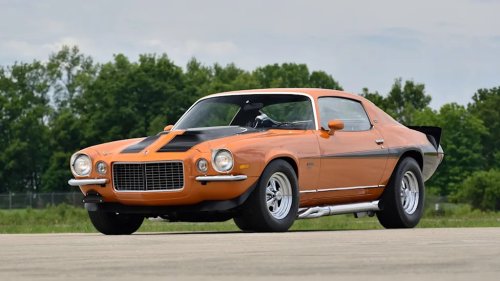
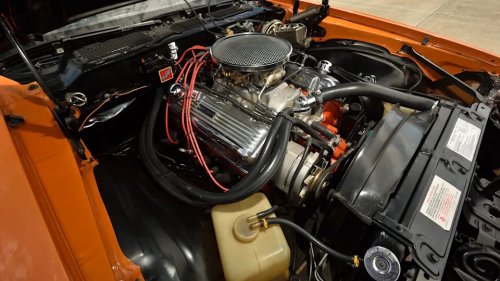
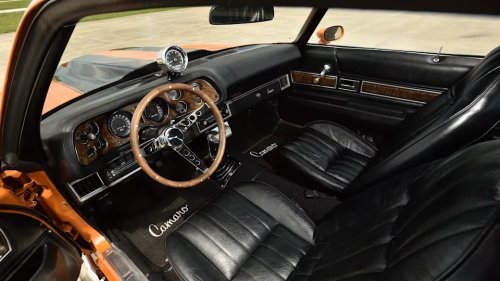
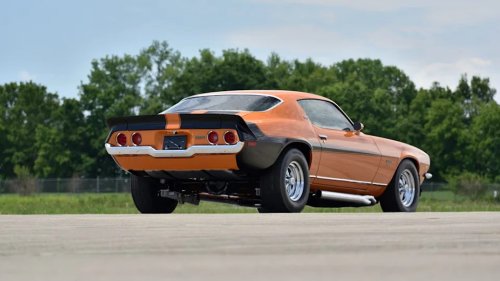
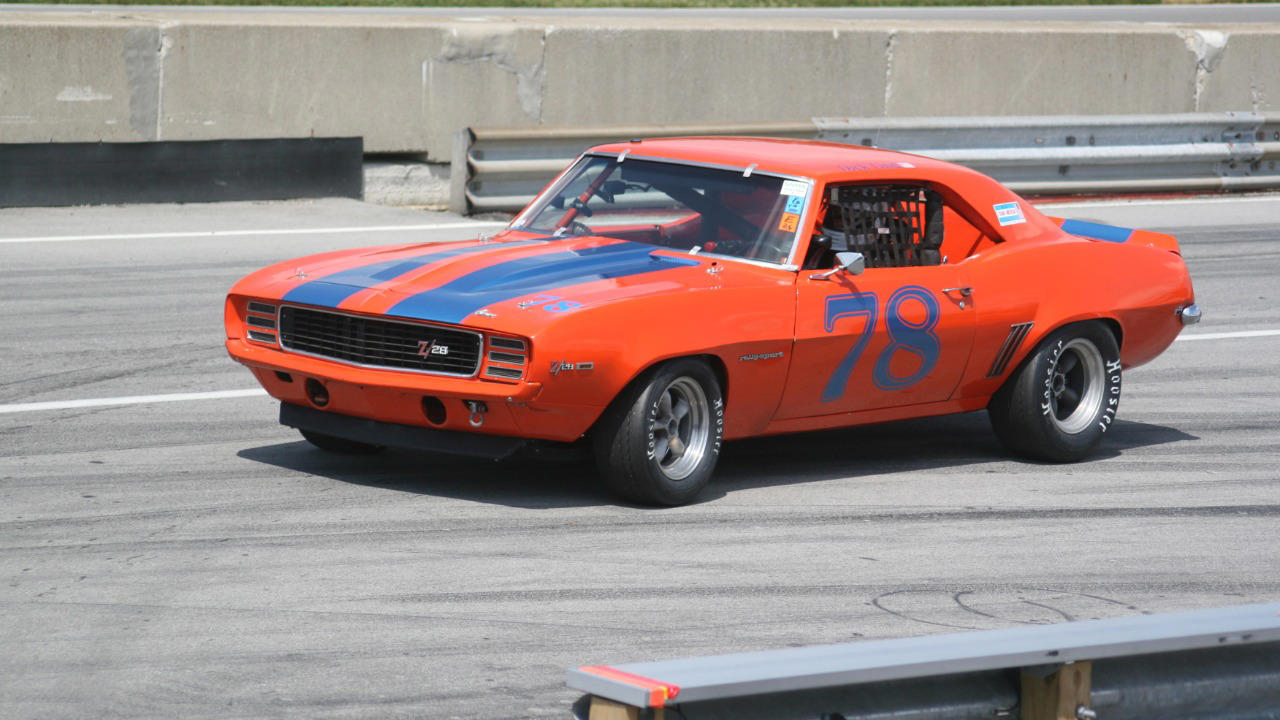
The Rare Chevy Engine So Powerful It Was Underrated by the FactoryThe small-block Chevrolet that enthusiasts still argue about was never supposed to be a legend. On paper it was a 290 horsepower V8 built for a showroom racing special, rated just below the big bruisers of its era. In the hands of racers and tuners, however, this compact, high-winding engine routinely embarrassed larger, more glamorous powerplants, proving that the factory rating told only part of the story. That disconnect between the brochure and the drag strip turned a limited-production Camaro option into one of the most mythologized engines in American performance history. It also created a template for how automakers quietly sandbag output when racing rules, insurance tables, and corporate politics demand subtlety instead of swagger. What happened The engine in question is Chevrolet’s DZ 302, the solid-lifter small-block that powered the first-generation Camaro Z/28. Built to exploit the Sports Car Club of America’s 5.0 liter displacement cap for Trans-Am competition, the 302 cubic inch V8 combined a short-stroke bottom end with big-block style breathing. The result was a compact engine that loved rpm and could survive the punishment of road racing while still being sold through ordinary dealerships. To create it, Chevrolet engineers paired a 4.00 inch bore with a 3.00 inch stroke, blending pieces from existing small-block families into a unique package. The production Z/28 used high-flow cylinder heads, a high-rise aluminum intake, a four-barrel carburetor, and a long-duration solid camshaft that gave the car its famously lumpy idle. Period road tests described a powerband that woke up above 4,000 rpm and pulled hard to the 7,000 rpm redline, behavior that made sense for a car conceived for Trans-Am circuits rather than boulevard cruising. On the window sticker, the DZ 302 carried a rating of 290 horsepower at 5,800 rpm. That figure put it safely under the 300 horsepower threshold that insurance companies and corporate managers watched closely. It also aligned with Chevrolet’s public emphasis on big-block options like the 396 and 427, which were easier to market to buyers who equated displacement with performance. Racers quickly discovered that the 302’s real output was far higher than the brochure suggested. Dyno pulls of carefully assembled engines, built with blueprinted tolerances and tuned for high octane fuel, routinely showed gross horsepower figures in the 350 to 400 range. Contemporary accounts from Trans-Am teams described race-prepped 302s that spun beyond 7,500 rpm without protest, a feat that would have been impossible if the engine were truly limited to the factory rating. The combination of high-flow heads, aggressive cam timing, and a short, stiff rotating assembly gave the DZ 302 an efficiency at high rpm that the official number could not capture. Chevrolet’s own performance parts catalogs later highlighted components such as the forged crankshaft and heavy-duty rods that supported those speeds, even though the showroom literature stayed conservative. Evidence of the underrating appears in independent testing. Period magazine tests of stock Z/28s, often conducted with 4.10 or 4.56 rear gears, recorded quarter-mile trap speeds that implied more than 290 horsepower. Those cars, running on factory tires and through full exhaust systems, kept pace with larger-displacement muscle machines that carried higher official ratings. Enthusiasts who disassembled low-mileage engines also reported compression ratios and cam profiles that aligned more closely with Chevrolet’s off-road racing parts than with typical street engines of the day. Modern restorers and historians have examined surviving engines and confirmed that the production DZ 302 shared much of its architecture with the small-blocks that Chevrolet sold over the counter to racers. Detailed breakdowns of the Camaro Z/28 DZ describe the forged internals, large-port heads, and 780 cfm carburetor that made the engine feel far stronger than its official rating suggested. The DZ 302’s reputation has grown as the broader culture around underrated engines has become more visible. Enthusiast lists of underrated engines now routinely include the high-winding small-block alongside later turbocharged and modern LS designs. The idea that a factory would deliberately lowball an engine’s capability, once a rumor traded at drag strips, is now treated as part of the historical record of late 1960s muscle cars. Why it matters The DZ 302 matters because it illustrates how power ratings in the muscle car era were shaped as much by politics and racing rules as by engineering. Official horsepower figures were never pure technical measurements. They were marketing tools, regulatory shields, and sometimes deliberate misdirections that protected both automakers and customers from unwanted scrutiny. Chevrolet had strong incentives to keep the 302’s rating modest. Trans-Am rules focused on displacement, not advertised horsepower, so there was no competitive advantage in bragging about output. Insurance companies, meanwhile, were already reacting to rising accident rates among young performance-car buyers. A rating under 300 horsepower kept the Z/28 off some of the harshest premium lists, even if the car’s real-world performance rivaled or exceeded that of officially stronger models. Within General Motors, corporate policies also shaped the numbers. GM had internal limits on advertised horsepower relative to vehicle weight and category, guidelines that aimed to keep the company from appearing to encourage street racing. By rating the 302 at 290 horsepower, Chevrolet could present the Z/28 as a balanced road car rather than a drag-strip terror, even though the engine’s design clearly prioritized high-rpm performance. The DZ 302 also highlights how underrated engines create a two-tiered understanding of performance. Casual buyers saw the numbers in the brochure and assumed that big-block cars were the only serious choices. Informed enthusiasts, racers, and dealers knew that certain combinations delivered far more than the spec sheet admitted. That gap fostered an underground culture of information sharing, where the real story of an engine’s capability circulated through word of mouth, track results, and dyno sheets. That dynamic did not exist in isolation. Other American performance brands played similar games with their numbers. Pontiac, for example, fielded Firebird models with high-output V8s that enthusiasts now treat as benchmarks for period performance. Modern coverage of the most powerful Pontiac underscores how official ratings only tell part of the story, especially once tuners and racers apply period-correct modifications. Lists of the most underrated American often group the DZ 302 with engines such as Chrysler’s 340 and later small-block Fords. These powerplants were overshadowed at the time by larger engines in their own showrooms, yet they delivered performance that enthusiasts now recognize as more sophisticated and more usable. The 302 in particular showed how a smaller, higher-revving engine could match or beat bigger rivals through better breathing and careful engineering. The legacy of the DZ 302 also shapes how collectors and builders value cars today. Original Z/28s with matching-number engines command a premium because buyers are not just paying for a badge. They are paying for a specific piece of engineering history, an engine that bridged the gap between showroom stock and race-ready. The conservative rating, once a tactic to manage insurance and corporate rules, has become part of the mystique that drives auction prices. For modern enthusiasts, the story of the underrated small-block offers a lens for reading current performance claims. Automakers still balance regulatory pressure, marketing narratives, and engineering pride when they publish horsepower figures. Turbocharged engines with wide tuning margins, for instance, can deliver far more power with minor software changes, which suggests that some current ratings also leave headroom for future variants or to maintain reliability across global fuel qualities. Understanding how and why the DZ 302 was underrated helps explain why factory numbers should be treated as starting points rather than absolute truths. It encourages buyers to look at trap speeds, dyno results, and track performance instead of relying solely on the brochure. It also reminds enthusiasts that some of the most rewarding engines are not always the ones that boast the highest official ratings. The cultural impact extends beyond the Camaro community. The idea of a “sleeper” engine, one that hides its capability behind modest numbers or an unassuming badge, has become a recurring theme in performance culture. Modern lists of underrated engines often include turbocharged four-cylinders, quiet V8 sedans, and even work-truck powertrains that respond dramatically to tuning. The DZ 302 sits near the root of that lineage, an early example of how engineers could hide race-ready hardware in plain sight. There is also a lesson in how quickly context can change. At the time, Chevrolet treated the 302 as a specialized tool for road racing homologation. The company did not promote it as a flagship, and the engine disappeared from the Camaro lineup after a short production run. In hindsight, that limited window only increased its appeal. What once looked like a niche configuration now reads as a high point in small-block development, precisely because its full potential was not widely appreciated while it was new. What to watch next Interest in the DZ 302 shows little sign of fading, and several trends suggest that its story will continue to evolve. Restorers and builders are still uncovering original engines, sometimes in cars that were modified or repainted decades ago. As those powerplants are torn down and documented, they provide fresh data on how Chevrolet actually built them, from casting numbers to machining details. That documentation feeds a growing market for accurate reproduction parts. Enthusiasts who want to recreate the feel of a period-correct Z/28 now have access to cams, intakes, and rotating assemblies that mirror the original specifications. Builders who focus on street performance often tweak those recipes, using modern ignition systems and fuel to extract even more power while preserving the signature high-rpm character that defined the original engine. On the collector side, auction results for first-generation Z/28s will continue to serve as a barometer of how the market values underrated performance. Cars with verified DZ 302 engines, original drivetrains, and documented racing history already occupy a high tier. As more buyers recognize the engine’s role in shaping Chevrolet’s performance image, demand for authentic examples is likely to stay strong, especially for cars that retain factory-correct components. The story of the DZ 302 also intersects with broader conversations about how to preserve and enjoy classic performance cars in an era of tightening emissions rules and expanding electrification. Some owners are experimenting with restomod builds that retain the original engine architecture but integrate modern fuel injection, electronic ignition, and improved cooling. These projects aim to maintain the engine’s character while making it more reliable and usable in contemporary traffic. At the same time, younger enthusiasts are discovering the engine through digital channels. Video dyno tests, period-correct drag race recreations, and in-depth build series introduce the 302’s personality to audiences who may never have ridden in a carbureted muscle car. That exposure reinforces the idea that a relatively small-displacement, high-revving V8 can be just as exciting as a larger, torque-heavy engine, a concept that aligns well with modern performance philosophies. More from Fast Lane Only Unboxing the WWII Jeep in a Crate 15 rare Chevys collectors are quietly buying 10 underrated V8s still worth hunting down Police notice this before you even roll window down



















 +33 others