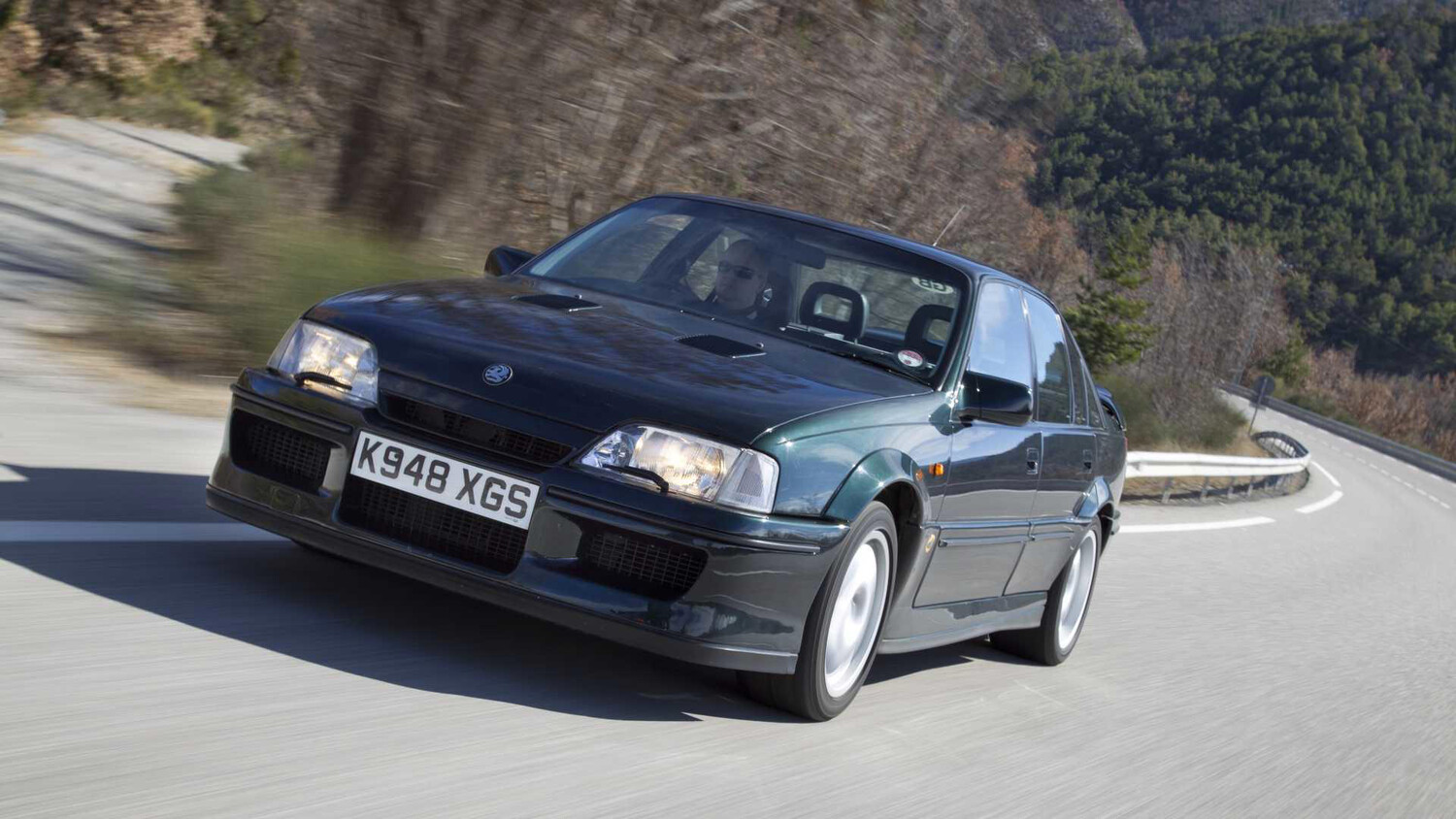
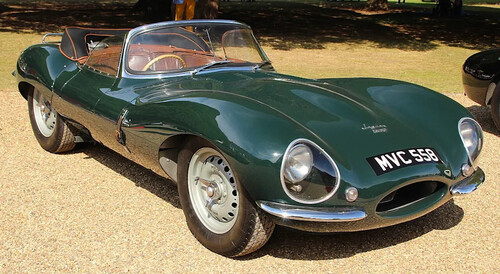
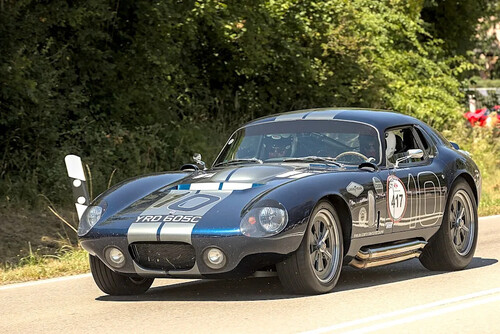
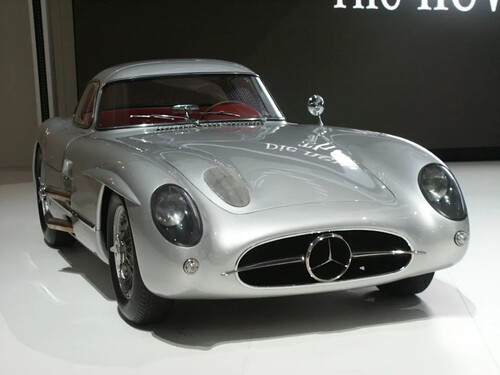
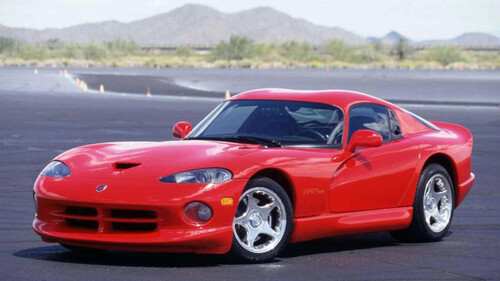
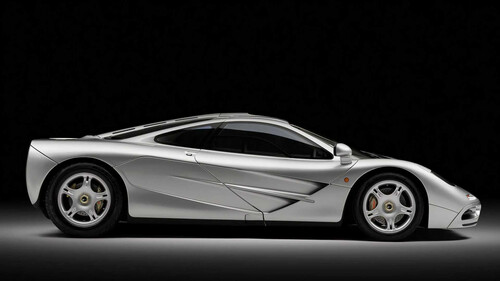
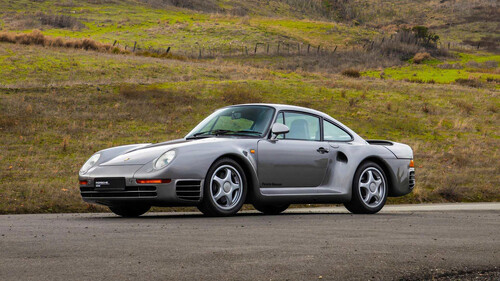
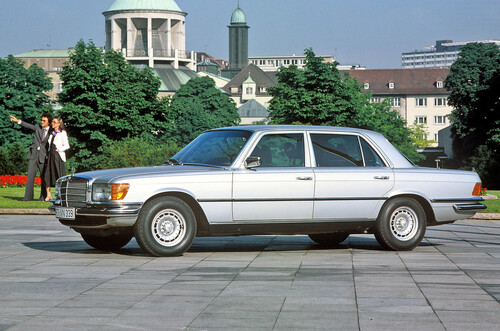
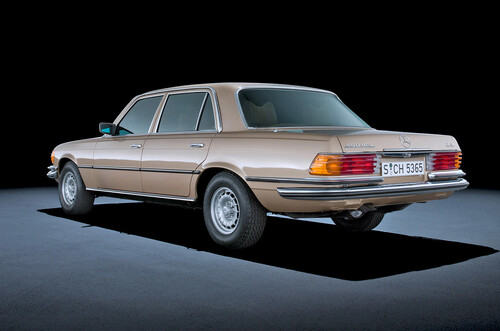
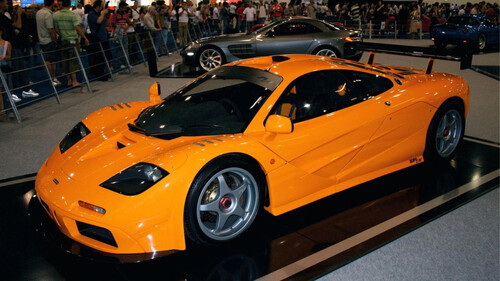
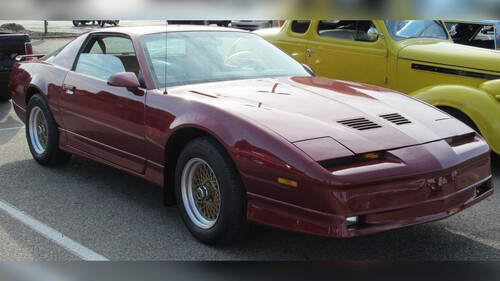
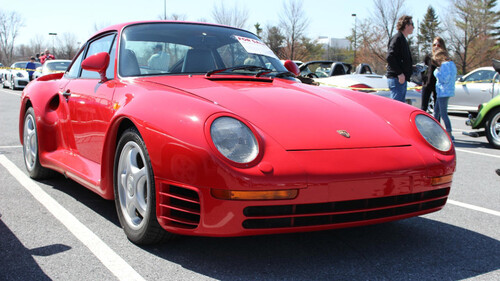
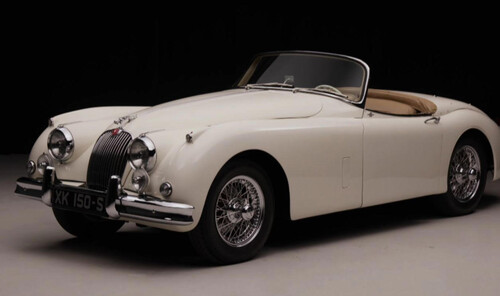
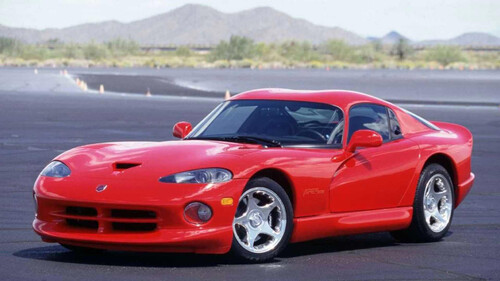
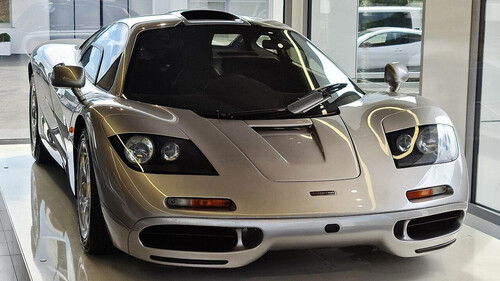
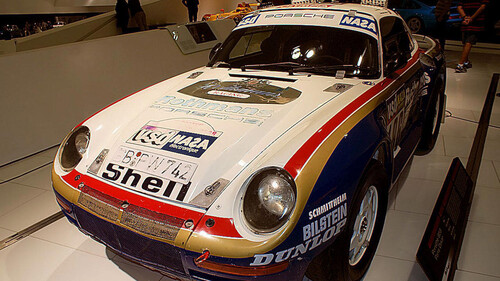
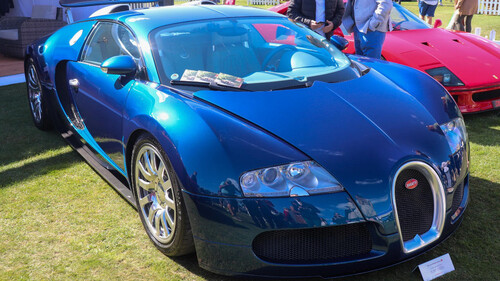
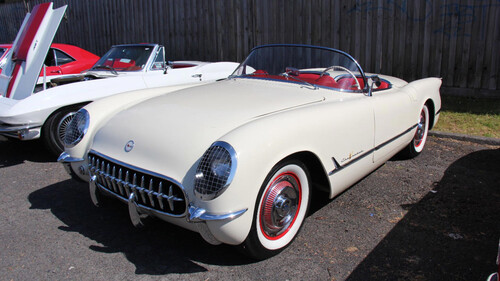
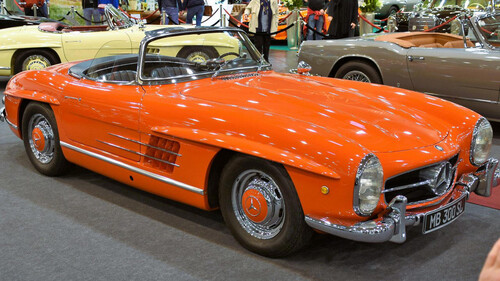
Today's performance machines are better than ever - faster, sharper, and now, more efficient, too. Despite becoming more clinical and losing some of the soul of older cars, the performance cars of today remain hugely impressive at the top levels, since they can reach speeds and challenge physics far more easily than the cutting-edge machines from decades ago.However, those decades-old flagships are still impressive in their own way today, and chances are that a '90s supercar or '70s muscle car would still be a wake-up call to those who have never experienced the raw, unfiltered thrill of a capable machine that was built before refinement became as advanced and widespread as it has today. Here's a quick rundown of some notable examples of cars that pushed boundaries in one way or another, the perfect antidote to today's clinical elites.Specifications are courtesy of the manufacturer or trusted sources, including Hagerty, J.D. Power, Kelley Blue Book, or Edmunds. Any average auction values are sourced from Classic.com. 1948 Jaguar XK120 Fastest Car In The World At The Time RM Sotheby'sPictured is a 1953 model year coupe. Jaguar's XK120 was, at the time, one of the fastest production cars in the world, becoming an instant icon and remains so. It was available in the configuration seen above or as a convertible and came with the Jaguar 3.4-liter, straight-six engine, as used in other vehicles such as the Mark I mentioned previously. 1948 Jaguar XK120 Specs Its name comes from the earlier car's 120-mph top speed, but its successor, the XK140, was not named as such for the same reasons. A variant of the XK120 was tested to achieve a nine-second 0-60 mph time. This was one of the models that helped Jaguar cement its reputation for luxury, speed, and style, and helped set the stage for cars like the legendary Jaguar E-Type. 1970 Plymouth Superbird Hemi Aerodynamic NASCAR-Bred Muscle Car 1970 Plymouth Roadrunner SuperbirdThe Plymouth Superbird was a high-performance, limited-production muscle car built in 1970, developed for NASCAR racing, and with a focus on aerodynamics, along with its powerful engines. It was based on the Road Runner with the notable additions of a nose cone and the iconic rear wing at the rear, the largest of its kind for a production car. 1970 Plymouth Superbird Hemi Specs 200 mph was possible with this machine. The Superbird was built for only one year in 1,920 examples, with the Hemi versions being the most valuable and highly sought-after today. This model is associated with the almost identical-looking '69 Charger Daytona, which featured the same nose cone and wing combo, a car that was also developed for NASCAR dominance. 1970 Chevrolet Chevelle SS 454 Most Powerful Muscle Car Is Still A Legend Chevrolet's Chevelle was produced from '64-'77 and went through just three generations. Today, it is known as one of the notable models from the golden period of muscle cars, and it offered one of the most powerful V8 engines produced at the time. Chevy's big block had been through various iterations, from the 396 to the 427, and then the 454. 1970 Chevrolet Chevelle SS 454 Specs The biggest iteration of the big block arrived in 1970 and was available in three variants, two sold with the Chevelle: the LS5 and LS6. If equipped with the latter, power rose from 390 horsepower to 450, which was even more than most versions of Chrysler's famed Hemi. The '70 Chevelle 454 SS came with heavy-duty suspension, a cowl induction hood, and bold SS badging. 1986 Porsche 959 First All-Wheel Drive Supercar RM Sotheby's This 80s supercar, produced from 1986-1993, is worth an average of $1.7 million. It was expensive at its inception, with an equivalent cost of over $200,000, and Porsche made only around 337. But what a machine. It is commonly regarded as one of the greatest supercars of the 20th century for good reason - the 959 was technologically advanced. 1986 Porsche 959 Specs It pioneered twin-turbocharging and all-wheel drive, a rarity for the supercar class, with Porsche adopting these strategies later for its 911 model and beyond. The 959 was the fastest production car at the time with a 197-mph top speed and offered features such as off-road gear and a form of self-leveling adaptive suspension. 1985 Pontiac Tojan First Production Car To Hit 200 MPH Bring A TrailerAlthough the Ferrari F40 from 1987 is usually cited as the first supercar to hit the 200 mph barrier, it was almost certain to be something homegrown, something American, and based on a modest platform: the F Body. The Pontiac Tojan was based on the Firebird Trans Am's platform, but with a sleek, custom body. It was built by Knudsen Automotive in partnership with GM, which officially sanctioned the model and sold it through its dealers. 1985 Pontiac Tojan Specs The car looked exotic, but only one prototype could actually hit 200 mph - a special, one-off example that was twin-turbocharged. Still, it could hit 206 mph a few years before the F40 was even released. The regular cars sold to the public were much less tame, with off-the-shelf engines (5.0-liter or 5.7-liter) that made a more modest 250 horsepower in some configurations. Some cars could be optioned with forced induction for more performance, but 800 horsepower was still off the table. 1988 Callaway SledgeHammer Fastest Road-Legal Car In The World For A Time Bring A TrailerThe SledgeHammer was one of the fastest road-legal cars of the 20th century, if not the fastest, period. It hit 254 mph before the Bugatti Veyron was even conceived. American tuner Callaway had already made turbocharger kits for the Corvette, and when the C4 'Vette was new, it made 245 horsepower, with Callaway offering a factory upgrade to 382 horsepower. 1988 Callaway SledgeHammer Specs For the SledgeHammer, breaking records was the goal, so the team got to work transforming its chosen Corvette with an aero body, enhanced suspension, and upgraded brakes. The twin-turbo engine featured forged internals to handle almost 900 horsepower at up to 22 psi boost. It made history and remains one of the most hardcore road-legal cars ever. 1990 Lotus Carlton Potent Sedan With Wild Engineering 1993 Vauxhall Lotus Carlton front 3/4 action shotCapable of hitting 60 mph in five seconds, a top speed of nearly 180 mph, the Lotus Carlton (also badged Lotus Omega in other markets) turned a relatively humdrum sedan into a supercar-chaser. It was thanks to Lotus, who upgraded its entire powertrain and drivetrain as well as its transmission (from the period Corvette), brakes, and suspension, which included a self-leveling system. 1990 Lotus Carlton Specs The engine was the highlight - a 3.0-liter engine with displacement increased to 3.6 liters, some forged components, engine block reinforcement, and of course, the twin-turbo kit. It was the fastest four-door sedan of the time and became branded by some as 'too fast', with a campaign formed to have it outlawed that was ultimately ineffective. 1991 Dodge Viper Mighty V10 Engine And Raw Nature Mecum This model is here for obvious reasons - it was insane when it arrived on the market in 1992 with its big V10 engine, essentially a truck engine formed of aluminum. It was fast, powerful, and dangerous, with no safety nets and even fewer options. Features omitted include: Door handles A roof Windows Air conditioning Airbags Traction control ABS 1991 Dodge Viper Specs Over time, more features were added until the final, third-generation Dodge Viper became fairly refined, until it was axed after 2017. The first Viper could hit 60 mph in 4.5 seconds and pass 160 mph, providing performance that necessitated some level of skill and restraint to contain safely. 1992 McLaren F1 Fastest And Most Powerful Naturally-Aspirated Car Silver 1993 McLaren F1 (9)It needs little introduction, the McLaren F1, a record-breaking supercar with the highest top speed of 241 mph until the Bugatti Veyron came along in 2005. The F1 held onto its record for seven years and the title of the fastest naturally aspirated car for 24 years. 1992 McLaren F1 Specs It was designed by Gordon Murray and built by McLaren Automotive between 1992 and 1998, with 106 units produced, which includes prototypes and racing variants. The F1 GTR racing version notably won the 1995 24 Hours of Le Mans outright. Its focus on lightweight and aerodynamics has made it a legend, as well as its overall design and performance, which, along with its legacy and rarity, make it highly valuable today, with average auction values at $18.5 million. 1996 TVR Cebrera Speed 12 Dangerous, Powerful, And Track-Focused Iconic AuctioneersThis car was built by British company TVR and is renowned for its extreme performance, limited production, and ferocious nature, which ultimately made it unviable as a road car. It was originally conceived of as a rival to the McLaren F1 and became a competitive GT1 racing car, which explains its uncompromising track-focused nature. 1996 TVR Cebrera Speed 12 Specs After not being viable as a racing car due to regulatory challenges and engineering difficulties, a road car version was planned and experimented with. However, due to its overwhelming power, its challenging handling (with just 2,200 pounds to carry), and its raw nature, it was deemed not safe for the road. Only one road-going version was ever completed.