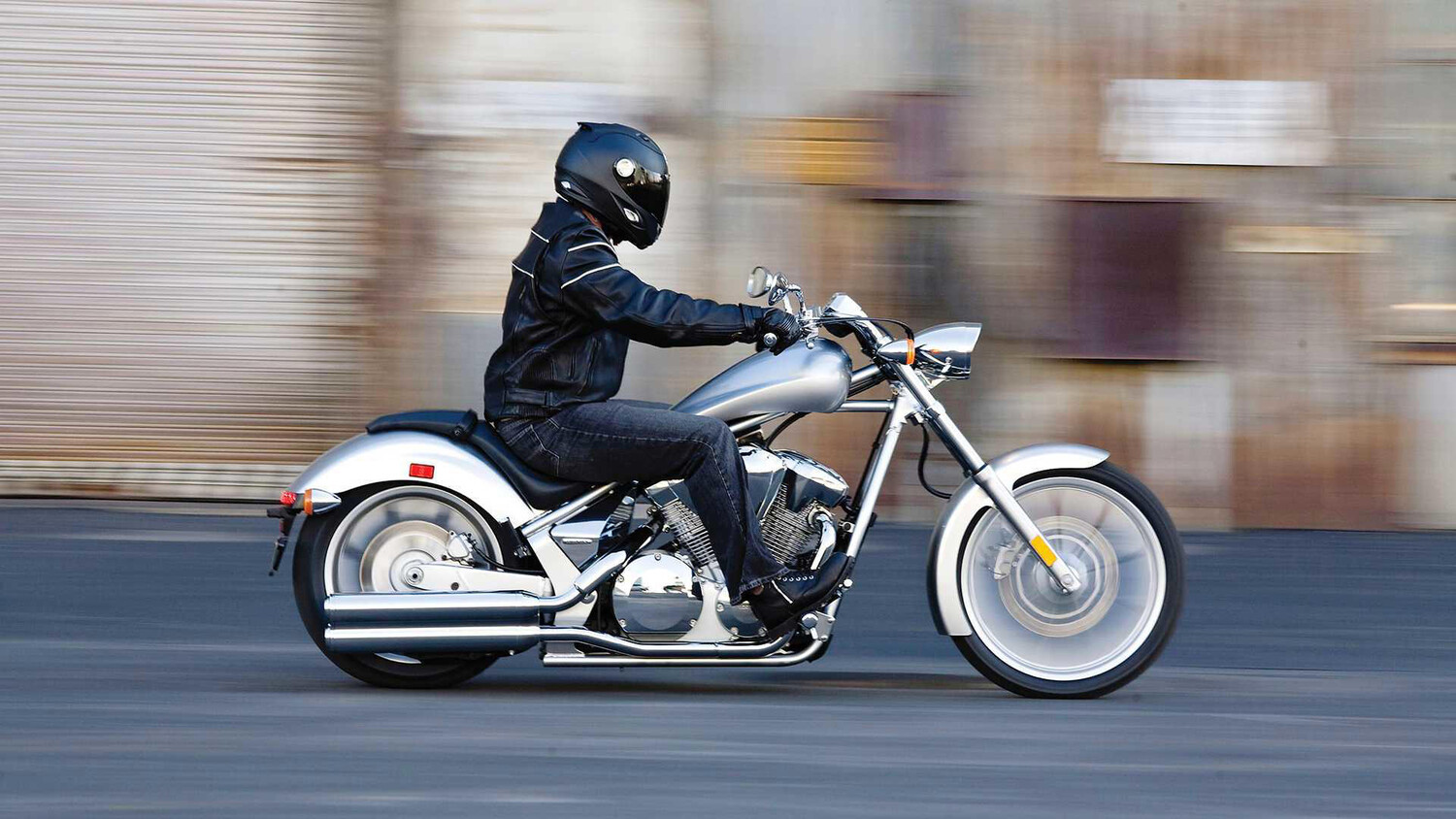
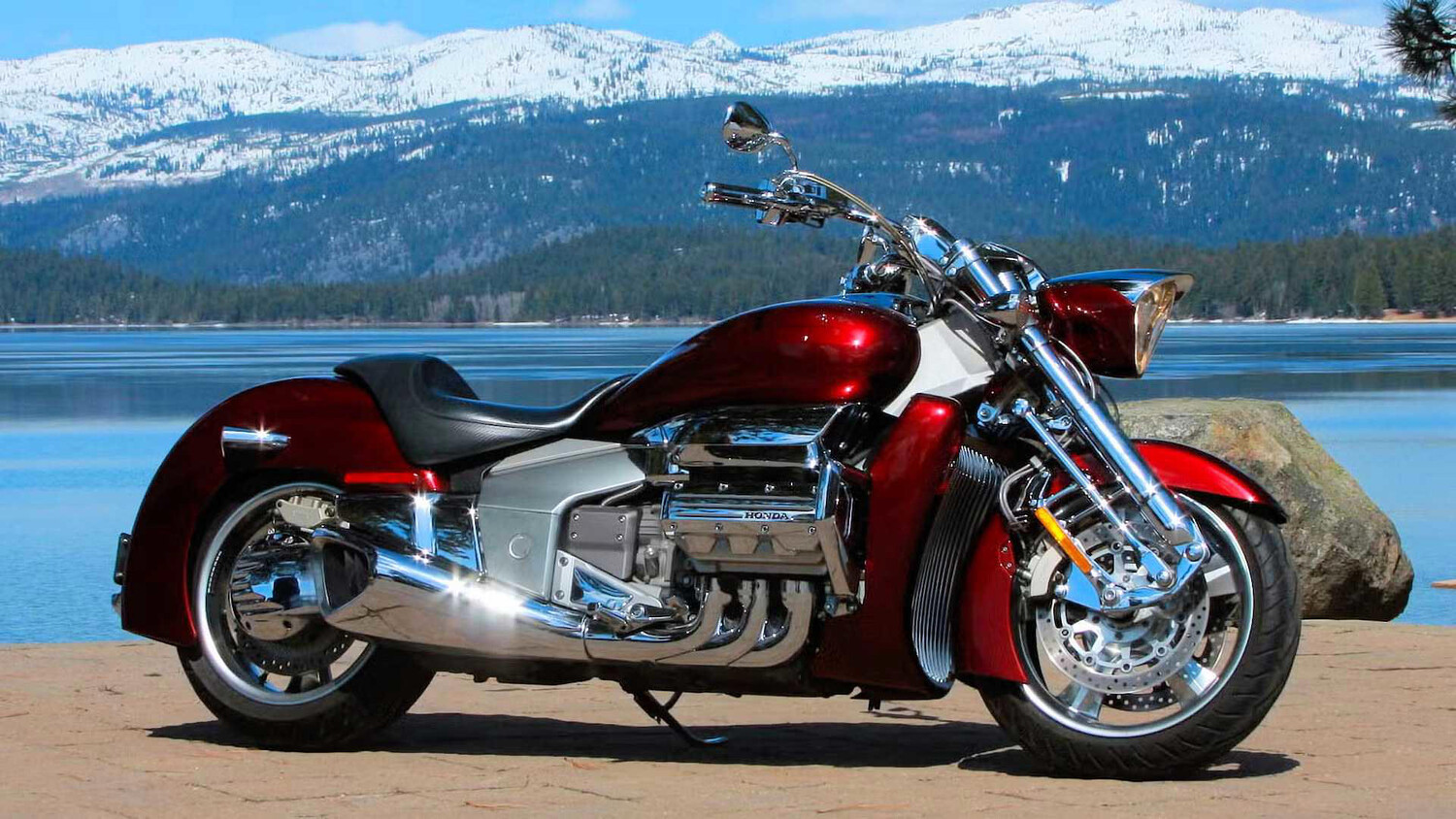
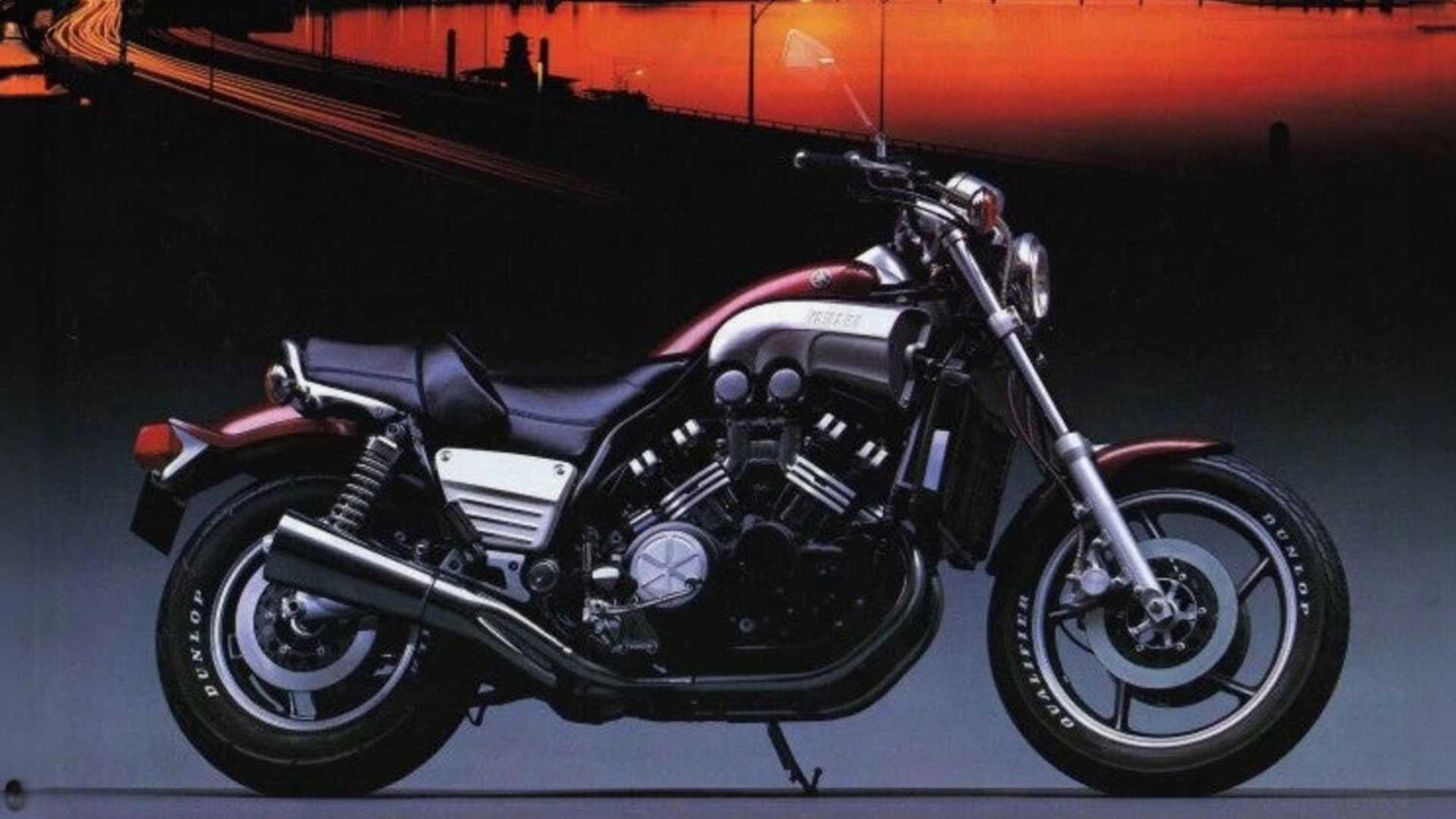
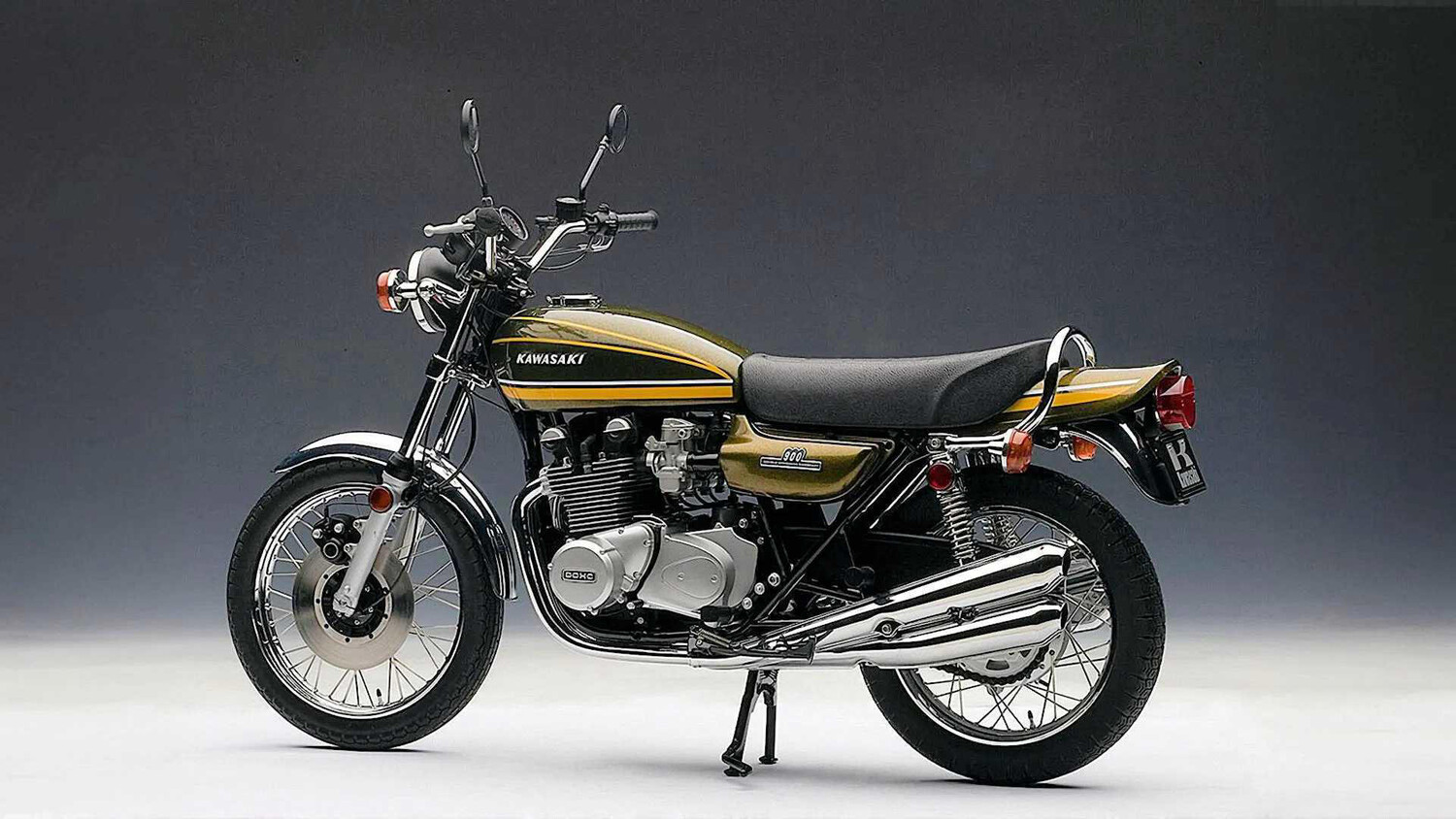
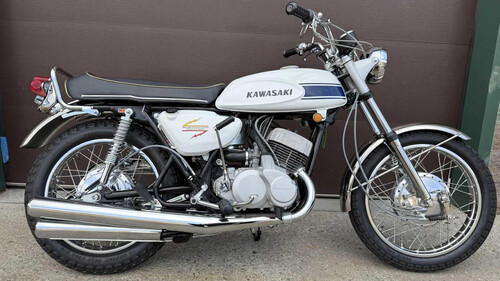
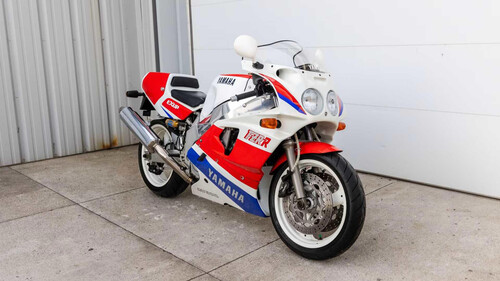
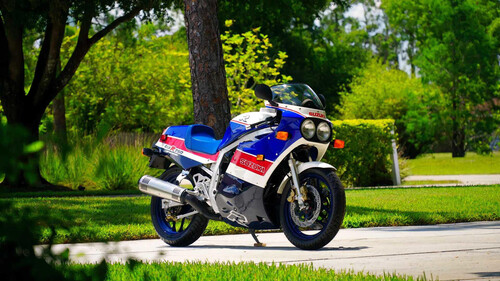
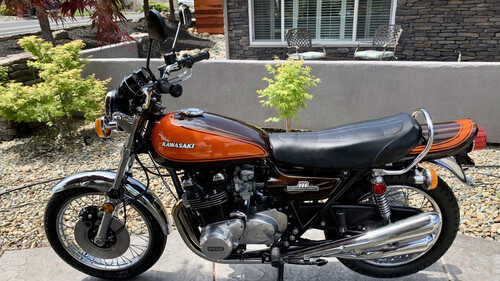
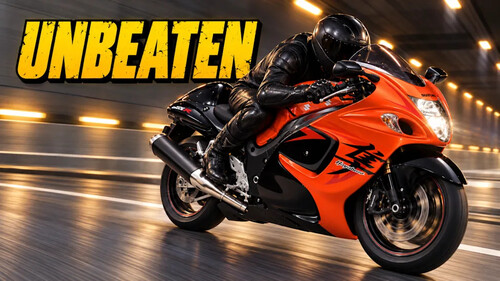
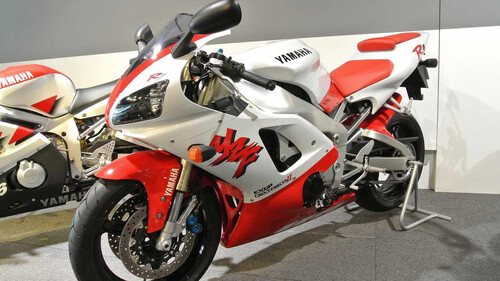
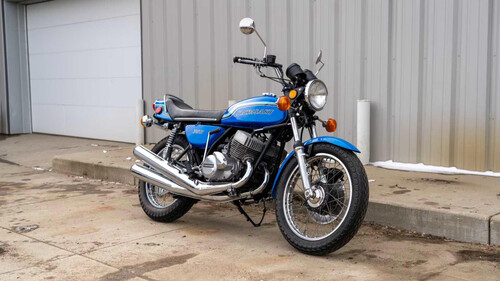
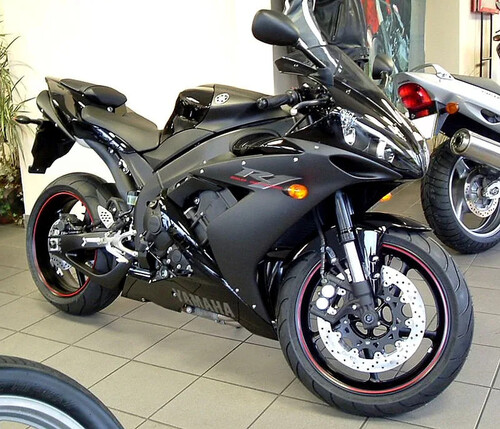
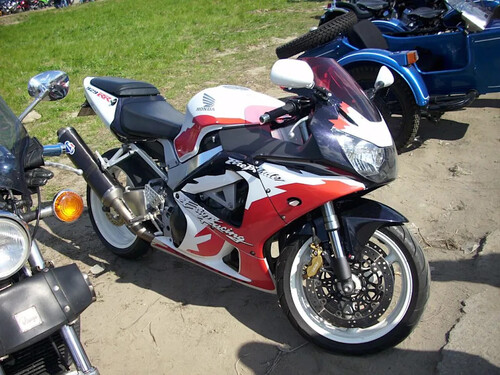
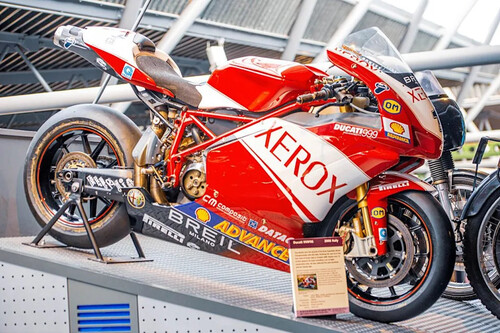
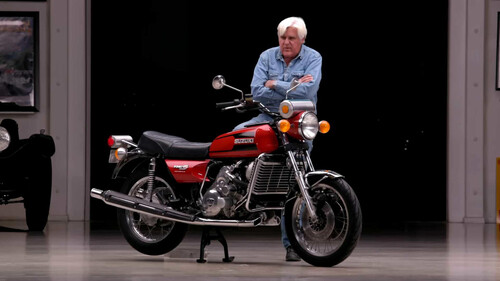
Japanese bikes started off as low-cost daily runabouts known more for their ease of maintenance rather than power and features. In just a few short decades, however, they had grown to become such great competitors to the rest of the world that America had to put sanctions in place to make sure its own brands wouldn’t die out. Since then, they have been the equal of anything America or Europe could put on sale.There are some iconic Japanese bikes, some cruisers, some sports bikes that have entered the annals of history as game changers, for one reason or another. And to those in the know, spotting one is like spotting a unicorn. So here are ten vintage Japanese bikes that turn heads like supermodels. We use the term ‘vintage’ a little loosely here – these are just bikes that have been around for a while, rather than true vintage ones, but they are deserving of all the rubbernecking that they get, regardless of the label we give them!To give you the most up-to-date and accurate information possible, the data used to compile this article was sourced from authoritative sources, such as Honda Powersports, Suzuki Cycles, Yamaha Motorsports, and Kawasaki Motorcycles. We’ve ordered the list by the initial year of production to make things easier. Honda Fury First Year Of Production: 2009 HondaThe Fury is one of the few products that comes from the factory with custom chopper styling. So you get all the good points of a chopper’s design. That is head-turning looks, but with none of the drawbacks that a custom bike has. That means no handmade parts whose quality is suspect and that take forever to source and replace. This is a bike that might look like a one-off but can be used as a daily driver if you can put up with the chopper tank range and ride. Kawasaki Vulcan VN2000 First Year Of Production: 2004 KawasakiThe Vulcan range has been around for over forty years, and it reached its zenith in the mid-2000s, when Kawasaki set out to make the biggest, baddest cruiser of them all. The Vulcan VN2000 displaced a little over two liters – 125 cubic inches – meaning each cylinder was over a liter in displacement. It was liquid-cooled, and was the only Vulcan engine with external lifters. This was the Fat Boy that turned into the Incredible Hulk: the Vulcan VN2000 is 8.25 feet long and weighs nearly 805 pounds! It would take two decades for a bigger V-twin to make it into production. Honda Valkyrie Rune First Year Of Production: 2003 Mecum AuctionsTo get to the Rune, we need to first start with the Gold Wing. This was always the tourer, and had the hard luggage and fairing. Honda also made a cruiser version of it called the Valkyrie. And that had a limited-edition run in 2003 called the Valkyrie Rune. It was a glorious, handmade expression of what Honda was capable of with total disregard for cost or practicality of ownership. Trailing bottom-link suspension for the front? Sure. A radiator cover that looks more like a baleen whale’s mouth? Why not? Between 800 and 3,000 examples were sold, and Honda lost a lot of money on every single one of them. Suzuki Hayabusa (First Gen) First Year Of Production: 1999 Iconic Motorbike AuctionsThe Hayabusa was designed for the production bike top speed record – the fact that it was a comfy sports tourer was an eye-opener to a lot of people. But aerodynamics took precedence over everything else, which is why the first-gen ‘Busa looks like it was sculpted out of wax that then melted. It might not have been beautiful in the conventional sense, but it was definitely purposeful, and in that purity of purpose was beauty. It was also so practical that bungee hooks were present, and a center stand was an optional extra for those who wanted to tour at light speed. Yamaha YZF-R1 (First Gen) First Year Of Production: 1998 YamahaThe YZF-R1 picked up where the Fireblade left off. It took liter-class supersport motorcycle design so far ahead, everyone uses it to this day. The vertically-stacked ‘cassette type’ gearbox allowed for a shorter wheelbase but a longer swingarm, which meant a great combination of quick steering and stability. It also allowed for easier removal for servicing and changing ratios for different racetracks, something that gave Yamaha an advantage in racing. This gearbox allowed Yamaha to fit a 1000 cc engine into what was in essence a 600 cc chassis, making the final leap into the liter sports bike as we know it today. Honda CBR900RR Fireblade (First Gen) First Year Of Production: 1992 Bring a TrailerUntil the Fireblade came along, all sports bikes were interested in was top speed. They cared little about stopping or going around a corner. The CBR900RR changed all of that; it was decided that a sports bike could use less weight, better brakes, and a chassis that preferred to go around a corner with precision and enthusiasm. It had a downsized engine, but the way it demolished lap times showed that Honda was on to something – and the rest is history. Honda NR750 First Year Of Production: 1992 HondaThe NR750 is a motorcycle unlike any other, and those in the know will treat it like a celebrity. For one thing, its design inspired one of the best-looking motorcycles in history, the Ducati 916 – notice the headlamp design and underseat exhaust? The NR also showed the world a digital instrument cluster, magnesium wheels, inverted front forks, side-mounted radiators, carbon fiber body panels, and dual front brake discs. In the engine, there were titanium conrods and a total of 32 valves – 8 valves per cylinder! Yamaha V-Max (First Gen) First Year Of Production: 1985 YamahaTo truly understand what the V-Max did, you need to see the year it launched – 1985. Scroll up to the other Yamaha here, the R1, and you’ll notice it made 147 horsepower in 1998. The V-Max offered 145 horsepower over a decade earlier, and in a cruiser! It was built to win drag races, and it won not only those, but the imagination of a public that loved it so much, it kept selling for 35 years and over two generations. When emission laws finally killed the V-Max, it was putting out nearly 200 horsepower; again, a figure that a liter sportbike would be proud of. The more things change, the more they stay the same. Honda CBX1000 First Year Of Production: 1978 HondaThe Dream CB750 Super Four laid the groundwork for the Universal Japanese Motorcycle, and with its success came faster motorcycles following the UJM format. Honda needed to top itself, so it settled on the CBX: a motorcycle with an inline six-cylinder configuration. It wasn’t quite the sales success Honda hoped it would be, with just over 3,000 being manufactured in the US. That only means that these are extremely rare to spot. The CBX1000 was more a sport tourer than an outright sport bike, and its spirit (and engine configuration) lives on in the BMW K series bikes of today. Kawasaki Z1 First Year Of Production: 1972 KawasakiThe Dream CB750 Super Four showed the world how it was supposed to be done, and at the same time, Kawasaki was selling H3s. These were two-stroke hooligans that would just as soon spit you off than they would pull a wheelie. However, in the background, Kawasaki was cooking up something on the lines of the CB750 – only bigger and better. The Z1 took Honda’s recipe and made it just spicy enough for everyone to want to have a bigger bite of the UJM pie – and the world’s first true modern superbike was born.