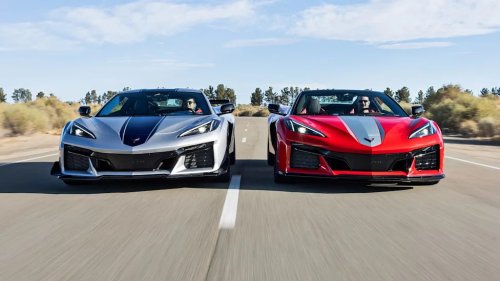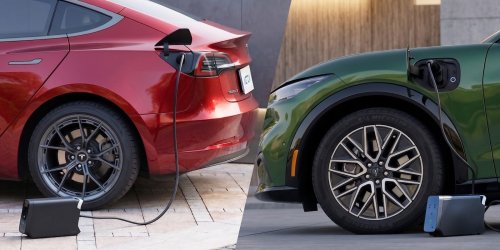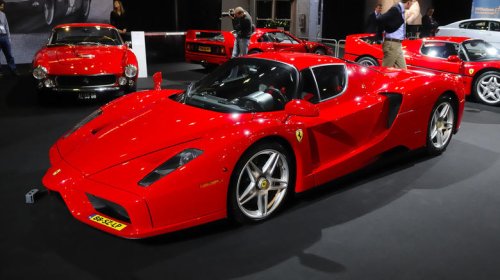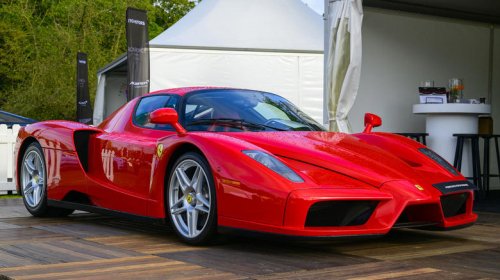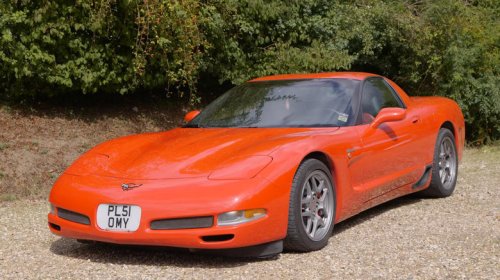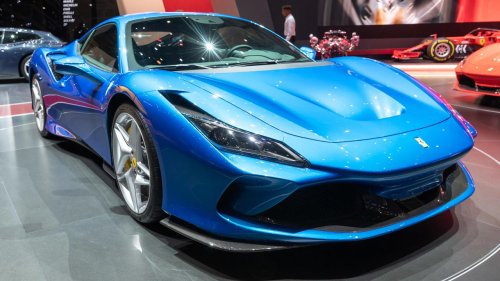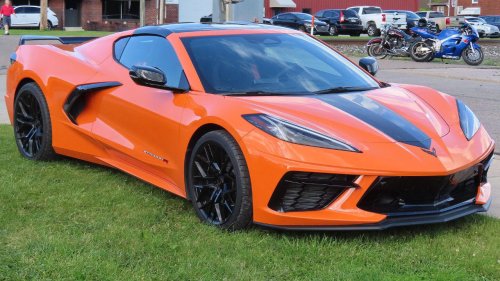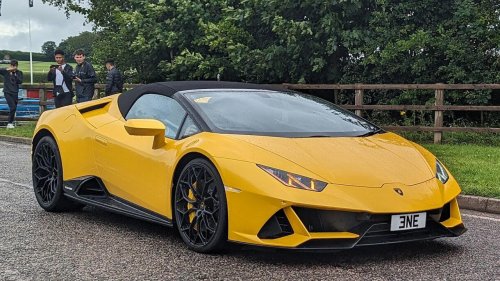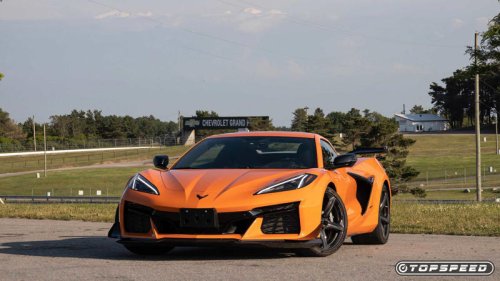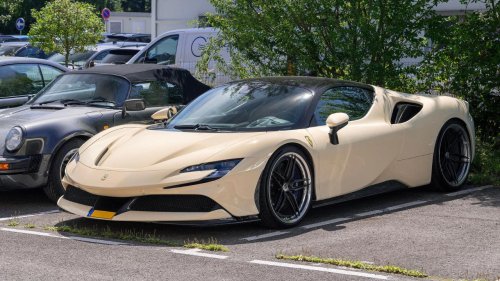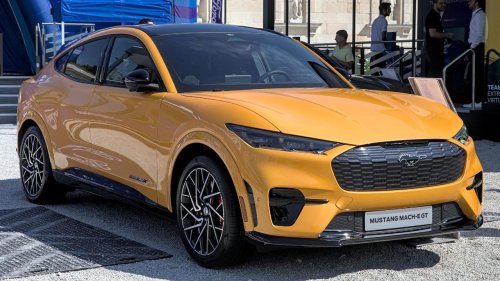
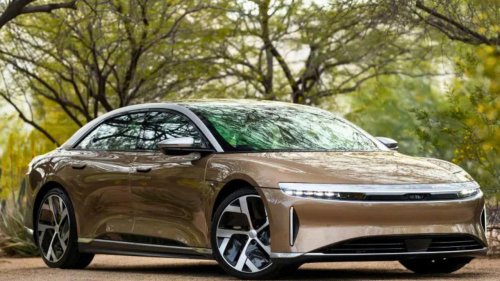
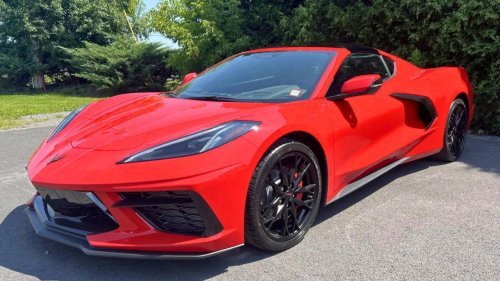
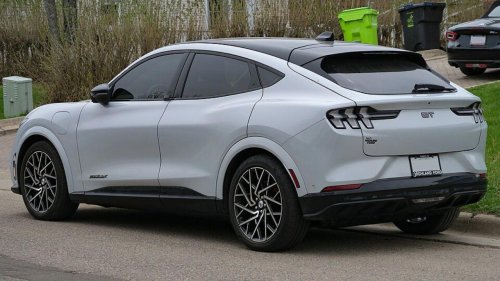



















Automakers have spent decades chasing one deceptively simple goal: turn every bit of power into clean, relentless acceleration. As electric motors, lighter materials, and smarter software converge, a new wave of cars now channels energy into motion with an efficiency and ferocity that would have seemed absurd a generation ago. That pursuit is clearest in ten machines that treat wasted effort as the enemy and forward thrust as the only acceptable outcome.Lucid Air Dream Edition PerformanceThe Lucid Air Dream Edition Performance approaches the same challenge from an efficiency-first angle. Its compact motors use a high-voltage architecture and innovative winding design to deliver strong power while staying relatively light. The result is a large luxury sedan that can cover long distances yet still produce acceleration that rivals dedicated sports cars. Because the Air was engineered with aerodynamics and energy use in mind, its ability to convert battery charge into motion is not just about straight-line speed. The slippery body, low rolling resistance tires, and carefully tuned cooling system all reduce drag on the system. That lets the motors operate more often in their ideal efficiency band, turning more of each stored kilowatt-hour into actual forward progress.Chevrolet Corvette Stingray (C8)The mid-engine Chevrolet Corvette Stingray shows that internal combustion still has plenty to say about power and motion. By moving the 6.2 liter V8 behind the driver, Chevrolet improved weight distribution and traction, which means more of the engine’s output reaches the pavement, especially on corner exits. The eight-speed dual-clutch transmission shifts quickly and keeps the engine in its power band without the slippage associated with traditional automatics. The C8’s real achievement is how it democratizes exotic-car dynamics. The chassis geometry, electronic limited-slip differential, and performance traction management system work together so the car can apply its power cleanly out of tight bends. Instead of overwhelming the rear tires, the Corvette uses its layout and electronics to turn the V8’s torque into confident, repeatable acceleration.Ferrari SF90 StradaleThe Ferrari SF90 Stradale blends a twin-turbo V8 with three electric motors to create a plug-in hybrid system that feels focused entirely on speed. Two motors sit on the front axle and one is sandwiched between the engine and the gearbox at the rear. That arrangement gives the SF90 all-wheel drive, torque fill during gear changes, and the ability to vector torque across the front wheels. What stands out is how the SF90 uses electrification not to chase efficiency first, but to close every gap in the power delivery of a traditional turbocharged engine. Electric torque fills in at low revs and during shifts, so the driver experiences a near-continuous wave of thrust. The hybrid system also lets Ferrari fine tune how much power goes to each axle, which helps the car fire out of corners with minimal wasted wheelspin.Ford Mustang Mach-E GT Performance EditionThe Ford Mustang Mach-E GT Performance Edition brings the idea of direct, instant torque into a more accessible segment. Its dual-motor, all-wheel-drive system delivers strong acceleration, and the battery pack under the floor lowers the center of gravity, which helps the tires maintain grip. For a family-friendly crossover, the way it steps off the line feels closer to a traditional performance car than a utility vehicle. Equally notable is how Ford uses software-controlled drive modes to shape the character of the powertrain. In its sportiest settings, the Mach-E sharpens throttle response and adjusts traction control thresholds, allowing more aggressive use of the available power. That flexibility means the same hardware can behave like a calm commuter or a surprisingly eager performer, always focused on turning stored energy into forward motion with minimal fuss.