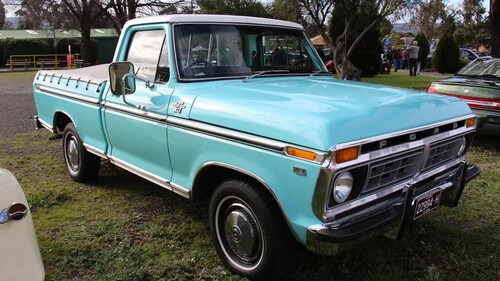
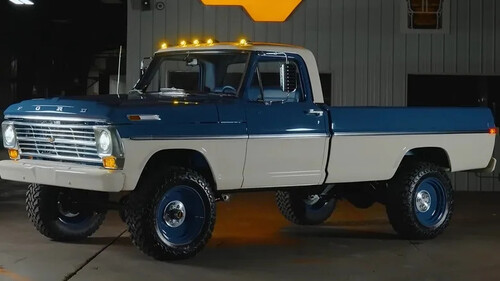
The Dodge Power Wagon carried military roots into civilian lifeThe Dodge Power Wagon is a legendary vehicle that seamlessly transitioned from military service to civilian life, embodying rugged durability and a pioneering spirit. Originally designed for the battlefields of World War II, this robust truck quickly became a favorite among civilians, setting the standard for off-road vehicles and influencing the development of modern trucks. Origins in the Military The development of the Dodge Power Wagon began during World War II when the U.S. military required a reliable and robust vehicle capable of handling the diverse and challenging environments encountered during the war. The Power Wagon was initially conceived as a military workhorse, designed to transport troops and equipment across rough terrains. Its 4×4 capabilities, a novel feature at that time, allowed it to access remote areas that were previously unreachable by standard vehicles, making it an indispensable asset on the battlefield. The military specifications of the Power Wagon were rigorous, focusing on durability, reliability, and versatility. Its design included a sturdy chassis, heavy-duty axles, and a powerful engine, ensuring that it could withstand the harsh conditions of war. The vehicle’s ability to traverse difficult terrains and its robust construction made it particularly suitable for military use. The Power Wagon’s design also featured a power take-off unit, which allowed it to operate auxiliary equipment such as winches and generators, further enhancing its utility in the field. These features were crucial during wartime, providing the military with a versatile tool that could be adapted for various tasks. Transition to Civilian Use After World War II, the Dodge Power Wagon was adapted for civilian use, marking a significant transition in its design and purpose. The post-war era saw a surge in demand for rugged vehicles that could handle off-road conditions, as civilians sought to explore rural areas and engage in agricultural and industrial activities. Dodge capitalized on this demand by making subtle modifications to the Power Wagon, such as improving cabin comfort and adding amenities that catered to civilian preferences. Marketing strategies shifted to highlight the vehicle’s reliability and versatility, appealing to farmers, ranchers, and enthusiasts of off-road adventures. The Power Wagon’s appeal among civilians was largely due to its reputation for reliability and its ability to perform in various terrains. Its 4×4 capabilities made it an ideal choice for navigating rural landscapes, while its sturdy construction ensured longevity and minimal maintenance requirements. Additionally, its versatility allowed it to be used for diverse applications, from farming and construction to recreational off-roading. The Power Wagon quickly gained popularity among civilians, establishing itself as a trusted and enduring vehicle. Influence on Modern 4×4 Vehicles The Dodge Power Wagon played a crucial role in setting the standard for off-road vehicles, influencing the design and development of future 4×4 trucks. Its innovative features and rugged construction served as a blueprint for subsequent generations of off-road vehicles, inspiring manufacturers to prioritize durability and capability in their designs. The Power Wagon’s success demonstrated the viability and demand for 4×4 vehicles, paving the way for the development of popular models such as the Jeep Wrangler and the Ford Bronco. The legacy of the Power Wagon is evident in contemporary truck design, where elements such as powerful engines, reinforced chassis, and advanced suspension systems are commonplace. Modern trucks continue to draw inspiration from the Power Wagon’s emphasis on durability, power, and adaptability, incorporating advanced technologies that enhance performance and comfort. The enduring influence of the Power Wagon is a testament to its pioneering role in the evolution of 4×4 vehicles, as highlighted in various automotive discussions. Enduring Legacy and Collectibility The Dodge Power Wagon has achieved classic status, with a dedicated community of enthusiasts committed to its restoration and preservation. Its iconic design and historical significance make it a sought-after vehicle for collectors and restorers, who value its contribution to automotive history. Restoration projects often involve sourcing original parts and meticulous attention to detail, ensuring that these vehicles are preserved in their original glory. Events and gatherings dedicated to the Power Wagon provide enthusiasts with opportunities to share their passion and showcase restored models. The market value and collectibility of vintage Power Wagons are influenced by factors such as rarity, condition, and historical significance. As a classic vehicle, the Power Wagon commands high prices in the collector market, with restored models fetching significant sums. The collectibility of the Power Wagon is further enhanced by its enduring legacy and the nostalgia associated with its military origins. Enthusiasts and collectors alike appreciate the opportunity to own a piece of automotive history, contributing to the Power Wagon’s continued relevance in the classic car community. Impact on Automotive Culture The Dodge Power Wagon has become a cultural symbol, representing rugged American ingenuity and resilience. Its presence in media and popular culture has solidified its status as an icon, often depicted as a vehicle capable of overcoming any obstacle. From appearances in films and television shows to its representation in literature and advertising, the Power Wagon has captured the imagination of audiences worldwide, reinforcing its image as a powerful and dependable vehicle. The influence of the Power Wagon extends to automotive enthusiasts, fostering a community of 4×4 aficionados who appreciate its historical significance and capabilities. Enthusiast clubs and events dedicated to the Power Wagon provide a platform for owners and fans to connect, share experiences, and celebrate their passion. The vehicle’s impact on automotive culture is further evidenced by its role in inspiring new generations of off-road enthusiasts, who continue to pay homage to its legacy through modifications, restorations, and off-road adventures. More from Fast Lane Only Unboxing the WWII Jeep in a Crate 15 rare Chevys collectors are quietly buying 10 underrated V8s still worth hunting down Police notice this before you even roll window down