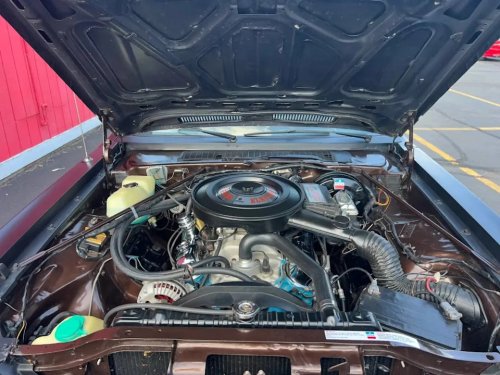
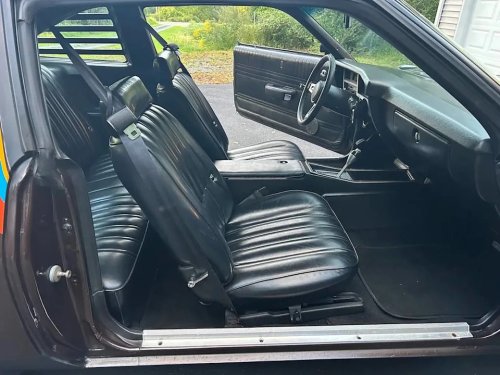
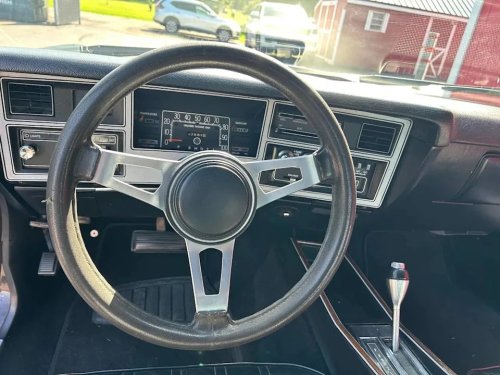
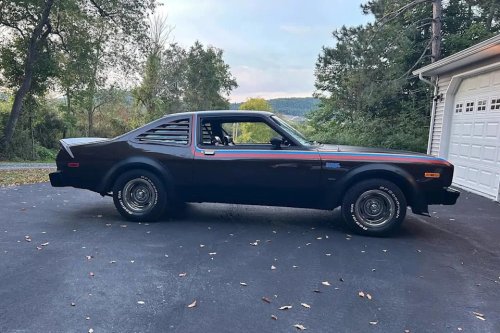
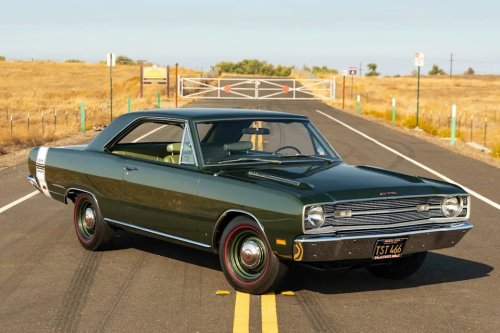
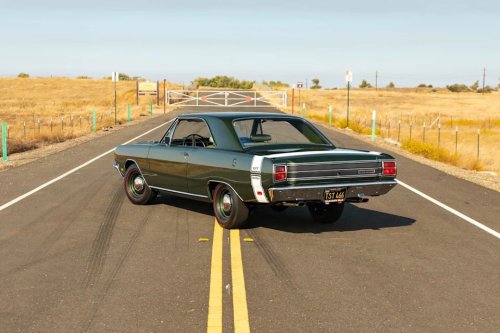
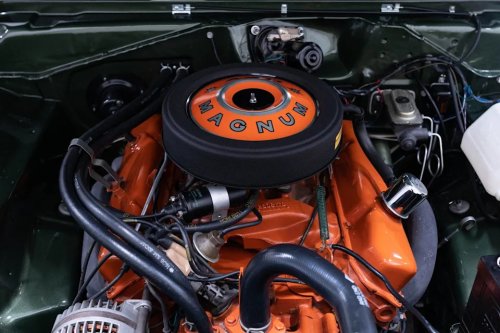
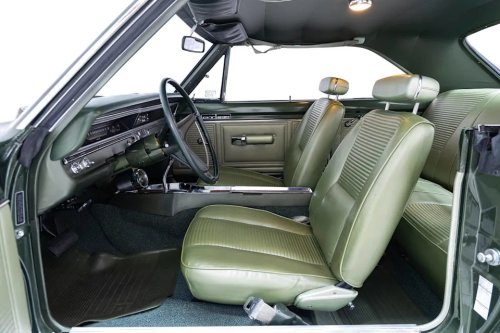
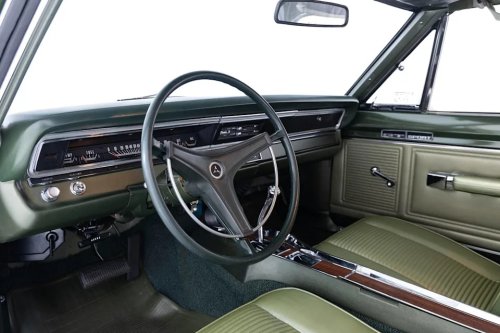
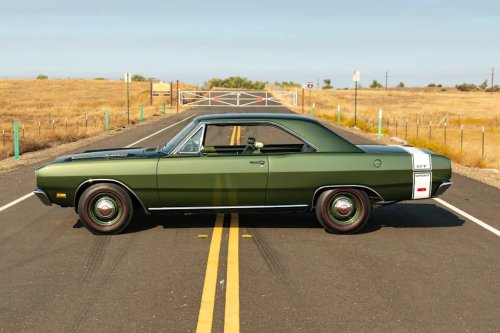
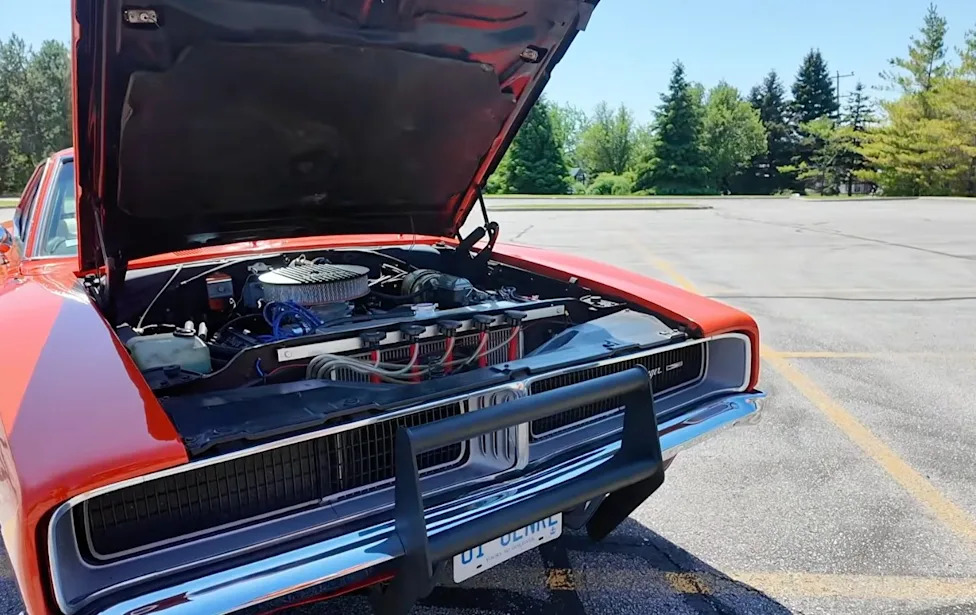
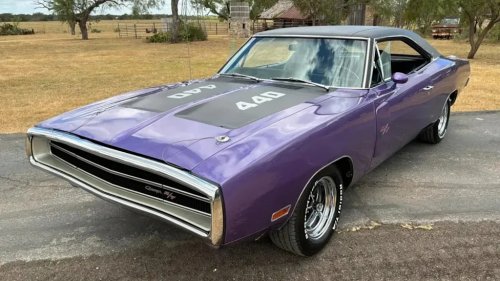
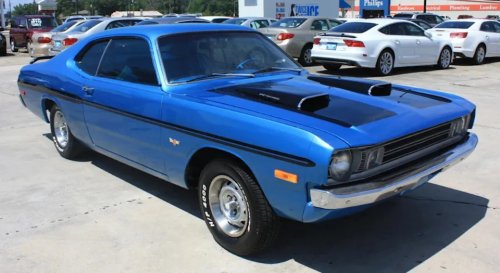
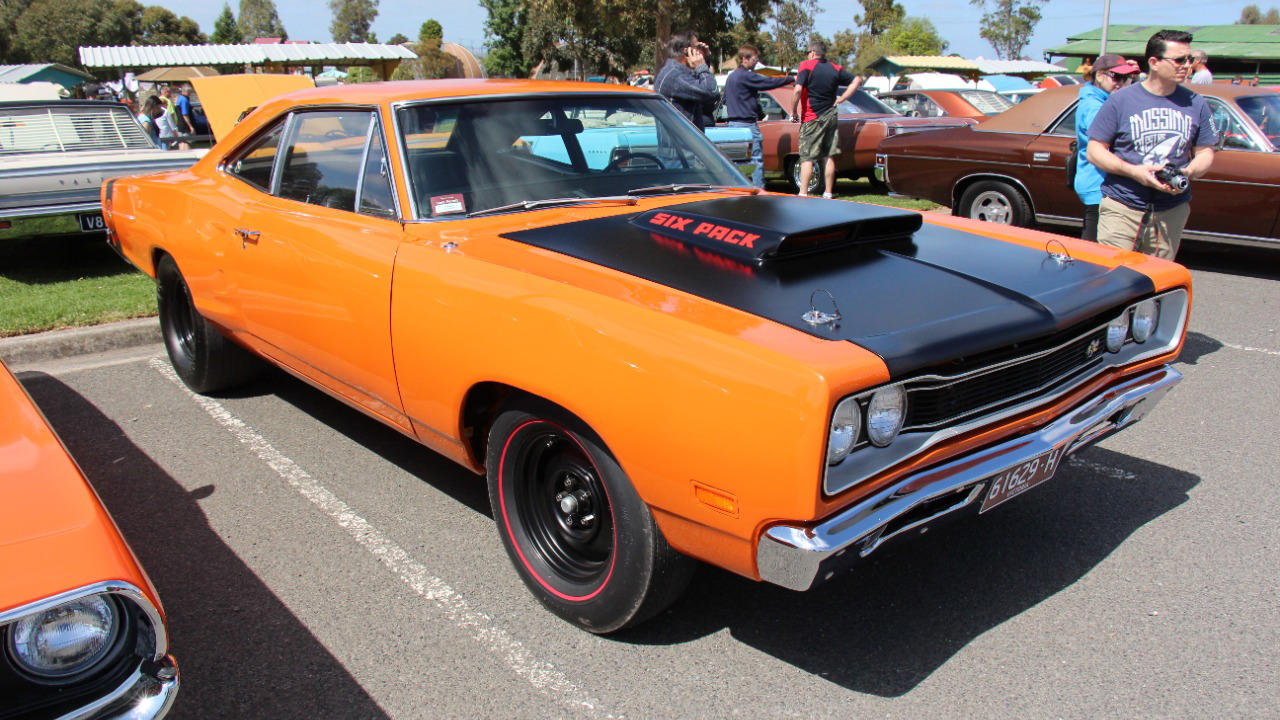
Why the 1969 Dodge Super Bee Six Pack matteredThe 1969 Dodge Super Bee Six Pack was the muscle car equivalent of showing up to a bar fight with three fists. It took an already rowdy budget performance coupe and bolted on a wild tri-carb setup that made quarter-mile glory feel almost affordable. The result was a car that mattered not just because it was fast, but because it proved blue-collar buyers could get serious firepower without selling a kidney. When I look at the Super Bee Six Pack, I see the moment Detroit stopped pretending that only the wealthy deserved big horsepower. This car turned a workaday Dodge into a street legend, wrapped in cartoon bee graphics and backed by hardware that could embarrass more expensive rivals. The working‑class answer to muscle car royalty In the late 1960s, the Mopar performance throne was occupied by the mighty Mopar Hemi, a fearsome engine that also came with fearsome insurance premiums and price tags. The Super Bee Six Pack stepped in as the loud, slightly scruffy cousin, offering most of the thrills for a lot less cash. If the Hemi was muscle car royalty, the Six Pack and Six Barrel were the working-class heroes, the ones you actually saw at the local strip on Friday night instead of locked away in a climate‑controlled garage. That is why the Super Bee Six Pack mattered: it democratized big power. Instead of forcing buyers to stretch for a Hemi, Dodge gave them a cheaper path to serious performance with the 440 Six Pack, and wrapped it in a no‑nonsense package that looked ready to punch in for overtime. The car’s whole attitude said, “You do not need a crown to rule the stoplight.” What made the Six Pack so special under the hood Under the bulging hood, the Super Bee Six Pack was defined by its wild induction setup. The engine was a 440 cubic inch big‑block, but the real party trick was the trio of Holley two‑barrel carburetors that gave the package its name. The A12 option was literally built for no‑nonsense performance, with that 440 feeding through three two‑barrel carburetors producing 390 horsepower and massive torque. It was the mechanical equivalent of chugging an energy drink, then chasing it with two more just to be sure. Dodge did not stop at the carburetors. Taking a page from the Street HEMI playbook, the Six Pack gained an H‑pipe in its high flow dual exhaust tract to help that big 440 breathe and bark properly. The combination of the 440, the three Holleys, and the upgraded exhaust turned the Super Bee into a torque factory that could light the rear tires with the kind of enthusiasm usually reserved for burnout contests. The A12 package and its brutal hardware The secret sauce of the 1969 ½ Super Bee was the A12 package, a midyear surprise that treated the car like a factory‑built street brawler. The A12 cars came with that brutal 440 Six Pack V8, the same 440 cubic inch foundation but tuned for harder launches and relentless mid‑range pull. Period builds show how seriously Dodge took the engine, with the original RB440 block getting the royal treatment before being dropped back between the fenders as the heart of the package. To keep the rest of the car from folding under all that enthusiasm, Dodge leaned on heavy‑duty components. In order to handle quarter‑mile bursts, the Hemi rear springs were built with five full and two half leaves on the right side, paired with race‑oriented 4.10 gears that made highway cruising a noisy suggestion rather than a priority. The A12 Super Bee was not pretending to be a luxury coupe; it was a street‑legal bracket racer that just happened to come with a warranty. How Dodge sold big power on a budget What really fascinates me is how Dodge managed to make this level of performance feel almost sensible at the dealership. The company priced the 440 Six Pack as an option that undercut the Hemi while still delivering serious numbers, and the Super Bee Six Pack name was broadcast on the sides of one of the wildest budget muscle cars of its era. You did not just buy horsepower, you bought a rolling billboard that shouted your priorities to the neighborhood. The rest of the car stayed true to its working‑class roots. Inside, you were more likely to find vinyl than velour, and the options list leaned toward go‑fast parts instead of fancy trim. The transmission choices included a four‑speed manual with a Hurst Competition Plus shifter, heavy‑duty suspension, and the kind of rear stripes Dodge called “bumblebee wings,” which made the car look like it was already in motion even when it was sulking at a red light. Midyear menace and the 1969 ½ mystique The 1969 ½ Super Bee A12 has its own mythology because it arrived like a midseason plot twist. Just when rivals thought they had Dodge figured out, the company dropped a special mid‑year offering that featured a potent 440 Six Pack and stripped‑down hardware aimed squarely at the drag strip. The Dodge Super Bee A12 cars were built in limited numbers, which only adds to their mystique and makes them highly collectible today. Collectors obsess over details like the fiberglass lift‑off hood, the steel wheels, and the way the A12 cars wore their purpose like a uniform. Another period description of the 1969 ½ Dodge Super Bee A-12 notes that this mid‑year model was a special offering that featured a potent 440 Six Pack and drag‑oriented equipment, making them highly collectible today. The car mattered in its own time because it shocked the competition; it matters now because it represents the moment Dodge stopped flirting with performance and went all in. Performance, rarity, and the legend that followed On the street, the Super Bee Six Pack backed up its swagger with real numbers. The normal Dodge Super Bee, with a regular hood, is already a Rare Classic Muscle Car, capable of a 0 to 60 mph time of 6.3 seconds. Add the Six Pack hardware and the A12 gearing, and you had a car that could turn that straight‑line sprint into a full‑body experience, complete with tire smoke and a faint smell of clutch. Over time, the legend only grew. Enthusiasts now talk about the Dodge Super Bee and the Six Pack variants sit at the top of that food chain. Survivors are prized not just for their performance, but for what they represent: a brief window when Detroit built cars that were barely domesticated, then handed the keys to anyone with a steady job and a forgiving insurance agent. A superhero origin story on four skinny bias‑ply tires Part of the charm of the Super Bee Six Pack is how it feels like a comic book origin story that accidentally came true. The car did not just go fast, it made ordinary drivers feel like they had stumbled into a secret league of caped crusaders, only with more unburned fuel in the exhaust. That is the lasting importance of the Super Bee Six Pack. It proved that performance did not have to be polished to be potent, and that a car could be both slightly ridiculous and deeply effective at the same time. In a world now full of quiet, efficient transportation, the memory of a tri‑carb 440 snarling through an H‑pipe exhaust is a reminder that sometimes the most meaningful machines are the ones that make absolutely no sense on paper, but perfect sense the moment you bury your right foot. More from Fast Lane Only: Unboxing the WWII Jeep in a Crate 15 rare Chevys collectors are quietly buying 10 underrated V8s still worth hunting down Police notice this before you even roll window down


















 +34 others