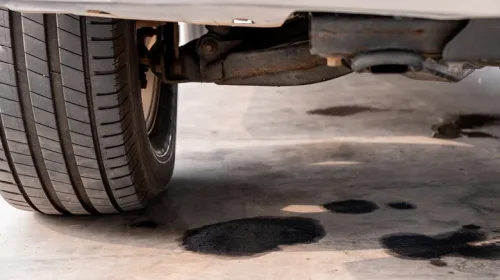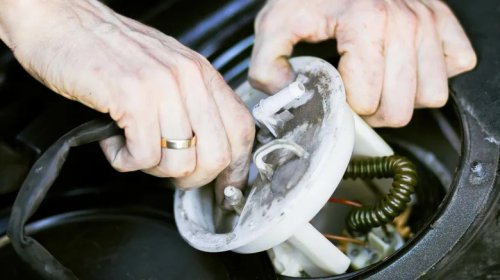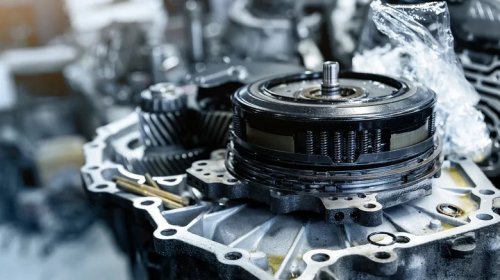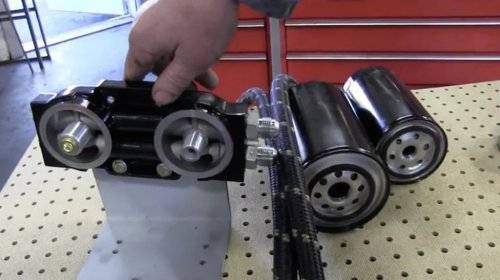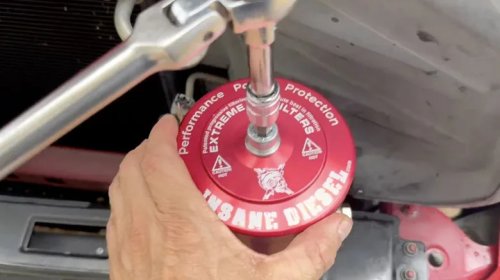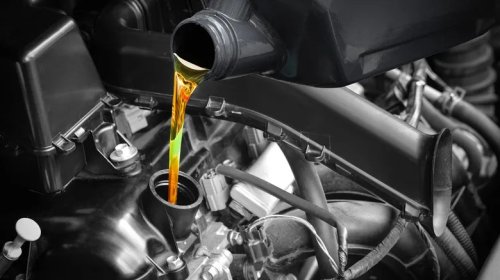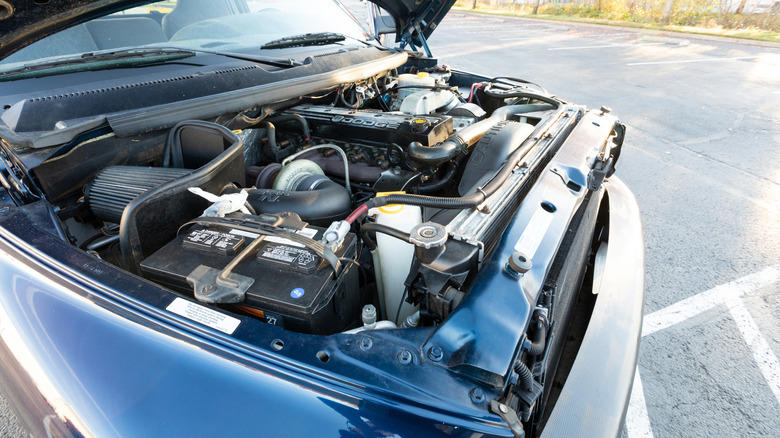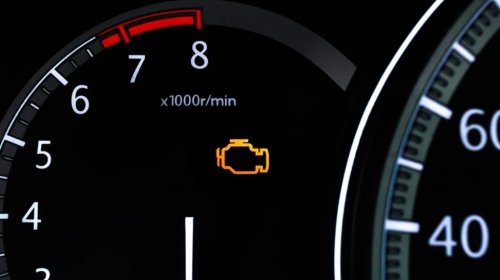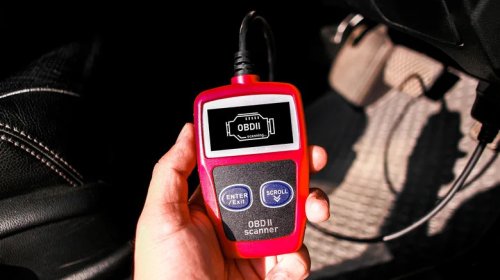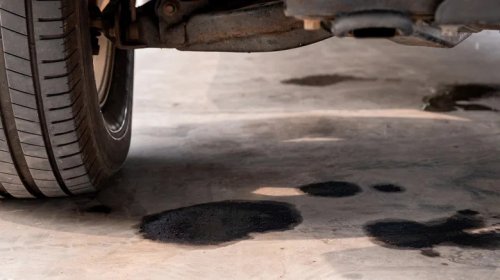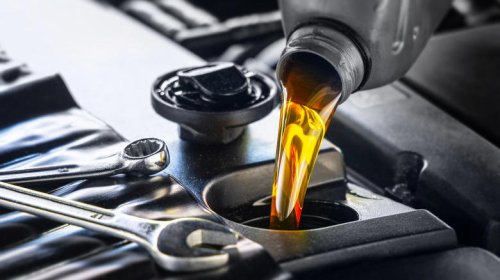
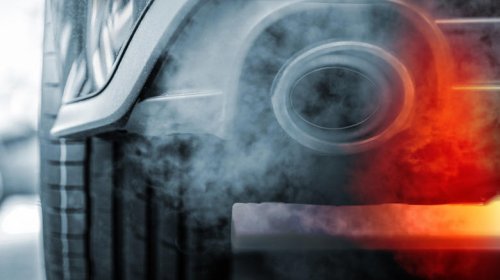
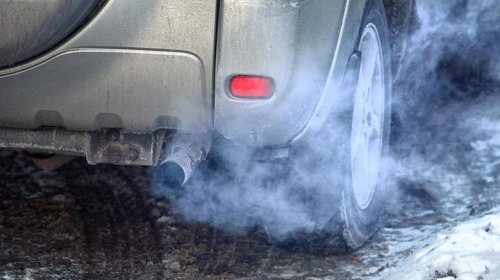




















Heavy oil consumptionOn average, diesel engines are larger in size and run hotter than their conventional counterparts. A diesel engine shines in long-haul trips, after all, so it needs more muscle and lubrication to keep up its speed and performance. That said, even a diesel engine only needs so much oil on a regular basis. If your diesel engine is chugging oil like a kid who just tasted their first soda, that's a sign something's gone wrong.Similarly to conventional engines, excessive oil consumption in a diesel engine is usually caused by a leak somewhere in the casing or components, allowing the oil to escape from the engine and enter spots where it isn't supposed to be. Not only can constantly topping off the oil be expensive, but it could be a sign of failure or wear in multiple spots, including the gasket, oil pan, oil drain plug, or oil filter.Noticeable blow-byYou know how the pistons in an engine use an air-fuel mixture to spark and push down? Sometimes, due to a lack of an airtight seal in the cylinder, a little bit of that air-fuel mixture can slip past the piston and escape into the crankcase. This can result in a distinctive sputtering sound coming from the engine, as well as a little belch of visible exhaust. This phenomenon, known as blow-by, can affect both conventional and diesel engines.A little bit of blow-by is concerning but not an immediate problem. Even a brand-new car can let a bit of gas slip sometimes. However, if your diesel engine is generating a near-constant stream of blow-by, indicated by excessive noises or exhaust, that's a sign that the internal components are in rough shape. If the cylinders, piston rings, or crankcase are all wearing out at once, there's going to be a lot of fumes belching out of the engine at once, which is neither safe nor healthy for anyone nearby.Colored smokeYou never want to see any kind of smoke coming out of your diesel engine. Even in the movies, a stream of smoke coming out from under a vehicle's hood is a surefire indicator that something bad is about to happen. It'd be bad enough if the smoke was white or black, indicating a problem with fuel processing or combustion, respectively, but the big warning sign you should be concerned about is if the smoke is colored a distinctive blue.If your diesel engine is belching blue-colored smoke, that's a sign that it's burning its oil supply in addition to its diesel fuel, likely from leftover oil residue caked along the cylinder walls. This could be a result of an overabundance of oil in the engine, as well as warping in the piston rings, valves, or cylinders. Whatever the cause, the hood of your car definitely isn't supposed to look like some kind of rave, so get that checked out right away.Loss of powerOne of the big appeals of diesel engines, particularly on vehicles like long-haul trucks, is that their power output is generally higher than that of a conventional engine. However, over time, that power output can slowly start to wane to the point that the engine may not be able to move its housing under its own power. This is a common characteristic of an old, outdated diesel engine, though the problem can also manifest in newer engines under the right circumstances (or, rather, the wrong circumstances).The linchpin to a diesel engine's signature power is the quality of its fuel. Diesel fuel can contain various impurities and debris, more so than regular gasoline, which can inhibit an engine's regular functions. Normally, these impurities are filtered out by the fuel filter, but if the filter is clogged or damaged, then all of that loose gunk ends up in the engine and throws the whole process out of whack. You can experience a similar loss of power if the exhaust pipe or air filter is clogged.