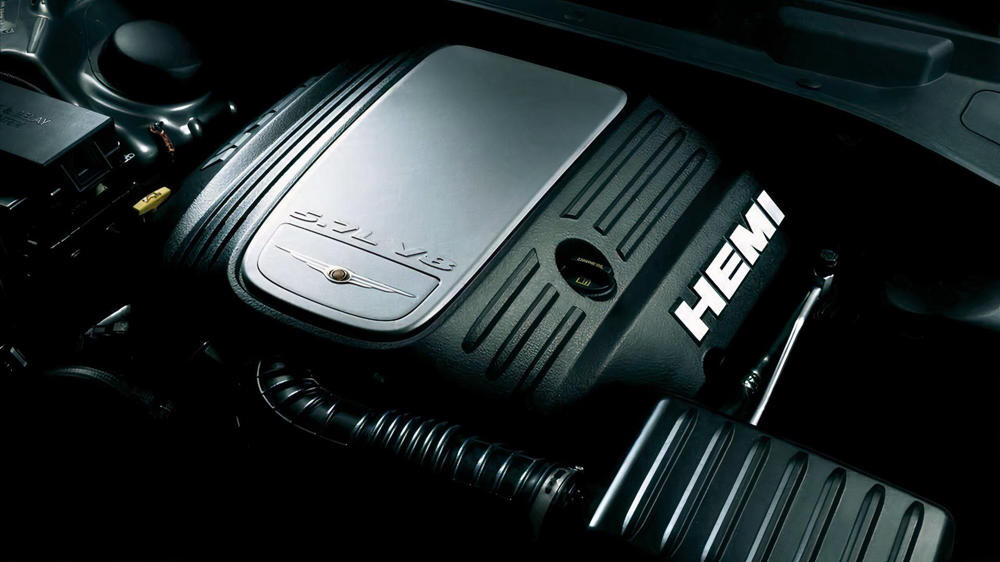
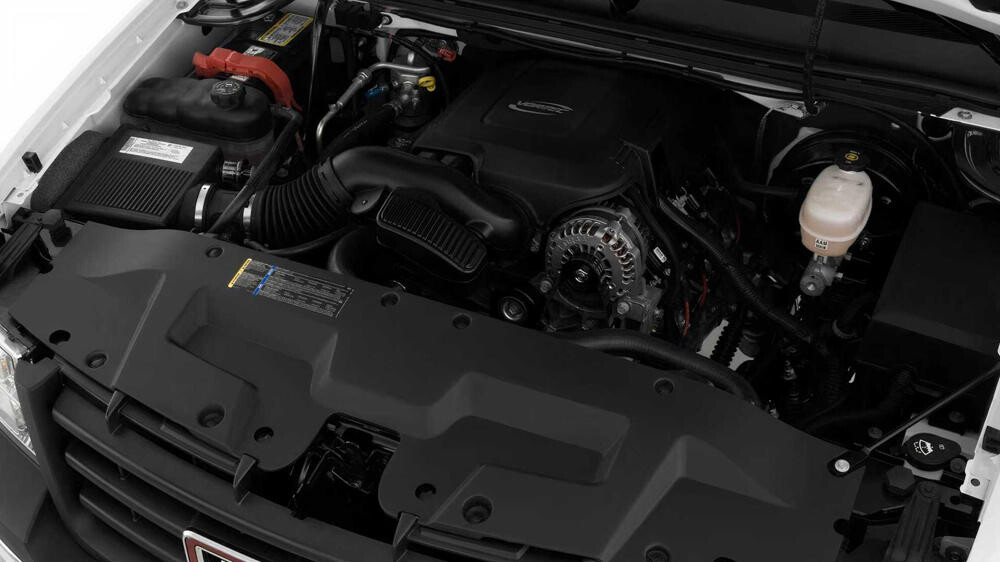
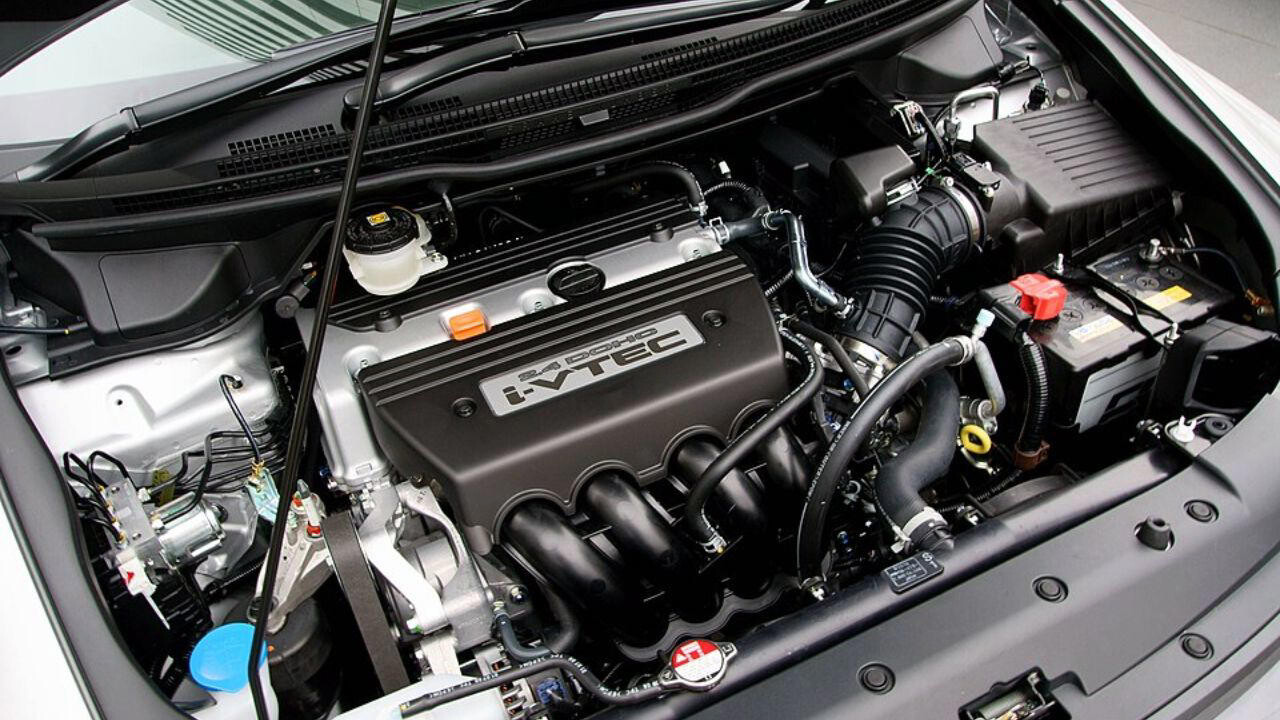
Big engines can use a lot of fuel, and quite a few automakers have tried to mitigate that thirst throughthe use of cylinder deactivation. The tech works by typically shutting down anywhere between two and four cylinders during low-load operation, allowing the engine to use less gasoline while maintaining a set speed, such as during highway cruising. Arguably, the most notable users of cylinder deactivation tech have been General Motors, Chrysler, and Honda. All three utilized very different approaches, but the end result was largely the same: a certain number of cylinders are shut down when not needed. However, all three methods have been known to suffer from a wide range of issues, including lifter ticks, excessive camshaft wear, misfires, and oil consumption. GM's Variable Displacement-Bred Lifter Issues Became A Major Liability In 2005, General Motors released its own variable displacement tech called Active Fuel Management (AFM). The system can deactivate four cylinders in certain V8 applications depending on engine load and vehicle speed. It uses oil-controlled hydraulic lifters that are designed to collapse, forcing certain valves to remain closed, effectively rendering a cylinder inactive while the engine is still running. However, these lifters have a tendency to remain collapsed. Currently, a GM service bulletin – 15-06-01-002 – pinpoints collapsed or seized lifters as the likely culprit behind a rash of misfires, valvetrain ticking noises, and the P0300 check-engine diagnostic code. As for what causes the lifters to become stuck, the most probable cause is a damaged internal locking pin, used to secure the lifter in place when the AFM is activated. The pin can become damaged due to oil aeration. There are other potential causes as well. One such issue may lie within the AFM-equipped engine's camshaft, as excessive wear has been identified on some engines bearing the issues. Lifter rollers have been cited, as well, along with pushrods. But collapsed lifters are only the beginning – the thermal and chemical chaos that cylinder deactivation creates inside a running engine is an entirely different category of damage. Deactivated Cylinders Become Oil Traps – And Honda's VCM Made It Worse The collapsed lifters in GM's AFM engines are only part of the story – the act of deactivating a cylinder creates thermal and pressure conditions that damage engines in ways most owners never anticipate. When a certain number of cylinders are shut down in a running engine, its thermal properties and other characteristics are disrupted. The cylinders that are shut down are exposed to lower temperatures and different pressures, which can alter how the engine's oil is circulated. Additionally, engine oil can more easily be blown past the piston rings in a deactivated cylinder. Research conducted on the subject found that low-pressure cylinder vacuum – experienced during cylinder deactivation – can draw more oil and crankcase vapor into the combustion chamber than an activated cylinder. Because the cylinder is shut down and not producing combustion, carbon buildup can also become a problem. Honda experienced a similar issue, albeit with a slightly different outcome. The Japanese automaker's VCM system had an issue with spark plug fouling, wherein an excessive amount of engine oil would accumulate on the spark plug's tip. This was caused by poor piston ring seals and low-vacuum draw forcing oil into the combustion chamber. The resulting symptoms could be felt as misfires, as the spark plug was not firing correctly. To try and rectify some of the issues, Honda extended the warranty of the affected engines. Chrysler Isn't Safe From Cylinder Deactivation Follies, Either Chrysler went about deactivating its cylinders a bit differently than General Motors or Honda. Instead of using mechanical means to shut down its cylinders like GM, Chrysler created an electronically controlled mechanism that used solenoids to regulate oil flow to special lifters for its MDS system. Once activated, said lifters would cease opening valves, much like GM's AFM. The MDS setup had its own set of issues, too. There are numerous documented cases of seized lifter rollers, which would stop rotating against the engine's camshaft. In turn, the cams would become scored and damaged. An NHTSA-hosted Chrysler issue-review document outlines a number of complaints wherein MDS-equipped Hemi models experienced ticking noises, misfires, and seized rollers. Excessive camshaft lobe wear was cited, as well. The Automotive Engine Rebuilders Association (AERA) has an extensive profile on the MDS-equipped Hemi engines. In it, AERA describes the MDS failures in detail, and it also outlines the components one would need to delete the system entirely. It is no easy task, as components such as the camshaft and lifters need to be replaced. This can be bypassed by using an aftermarket ECU tune, although some models will require the ECU itself to be sent out for a custom tune. The Fuel Savings Came With A Big Mechanical Price In theory, cylinder deactivation technology sounds genuinely clever. On one hand, drivers can access all the power of a V6 or V8 whenever needed. On the other hand, fuel can be saved when the engine's full output is not needed. Of course, Toyota Prius-level fuel economy is not on the table, but every mile per gallon counts. However, none of the three methods of cylinder deactivation discussed here came without significant downsides. GM's AFM and Chrysler's MDS were extremely prone to oil-controlled lifter issues and seizures, which introduced additional serious mechanical failure points. Honda's VCM had a knack for misfiring and excessive oil consumption. Most owners whose engines feature some form of cylinder deactivation technology are eager to have it deleted. Typically, this is achieved through ECU flashes and tunes. Even with software deactivation, certain hardware remains in the engine, potentially causing further damage if left unchecked. A complete hardware conversion is always recommended, but you'll need to have the funds available to do it. Currently, many automakers still produce models with cylinder deactivation tech. What's worse, nearly all of them are unable to be turned off without an ECU flash or hardware replacement – you can thank CAFE standards for that. Those who lived with older iterations of cylinder deactivation quickly found that while the technology promised modest savings at the pump, it could also wreak havoc on their wallets at the shop. Sources: AERA, NHTSA, SlashGear,Engine Professional Magazine.

 Liked by Logan Harris, Camille Brown










 Liked by Logan Harris, Camille Brown