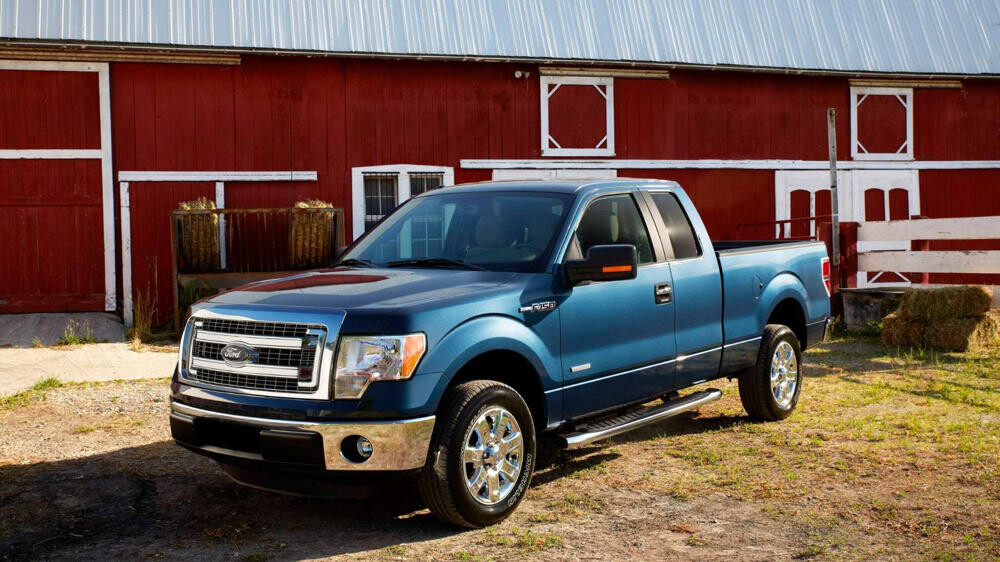
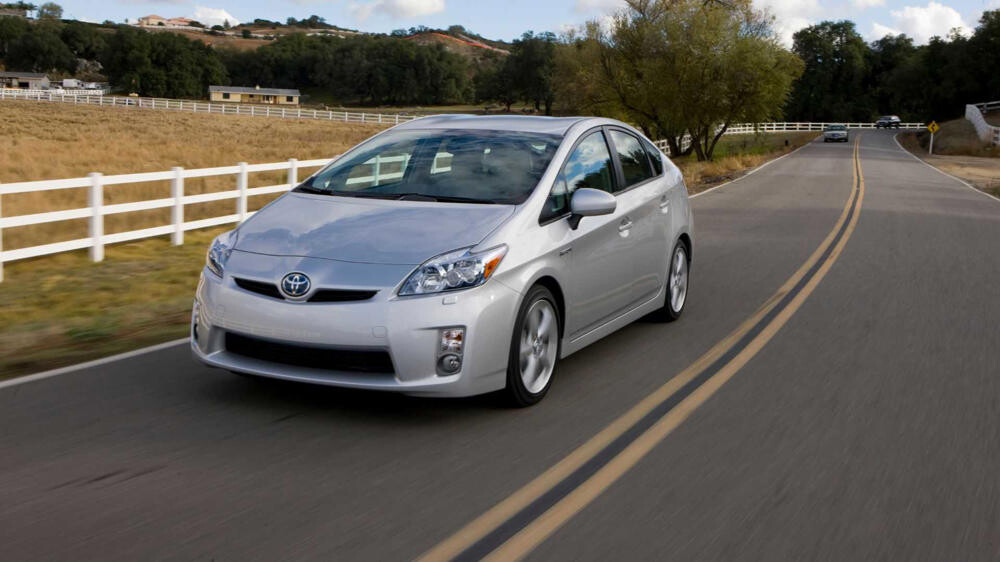
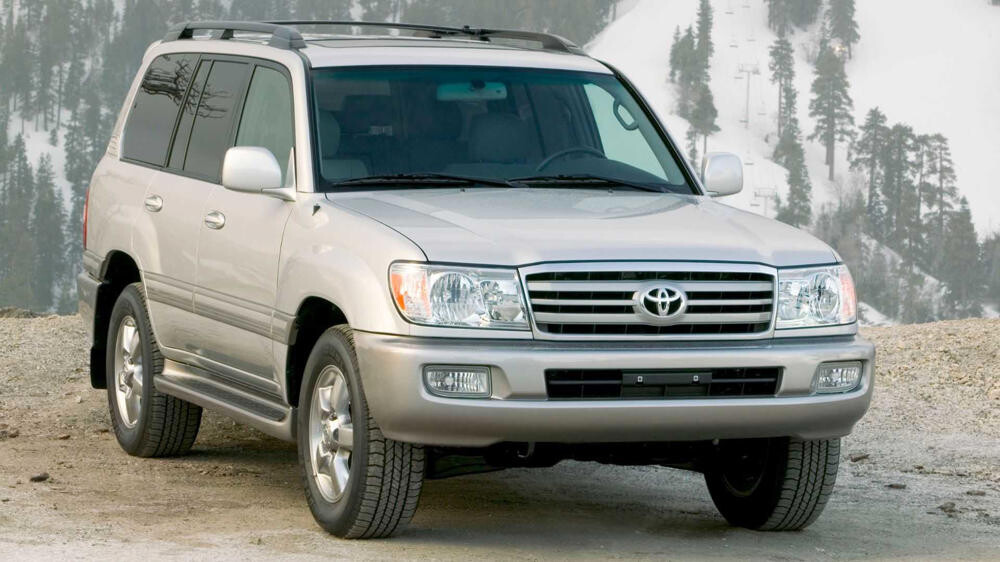
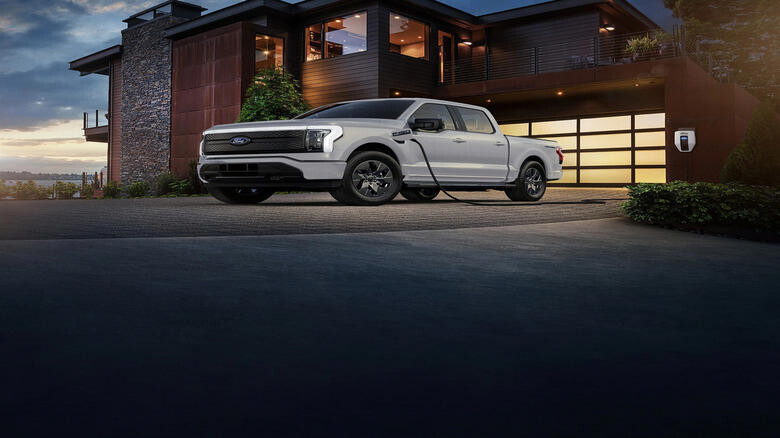
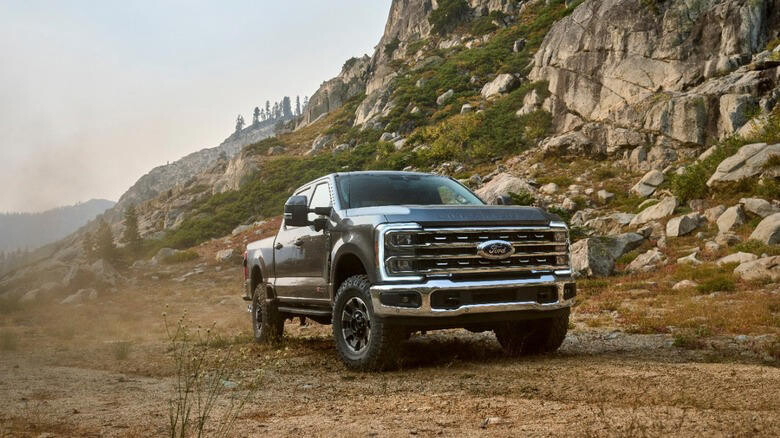
Canada’s automotive industry is facing a difficult divide as trade negotiations with U.S. President Donald Trump regain momentum. Ford, General Motors and Stellantis are pressing Ottawa to secure tariff relief quickly, arguing that further delays could threaten manufacturing jobs and investment. Honda and Toyota, however, are urging caution, concerned that accepting unfavourable terms could weaken Canadian production for years. The disagreement reflects the different economics of building vehicles in Canada, from pickup trucks and compact cars to cross-border supply chains and manufacturing costs. With Washington threatening even higher tariffs in 2027 and Prime Minister Mark Carney insisting on protecting Canada's automotive future, negotiators face a difficult question: Is immediate relief worth accepting a deal that could leave Canadian factories at a lasting disadvantage? The Detroit Three Want a Deal Before More Damage Is Done For Ford, General Motors and Stellantis, the argument for speed begins with the cost of uncertainty. Their industry association, the Canadian Vehicle Manufacturers’ Association, has called for urgent relief from U.S. tariffs rather than waiting for a future American administration to change course. A tariff can be manageable for a few shipments and still undermine a factory’s long-term business case. Companies must decide years ahead where to install equipment, launch new models and place orders with suppliers, even as the trade rules remain unsettled. That is why the Detroit Three appear prepared to accept a meaningful reduction in duties now and continue negotiating technical improvements afterward. A 15% headline rate, for example, would be lower than the existing 25% levy on Canadian-made vehicles, with deductions for qualifying U.S. content potentially reducing the actual bill further. The companies are not saying that tariffs are desirable. Their calculation is that waiting for perfect terms could cost Canada production commitments that cannot easily be recovered once investment moves elsewhere. Honda and Toyota Fear a Deal That Could Age Badly Honda and Toyota see a different danger: a hurried agreement that makes Canadian factories permanently less attractive than American ones. Their representative, the Pacific Manufacturing Association of Canada, has argued that relief must be sustainable, not merely better than today’s tariffs. Both manufacturers support a negotiated settlement. The disagreement concerns whether Ottawa should accept a rate that could leave Canadian-made vehicles at a disadvantage long after the immediate political dispute fades. Their exposure is considerable. Government figures show Toyota accounted for roughly 44% of Canadian vehicle production in 2025, while Honda contributed about 33%. The companies assemble high-volume family vehicles such as the Toyota RAV4 and Honda Civic and CR-V, many intended for U.S. buyers. For an assembly plant built around large production runs and competitive pricing, even a relatively small additional cost per vehicle can change investment decisions. Their warning is that a rushed deal could protect shipments today while weakening the case for the next generation of Canadian-built models. The August Tariff Proposal Explains the Disagreement The dispute traces back to a proposed Canada–U.S. agreement that collapsed in August 2026. Negotiators had discussed cutting Washington’s headline tariff on Canadian passenger vehicles from 25% to 15%, while preserving a deduction for qualifying American-made content. Tariffs on steel and aluminum were also part of the package. Those terms promised noticeable relief for companies exporting vehicles south, but they did not restore the tariff-free environment that had supported North American automotive investment for decades. Canada withdrew from the talks on August 21 after last-minute disagreements, including whether medium- and heavy-duty trucks would receive comparable relief. American and Canadian accounts of how that dispute emerged differed, and the complete proposed agreement was never publicly finalized. The practical result was clear: the reductions did not take effect, and manufacturers continued operating under the higher duties. Now that discussions have resumed, the same proposal serves as a reference point—and a reminder that a lower tariff is not necessarily an acceptable long-term settlement. Why Pickup Trucks Became a Major Sticking Point A major obstacle in August was the treatment of larger pickup trucks, not simply the headline tariff on passenger cars. Ottawa wanted relief broad enough to protect Canadian production of vehicles such as Ford’s Super Duty pickups in Oakville and Chevrolet Silverados assembled by General Motors in Oshawa. Washington resisted extending the proposed reduction to all medium- and heavy-duty categories. For Canada, accepting a lower rate that left significant truck production exposed risked creating winners and losers within the same industry. The distinction can sound bureaucratic, but customs classifications affect real manufacturing decisions. Not every pickup is treated alike for tariff purposes, and the eligibility of a particular model can depend on its specifications and classification. Industry sources have suggested that some Oshawa-built Silverados would have qualified for the lower passenger-vehicle rate, while other trucks would not. That leaves negotiators examining technical possibilities, including which tariff codes a deal would cover. Workers assembling otherwise similar trucks could face very different outlooks depending on the wording of the final agreement. American-Made Parts Can Change the Real Tariff Bill A 25% tariff does not always mean that an automaker pays 25% of a Canadian-built vehicle’s entire value. Under the existing rules, qualifying vehicles receive an exemption for their U.S.-made content. Canadian government briefing material has used approximately 50% American content as an industry-wide reference point, implying an effective tariff of roughly 12.5% when the headline levy is 25%. Individual vehicles can differ substantially, however, and the exact calculation depends on verified content and customs treatment. Consider a hypothetical vehicle with a customs value of $50,000, half of it qualifying as U.S. content. At a 25% rate applied to the remaining half, the tariff would be $6,250. Reducing the headline rate to 15% would cut that amount to $3,750—a $2,500 difference on one vehicle. The example is illustrative rather than a manufacturer-specific estimate. It helps explain why negotiations over what counts as American content, including possible changes to valuation rules, may matter almost as much as the advertised tariff percentage. Different Vehicles Give Automakers Different Financial Cushions The five automakers also face different economics because they build different kinds of vehicles in Canada. Ford’s Canadian assembly operations now focus on larger Super Duty pickups, while GM builds Silverados in Oshawa. Honda produces Civics and CR-Vs in Alliston, and Toyota manufactures RAV4s and Lexus SUVs in Ontario. Their production volumes, vehicle prices, supply chains and potential margins vary, so the same tariff formula does not create the same financial pressure for every company. Larger pickups can generate stronger per-vehicle margins than many compact cars, giving some manufacturers more room to absorb import duties before a model becomes uneconomic. That does not make truck tariffs harmless, especially when a particular truck category is excluded from relief. Conversely, a high-volume compact or family SUV can be highly successful while operating on thinner margins. For Ottawa, this means there is no single tariff rate that every manufacturer experiences equally. Negotiators must consider the products behind the numbers, not just the average duty facing the industry. Ottawa’s Proposed Import Credit System Creates Another Divide A separate Canadian policy proposal has sharpened the divide. Ottawa has consulted on a tradeable import credit system that would reward automakers for producing and investing in Canada. Companies earning more credits than they needed could sell the surplus to manufacturers seeking relief from Canadian counter-tariffs on vehicles imported from the United States. Unlike the U.S. duties being negotiated, these credits would operate within Canada’s own tariff-remission framework, making them a distinct tool for supporting domestic production. Honda and Toyota have backed the concept because their Canadian factories build substantially more vehicles than the companies sell in the Canadian market. That could leave them with valuable credits to trade. Ford, GM and Stellantis, whose Canadian sales exceed their domestic production, have opposed the proposed change. The government held consultations from February 27 to April 13, 2026, but had not implemented the tradeable system by mid-November. The debate highlights another challenge: a policy designed to protect Canadian manufacturing can redistribute costs among the very companies Ottawa wants to keep investing. Ford’s Oakville Restart Shows Why Tariff Relief Matters Ford’s reopened Oakville assembly complex illustrates why an agreement matters beyond trade statistics. After a lengthy retooling, the Ontario plant resumed building F-Series Super Duty pickups for North American buyers. Ford reported 3,488 trucks produced there in October 2026, and roughly 2,000 workers had returned as operations ramped up. Federal records describe a project intended to support annual production of as many as 100,000 trucks, backed by a government contribution agreement valued at $464.5 million. For workers returning to an assembly line, those figures represent paycheques, renewed routines and a reason to plan beyond the next few months. But a factory that depends heavily on U.S. customers cannot ignore the border. The Oakville trucks also draw on a continental supply network, including engines produced at Ford’s Windsor operations and elsewhere in North America. Reopening the plant demonstrates Ford’s commitment to Canadian capacity; it does not guarantee that capacity will remain competitive if tariffs become a permanent feature of every shipment. Honda’s $867 Million Investment Raises the Stakes in Alliston Honda’s latest investment sends an equally important signal from the other side of the debate. On November 13, Ottawa announced $313 million in federal support for Honda’s $867 million plan to modernize its Alliston operations, with Ontario adding $156 million. The project is intended to support future Civic and CR-V production, expand electrified-vehicle manufacturing and maintain more than 4,000 jobs. Government projections put potential annual output at up to 400,000 vehicles once the facilities are equipped for the next phase. That investment helps explain why Honda is unwilling to treat a lower tariff as the whole solution. Equipment upgrades, employee training and new vehicle programs are commitments measured in years, not election cycles. A family SUV that rolls off an Alliston line may be bound for an American driveway, but the decision to build its successor in Ontario depends on the total cost of producing it there. Honda’s position is therefore less about resisting compromise than ensuring that Canadian manufacturing remains viable after the immediate crisis passes. Stellantis’ Brampton Plant Dispute Reveals the Human Cost Stellantis offers a more troubling picture of what manufacturing uncertainty can mean. The company announced an agreement on November 9 to sell its idled Brampton assembly plant to Canadian armoured-vehicle maker Roshel, after shifting planned Jeep Compass production to Illinois. More than 2,000 workers have been affected by the loss of the planned automotive program. Roshel has discussed potential industrial uses for the site, but a new owner does not automatically restore the same assembly jobs, contracts or production volumes. The sale has also triggered a dispute over public money and corporate commitments. Ottawa had pledged up to $529 million in 2022 to support retooling at Stellantis facilities in Brampton and Windsor. On November 12, Industry Minister Mélanie Joly issued a notice alleging breaches of the funding agreement and gave the company 30 days to address them. Stellantis has offered to repay $24 million tied to Brampton’s original plan. For families awaiting clarity, these negotiations are about employment and accountability as much as customs duties. January’s Tariff Deadline Could Force a Difficult Decision The pressure on all sides is intensifying ahead of January 1, 2027, when Trump has threatened to raise tariffs on Canadian autos and related products to 50%. That increase was still a prospective measure as of November 14, not an already-applied duty on every Canadian-built car. Nevertheless, companies considering future production assignments must take the possibility seriously. A prolonged stalemate could force more difficult decisions before either government knows whether a compromise is achievable. Carney said on November 14 that conversations with Trump had produced progress, but no agreement. He also said Canada would not accept terms inconsistent with a viable domestic auto industry. Negotiators must therefore bridge two legitimate but competing industry concerns: immediate relief for manufacturers worried about losing production now, and durable rules for those worried about losing competitiveness later. The larger North American trade agreement remains in force even though Washington declined to renew it unchanged during its 2026 review. What Canada secures next could influence factory investment well beyond the looming tariff deadline.


 Liked by Mia Macdonald, Liam Smith




















 Liked by Mia Macdonald, Liam Smith