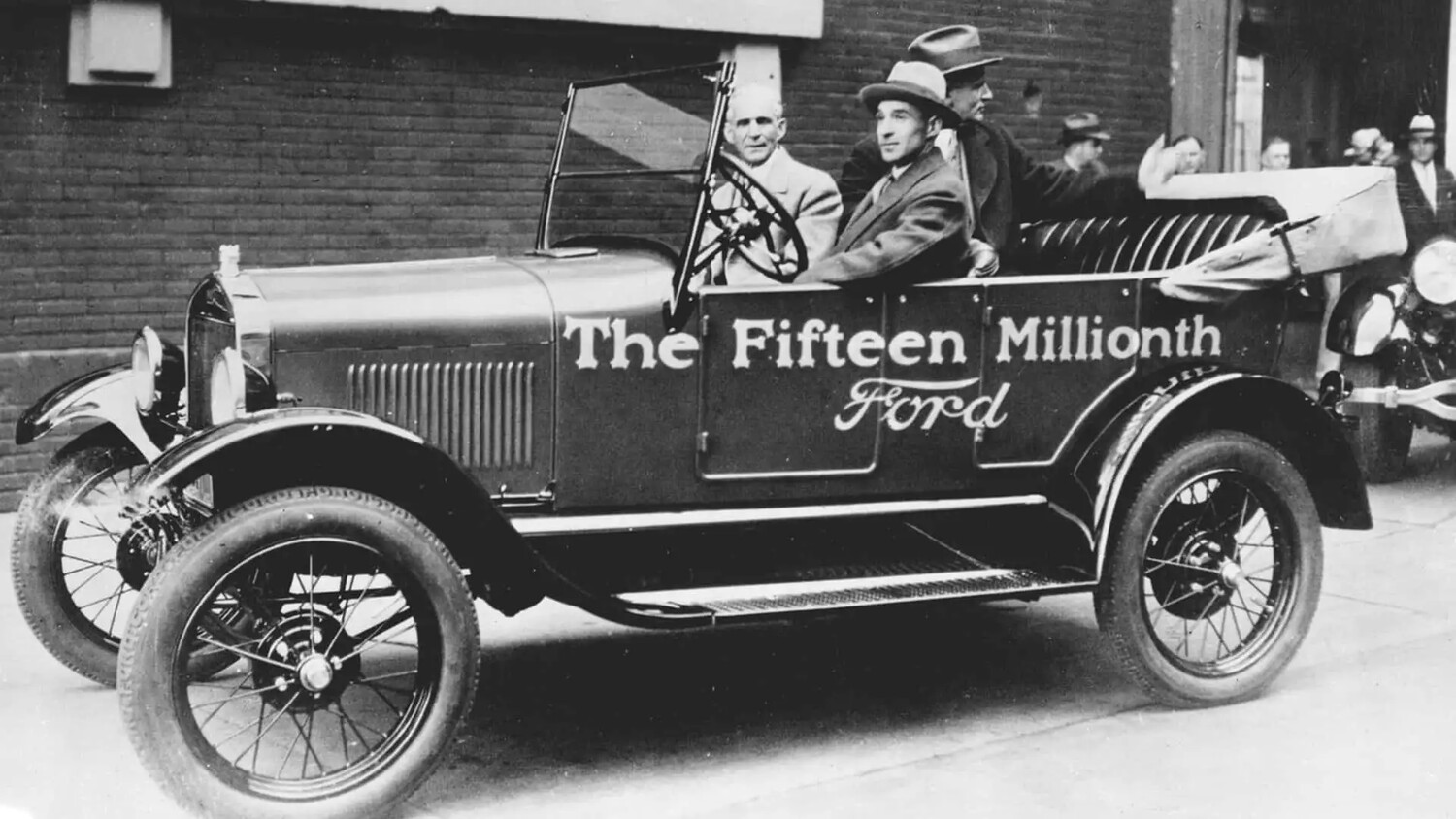
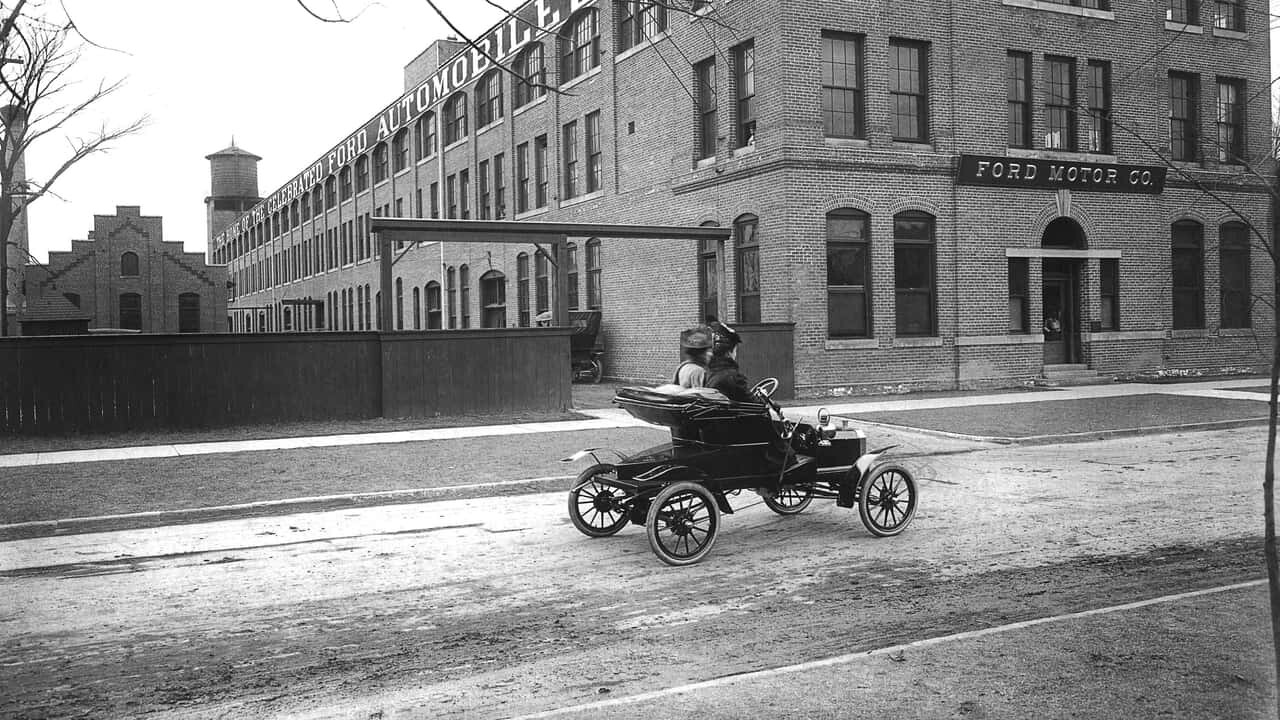
Some cars become famous because of their speed, others because of their beautiful designs or groundbreaking technology. But every once in a while, a car comes along that does something far more important: it changes the automotive industry forever. It influences how cars are built, how people travel, and even how society is organized. These are the vehicles that deserve a place in automotive history. One car, in particular, helped make personal transportation accessible to millions of ordinary people. It wasn't particularly luxurious, powerful, or sophisticated, but its impact was enormous. When it arrived, the automobile was still considered a privilege for the wealthy. By the time it disappeared, the world had changed. This is the story of the Ford Model T, the car that changed everything. Before The Model T, Cars Were a Luxury At the beginning of the 20th century, owning an automobile was something most people could only dream about. Cars were expensive, complicated machines, often produced in relatively small numbers and aimed primarily at wealthy customers. Manufacturing methods were inefficient, production costs were high, and maintaining an automobile could be a challenge. For most families, horses and horse-drawn carriages remained the practical way to get around. Henry Ford believed there was another possibility. Instead of building expensive automobiles for a small group of customers, he wanted to create a dependable, affordable vehicle that ordinary Americans could purchase. It was a simple idea, but one that would eventually transform the entire industry. The 1908 Ford Model T Changed the Game Introduced on October 1, 1908, the Ford Model T represented a different approach to automobile manufacturing and ownership. It was designed to be practical, relatively simple to maintain, and capable of handling the rough roads of the era. Its lightweight construction, straightforward mechanical layout, and affordable price made it particularly appealing to buyers who had never considered owning a car. The Model T wasn't intended to impress people with extravagant features. Its greatest selling point was accessibility. Ford understood that the automobile's future depended on reaching a much larger audience. And the Model T became the vehicle that helped make that possible. The Assembly Line Revolutionized Car Manufacturing The Model T's success wasn't just about its design. The real revolution happened inside Ford's factories. In 1913, Ford introduced moving assembly-line production for automobile manufacturing at its Highland Park plant in Michigan. Instead of having workers assemble an entire vehicle, the production process was divided into individual tasks. This dramatically improved efficiency, reduced manufacturing time, and helped lower the price of the Model T. According to the Library of Congress, the new moving assembly line enabled workers at stationary workstations to increase daily production from hundreds to thousands of cars. What took workers 12.5 hours to assemble was reduced to just 93 minutes. Furthermore, mass production of the Model T allowed Ford to cut costs significantly, and pricing reflected that. In 1908, the Model T was priced at $850, but by 1914 it sold for $490, and by 1924 the price had dropped to $260 (around $5,100 in today's money). The benefits were enormous: Production became significantly faster and more consistent. Manufacturing costs decreased, making cars more affordable. Ford could produce vehicles in much greater numbers. Other automakers eventually adopted similar mass-production techniques. The assembly line didn't just change Ford. It helped establish the manufacturing model that would influence industries around the world. The Model T Changed More Than Just The Automotive Industry As the Model T became more affordable, car ownership expanded rapidly. People were no longer limited to traveling within walking distance or relying on public transportation and horse-drawn vehicles. The automobile gave families greater freedom, helped businesses reach new markets, and made rural communities more accessible. Its influence also extended into everyday life. Roads improved, gas stations became increasingly common, and businesses such as roadside restaurants, motels, and automotive repair shops began to flourish. By the time production ended in 1927, Ford had manufactured more than 15 million Model Ts. That number tells only part of the story. The Model T helped establish the automobile as an essential part of modern life, creating expectations about personal mobility that still shape the world today. Enthusiasts' Take On The Car That Changed Everything Reddit users have plenty to say about the Ford Model T's place in automotive history. In a discussion on r/regularcarreviews, users highlighted Ford's decision to mass-produce the Model T, making car ownership accessible to ordinary people. Others pointed out that Ford refined, rather than invented, the assembly line. A similar conversation on r/todayilearned explored the manufacturing inspiration behind Ford's revolutionary production process, including the influence of meatpacking facilities. Meanwhile, users in r/classiccars nominated several other influential vehicles, including the Volkswagen Beetle, Toyota Corolla, Austin 7, and the original Mini. The discussions highlight an interesting point: there isn't necessarily one car that changed everything. However, the Model T has a particularly strong claim because it transformed not only how cars were manufactured, but also who could afford to own one. Its influence went far beyond the automotive industry. A Legacy That Still Influences Modern Cars More than a century after its introduction, the Ford Model T remains one of the most influential vehicles ever produced. Today's cars are almost unrecognizable compared with the basic Model T. We have electric powertrains, advanced driver-assistance systems, sophisticated infotainment technology, and increasingly automated manufacturing processes. Yet the fundamental idea behind the Model T remains relevant: making transportation practical, reliable, and accessible to as many people as possible. What do you think? The automotive industry is now experiencing another major transformation, driven by electrification, software, artificial intelligence, and autonomous technology. The next revolutionary vehicle might look nothing like the Model T, but its impact could be just as significant. The Ford Model T wasn't the fastest car of its time, nor was it the most luxurious. It didn't need to be. It changed how cars were manufactured, who could afford them, and how people experienced the world around them. Some cars make history, but the Ford Model T helped shape the modern world.