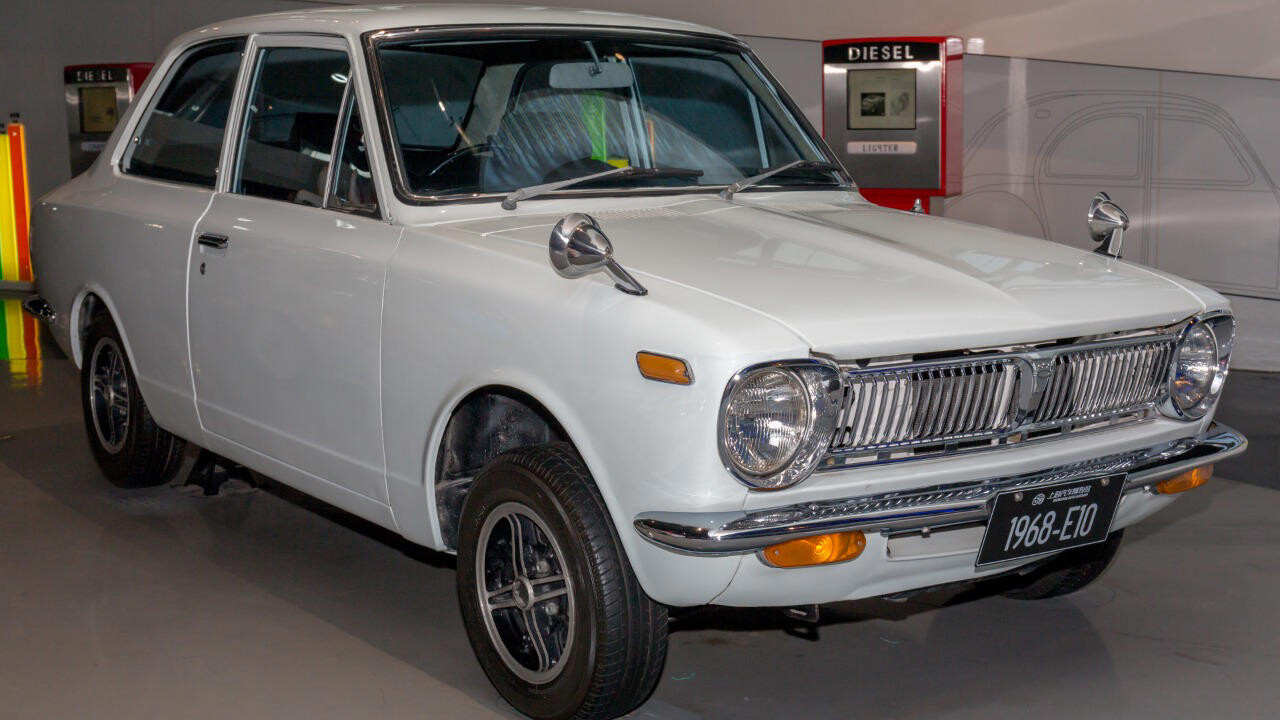
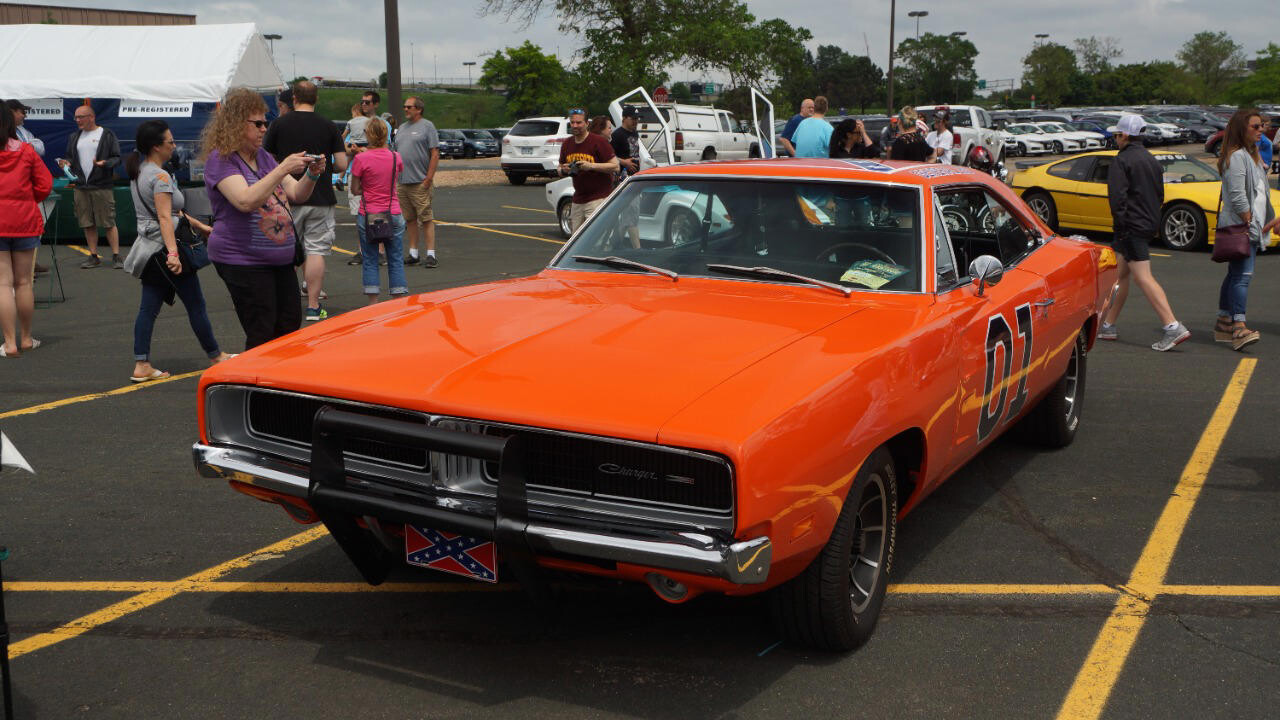
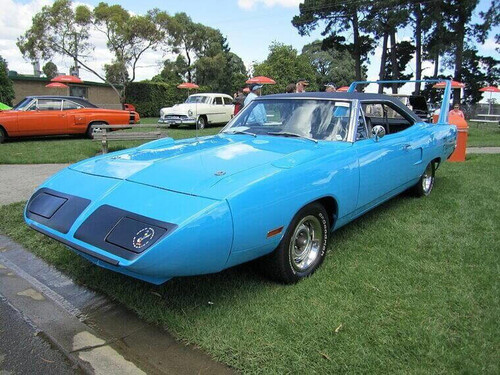
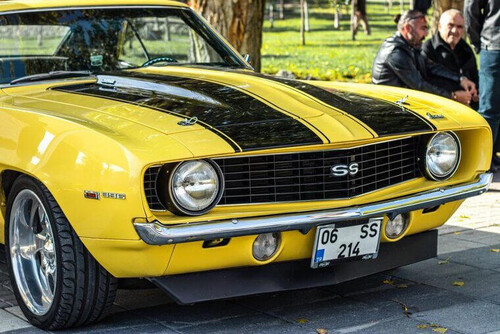
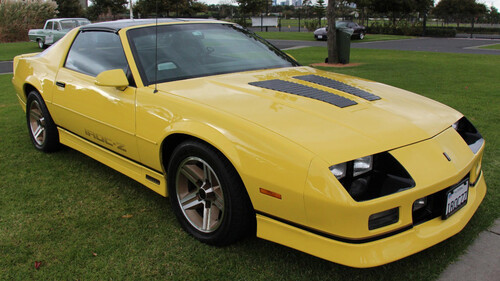
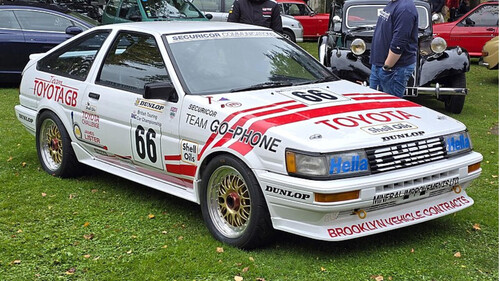
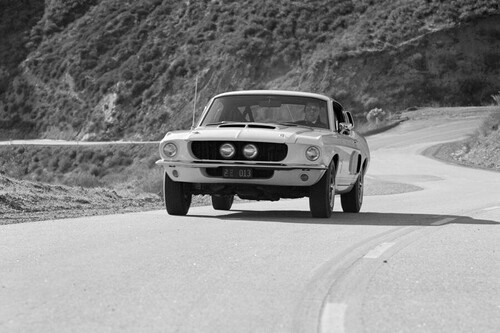
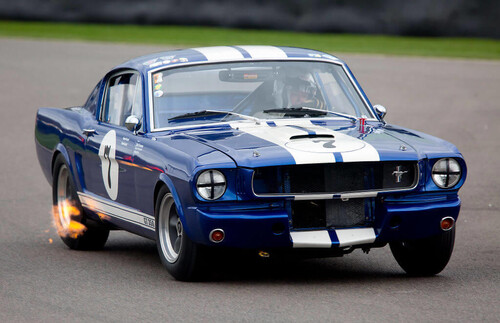
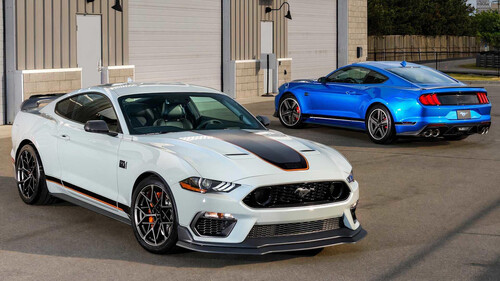
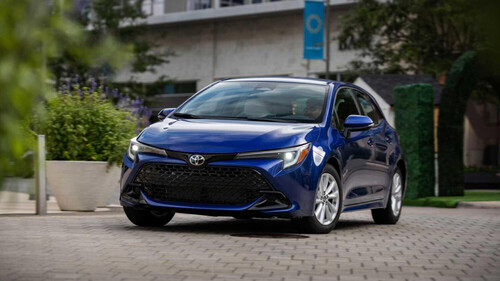
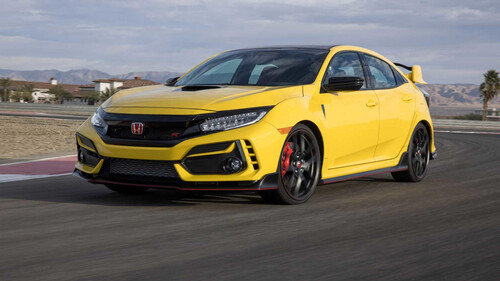
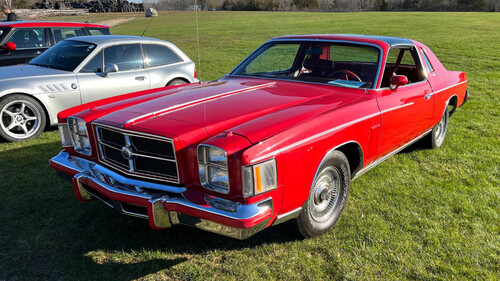
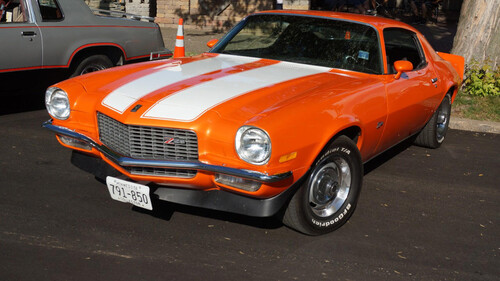
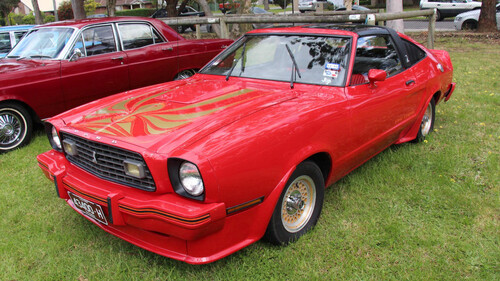
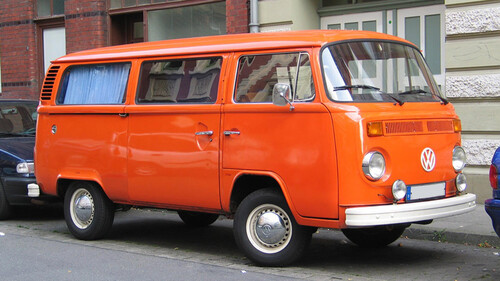
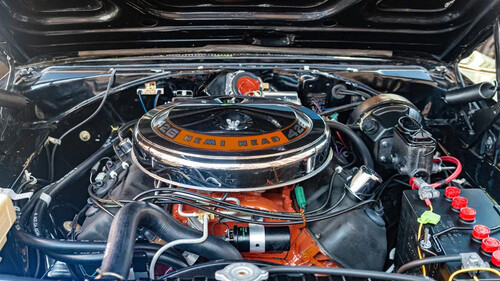
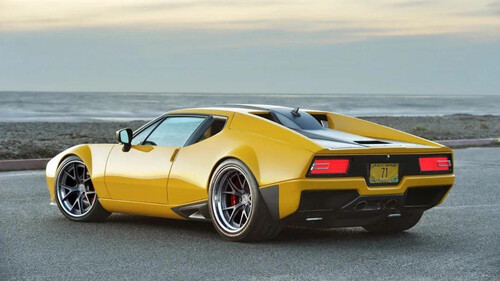
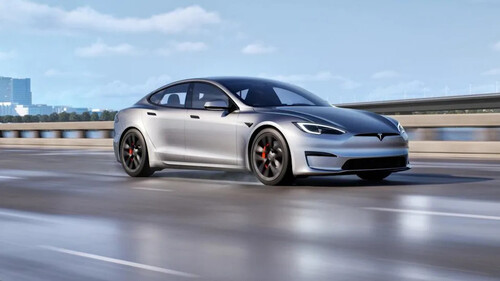
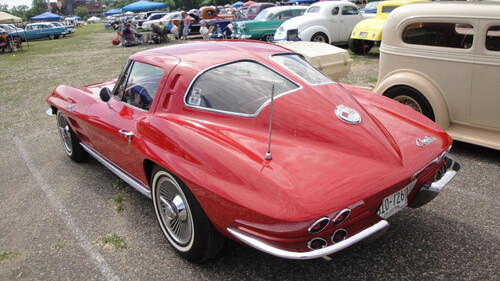
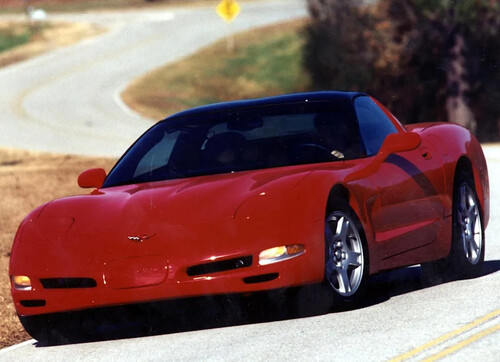
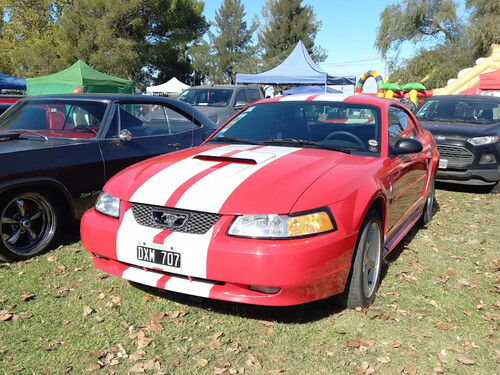
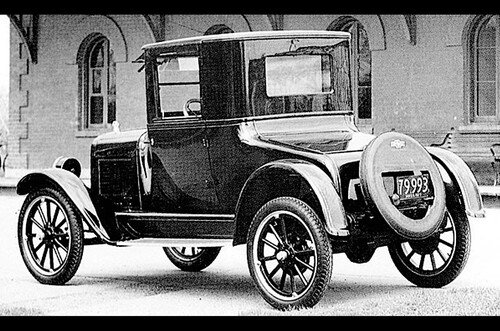
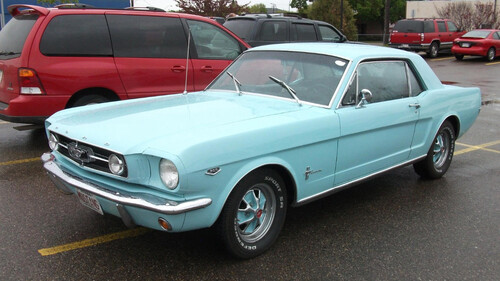
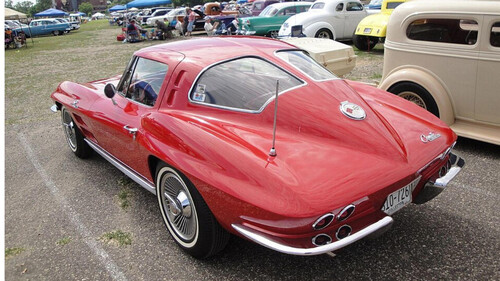
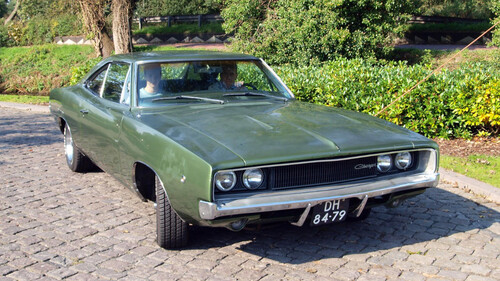
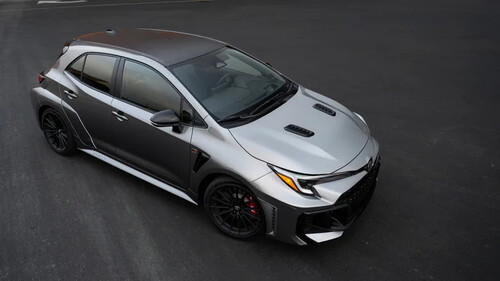
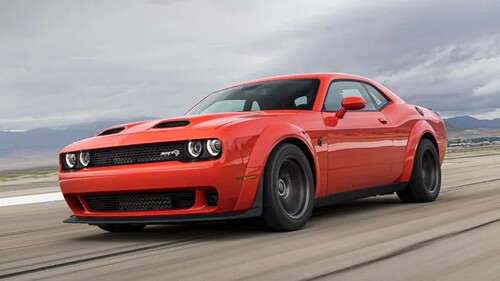
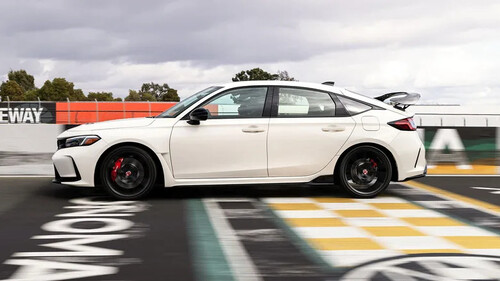
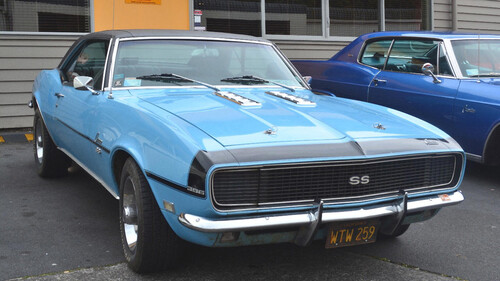
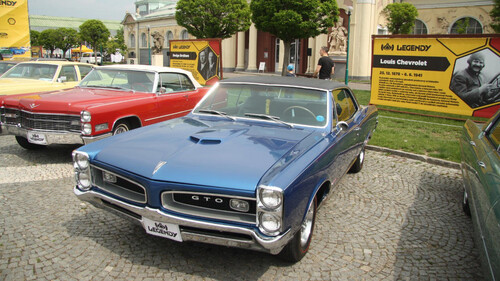
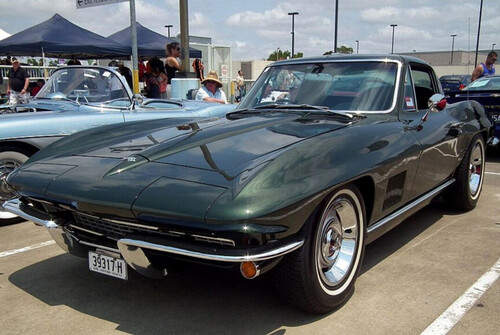
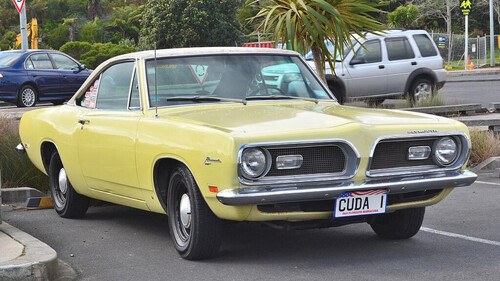
The evolution of the American automobile reflects broader cultural, economic, and social changes throughout the decades. From the early 20th century to the present day, certain collector cars have emerged as icons, representing the aspirations and challenges of various eras. Here’s a look at ten collector cars that encapsulate the story of a changing America.Model T Ford (1908) – The Birth of the American AutomobileThe Ford Model T, introduced in 1908, revolutionized personal transportation and laid the groundwork for the automotive industry in America. As the first mass-produced car, it made automobile ownership accessible to the average American, breaking social and economic barriers. The Model T’s affordability, thanks to Henry Ford’s innovative assembly line production techniques, allowed families to travel greater distances, fostering a sense of freedom and mobility that had never been seen before. It marked the dawn of a new era where cars became a staple of American life. Moreover, the Model T embodied a shift in American values, emphasizing individualism and independence. As more people embraced the open road, the nation began to see the development of infrastructure, including asphalt roads and gas stations. The impact of the Model T on American culture and industry was profound, paving the way for future innovations in automotive design. Its legacy continues to influence car manufacturers and collectors alike, solidifying its status as a symbol of the American Dream. For more on this revolutionary vehicle, check out this comprehensive book.Chevrolet Bel Air (1955) – The Rise of the Suburban DreamThe Chevrolet Bel Air, particularly the 1955 model, symbolizes the post-war prosperity of the 1950s and the rise of suburbia in America. With its sleek design and powerful V8 engine, the Bel Air became a favorite among families and young drivers alike. This car is often associated with the idealized suburban lifestyle, representing both freedom and status. The mid-century modern aesthetic of the Bel Air encapsulated the optimism of the era, as families moved to the suburbs, seeking larger homes and greener spaces. This model also played a crucial role in the cultural landscape of the time, appearing in various films and popular media, further embedding itself in the American consciousness. Its distinctive two-tone color options and chrome accents made it a standout choice for those wanting to flaunt their success. Today, the Bel Air remains a sought-after collector’s item, representing a pivotal moment in American history. To delve deeper into its significance, you might find this Forbes article insightful.Volkswagen Beetle (1960s) – A Symbol of Counterculture and GlobalizationThe Volkswagen Beetle, first introduced in the 1930s but gaining immense popularity in the 1960s, represents a unique blend of counterculture and globalization. Originally conceived as an affordable vehicle for the masses, the Beetle became an icon of the 1960s counterculture movement, symbolizing peace and love. It was the car of choice for many young people during a time of significant social upheaval, aligning with the values of freedom and rebellion against traditional norms. As the Beetle made its way into American garages, it also marked the beginning of a new phase in automotive history, where foreign cars gained a foothold in the American market. Its quirky design and practicality resonated with consumers, leading to a surge in popularity that lasted through the decades. The Beetle’s legacy continues today, as it represents not just a vehicle but a cultural phenomenon that transcended borders. For a visual journey of its history, check out this documentary.Ford Mustang (1964) – The Birth of the Pony Car and Youth CultureThe Ford Mustang, launched in 1964, is often credited with creating the pony car class and epitomizing the youthful spirit of the 1960s. With its sporty design and affordable price point, it quickly became a symbol of rebellion and freedom for a generation eager to break away from convention. The Mustang’s introduction coincided with a cultural shift towards youth-oriented marketing, as automakers began to recognize the purchasing power of younger consumers. As the Mustang became increasingly popular, it also inspired a wave of similar vehicles from competing manufacturers, leading to a fierce rivalry in the automotive industry. Its presence in popular culture, highlighted in films and music, solidified its status as an American icon. Today, the Mustang remains a beloved collector car, representing not just a vehicle but a lifestyle and an era of American history that celebrated individuality and performance.Dodge Charger (1966) – Muscle Car Mania and American PowerThe Dodge Charger, introduced in 1966, is a quintessential muscle car that exemplifies American automotive power and performance. With its aggressive styling and high-performance engines, the Charger quickly established itself as a formidable contender in the burgeoning muscle car market. This era saw an increasing fascination with speed and power, and the Charger became synonymous with raw performance, appealing to enthusiasts who craved excitement behind the wheel. Throughout the late 1960s and early 1970s, the Charger found its way into popular culture, notably through its appearance in the television series “The Dukes of Hazzard.” This exposure helped cement its status as a cultural icon, while also contributing to the muscle car craze that defined the era. Today, the Dodge Charger remains a highly sought-after collector car, representing a time when American automakers focused on power and style. Its legacy endures, as it continues to inspire new generations of car enthusiasts.Plymouth Road Runner (1968) – The Affordable Muscle Car RevolutionThe Plymouth Road Runner, launched in 1968, was designed to be an affordable muscle car that appealed to a broader audience. With its simple yet bold styling and impressive performance, the Road Runner quickly gained popularity among car enthusiasts looking for power without breaking the bank. Its introduction marked a significant shift in the muscle car landscape, emphasizing value and accessibility in an era characterized by excess. The Road Runner also made its mark in pop culture with its association with the beloved cartoon character, which further endeared it to younger buyers. Its success demonstrated that high-performance vehicles didn’t have to come with a luxury price tag, making it a game-changer in the automotive industry. Today, the Plymouth Road Runner is a cherished collector car, symbolizing a time when horsepower was king and affordability was key.Chevrolet Corvette (1963) – American Performance and StyleThe Chevrolet Corvette, particularly the 1963 model, stands as a hallmark of American automotive engineering and design. Launched during a time of heightened competition among sports cars, the Corvette offered a unique blend of performance, style, and innovation. Its introduction of the split-window design not only captured attention but also showcased the advanced engineering that Chevrolet was capable of achieving. The Corvette quickly became synonymous with American performance, appealing to those who sought speed and agility. Over the years, the Corvette has evolved but has always maintained its status as a symbol of American ingenuity. It has participated in various racing events, further solidifying its reputation for performance. Today, collectors cherish the Corvette for its rich history and its representation of the American spirit of competition and innovation. To explore its evolution in depth, consider reading this detailed book.Toyota Corolla (1968) – The Shift to Japanese Automotive DominanceThe Toyota Corolla, first introduced in 1968, signifies a critical shift in the automotive industry, as Japanese manufacturers began to gain significant market share in the United States. Known for its reliability, fuel efficiency, and affordability, the Corolla quickly became one of the best-selling cars in history. Its introduction marked a turning point, as American consumers began to appreciate the value of compact cars amid rising fuel prices and changing economic conditions. The Corolla’s success paved the way for other Japanese automakers to enter the American market, leading to a broader acceptance of foreign vehicles. Today, the Corolla remains a prime example of how a car can adapt to consumer needs and market demands. Its enduring popularity is a testament to its quality and reliability, making it a sought-after model for collectors and everyday drivers alike.Honda Civic (1972) – The Rise of Fuel Efficiency and Compact CarsThe Honda Civic, launched in 1972, emerged as a response to the oil crisis and the growing need for fuel-efficient vehicles. With its compact design and economical fuel consumption, the Civic quickly gained traction among consumers looking for alternatives to larger, gas-guzzling cars. Its introduction marked a significant shift in American automotive preferences, as drivers began to prioritize efficiency over sheer size and power. Throughout the years, the Civic has evolved while maintaining its core values of reliability and affordability. It has become a favorite among urban dwellers and first-time car buyers, further solidifying its place in American automotive history. As fuel efficiency continues to be a crucial factor in car buying decisions, the Honda Civic remains a relevant choice for those seeking a practical, economical vehicle. Its lasting impact on the market makes it a noteworthy collector’s item, representing a pivotal moment in automotive history.