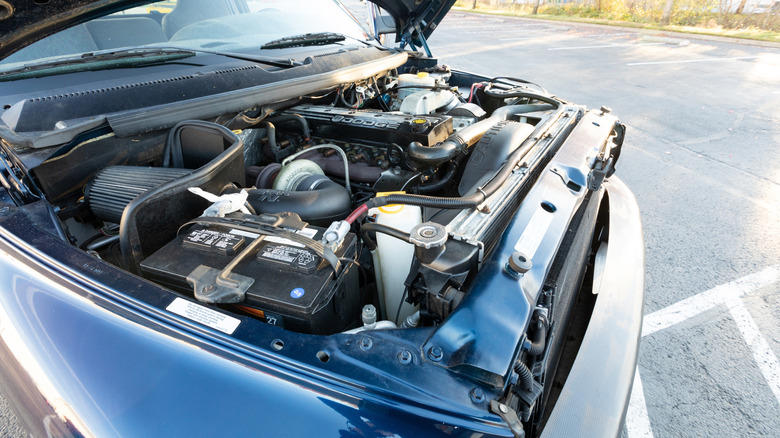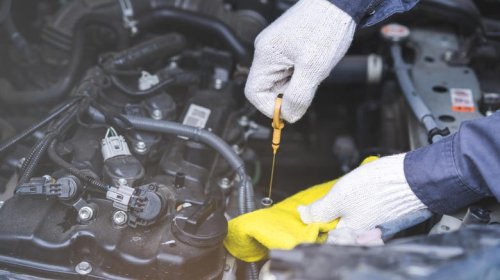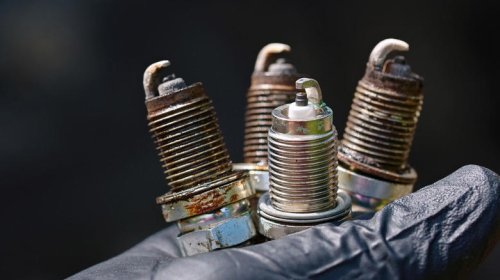
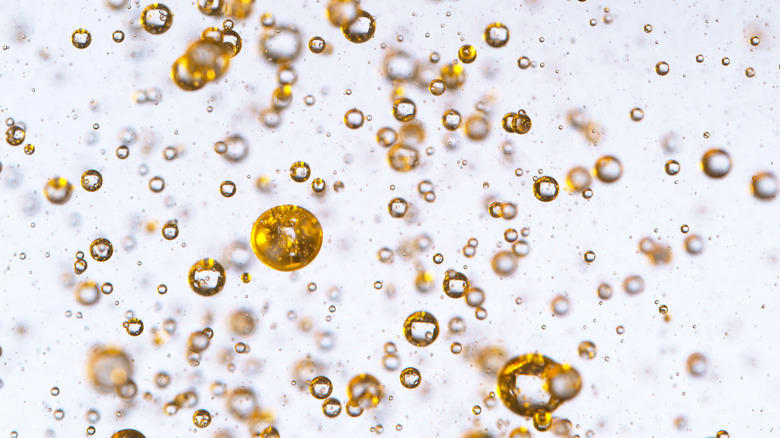



















Contaminated fuelDiesel's main advantage over gasoline also contributes heavily to one of its primary drawbacks. The added density makes diesel fuel more susceptible to contamination from elements such as glycol, soot, or moisture. These foreign substances can not only rob diesel fuel of its combustion efficiency, but they can ultimately do damage to an engine's internal components.While an effective fuel filter can help remove many of these contaminants, no filter traps 100%, and filters lose their effectiveness over time. Changing your fuel filter frequently will help minimize the damage from fuel contamination and help keep your diesel engine running at its peak level of performance.Diesel fuel is also subject to microbial contamination, something that suppliers have to address in storage facilities and during transportation. Bodiesel fuel is particularly prone to this type of contamination, but the introduction of moisture into improperly sealed tanks can also lead to microbial growth.Oil oxidationAnother big potential problem for diesel engine owners is oil oxidation. Air bubbles can form in engine oil when the engine goes unused for an extended period of time. The air bubbles rob the oil of its viscosity and make it too thick to properly lubricate the motor. This problem has been seen in Mercedes-Benz, Volkswagen, and Ford diesel engines. Oil oxidation can be avoided by starting your vehicle frequently and running the engine for a few minutes, even if you don't need to drive it. If your vehicle has gone unused for a long period of time, it's a good idea to change the oil before trying to start the engine again. It's certainly better to incur the precautionary expense of a few quarts of engine oil and a new filter than have to rebuild or replace your engine. Just be sure to consult your vehicle's owners manual to identify the correct oil for your engine, as diesel engines require heavier oil than gas engines.Hard startingDiesel engines can sometimes be a little bit stubborn when it comes time to start, particularly when the weather is cold or the vehicle has sat for an extended period of time. Often this is due to a glow plug issue, but diesel engines also need to crank for a bit to generate enough heat to combust the fuel before they will begin to run.Other issues can also contribute to hard starting, for example a loss of engine compression. This can occur if there's damage to your engine's cylinders, a leaky cylinder head gasket, worn, destroyed, or carbon-fouled piston rings, or a damaged or obstructed valve system. Hard starting can also be a result of your fuel gelling during cold weather, a clogged fuel filter or fuel injectors, or a problem with the electrical system like a weak battery, faulty starter motor or solenoid, or a wiring issue such as a short-circuit or a loose connection.