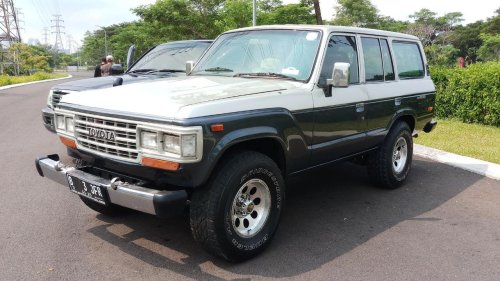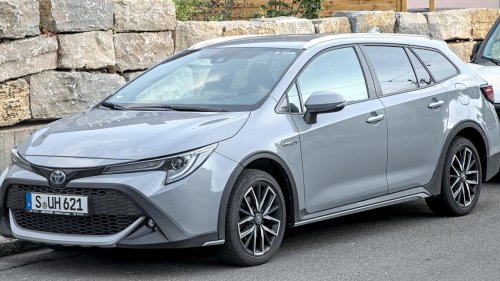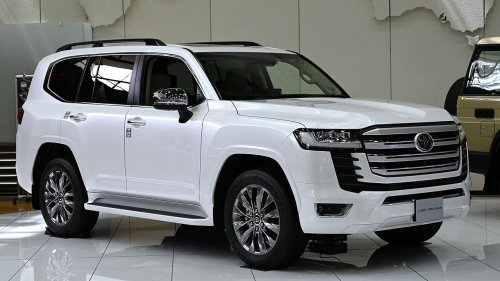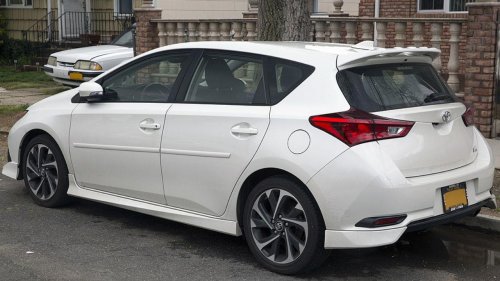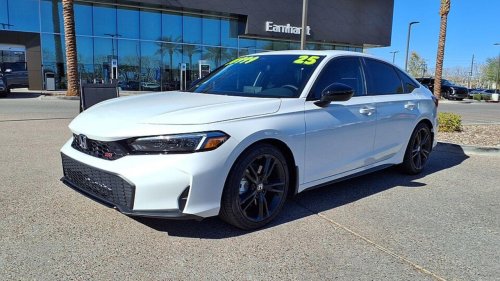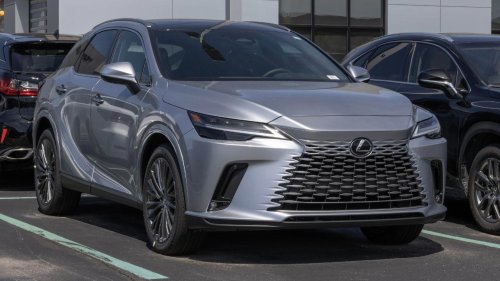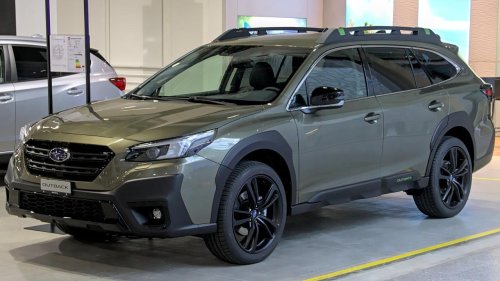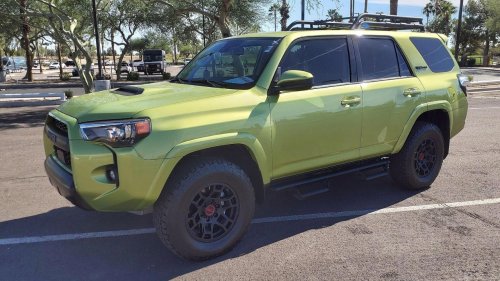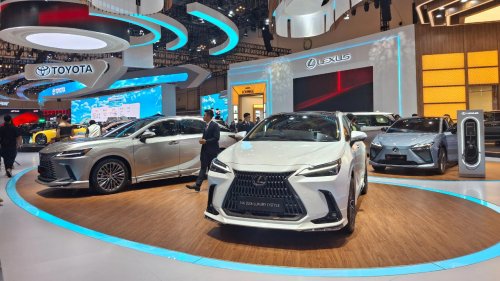
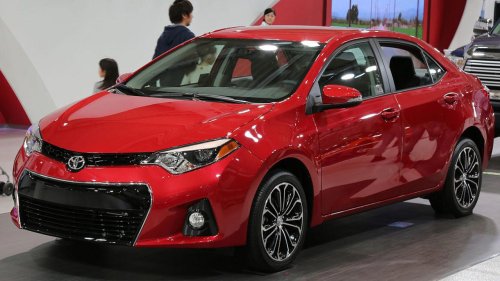
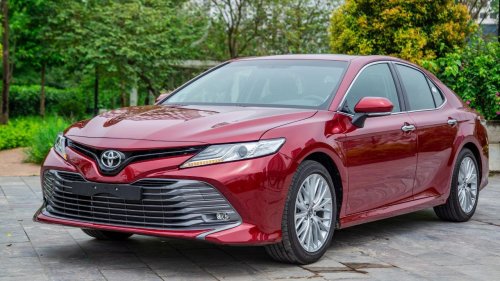
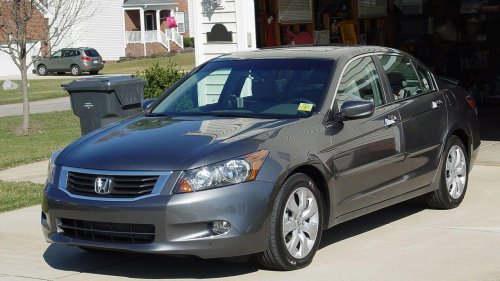
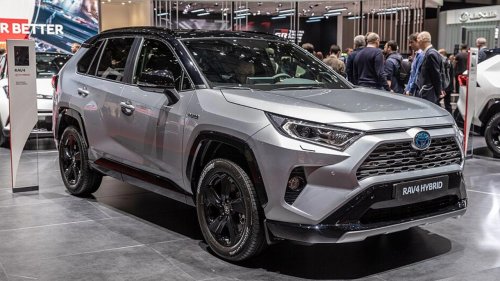
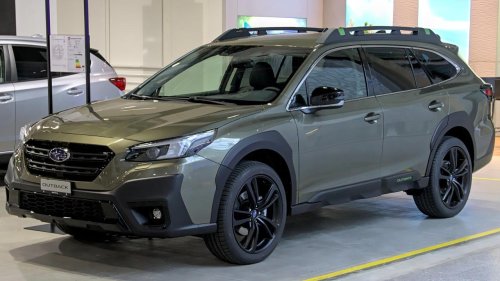
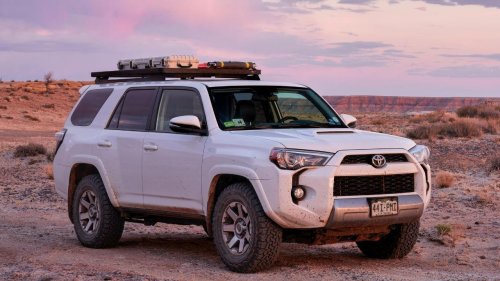
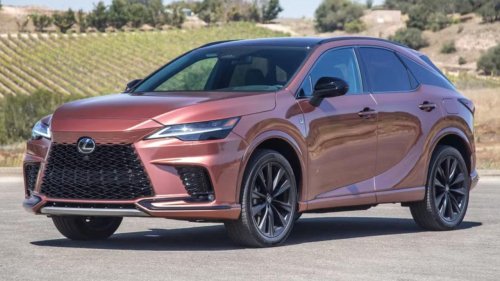
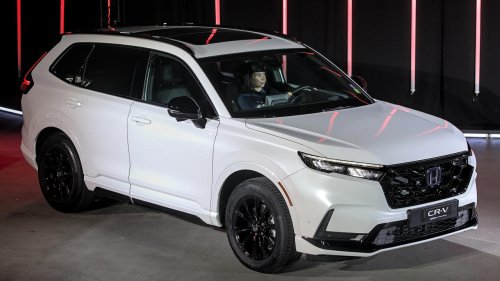
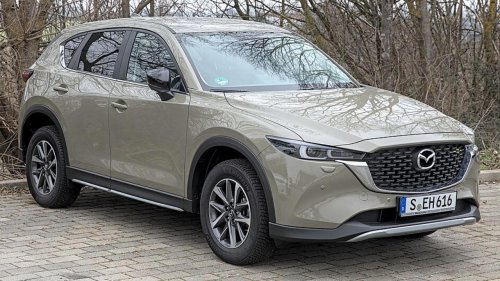






















Drivers who talk to working technicians tend to hear the same short list of vehicles that simply do not show up with catastrophic failures. Mechanics see which cars cross 100,000 Miles, 200,000 Miles and beyond with little drama, and which ones live on a hoist. The following models are the ones professionals quietly recommend when someone asks which cars almost never appear in the shop for major problems.Toyota CorollaThe Toyota Corolla is a fixture on reliability shortlists because its basic engineering rarely surprises mechanics. Service writers regularly point to the Corolla in reliability guides, noting that the Toyota Corolla combines inexpensive parts with simple, proven drivetrains. When a compact sedan can rack up six-figure mileage with little more than fluids, filters, and brake pads, technicians notice how seldom it arrives on a tow truck. For owners, that pattern means fewer budget shocks and more predictable maintenance planning. Mechanics often recommend older Corollas to first-time buyers precisely because major engine or transmission failures are uncommon when oil changes are kept current. The model’s conservative power output also protects components from stress, which helps explain why so many examples still feel tight after long service lives.Toyota CamryThe Toyota Camry appears repeatedly in mechanic interviews as a sedan that simply keeps running. One technician described the Toyota Camry as “a solid bet,” saying that many Camrys behave like a “trusty workhorse” that only needs regular servicing to stay on the road. That sentiment reflects what many independent repair shops observe daily. Long-distance commuters often choose the Camry because it tolerates high mileage without chronic head gasket, timing chain, or transmission issues when maintained. Separate analysis of used cars reaching 200,000 miles lists the Toyota Camry as a dependable midsize sedan, reinforcing the view among mechanics that major failures are uncommon.Honda AccordThe Honda Accord earns similar respect from technicians who see it regularly but rarely for catastrophic faults. Long-term studies of used cars that 200,000 miles highlight the Accord’s ability to reach that benchmark with proper care, which matches what independent mechanics report. They encounter worn suspension components and routine maintenance items, but full engine or gearbox replacements are relatively uncommon compared with less durable sedans. For families and high-mileage drivers, that durability translates into lower lifetime costs and fewer disruptive breakdowns. The Accord’s naturally aspirated engines and conventional automatic transmissions in many model years appeal to technicians who prefer straightforward, serviceable hardware. When a mechanic is asked to recommend a midsize car that will not live in the shop, the Accord typically appears alongside the Camry on the shortlist.Toyota RAV4The Toyota RAV4 benefits from the same Toyota Reputation That Speaks for Itself that mechanics reference when discussing long-lived vehicles. Reliability research on used vehicles notes that Toyota models often perform well past 150,000 miles, and technicians regularly see RAV4s surpass that figure with their original drivetrains. The compact SUV’s simple four-cylinder engines and widely used components make it easy to service and resistant to unusual failures. From a mechanic’s perspective, the RAV4’s appeal lies in how predictable its maintenance needs are. Owners typically face routine wear items rather than repeated electronic or drivetrain faults, which keeps the vehicle out of the shop for major work. For drivers who want SUV practicality without the repair volatility that can accompany some turbocharged or luxury crossovers, the RAV4 represents a conservative but very safe choice.Subaru OutbackThe Subaru Outback appears frequently in discussions of vehicles that handle high mileage with relatively modest repair bills. A guide to reliable used cars over 100,000 miles lists Subaru among the most dependable options, showing that these mileage figures are realistic for well-maintained vehicles. Mechanics who specialize in Subaru products observe that modern Outbacks, when serviced on schedule, usually avoid catastrophic engine failures. Another analysis of low-maintenance vehicles ranks Subaru highly, with an average repair cost of about $617 per year. For owners, that figure signals that while the Outback may require regular attention to fluids and suspension, it rarely blindsides them with wallet-draining surprises. Mechanics often recommend it to drivers who need all-wheel drive but cannot afford repeated major repairs.Toyota 4RunnerThe Toyota 4Runner has a reputation among technicians as an SUV that feels overbuilt for everyday use. Reliability research often describes certain models as exceptionally durable, and the Toyota 4Runner is frequently cited as an example. Its body-on-frame construction and relatively unstressed V6 engines mean that serious drivetrain failures are rare when basic maintenance is observed. For mechanics, the 4Runner stands out because high-mileage examples with 200,000 Miles or more often arrive for preventative work rather than breakdowns. Off-road use can accelerate wear on suspension and brakes, yet the core mechanical package usually remains intact. Owners who tow, camp, or drive on rough roads value that resilience, and technicians are comfortable recommending older 4Runners as dependable long-term purchases.Lexus RXThe Lexus RX leverages Toyota’s reliability culture while adding higher-end comfort, which is why mechanics often describe it as a safe luxury bet. Reliability rankings often group Lexus with Toyota, Mazda, Acura, and Honda as brands with fewer long-term issues, showing how the RX benefits from conservative engineering and shared components. One analysis of most reliable cars highlights that these brands tend to have fewer long-term issues, which matches what service departments see. Technicians appreciate that the RX often uses naturally aspirated engines and conventional transmissions, avoiding some of the complex systems that plague other premium crossovers. For buyers, that combination of luxury and low incidence of major failures reduces the financial risk of owning an older upscale vehicle. Many independent shops report that RX owners mainly schedule routine maintenance, with serious repairs relatively uncommon compared with similarly aged European rivals.Honda CR-VThe Honda CR-V is another compact SUV that mechanics frequently praise for staying out of the shop. Studies of reliable used vehicles regularly include the Honda CR-V, reflecting its track record of reaching high mileage with few major problems. Technicians see predictable wear on items like wheel bearings and suspension bushings, but catastrophic engine or transmission failures are relatively rare when maintenance is followed. For families and small business owners, that reliability profile matters because downtime can disrupt work and childcare. The CR-V’s efficient four-cylinder engines and straightforward all-wheel-drive systems are generally easy to service, which keeps labor costs under control. Mechanics often recommend older CR-Vs to buyers who want SUV practicality without the repair risk that can accompany more complex turbocharged or dual-clutch setups.Mazda CX-5The Mazda CX-5 has earned a quiet following among mechanics who appreciate its balance of driving feel and durability. Reliability rankings often place Mazda alongside Lexus, Toyota, Acura, and Honda as brands with fewer long-term issues, indicating that the CX-5 benefits from careful engineering and quality control. In workshops, technicians report that the model’s naturally aspirated engines and conventional automatics contribute to a low rate of catastrophic failures. Owners who choose the CX-5 often do so for its handling and interior quality, but they also benefit from fewer unexpected repair bills. Independent shops note that most CX-5 visits involve routine maintenance or minor wear items rather than engine or transmission replacements. That pattern makes the crossover an appealing option for drivers who want something more engaging than a typical appliance car without sacrificing long-term dependability.