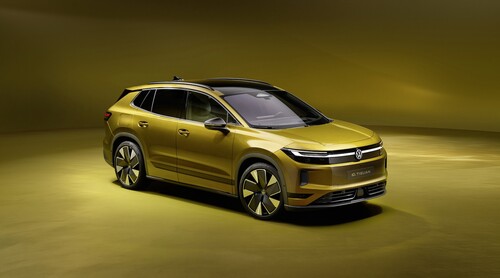
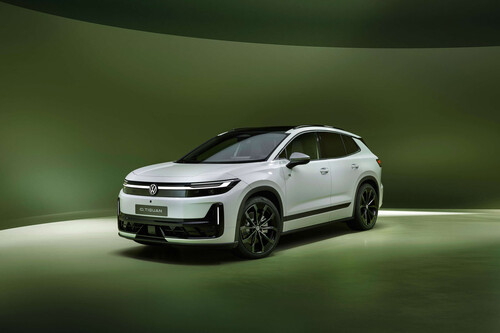
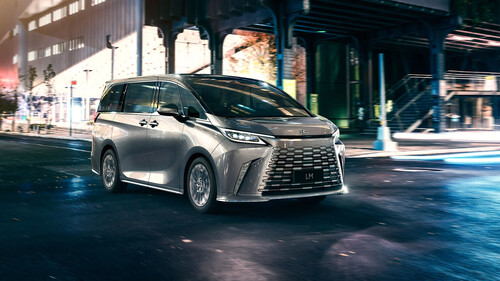
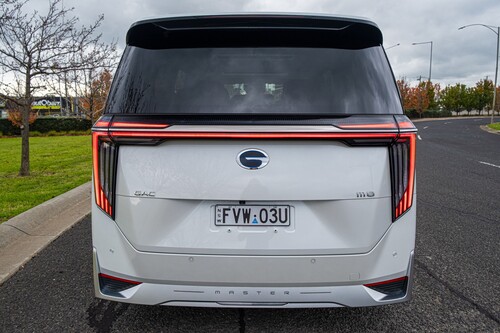
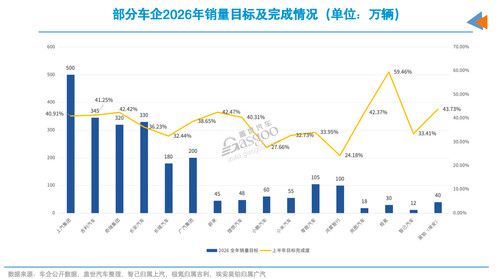
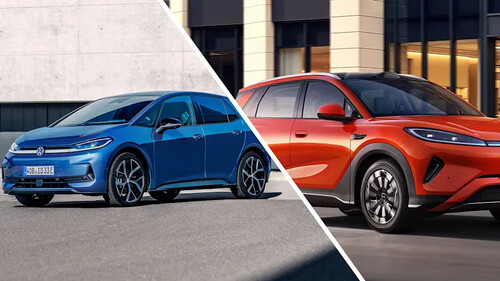
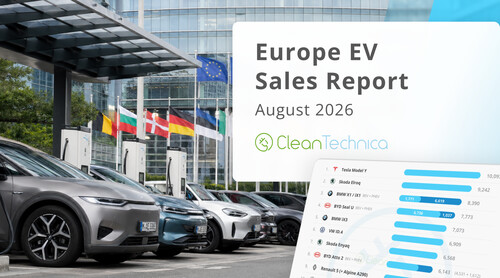
Parker Lewis · 5 months ago@parkerlewis56Understanding Hunan's Automotive Industry Cluster at a Glance | Gasgoo Global Automotive Industry Big Data Liked by+40 othersBYDGACVolkswagenPost commentRelated PostsRetro cars get boring fast, says Volkswagen design bossHenry Brown · 11 days agoThe ICE Meltdown Continues — July’s China EV Sales Report (44% BEV Share) 62 · Gabriel White · 2 months agoVolkswagen's new EVs are so popular that it's cutting ICE shifts 32 · Sarah Moreau · 1 months agoSuccessful Market Launch of the Electric Urban Car Family: CUPRA Raval, Volkswagen ID. Polo, Škoda Epiq, and Volkswagen ID. Cross Together for the First Time at the Paris Motor ShowChloé Martin · 12 days agoChina’s battery makers target 2027 solid-state cell trial production alongside BYD, CATL & Geely 43 · Madeleine Tremblay · 2 months agoChina's New-Energy Vehicle Startups at Midgame: How Long Will the Window of Opportunity Last? 48 · Connor Scott · 1 months agoA Volkswagen Bestseller Goes Electric: World Premiere of the New ID. TiguanZoë Girard · 12 days agoGAC’s M8 Minivan Costs Less Than Half A Lexus LM 500h, But Nothing About It Feels Halved 28 · Adam Gagnon · 3 months agoTesla Finally Goes To Trial For Racism In Its Factory 33 · Mia Lee · 1 months agoVolkswagen's VR Engine Solved a Problem Nobody Has AnymoreOliver Mitchell · 12 days agoHalf-Year Auto Market Exam: SAIC Reclaims Top Spot, Three Automakers Double Overseas Growth 39 · Victoria Tremblay · 3 months agoCar Deal of the Day: BYD Seal 6 Touring is a steal at less than £200 a month 43 · Madeleine Bouchard · 1 months agoHow sonic design could save electric cars from their biggest weaknessCarter Gagnon · 12 days agoMultiple battery companies respond to payment norm initiative; rumor claims Volkswagen plans to terminate autonomous driving cooperation with Bosch 22 · Morgan Rogers · 3 months agoThe Unstoppable Rise of Leapmotor — August’s China EV Sales Report (45% BEV Share) 53 · Jacob Bouchard · 1 months agoThis 1985 Volkswagen GTI on BaT Has a Little Something ExtraMatthew Young · 12 days agoBrazil EV Sales Report: 153% Growth in May Brings Latin America’s Largest Market to 13.5% EV Market Share! 97 · Emily Mitchell · 4 months agoNew Model Competition, Can't Slow Down? 59 · Victoria Carter · 1 months agoCar Deal of the Day: all-new Volkswagen ID. Polo for a tempting £268 a monthKaitlyn Wright · 12 days agoWhy are major AI companies racing to partner with automakers? 26 · Amelia Bouchard · 4 months ago


 +40 others+40 others
 +40 others