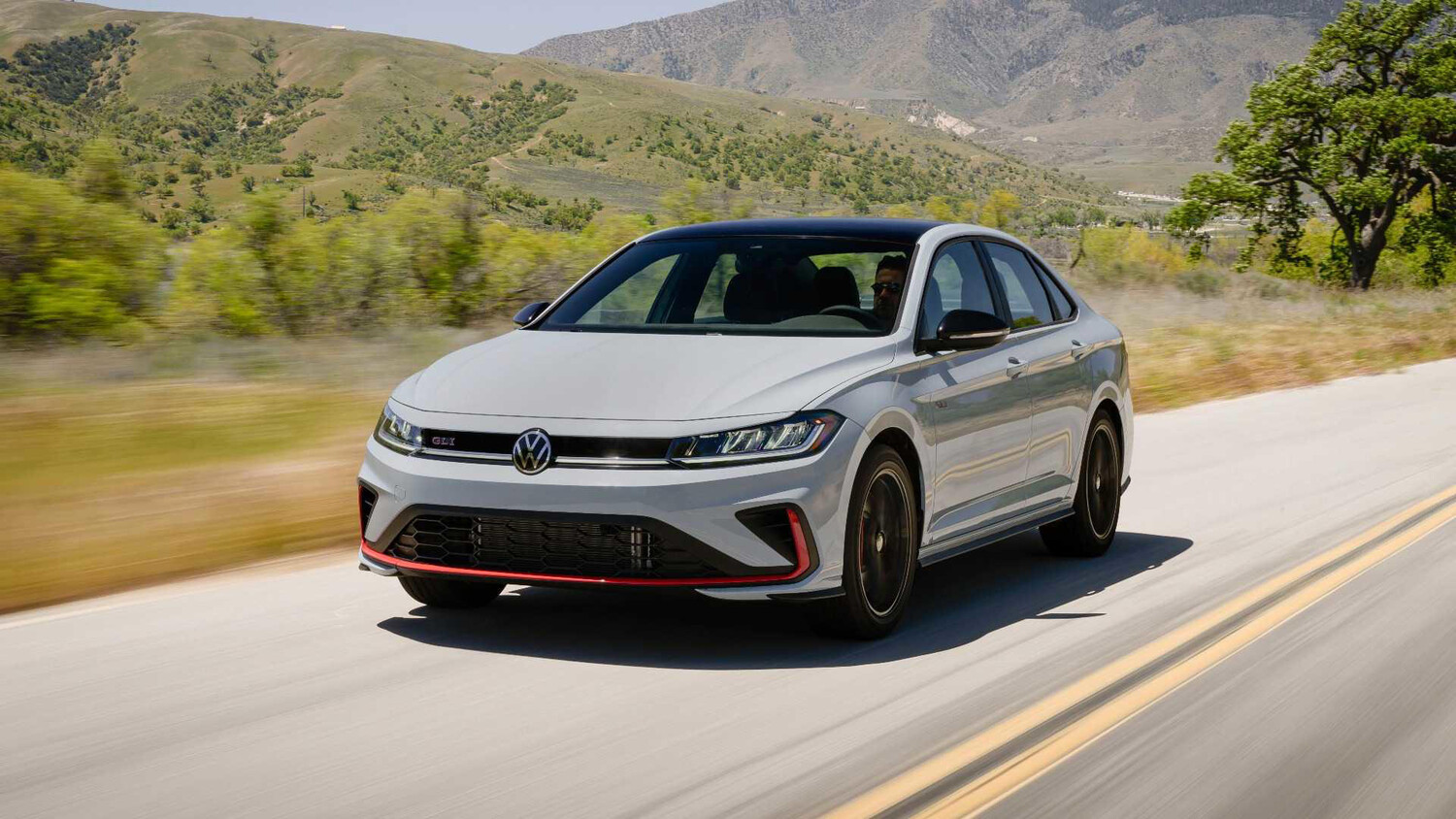
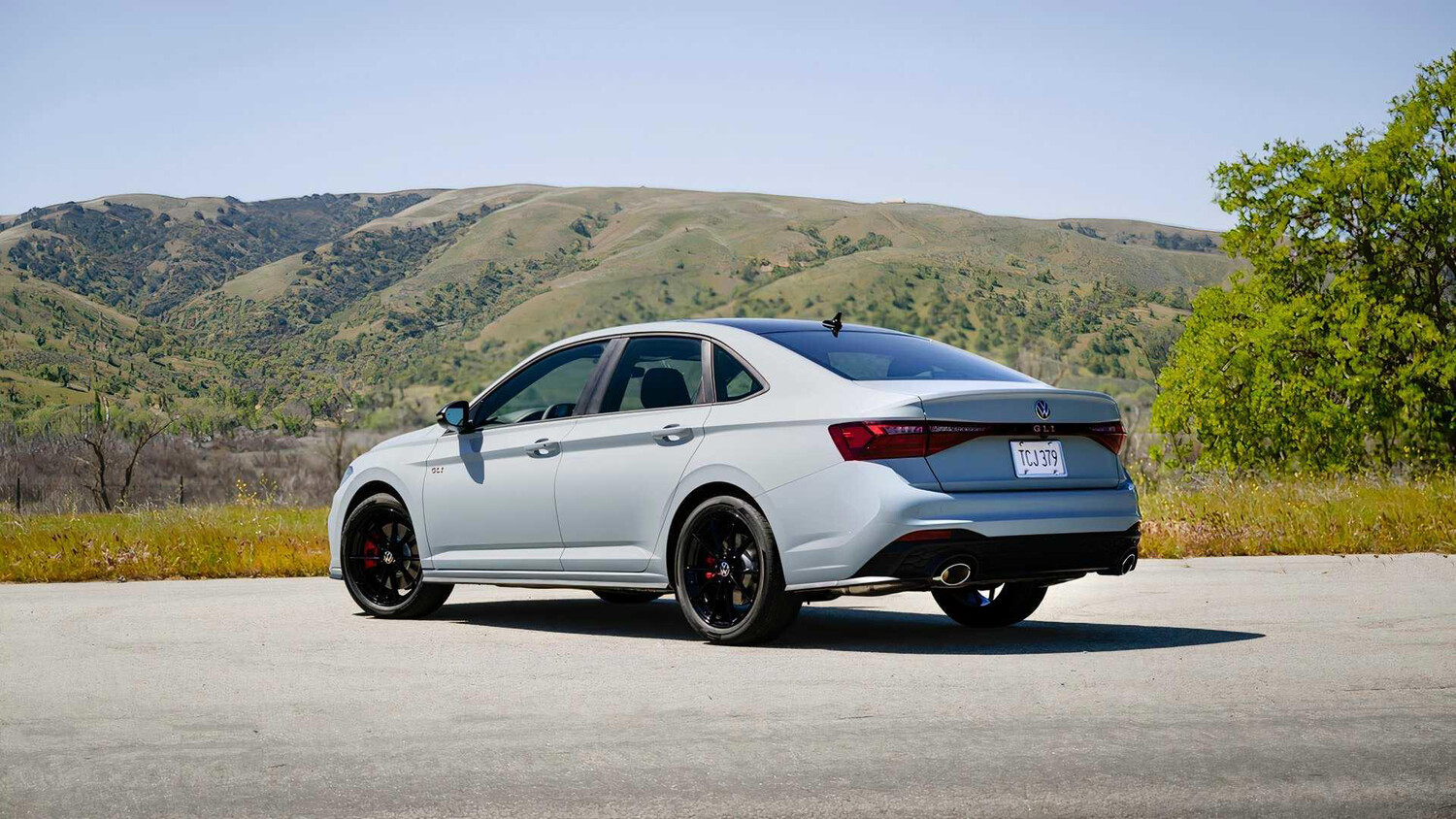
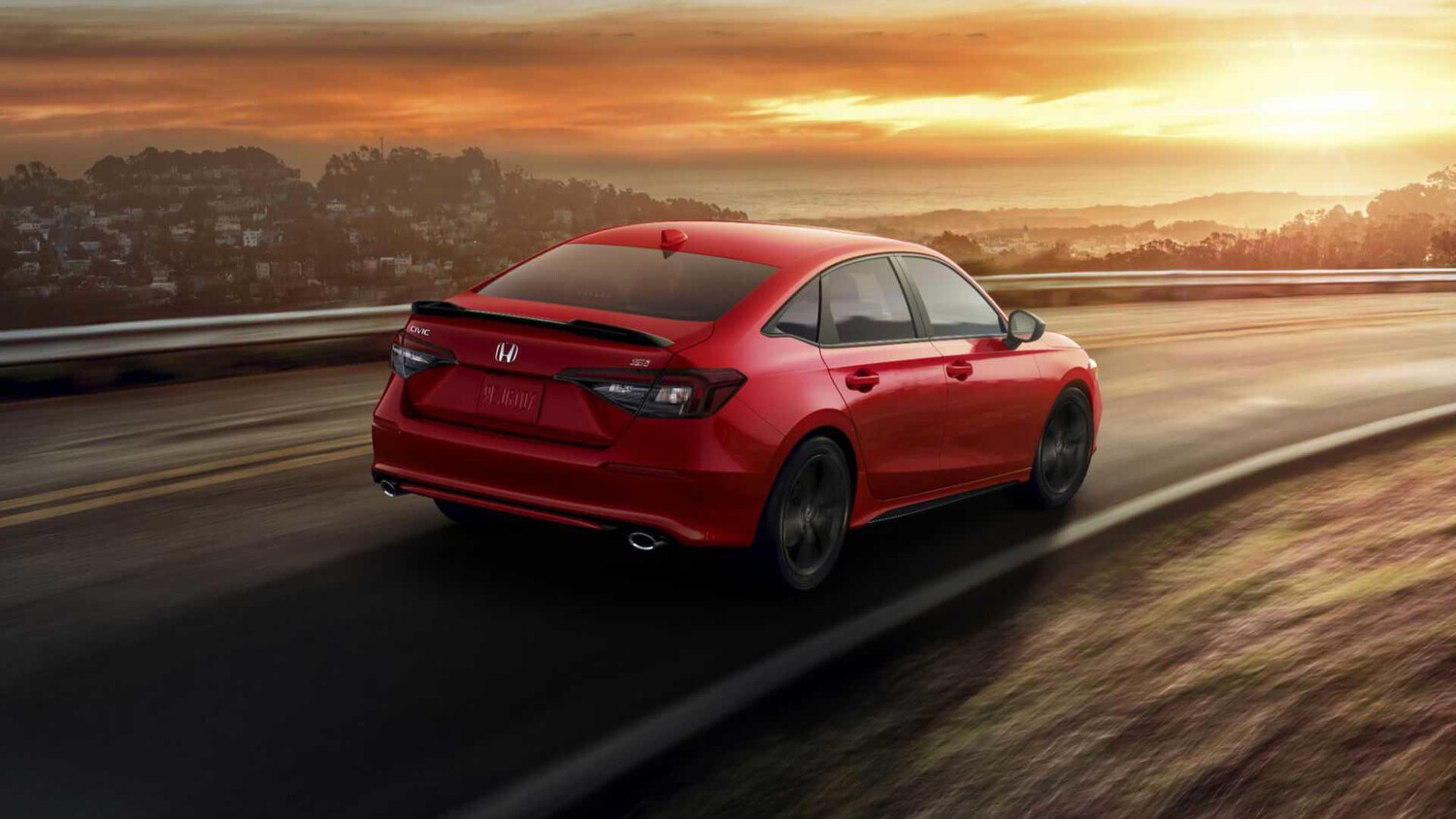
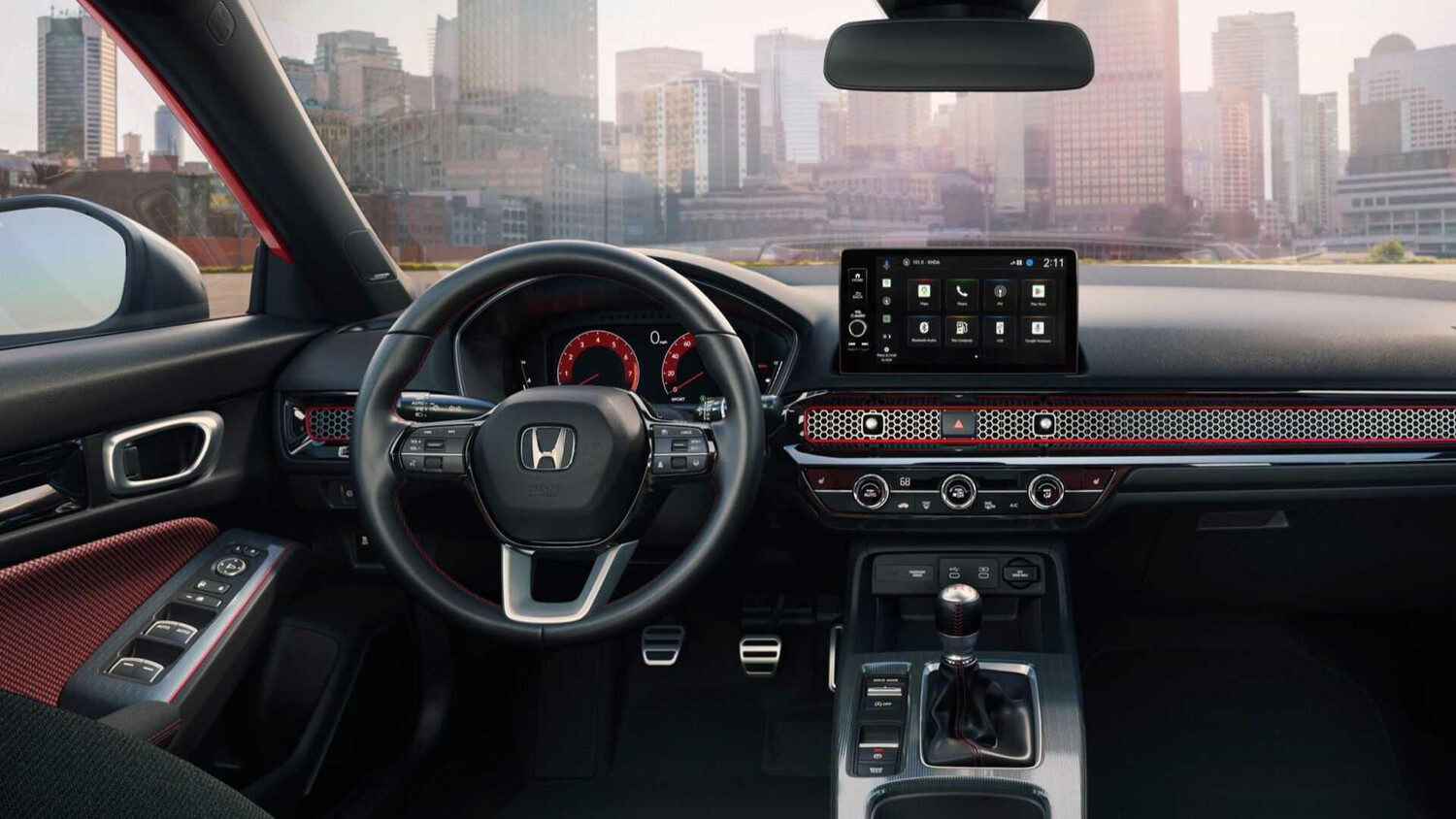
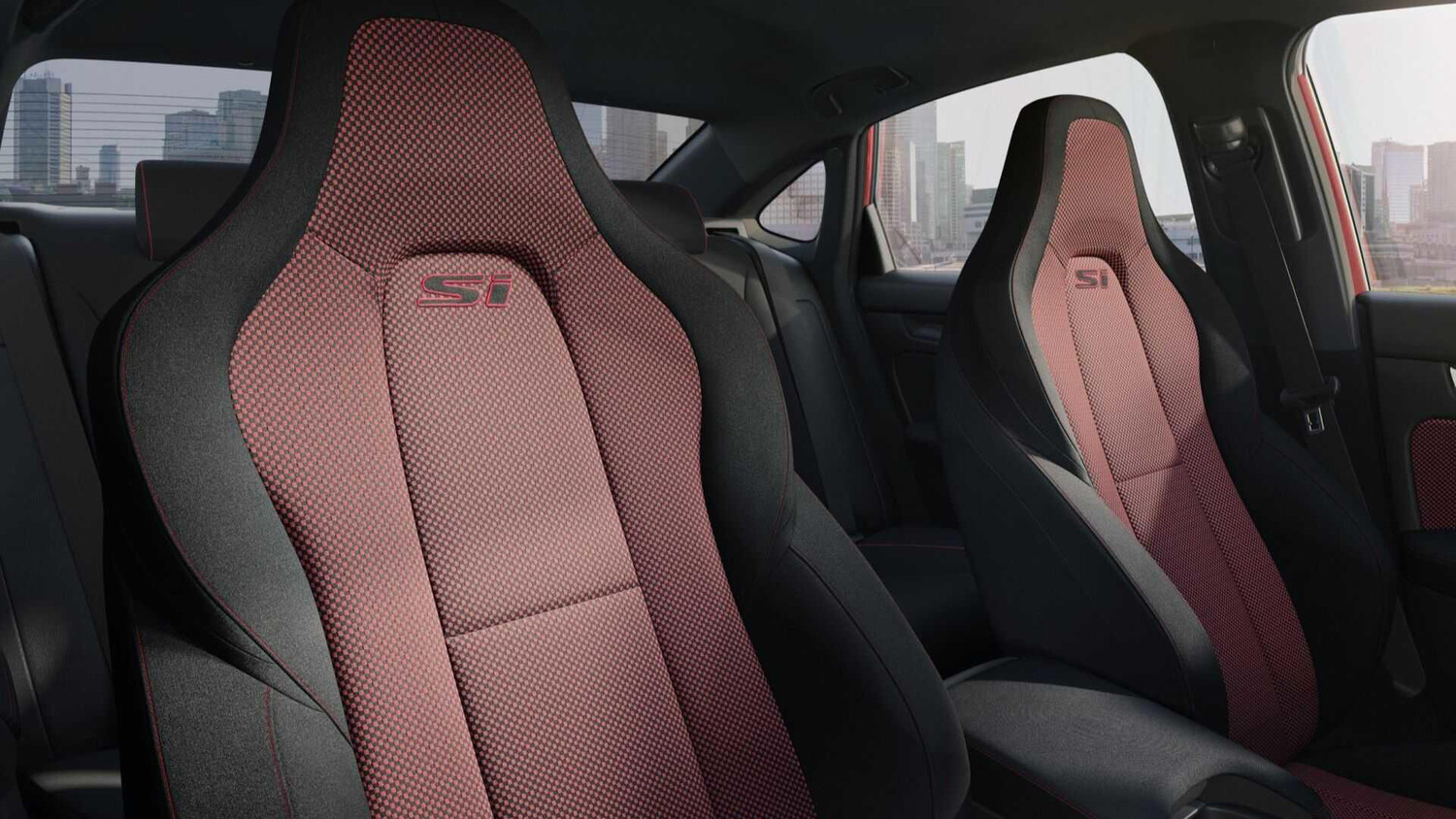
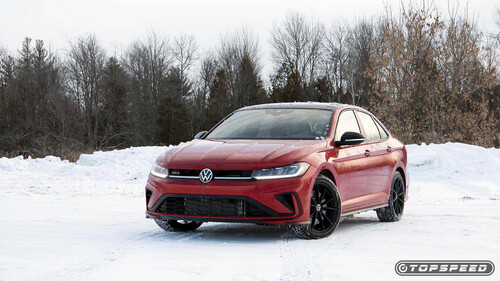
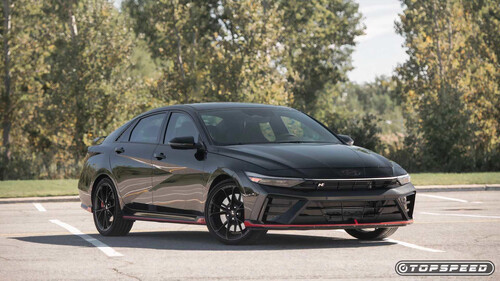
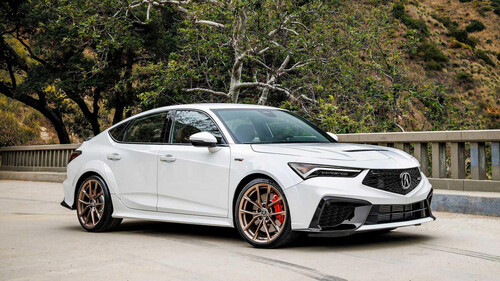
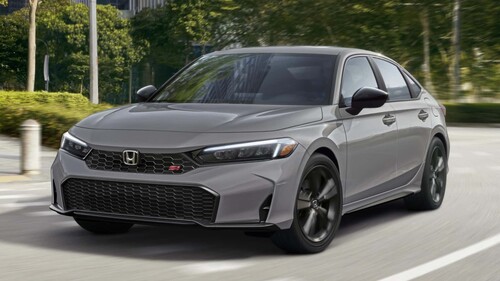
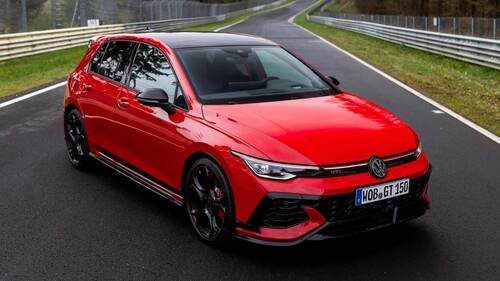
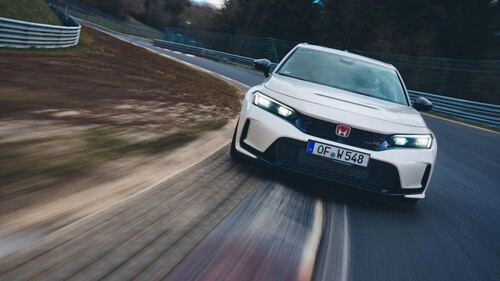
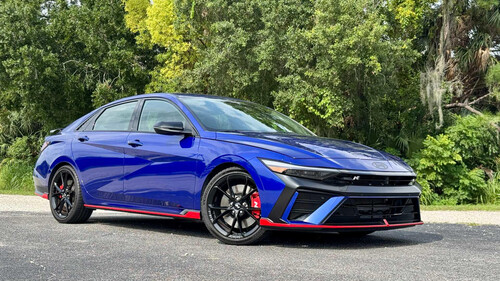
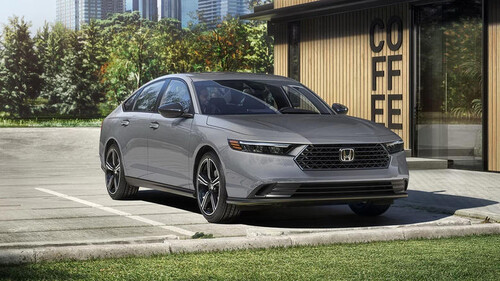
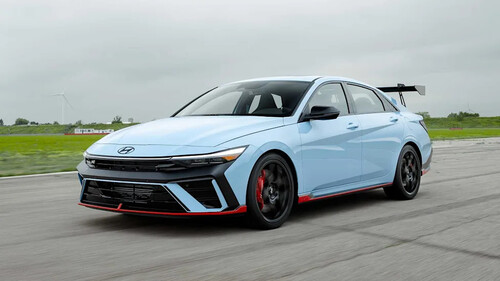
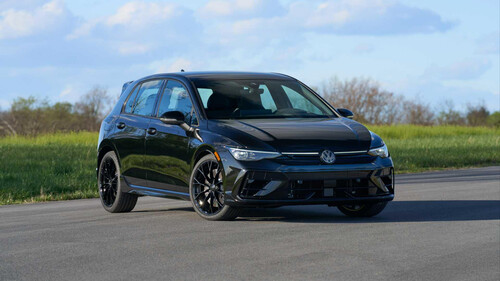
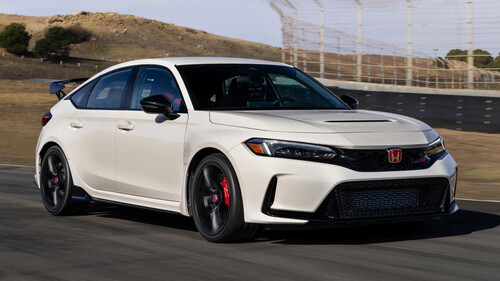
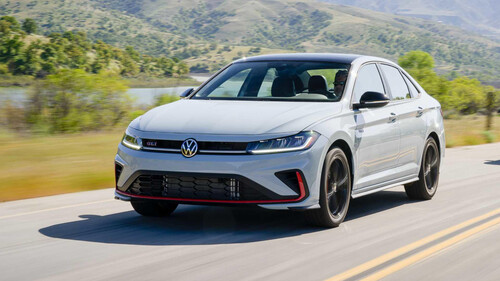
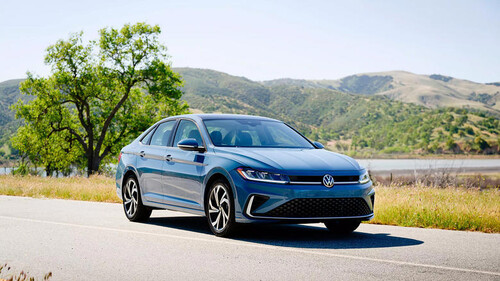
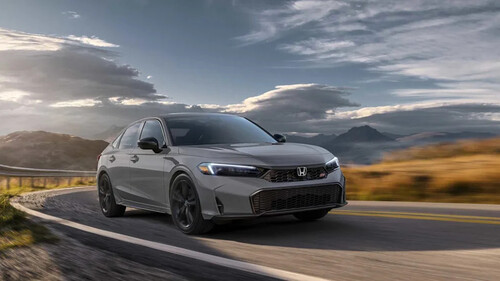
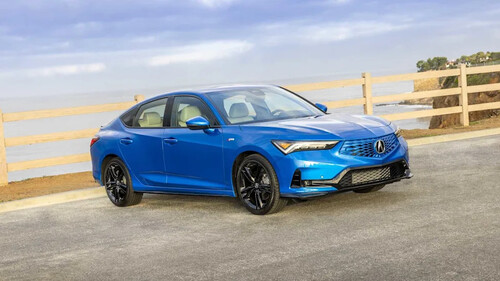
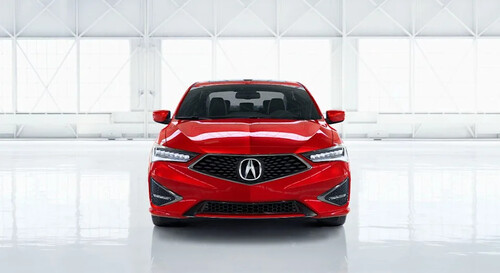
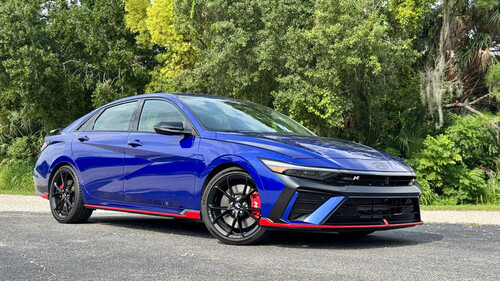
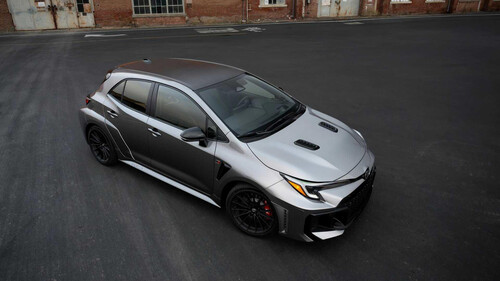
While the options aren't as plentiful as they once were, the sport compact market is still alive and well, with five great options on the market for those seeking a fun, front-wheel drive four-door with a manual transmission (plus a couple more if you're fine with an automatic). While the Hyundai Elantra N, Mazda3 Hatchback and Acura Integra are all great choices as well, with their own pros and cons, for this comparison we're focusing on the two biggest sellers.These two also happen to be the closest competitors, the Honda Civic Si and the Volkswagen Jetta GLI. While they have some similarities, they're also quite different, with one taking a simpler approach and the other requiring no compromises. Which one is the best one for you? Keep reading to find out.For this comparison, we're looking strictly at 2026 model years and what they offer. All prices listed include destination and freight charges. Performance Differences HondaIf you're an enthusiast, the main thing you're worried about is how the performance of these two compares. The numbers on the table really speak volumes. The GLI clearly has more muscle and is the clear winner in a straight line as a result. Unlike Honda, Volkswagen gives you the option of a well-done dual-clutch automatic as well if you'd rather not drive a manual transmission every day. As far as the manuals go, most will agree that Honda has the better gearbox, with nicer weighting and a more precise action, but the GLI manual is no penalty box. It's still a delight to use, although it does lack the auto-rev match downshifting option that the Si provides. The clutch pedals in both are pretty light and easy, but the Honda's is slightly lighter.Volkswagen As far as handling goes, both are great in that area as well, but the Civic Si has a slight edge here as far as feel goes. Honda really nails all the driver inputs, so steering is a little weightier and more communicative, and the whole car in general is 289 lbs lighter than the Jetta GLI. You'll feel that weight difference on a back road. You also have a slightly lower seating position in the Civic that further enhances it's sporty feel.The one perk of the GLI is that it has adaptive dampers that allow you to soften or stiffen the ride and handling depending on your preference, and the car can react more intelligently to the road surface. The prior generation of the Civic Si had these as well, but they were dropped in this current generation and are now one of the exclusive perks you get when you upgrade to the Acura Integra. Both the Si and GLI have limited-slip differentials, so they'll both put the power down equally well, and both have upgraded brakes for a well-rounded setup. Exterior Differences Volkswagen Both of these cars are pretty subtle with their styling differences over their less-sporty counterparts. The only in-your-face feature of the GLI is the red paint on the lower front bumper, which is mandatory. The GLI also goes a little further with the differentiation, getting unique bumpers, compared to the Si that has the same bumpers as a regular Civic, with the only cues on that car being the badges, the subtle rear lip spoiler, the wheels, and the grille from the hatchback variant. The Jetta is also a bit more trendy, with light bars front and rear compared to the more traditional headlights and tail lights on the Civic that may age better.Honda Dimensionally, the Jetta is slightly longer, but the Civic actually has the longer wheelbase. Surprisingly, the Jetta has the lower roofline, despite being the larger car, and their widths are basically identical. In person, the Jetta seems a little larger and more substantial, versus the shorter overhangs and leaner styling of the Civic that give it a slightly smaller appearance. Interior Differences Honda The interior differences on these two cars might be the biggest deciding factor outside of the performance differences. On the surface, there are a few high-level similarities. They both have 10-inch digital gauge clusters, and their touchscreens are similarly sized, the VW getting an eight-inch screen and the Honda now getting a nine-inch screen. But that's about where the similarities end. The most controversial thing about the Jetta's interior is that when it got refreshed in 2025, it threw out the climate control knobs in favor of a capacitive touch panel instead. In stark contrast, not only does the Honda have a refreshingly simple set of buttons and knobs to control the climate, but they also feel great, even featuring knurled metal for those knobs.Honda For some, this difference alone may be the deciding factor in the Civic's favor. In the Jetta's defense, it still retains a volume knob and even has a tuning knob as well, which the Civic lacks. For satellite radio listeners, the Civic annoyingly omits it after 2024. The Jetta still has it. But you do give up a lot of nice creature comforts by opting for the Si over the GLI. If you're willing to put up with those capacitive controls in the GLI, you'll be rewarded with amenities like a heated steering wheel plus heated and ventilated seats (the Civic's are only heated). Those seats are also wrapped in perforated Vienna leather with the driver's side also getting power and memory seats.Volkswagen The Civic is stuck with manually-adjustable cloth chairs. It also has a smaller moonroof than the oversized one in the Jetta. Other than the nice knobs, the only other thing that feels high-end in the Civic is the Bose 12-speaker stereo. It's a great stereo and handily outperforms the "Volkswagen Premium" eight-speaker stereo the GLI now comes with.Volkswagen As far as interior space goes, the Civic has slightly more front legroom, the Jetta has a little more rear hip room, and they have an identical amount of rear legroom. Despite the extra length of the Jetta on the outside, it has the smaller trunk of the two, surprisingly, down almost a full cubic foot of space compared to the Civic's trunk. Which One Should You Buy? Volkswagen At the end of the day, it really comes down to your priorities. For those looking for the most power, the most luxury, and the most features, the Jetta GLI will be the clear winner. If you're fine making due with a little less in the Civic, you're rewarded with a lighter car that handles better, a powertrain that's still very enjoyable, and possibly even more so, if you're the type that would rather drive a slower car harder and enjoy the ability to wring out the Si harder than the GLI. And the Civic still nails all the key things, like the great interior design and great stereo.Volkswagen There is also a not-insignificant price difference between these two. They're both only offered in one trim each, and aside from the no-cost transmission choice in the GLI and a $650 Black Package for the Volkswagen, the only option for these is the color, with each charging $455 for some premium colors. Everything being equal, the Jetta will cost you $2,330 more if you're paying MSRP. The reality, though, is that Volkswagen dealers are often a little more generous when it comes to discounts compared to Honda dealers, so that price gap may narrow a bit, or could potentially make the Jetta the cheaper of the two. As always, your experience will vary.But even at a $2,330 premium, you get a bunch of extra power and extra luxury features in the GLI, and really give up nothing other than the better stereo in the Civic. They even get basically the same fuel economy, with the GLI only doing 1 MPG less in the city and highway tests, despite having an extra half-liter of displacement and a bunch of extra power. Because of its better specs and it offering the most stuff-per-dollar, on paper, the 2026 Volkswagen Jetta GLI wins this comparison.Sources: Honda, Volkswagen