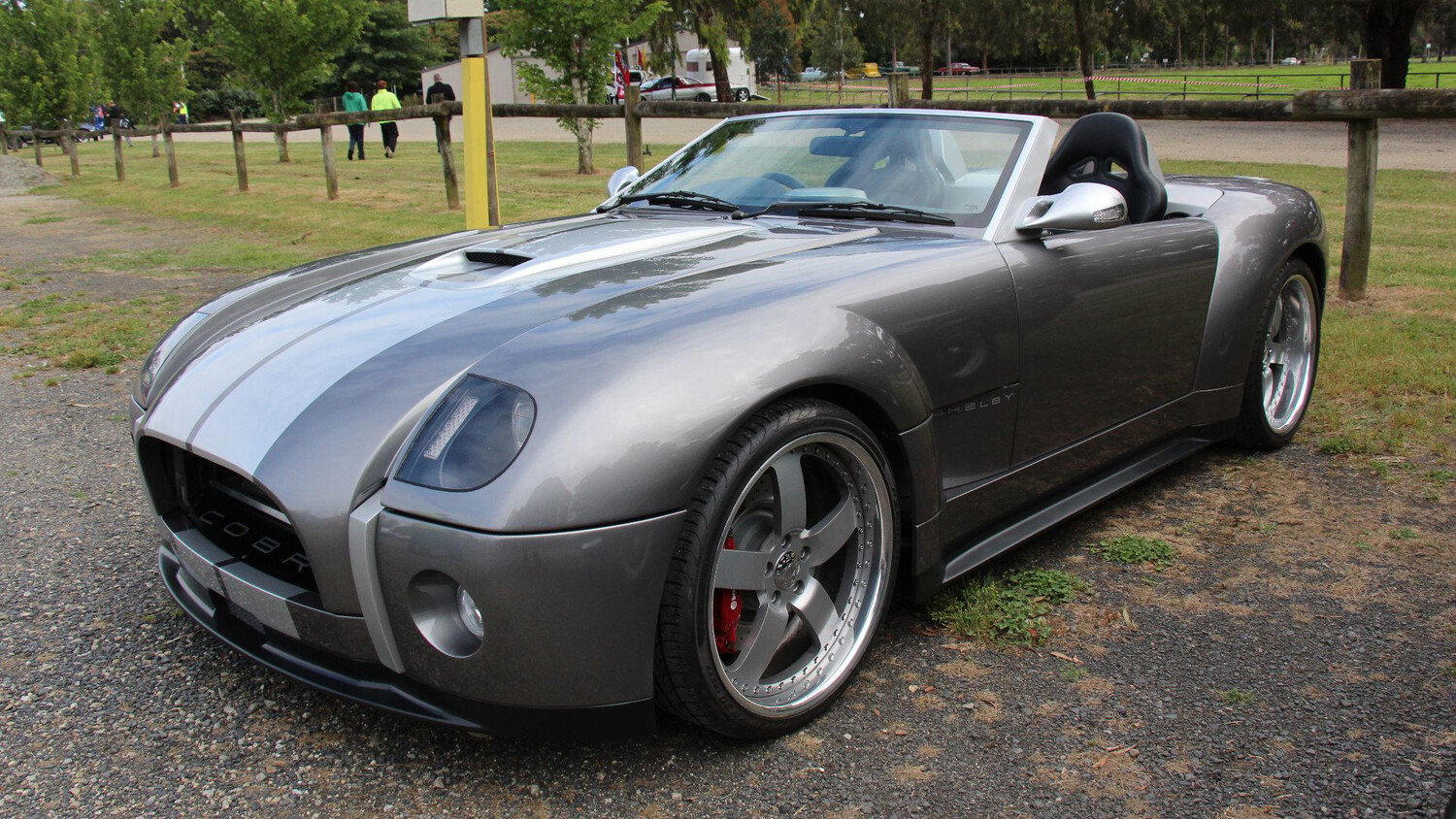
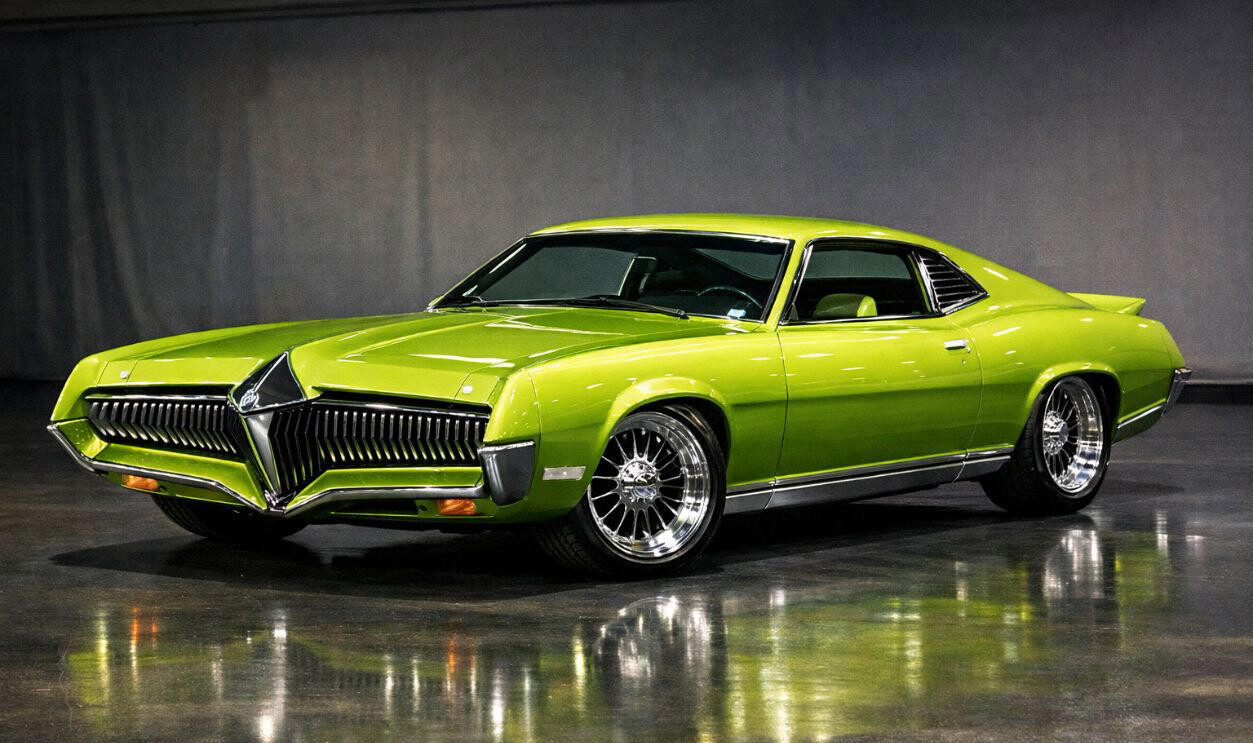
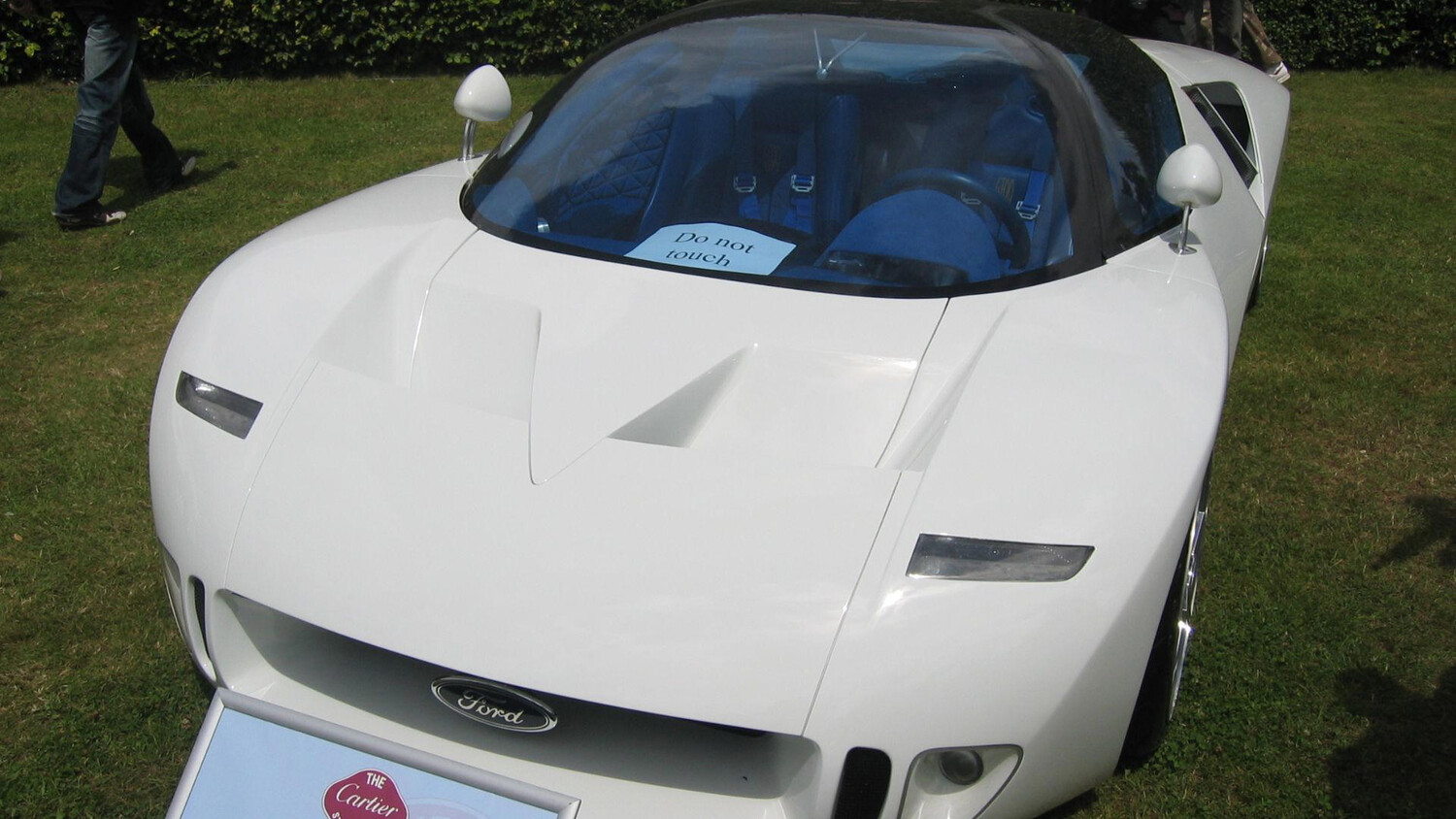
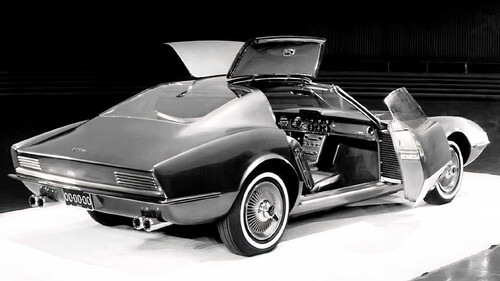
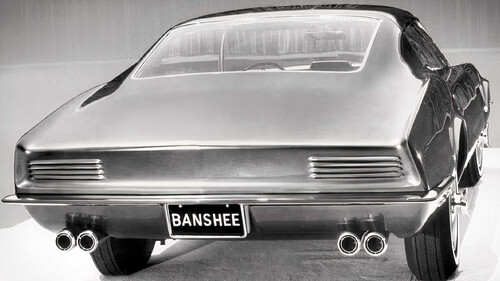
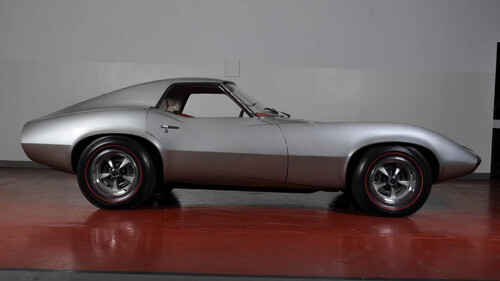
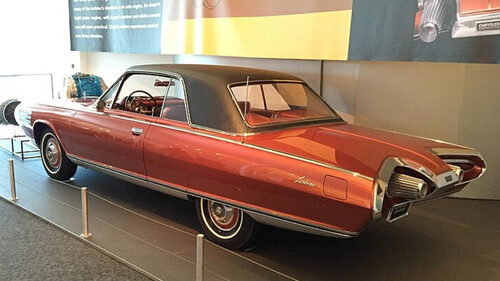
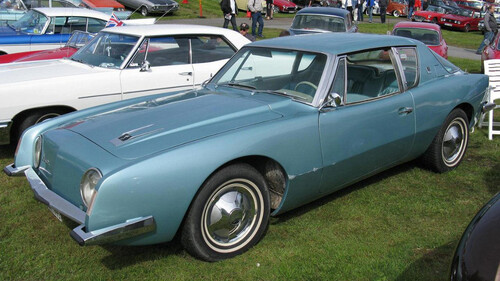
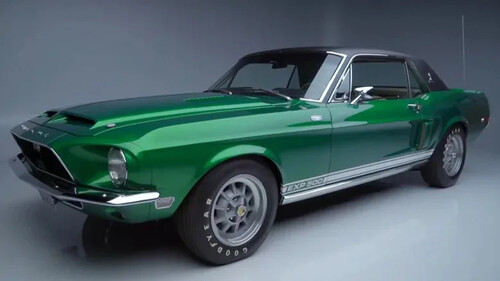
Shelby GR-1Unveiled in 2005, the Shelby GR-1 reimagined American muscle as a front-engine, rear-drive aluminum-bodied grand tourer. Powered by a 6.4-liter V10 producing an estimated 605 hp, it featured a rear transaxle and near-perfect weight distribution. Its sculpted aluminum body, long hood, and short deck echoed classic Cobras while pointing toward a modern GT future that never arrived.Dodge Charger IIIThe Charger III concept from the early 1960s explored a sleek, aerodynamic alternative to traditional American muscle proportions. With a low-slung body, hidden headlights, and lightweight construction, it suggested a future where Chargers prioritized agility and efficiency alongside power. Its design language influenced later Dodge concepts but never reached production in full form.Dodge Diamante ChallengerIntroduced in the early 1990s, the Diamante Challenger was a sleek, high-tech interpretation of the Challenger nameplate. Designed with aerodynamic efficiency in mind, it focused on refined performance rather than brute aggression. Its smooth bodywork and modern proportions suggested a luxury-performance direction Dodge ultimately chose not to pursue.Ford Shelby Cobra ConceptThis concept revived the Cobra legacy with modern engineering, featuring a 6.4-liter V10 and an aluminum chassis. Designed as a true supercar, it aimed for world-class performance rather than retro nostalgia. Though visually stunning and mechanically ambitious, it ultimately gave way to the Ford GT revival instead.Chevrolet Camaro Caribe ConceptThe Camaro Caribe concept took muscle into wagon territory, blending performance cues with practicality. Based on the Camaro platform, it featured a shooting-brake body style and hinted at lifestyle performance vehicles long before they became popular. It challenged the idea that muscle cars had to be coupes, opening the door to more versatile interpretations.AMC AMX/3One of the most daring American concepts ever built, the AMX/3 was a mid-engine supercar developed with Italian design house Giotto Bizzarrini. Powered by a 390 V8 producing around 340 hp, it was intended to rival European exotics. Cost concerns killed the project, but it showed AMC’s willingness to redefine muscle as a world-class performance machine.Shelby EXP 500 “Green Hornet”The Green Hornet Mustang prototype experimented with advanced tech decades ahead of its time. Featuring electronic fuel injection, disc brakes, independent rear suspension and a high-output V8, it previewed modern muscle performance long before it became mainstream. Many of its ideas eventually filtered into production cars years later.Pontiac BansheeThe Banshee was Pontiac’s vision of a lightweight, compact sports car that threatened Corvette territory. With sleek styling and plans for powerful engines, GM executives feared internal competition and canceled it. Had it survived, it could have reshaped Pontiac into a true performance leader beyond traditional muscle sedans.Ford Mustang Mach I ConceptEarly Mach I concepts explored performance-focused Mustangs with aerodynamic refinement and aggressive styling. These concepts helped establish the Mach I name as synonymous with power and speed, influencing production Mustangs for decades. They hinted at a more race-inspired Mustang lineage that could have gone even further.Chevrolet Monza GT And Monza SS ConceptsThese mid-engine concepts previewed Chevrolet’s interest in compact, lightweight performance cars. The Monza GT, in particular, used a sleek fastback design and advanced chassis ideas. They challenged the belief that American performance had to be front-engine and V8-powered, offering a more global vision of muscle.Mercury El GatoThe El Gato was Mercury’s attempt to create a refined performance coupe that blended European styling cues with American power. Designed as an upscale muscle alternative, it foreshadowed Mercury’s struggle to define its identity. Had it reached production, it could have carved out a unique niche between Ford and Lincoln.Pontiac PhantomA dramatic mid-1960s concept, the Phantom showcased Pontiac’s flair for futuristic design. Its low stance, sharp angles and aggressive proportions hinted at a more radical muscle aesthetic. While it never reached production, its influence can be seen in later Pontiac performance styling.Chevrolet Astro IIThe Astro II explored a compact, mid-engine layout with a wedge-shaped body that looked more Italian than Detroit. Designed as a Corvette alternative, it emphasized balance and handling over sheer size. It represented a moment when Chevrolet seriously considered redefining American performance architecture.Saleen S5S RaptorPowered by a 5.0-liter supercharged V8 making around 650 hp, the S5S Raptor was a true American supercar concept. With a mid-engine layout and exotic proportions, it pushed muscle into hypercar territory. Financial realities stopped it from becoming production reality.Chevrolet AerovettePerhaps the most famous “what if” in American performance history, the Aerovette was a mid-engine Corvette powered by a rotary or small-block V8. Multiple running prototypes existed, and GM nearly approved it before backing out. Had it launched, it would have rewritten Corvette—and muscle car—history decades earlier.Vector WX-3 / WX-8Vector’s concepts blurred the line between muscle and aerospace engineering. Featuring massive twin-turbo V8s, carbon fiber construction and extreme wedge styling, they represented an uncompromising vision of American excess and speed. While production was limited and chaotic, the ideas were undeniably bold.Ford GT90The GT90 was Ford’s most extreme concept of the 1990s, powered by a quad-turbo V12 producing an estimated 720 hp. Its sharp, angular “New Edge” design was polarizing but unforgettable. It suggested a future where American muscle embraced supercar-level engineering without restraint.