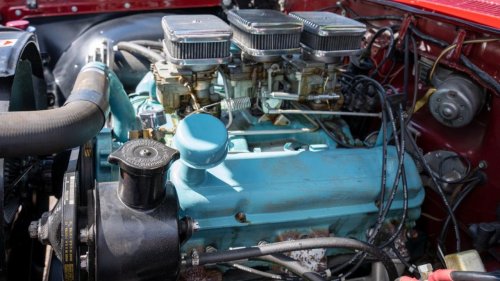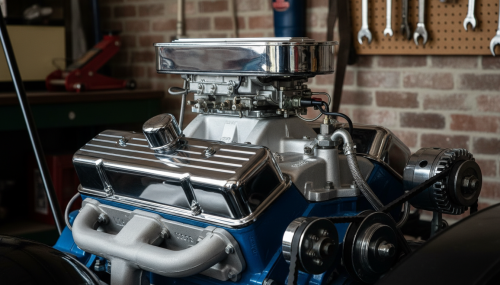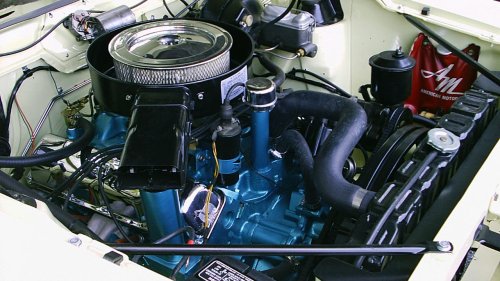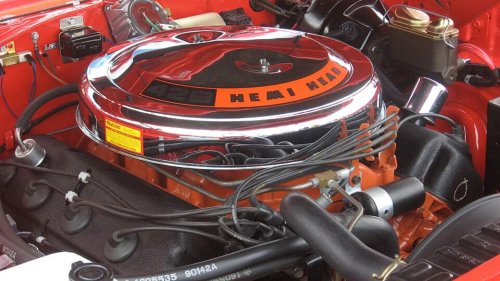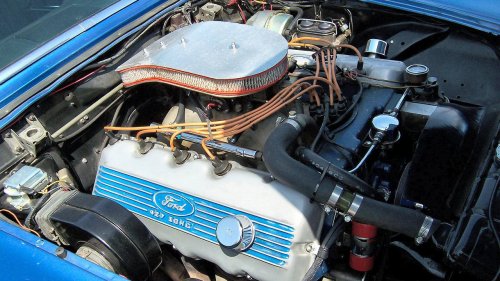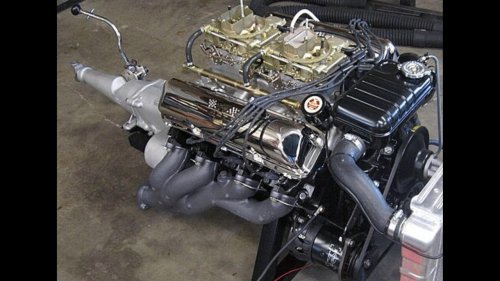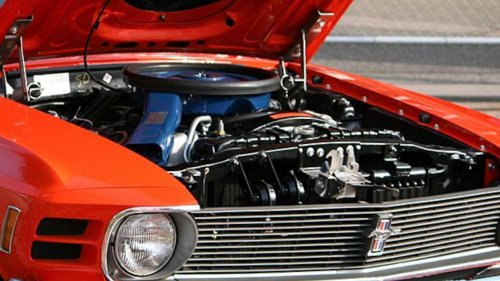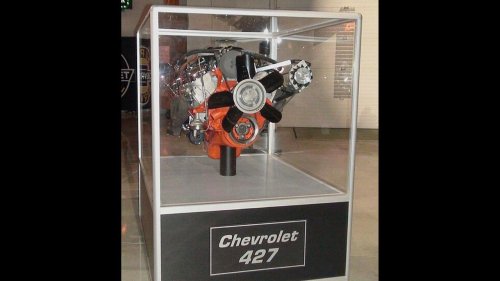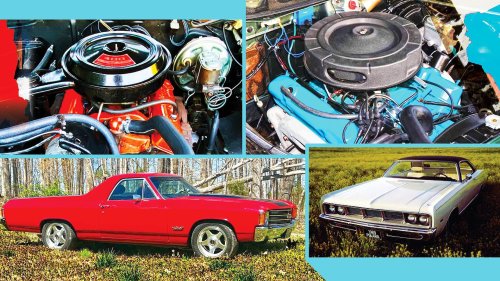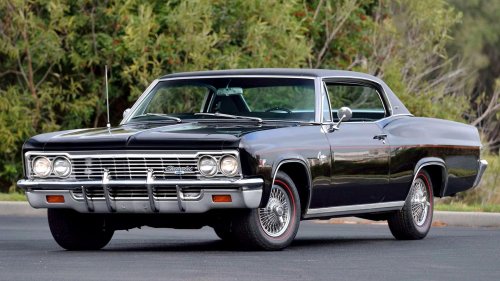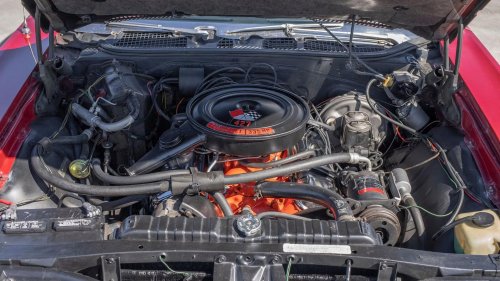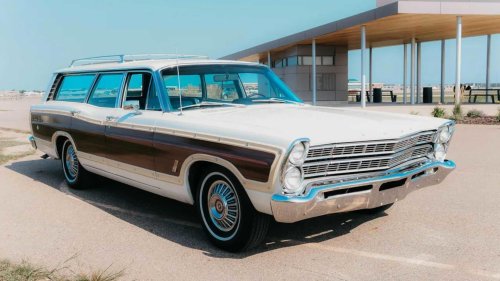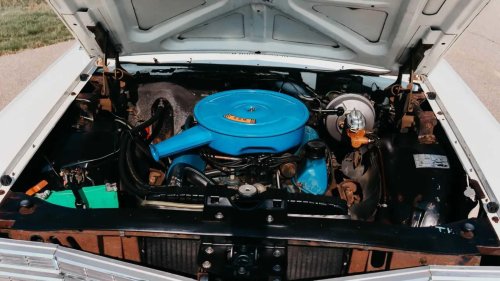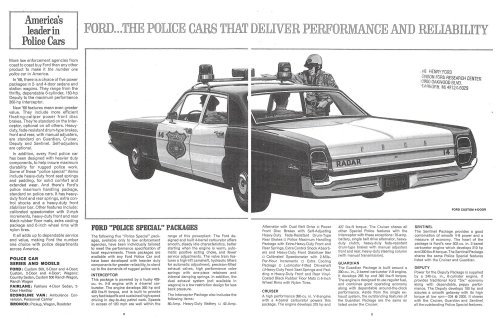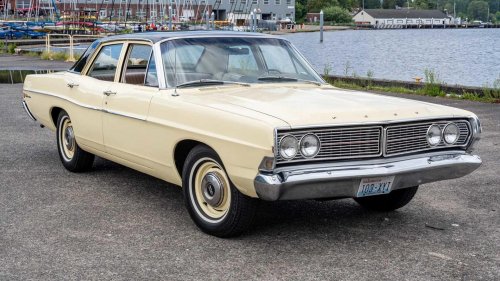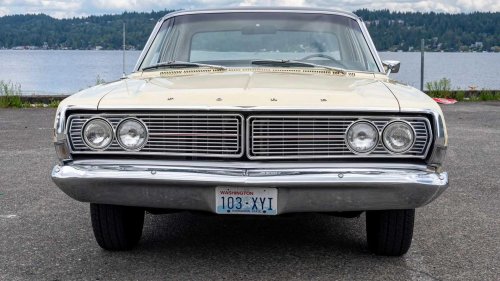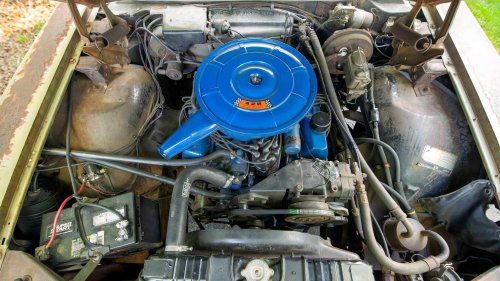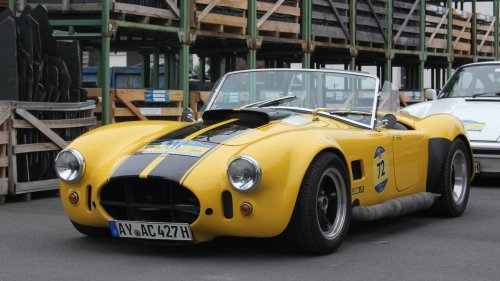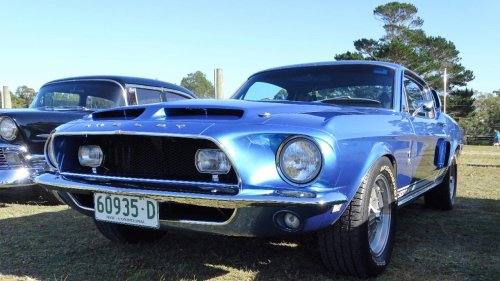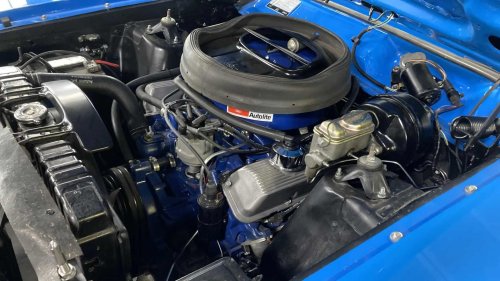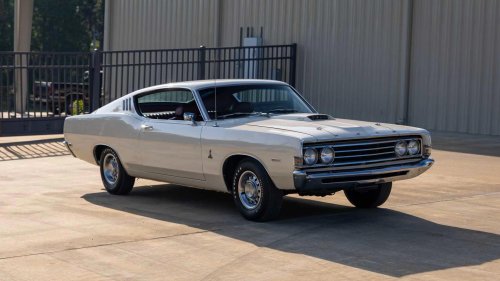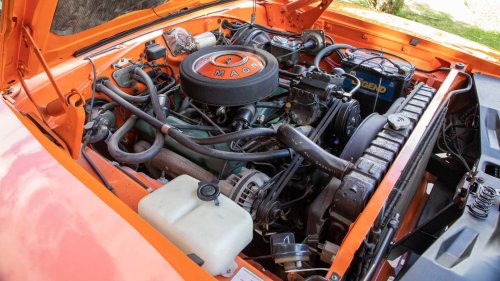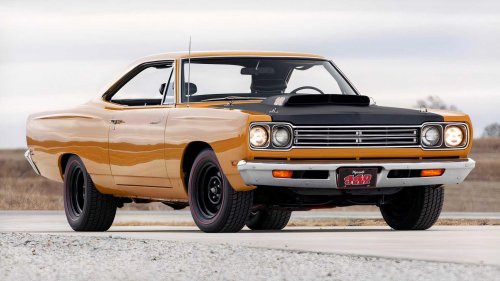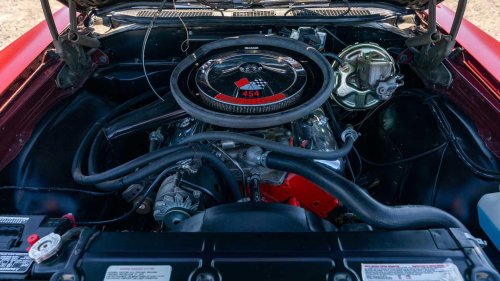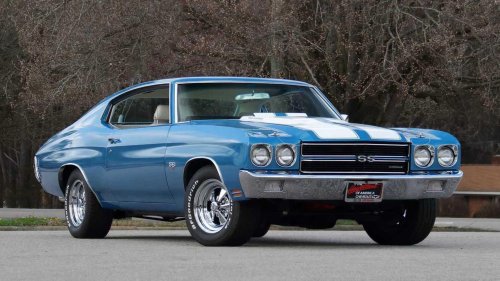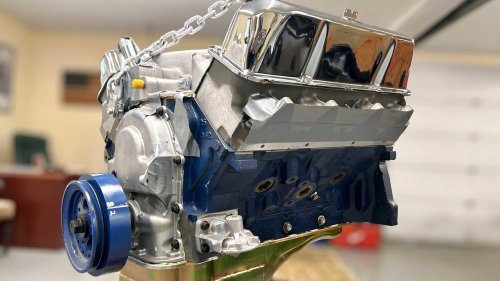
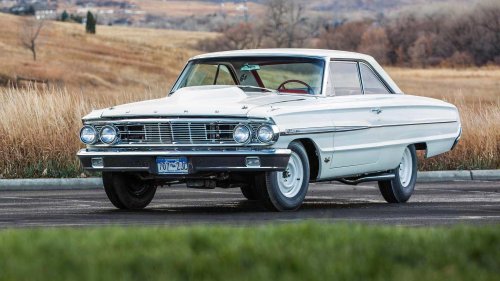
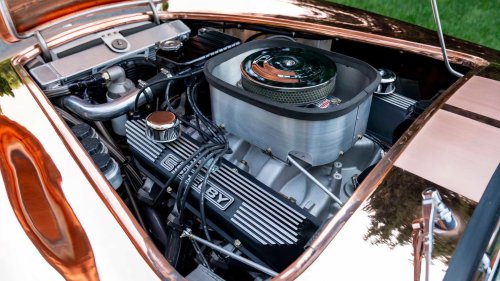
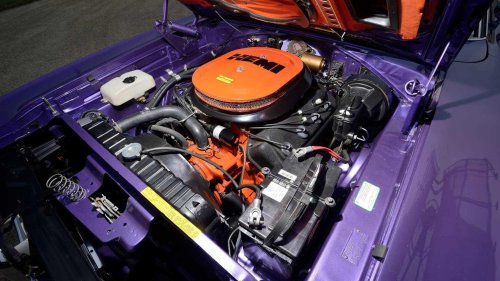
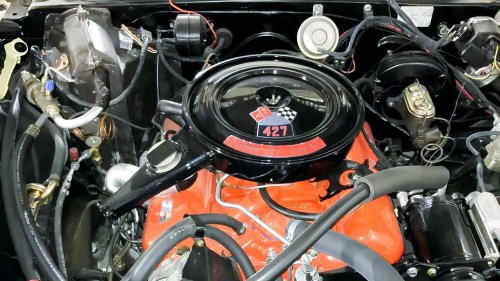
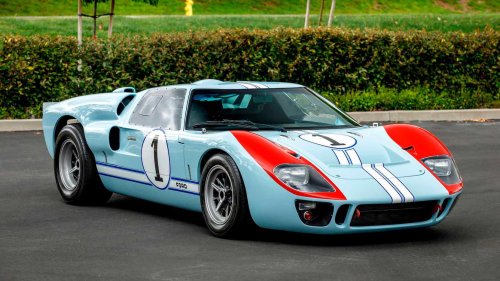
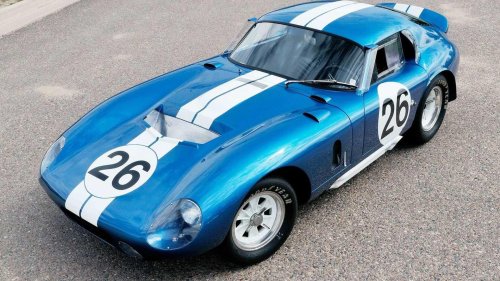


















The 1960s are seen by many as a golden era, offering a liberated generation the summer of love, flower power and Woodstock. But it was also the golden era of American muscle. The big-block V8 was in its pomp, with the likes of the Chrysler 426 Hemi and Chevy 427 MkIV bringing power to the people. Not to mention a soundtrack as iconic as anything produced by the Beatles or the Rolling Stones.But few V8s defined the era quite like the Ford FE 427. The mill that powered and helped shape an American sports car hero. It’s a legend in its own right, and it helped put American engines on a global stage. Particularly in the world of motorsport. The Birth Of The Ford FE 427 Bring A TrailerAs cars were scaling up in the 1950s and 60s, engines had to become bigger and more powerful to cope. The new range was dubbed FE, which either stands for Ford Engine or Ford-Edsel, depending on who you ask, and the most iconic of the lot displaced just under 426 cubic inches. So, naturally, Ford rounded that up to 427.For years, the FE engines were relatively under-appreciated in road-going form. However, the 427 instantly enjoyed success in NASCAR, where it took the hulking Galaxie to victory at the Daytona 500 in 1963. A "high-riser" version, with different cylinder heads, was created for 1964, but fitting it in the Galaxie necessitated changes to the hood, and the NASCAR bosses decided the higher bonnet made the car unsafe for road use, and therefore ineligible for racing. As a result, the FE 427 was banned from the sport, and the Chrysler Hemi engines cleaned up in 1964.Mecum 1963 Ford FE 427 Specs Ford, strapped for cash by the GT40 project (more on that later) and a new IndyCar engine, needed to improve the FE 427 cheaply, and created the "side-oiler" motor. A new cylinder head, side-oiler systems and larger valves were among the changes that transformed the 427 into a world-beater, taking the Ford GT40 to a 1-2-3 finish at Le Mans in 1966. From there, the FE 427's legendary status was guaranteed. Which Cars Were Powered By The FE 427? MecumLaunched in 1963, the FE 427 engine was shoehorned into the front of the Ford Galaxie, which not only made it eligible for NASCAR, but also made the Galaxie frighteningly quick. With 425 horsepower in basic street form, even the enormous Galaxie was quick off the mark. The stats show a 0-60 mph time of around five-and-a-half seconds, and a top speed of 140 mph. That's quick by modern standards, but in 1963, achieving that performance in a two-door sedan must have been little short of terrifying.While the Mustang, arguably the king of all muscle cars, never officially received the FE 427 from the factory, there are certainly plenty with that engine today, and the world is a better place for that. We do know that the engine became intrinsically linked to a certain Mr Carroll Shelby, however. It found its way into two of the great man's most famous creations: the GT40 and the AC Cobra.Elsewhere, the 427 was stuffed under the hood of the Ford Torino and the Mercury Cougar GTE. Despite the best efforts of two well-known fictional detectives, these cars don't have the legendary status of the others. Nevertheless, they have stood the test of time, and the engine is a key component of that success. How The Ford FE 427 Stacks Up Mecumm The FE 427’s natural rivals were the Chrysler 426 Hemi and the Chevy 427 Mark IV. All three engines were very similar in size, despite Ford’s embellishments of the FE’s capacity, and all three became mighty in their own right. Today, they power some of the coolest and most spectacular classic muscle cars you can buy, but how did they stack up against the Ford at the time? Chrysler 426 Hemi MecumThe Chrysler 426 Hemi powered the Dodge Challenger, Dodge Charger and Plymouth Hemi ‘Cuda. All of which are hugely desirable classic muscle cars. With its hemispherical cylinder head design promoting more efficient fuel burn, the Hemi cleaned up in NASCAR in 1964, taking the limelight away from the 1963 Galaxie. Even in its least potent state of tune, the Hemi was conservatively rated to produce 425 horsepower.The Hemi worked so well that Ford copied the hemispherical cylinder head design. But the Blue Oval never made quite such a song and dance about it, and that little bit of plagiarism slipped by almost unnoticed. In any case, the 426 Hemi was the engine that made Ford pull its socks up and create the 427s that dominated at Le Mans. Chevrolet 427 Mark IV Bring A TrailerThe Chevy 427 Mark IV came a little later than its arch rivals, in 1966, but it packed just as much of a punch. An evolution of the big-block Chevrolet engines that came before, it formed the basis of the legendary ZL1, which was essentially a Mark IV with an aluminum block and a few other tweaks, powering legendary varients of the Camaro and the Corvette.From its introduction in the mid-60s to its retirement a decade later, it powered everything from boring station wagons to muscle cars. While not all Mark IV engines had the star power of the Ford or the Hemi, it held its own. Along with the ZL1, legendary MkIV 427 variants like the L72 and L88 kept the Hemi and the Ford in check. The Engine That Made An American Legend MecumIn the mid-1960s, Ford enlisted the help of Carroll Shelby and British racing driver Ken Miles to embarrass Ferrari on European soil. Intent on beating the Prancing Horse at the 24 Hours of Le Mans, Shelby hoisted the FE 427 into the middle of the GT40, then sent it to northern France. The story, immortalized in the film Ford vs Ferrari, starring Matt Damon and Christian Bale, is the stuff of legend, and the 427 was at the heart of it. Admittedly, Ford had some issues with the GT40 MkI, but the MkII ruled the roost in 1966, beating the Ferraris to first, second and third places.The engine wasn't quite like the street-legal motors found in common-or-garden Ford models. It was a tuned, modified and upgraded version that would give the GT40s the power they needed to beat the Italians. Yet the Ford was hardly new-age technology, given the Ferraris were competing with the 7.0-liter while running 4.0-liter engines. The fact of the matter was, despite the FE 427 improvements, Ferrari was getting more bang for its cubic-inch.MecumBut as the saying goes, there ain't no replacement for displacement, and that was far from the end of Shelby’s association with the FE 427. The American engineer had already turned the British AC Ace sports car into the muscular Cobra, with the help of a Ford small-block V8, but the thirst for power didn’t stop there. The Cobra MkIII eventually received the 427 engine. It turned out to be so powerful the chassis needed redesigning, and a coupe version was created. The Shelby Daytona Coupe is now one of the most desirable Cobras out there, with original cars fetching more than $1 million at auction.You can spend a fortune on pretty much any car with the FE 427 in it these days. If you want a GT40, particularly one of the Le Mans cars, you had better have deep pockets. Back in 2018, the car that finished third in the 1966 race sold for just shy of $10 million, while a recent Mecum auction saw a pristine, never-raced GT40 MkII Factory Lightweight fetch more than $12 million.Yet even more mundane stuff is fetching mega bucks. The average value of a first-generation Mercury Cougar has topped $45,000 this year, according to data from Classic.com, while first-generation Ford Torinos are apparently fetching similar money. And if you want an early Galaxie, the average sale price is hovering around the $35,000-$40,000 mark.