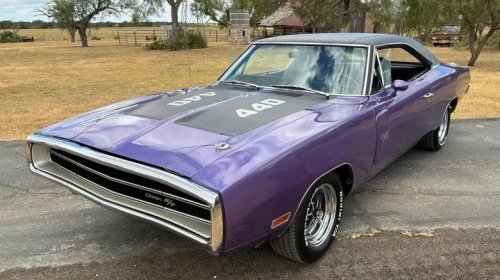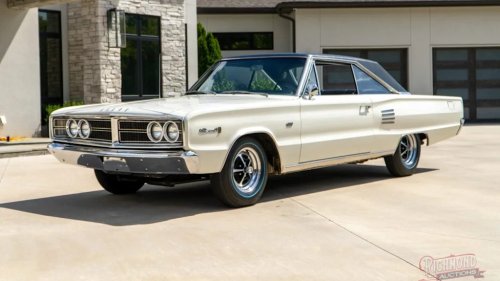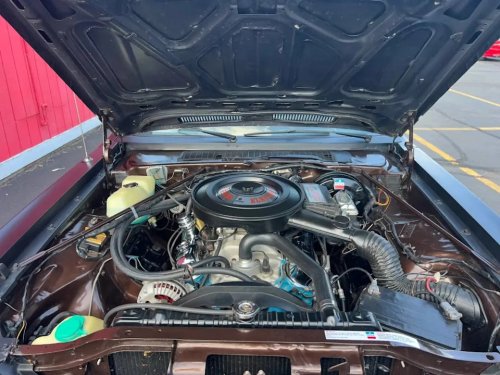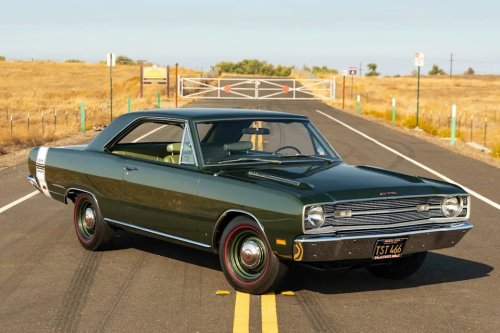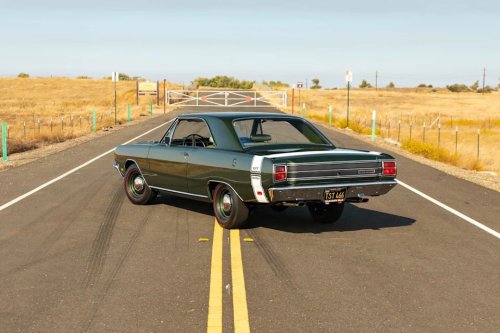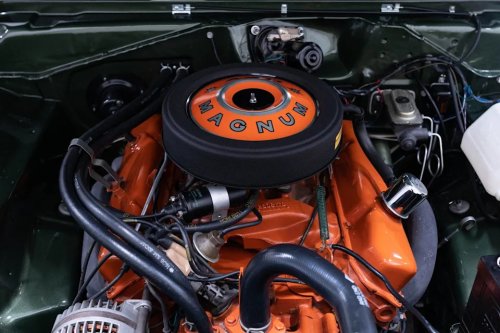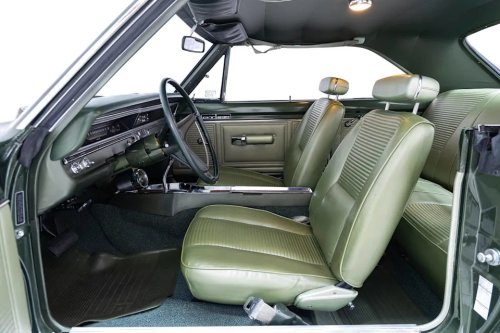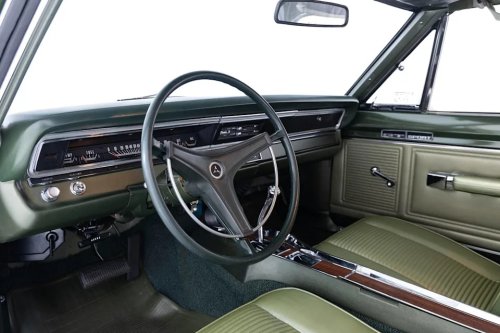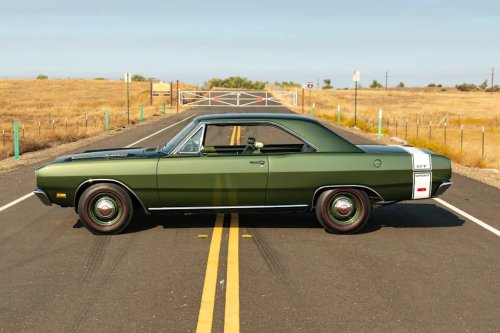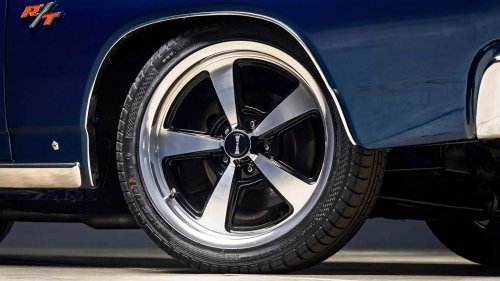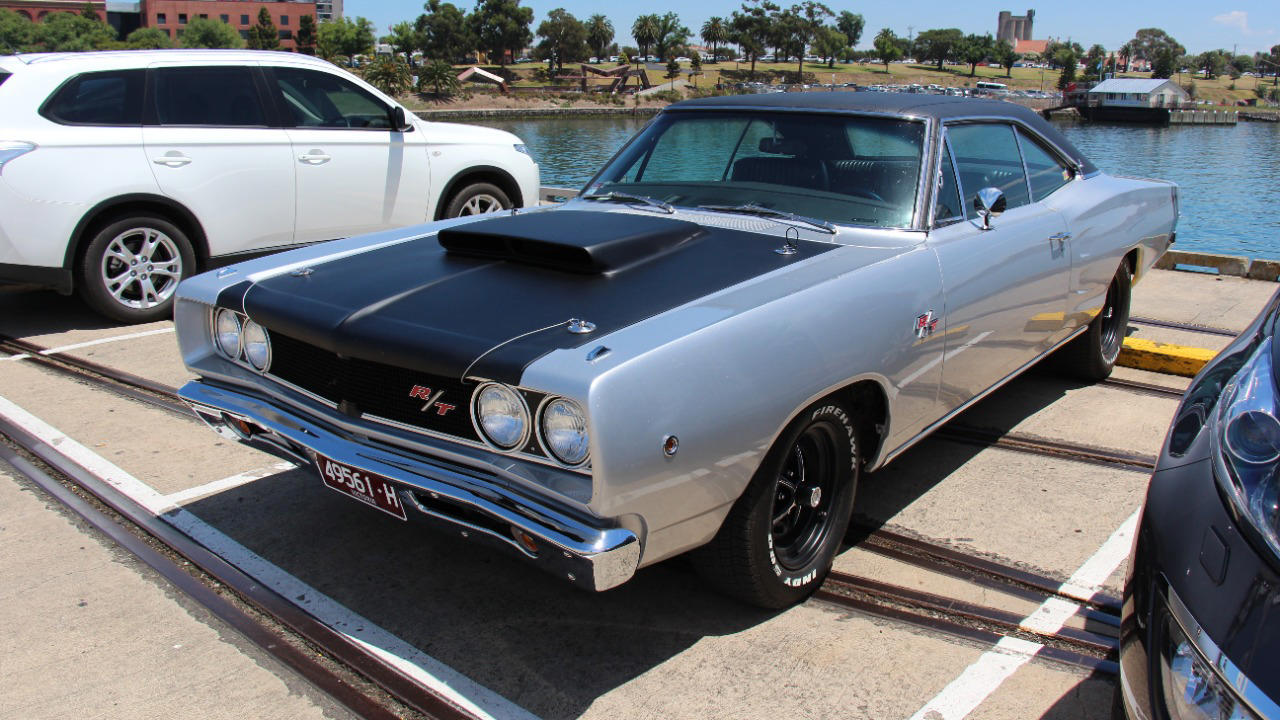



















Big block muscle defined the 1968 Dodge Coronet R/T 440 experienceThe 1968 Dodge Coronet R/T 440 sat at the crossroads of Detroit style and raw big block authority. Its mission was simple: wrap Chrysler’s largest street engine in a clean, mid-size body and let the numbers and the noise define the experience. For drivers then and collectors now, the car’s identity begins and ends with that 440-cid Magnum V-8 and the way it turned a family-sized Dodge into a serious performance statement. The mid-size Dodge that decided to be a muscle car By the late 1960s, the Dodge Coronet had evolved into a full mid-size lineup, but the R/T badge turned it into something more focused. The model sat within a family of mid-size Dodges that received what period literature called All New Styling for 1968, with bodies described as smoother and more rounded than earlier versions. The Coronet shell that year was not wild or flamboyant, which made the performance hardware underneath stand out even more. Within that range, the Coronet R/T (short for Road/Track) was the performance flagship. A Facebook group dedicated to Dodge Coronet history describes the 1968 models as prime examples of Mopar muscle in its prime, and the R/T was the purest expression of that philosophy. It kept the basic mid-size practicality but paired it with serious power and a suspension tuned for straight-line speed and confident highway cruising. Big block at the center: 440-cid Magnum V-8 The core of the Coronet R/T story is the standard 440-cid Magnum V-8. Technical data from a period profile explains that this engine carried a 4.32 inch bore and a 3.75-inch stroke, combined with a 10.1:1 compression ratio, figures that made the big block both responsive and durable in street use. The same profile notes that the 440-cid Magnum V-8 used in 1968 was essentially unchanged from the previous year, which meant Dodge was confident enough in the package to carry it forward without major revision. On paper, the 440 was Chrysler’s largest passenger car engine, displacing 440 cu in (7.2 L) and rated at 375 bhp in R/T trim. Reference material on the Dodge Coronet identifies this engine as the standard powerplant for the R/T and confirms the 375 figure, with the performance version branded as the Magnum. A separate enthusiast summary of the R/T reinforces that the car came with a 440 cubic-inch Magnum V8 producing 375 horsepower, and even labels this combination under the heading Standard Big Block, underscoring how central this engine was to the car’s identity. Those numbers placed the Coronet R/T firmly among the most serious factory muscle cars of its era. The 440’s torque-rich character meant strong acceleration even with highway-friendly gearing, and the Magnum calibration gave it a distinct performance image within the Chrysler lineup. Owners and restorers still refer to the engine simply as the Magnum, a name that has become shorthand for big block Mopar authority. Inside the 440: hardware that shaped the drive The 440-cid Magnum V-8 in the Coronet R/T was not just about displacement. The 4.32 by 3.75-inch internal dimensions and 10.1 compression ratio were part of a broader engineering approach that favored strong low and midrange pull over peaky top-end power. Period descriptions of the 1968 R/T’s engine bay show a relatively straightforward layout, with the big block filling most of the space but still leaving room for service access, a reminder that this was meant to be a usable street car rather than a fragile race special. Factory brochures for the 1968 Coronet lineup, preserved in a scanned Page from the original sales material, framed the R/T in bold marketing language. One line in the R/T section reads, “RT. What it hasn’t. got, you don’t need. Are you the kind who looks for sheer excitement. in a car? Then here is the one for you.” The phrasing may be dramatic, but it matches the hardware. The 440 Magnum V-8, backed by heavy-duty driveline components, delivered the kind of immediate response that made the slogan feel earned on a test drive. Modern dealer-style descriptions of surviving cars continue to highlight the 440 Magnum V8 as the centerpiece. One such listing specifies an Engine Type identified as a 440 Magnum V8, paired with a 4 Speed Manual A833 transmission. That same description notes an Axle Specification of 8 3/4 3.23 Sure Grip, a combination that balanced off-the-line punch with relaxed cruising. The 3.23 ratio, paired with the broad torque curve of the big block, helped the R/T feel quick in real-world driving without turning every highway trip into a high-rpm exercise. Styling that let the engine speak The 1968 Coronet body was redesigned with what factory literature called Completely restyled lines. The new Coronet profile was smoother and more rounded, with less of the sharp-edged look that had defined earlier models. On the R/T, that relatively clean shape was accented by performance cues such as a dual-scoop hood, R/T badging, and available bumblebee stripes on the tail, but the overall effect remained more restrained than some rival muscle cars. Video walkarounds and enthusiast clips of surviving 1968 Coronet R/Ts, such as one labeled Steel and Soul, emphasize how the body and engine work together. The footage highlights the “distinctive dual scoop hood” and the way the car’s stance suggests power without relying solely on graphics. The Coronet RT Take on styling was to let the proportions and the big block soundtrack carry much of the message. Compared with flashier siblings like the Charger, the Coronet R/T looked closer to a well-optioned family sedan at a glance. That made the performance feel more surprising to anyone who judged the car only by its sheetmetal. For owners who wanted serious speed without the full show-car treatment, that understated approach was part of the appeal. Road manners: from boulevard to drag strip On the street, the 440 Magnum made the Coronet R/T feel muscular at almost any speed. Contemporary accounts and later enthusiast recollections describe strong midrange acceleration that arrived with minimal provocation from the throttle. The 440’s combination of displacement and compression gave the car enough torque to pull hard even in higher gears, something that drivers noticed when merging onto highways or rolling into the gas at passing speeds. The R/T package included heavy-duty suspension pieces and upgraded brakes, tuned for the extra weight and speed potential of the big block. While exact spring and damper rates are not detailed in the available sources, modern parts catalogs linked from the 1968 mid-size fact sheet, including Dodge Mid spring applications, show that the R/T used specific components distinct from base Coronets. That hardware helped the car remain stable during high-speed cruising and quarter-mile runs, even if it was never intended to be a nimble canyon carver. Owners in video features often emphasize the car’s dual personality. A clip focused on a Dodge Scat Pack Coronet R/T 440 describes it as a pride and joy that can be driven to shows, cruised comfortably, and still deliver a quick blast of acceleration on demand. The combination of a big block, a 4 Speed Manual, and a Sure Grip rear axle gave the R/T enough traction and control to put its power down without feeling unruly in everyday use. Options and the shadow of the Hemi While the 440 Magnum defined the typical Coronet R/T, the model also offered an optional Hemi V8 for buyers who wanted even more performance. Enthusiast coverage of the 1968 Dodge Coronet R/T notes that two engines were available, starting with the standard 440 and extending to a Hemi option. A separate walkaround video of a 1968 Hemi Coronet R/T, labeled as a Hemi car, shows how rare and specialized those versions were. Even with the Hemi in the catalog, the 440 Magnum remained the heart of the R/T line. The Facebook summary that tags the 440 Magnum V8 under “Standard Big Block Power” makes clear that this was the configuration most buyers encountered. It was less temperamental than the race-bred Hemi, easier to maintain, and more forgiving of regular street fuel, which made it the practical choice for drivers who wanted strong acceleration without the quirks of a competition engine. How the Coronet R/T 440 fit into the Mopar family The 1968 Coronet R/T did not exist in isolation. It shared its basic platform with other Mopar performance models, including the Super Bee and the Charger, and it drew on the same parts bin for engines, transmissions, and rear axles. Spring application charts for the Coronet and Super Bee, accessible through Size Cars Fact references, show how Dodge tuned each variant for its intended role, from budget street bruiser to more upscale performance coupe. Within that ecosystem, the Coronet R/T 440 occupied a middle ground. It was more refined than a stripped Super Bee, with additional comfort and appearance options, yet more understated than a Charger with its fastback profile and higher profile image. The R/T’s focus on big block power in a relatively conservative body gave it a unique personality in the Mopar lineup. Other Coronet trims, such as the Coronet 500, could also be ordered with big block power. A test drive video of a 1968 Dodge Coronet 500 with a 440 Big Block shows how the engine transformed even non-R/T models. However, the R/T combined that power with specific suspension, badging, and interior touches that signaled its status as the dedicated performance flagship. From dealership brochure to collector favorite Period marketing channels for the Coronet R/T ranged from print brochures to dealer promotions and enthusiast coverage. Modern links that trace back to a Car of the feature on the 1968 Dodge Coronet R/T show how the car has moved from new-car spotlight to historical favorite. Connected subscription and marketplace pages, such as Discovered ordering portals and Car of the classified listings, underline the continued interest in these cars among collectors and restorers. Social media channels linked to that coverage, including the Car of the Facebook presence and related Dodge Coronet discussions on Twitter, keep the 1968 R/T in circulation among enthusiasts who trade photos, restoration tips, and market observations. The car’s blend of big block performance and relatively understated styling has helped it age gracefully in a collector market that sometimes swings between pure nostalgia and modern usability. Living with a 1968 Coronet R/T 440 today Owning a 1968 Coronet R/T 440 in the present day means managing both mechanical realities and historical expectations. The 440 Magnum V-8, with its 4.32 by 3.75-inch architecture and 10.1 compression, remains a stout and serviceable engine, but it demands careful tuning and quality parts. Modern suspension and spring suppliers, some of which connect back to the 1968 Over Drive Magazine fact set, offer stock-style and performance upgrades that let owners maintain original ride height and handling balance while improving durability. More from Fast Lane Only Unboxing the WWII Jeep in a Crate 15 rare Chevys collectors are quietly buying 10 underrated V8s still worth hunting down Police notice this before you even roll window down