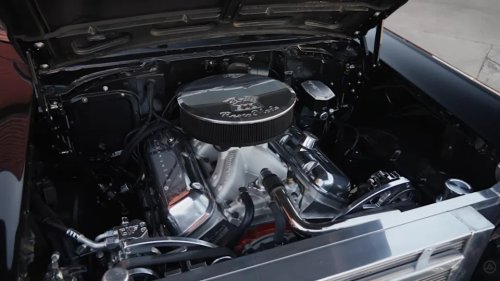
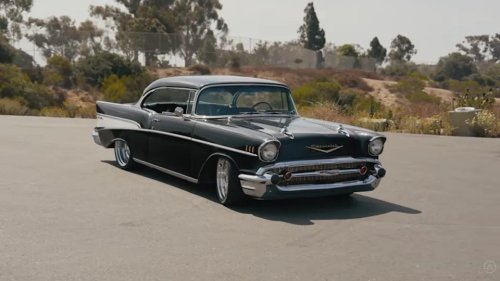
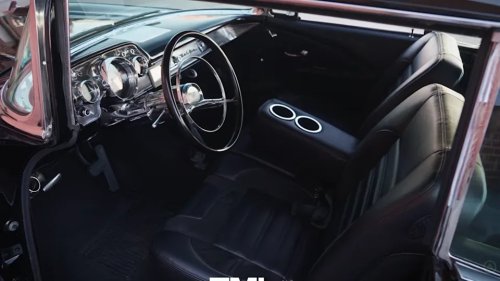
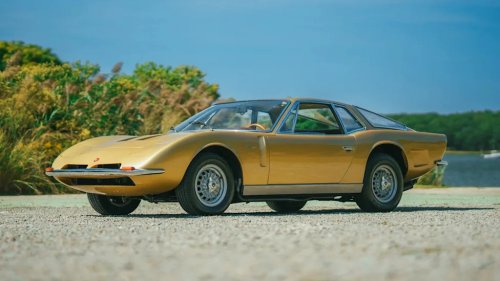
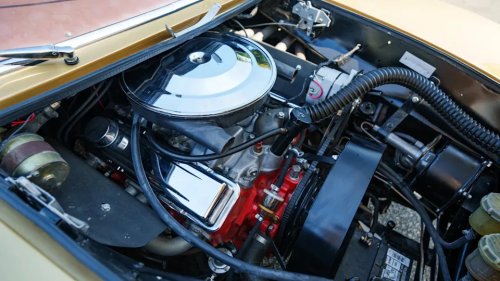
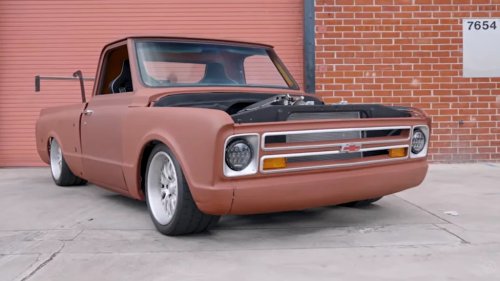
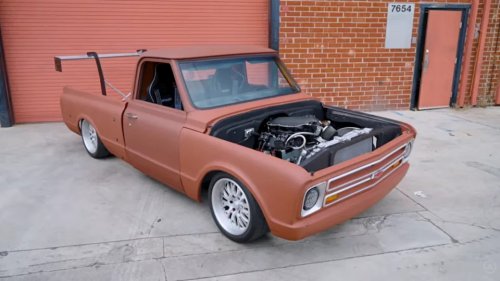
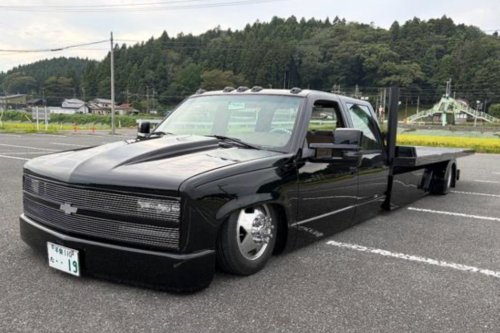
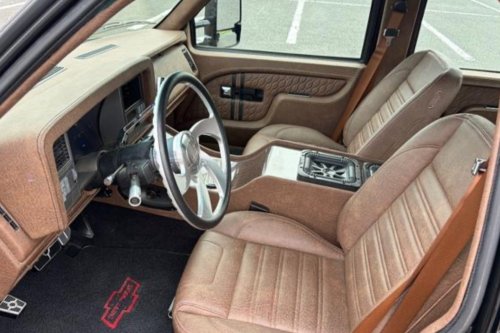
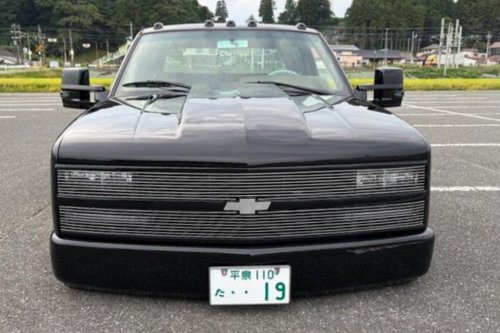
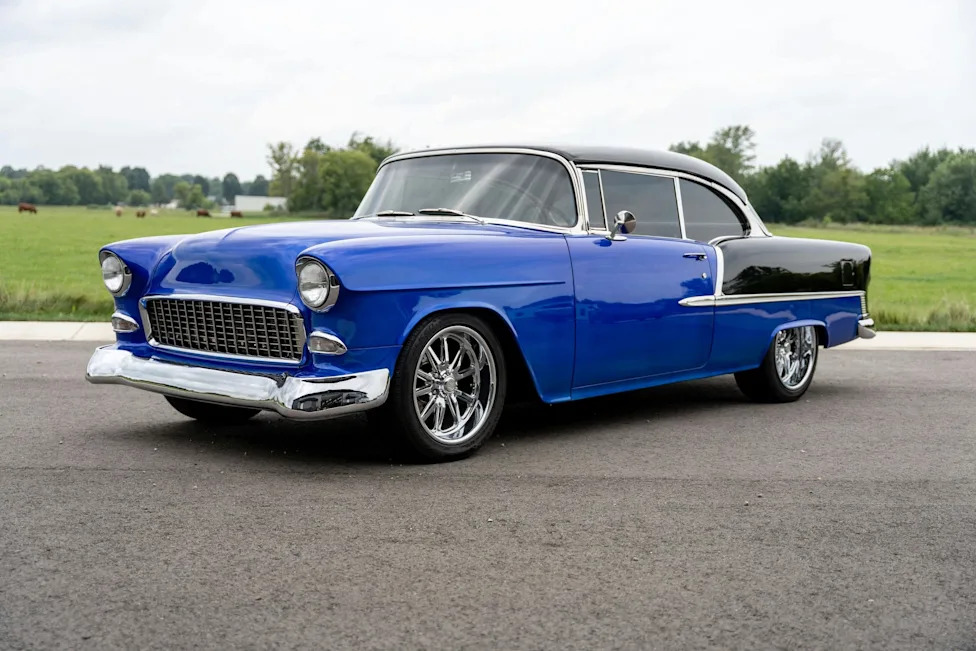
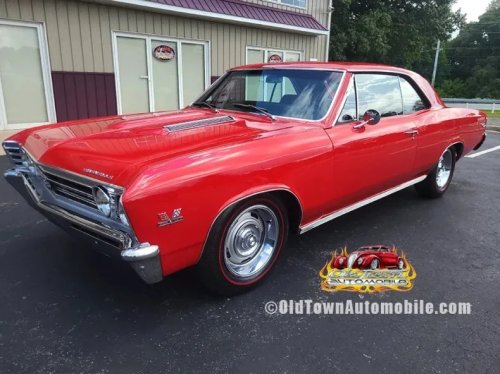
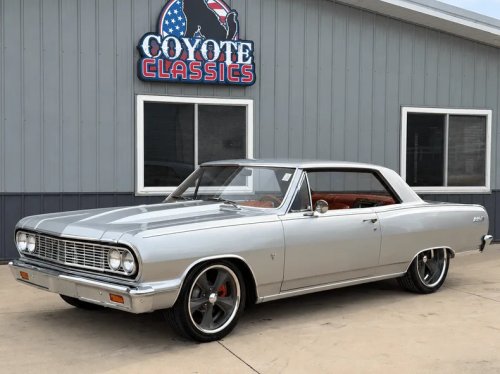
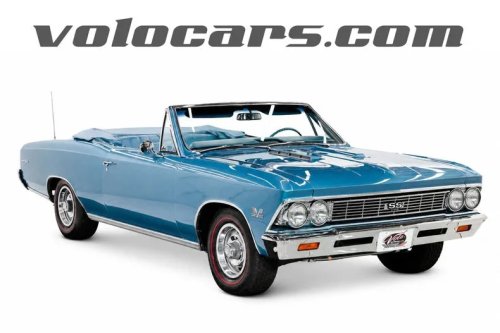
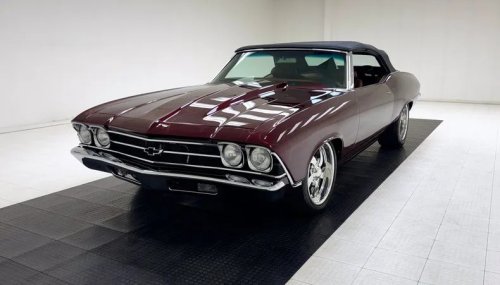
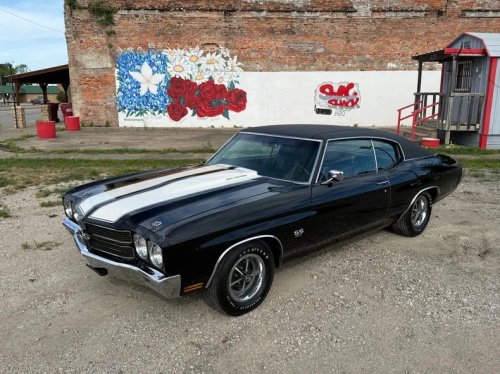
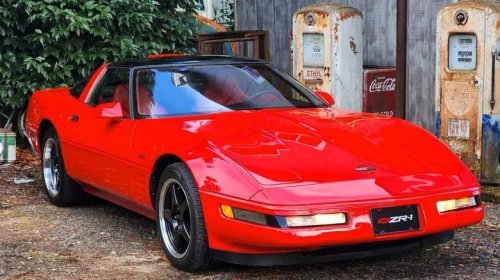
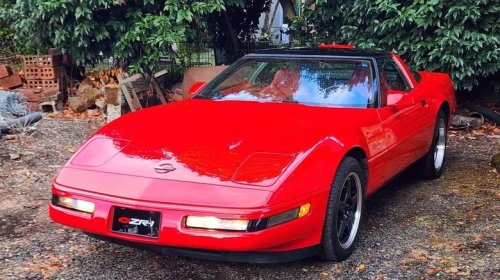
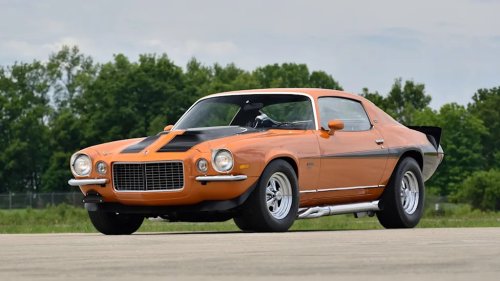
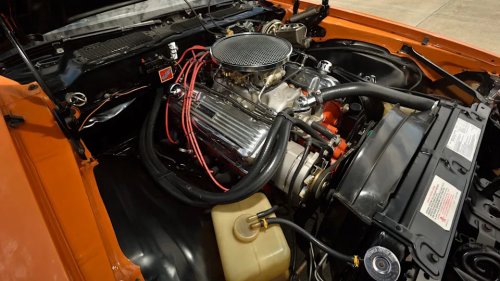
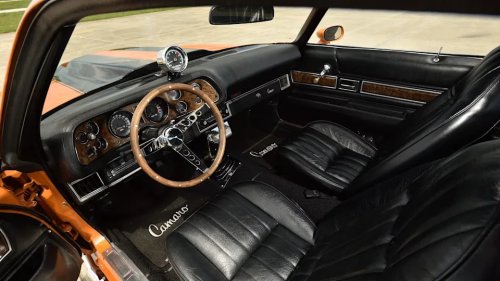
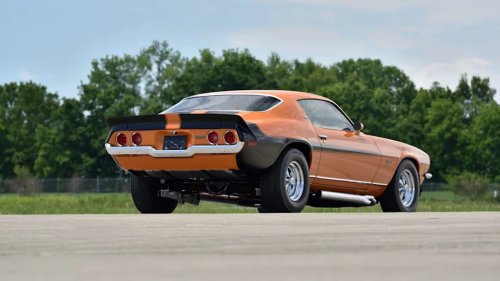
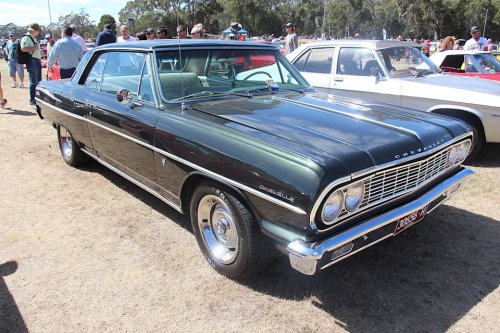
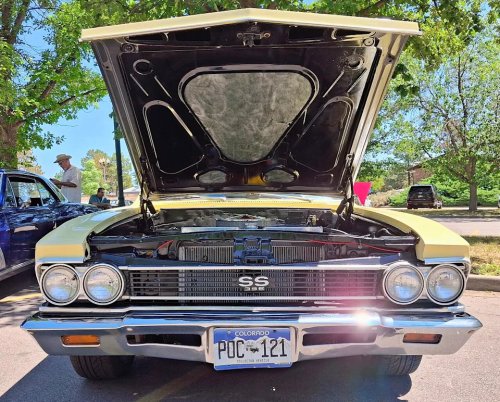
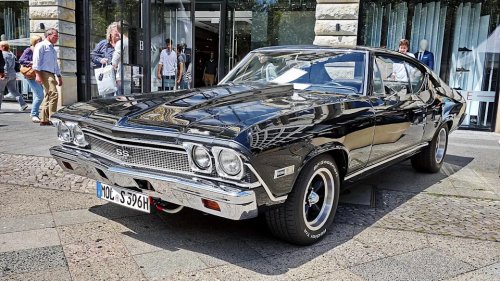
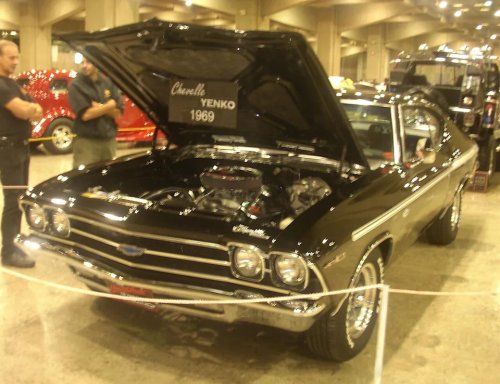
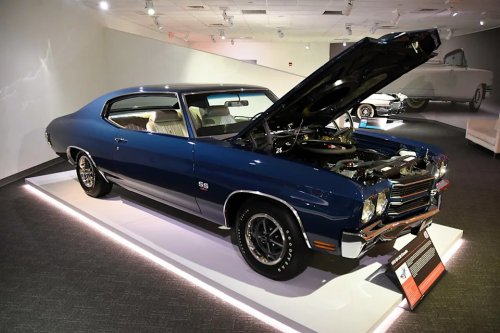
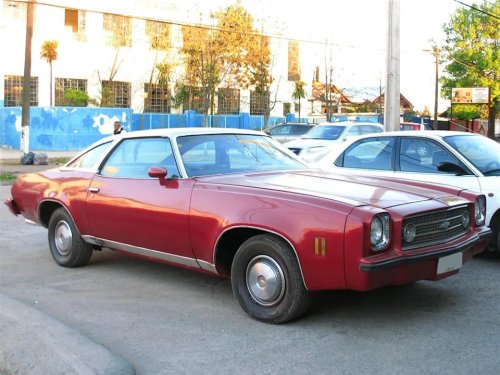
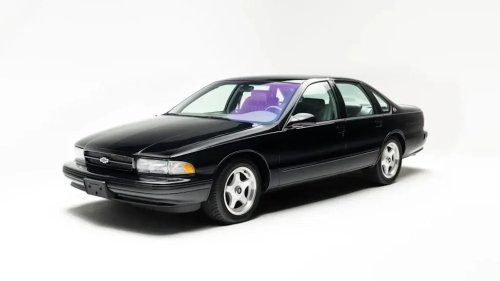
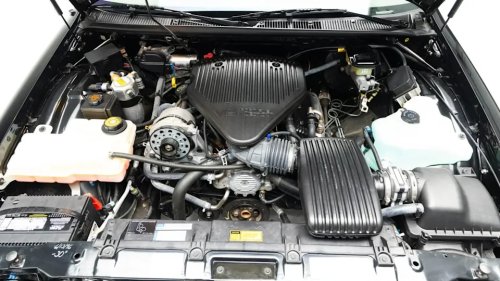
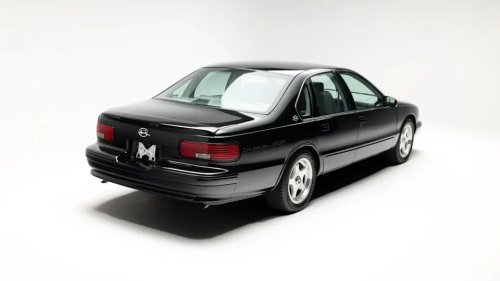
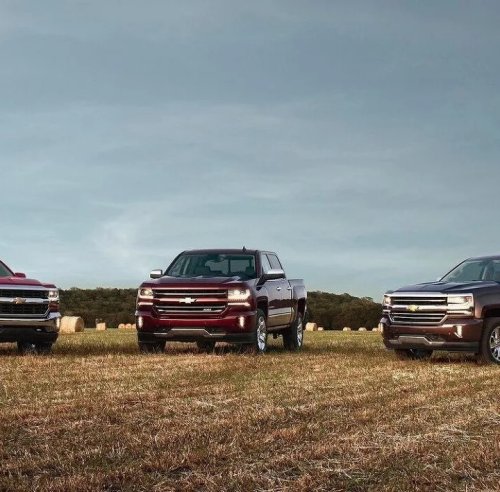
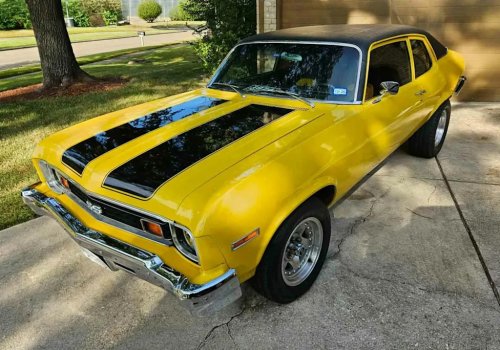
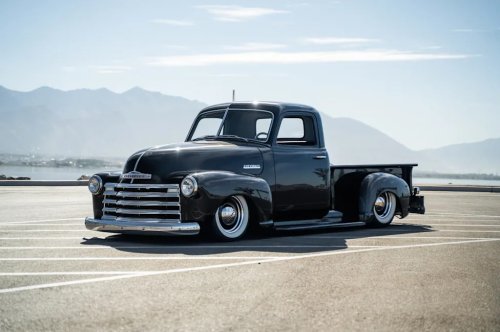
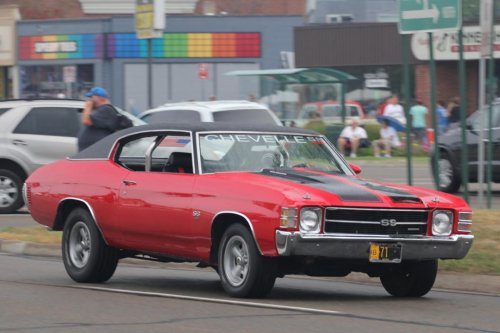
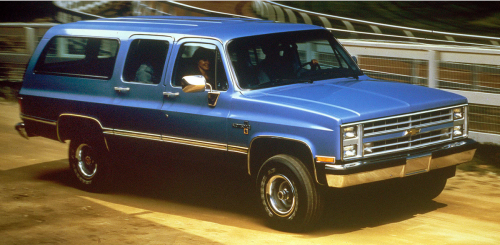
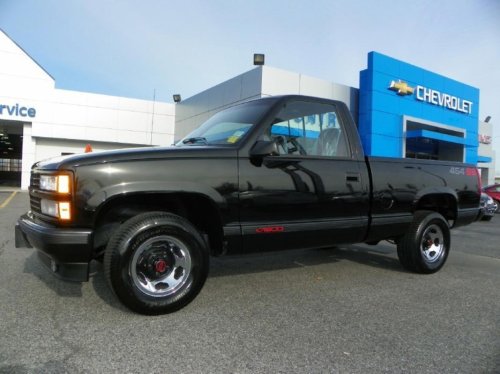
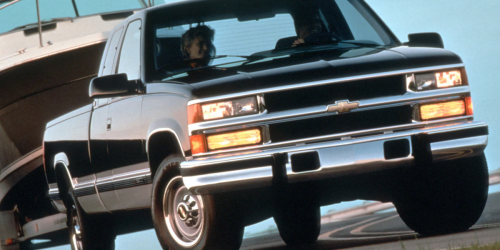
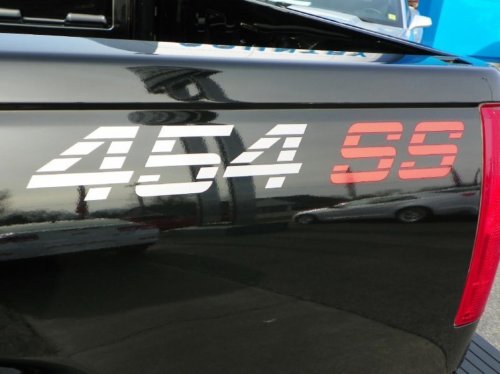
The Chevy 454 Big Block V8 is one of the most legendary powerplants in American automotive history. Known for its massive displacement and stump-pulling torque, it powered everything from muscle cars to heavy-duty workhorses. We look into its history and the legacy it left behind.The Debut of a Legend: The 454 Big Block The Chevrolet 454 cubic-inch V8 debuted in 1970 as part of the "Mark IV" generation of big-block engines. 454 cubic inches translated to 7.4-liters, making this one of the biggest capacity motors of its time, which is saying something. It was the most advanced evolution of the Chevy Big Block yet, but unfortunately arrived just before the onset of the 1973 oil crisis which precipitated the stricter emissions regulations that soon had the auto entire industry moving to smaller capacity, lower output motors.Technically, the engine was a marvel of its time, the high-performance LS6 variant produced a staggering 450 horsepower and 500 lb-ft of torque, making it one of the most powerful factory engines of the era. This top-spec LS6 motor had a forged steel crankshaft and connecting rods, forged aluminum pistons, solid lifter camshaft, and an aluminum intake manifold. Although less performance-oriented 454s had less exotic cast pistons and crankshafts. When fitted to the Chevelle SS, though, the LS6 could reel off sub-13 second quarter miles.Production Vehicles: From Muscle to Workhorse While the LS6 initially stole the show, the 454 wasn’t just developed to power muscle cars, it was a versatile motor that found its way into a diverse array of GM vehicles. As the market shifted away from performance vehicles in the mid-1970s, it became the primary choice for heavy-duty applications as well as vehicles as diverse as pickups, motorhomes and full-size sedans. And while it delivered impressive power figures, it was the massive amount of torque that made it the engine of choice in several GM products over the years.Aside from the Chevelle SS, other notable vehicles included performance and luxury cars like the C3 Corvette, Monte Carlo, El Camino, and the full-size Caprice and Impala sedans. The 454 also found its way into the Chevy C/K and GMC Sierra 2500/3500 series trucks, as well as the Suburban 2500, and even a heavy-duty 454 SS pickup.Pros, Cons, and Evolution The 454 is celebrated for its immense torque and robust, simple design, which makes it highly reliable and easy to work on. However, it is equally famous for its poor fuel economy, often in the single digits, and significant weight, which makes it unsuitable for fitment in smaller vehicles. The 454 motor remained in production from 1970 all the way until 2000 and went through several updates and refinements. Here are some of the highlights:1970–1975: Focus on high-compression performance (LS5/LS6), followed by a transition to lower compression for unleaded fuel.1987: Introduction of the L19 variant. It added Throttle Body Injection (TBI) for better efficiency and cold-weather performance.1991 (Gen V): Structural upgrades including a one-piece rear main seal and 4-bolt main caps for increased durability.1996 (Gen VI/Vortec 7400): Introduced multi-port fuel injection, a hydraulic roller camshaft, and improved cylinder heads. Testing Standards and Emissions Legislationscreenshot-2026-03-27-at-09-13-28-big-block-engine-timeline-chevrolet-performance-parts While the earliest LS6 motor boasted 450-hp, this was measured using the pre-1972 SAE gross figures which didn’t consider accessories like water pumps, air cleaners or even mufflers. The more representative Net horsepower ratings brought that figure down by around 20% to 360-hp, and as emissions legislation tightened, the mighty 454 was hobbled even further. LS5-spec engines were down to 245-hp, and the L19 engines were even further hobbled with small intake ports and lower compression ratios to deliver just 230-hp.Torque figures dropped, too, but not as much thanks to the massive engine capacity. By the time the Gen VI versions were introduced, several technical updates helped mitigate these losses, and even though these engines were profiled for torque over power they produced close to 300-hp using the stricter Net rating, and torque figures were also well over 400 lb-ft.Thanks to its longevity, reliability and simple design, this engine also developed a robust enthusiast community, and there are several popular aftermarket mods available for these engines which help unlock even more power and performance. Some mods just remove the factory restrictions, while others introduce more modern air intake and fueling solutions. Common 454 Modifications include:Aluminum Cylinder Heads: Replaces heavy cast-iron heads to improve airflow and reduce front-end weight.Camshaft Upgrades: Installing towing-optimized or high-lift cams to shift the power band up or down the rev range.Electronic Fuel Injection (EFI) Conversions: Modernizing the fuel delivery for better reliability, more power and effortless cold starts.Long-tube Headers: Replacing restrictive factory exhaust manifolds to help the engine breathe.The Future of the 454 While the Gen V 454 officially ended production in 1995, and Gen VI variants were sold until 2000, its legacy is far from over. It remains one of the most popular engines in the aftermarket community. Today, Chevrolet Performance still offers the 454 as a crate engine in either 438-hp 454 HO, or 469-hp ZZ454 versions. allowing enthusiasts to drop brand-new, factory-built Big Blocks into project cars and restorations. While modern engines may offer much more advanced tech, there is something raw and elemental about a good old naturally aspirated V8, and every true enthusiast knows that there is no replacement for displacement.GM clearly felt this way too, as the 454 was succeeded in the lineup by the even larger Vortec 8.1-liter V8. This engine carried the torch for the Big Block family until the mid-2000s, before GM eventually moved toward the high-displacement Small Block LS and LT engine families and Duramax diesels for its heavy-duty trucks. The 454 remains a high point in GM’s history, and thanks to a robust aftermarket community and factory support, it will continue to live on for some time yet.



















 +51 others