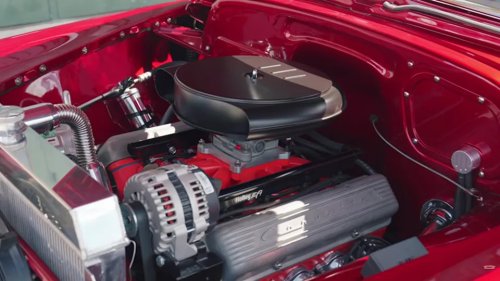
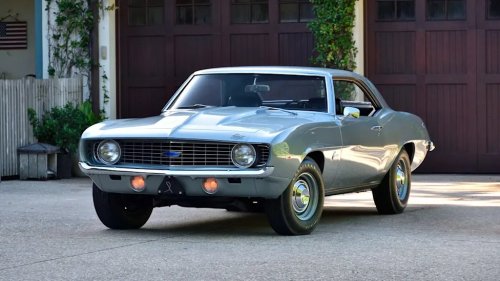
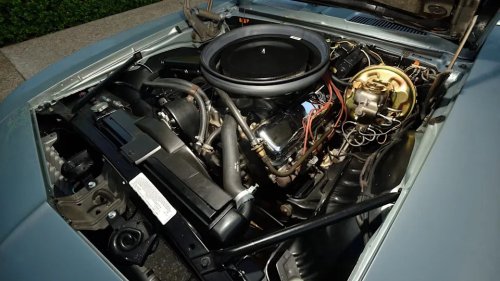
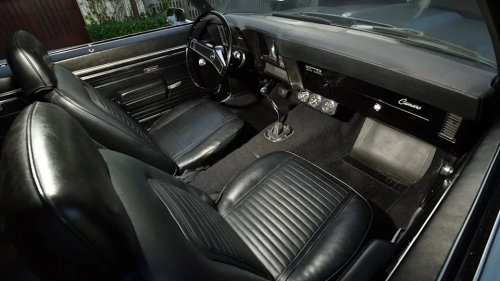
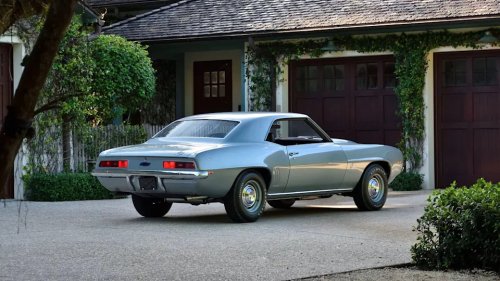
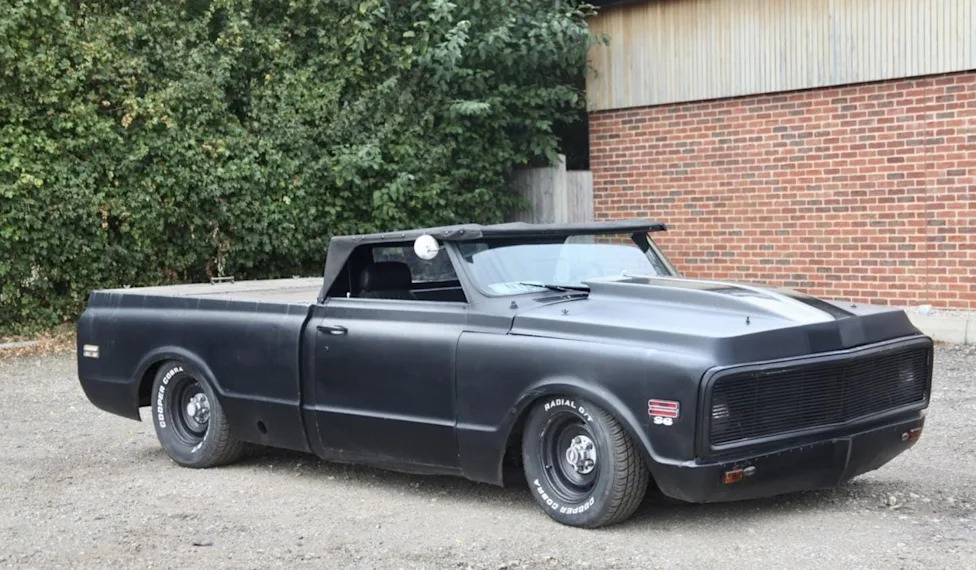
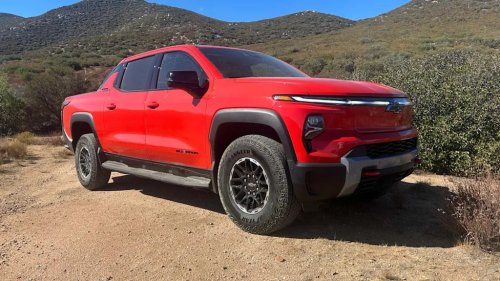
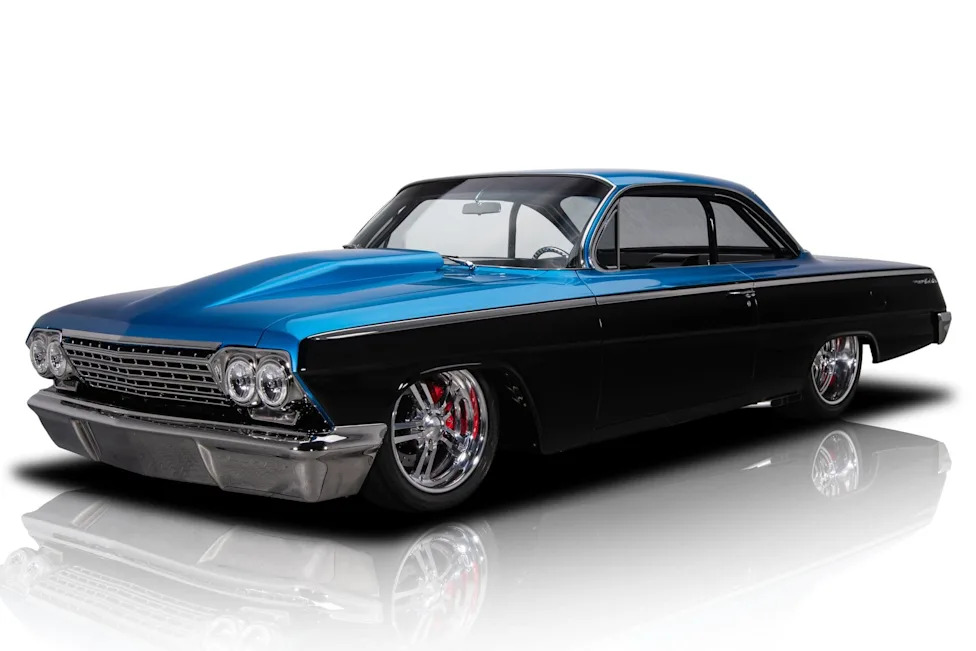
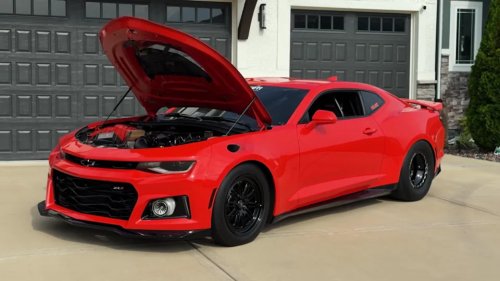
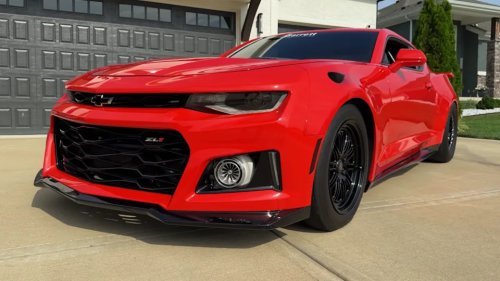
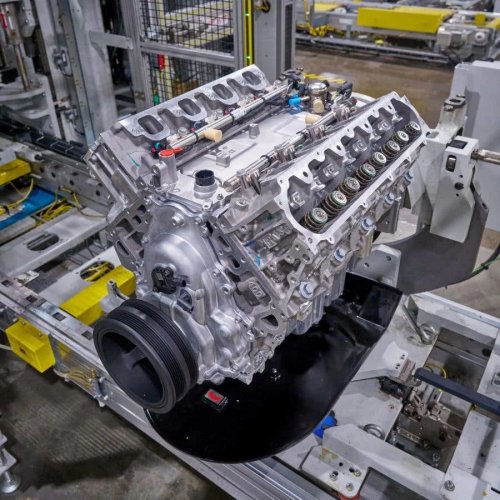
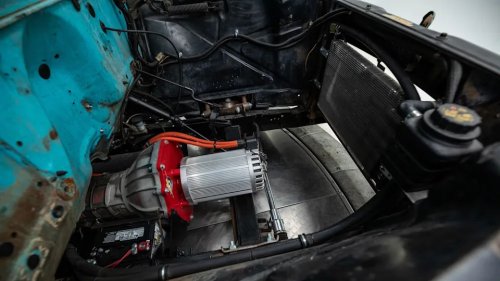
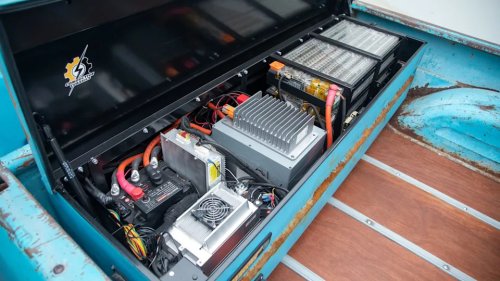
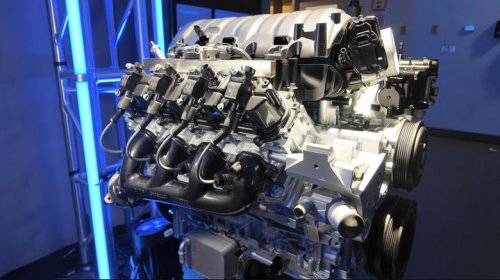
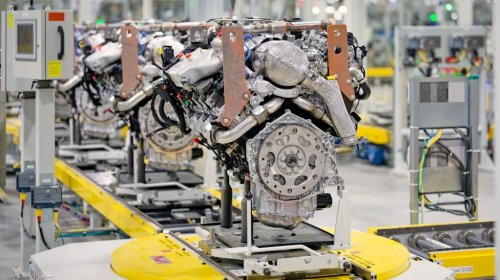
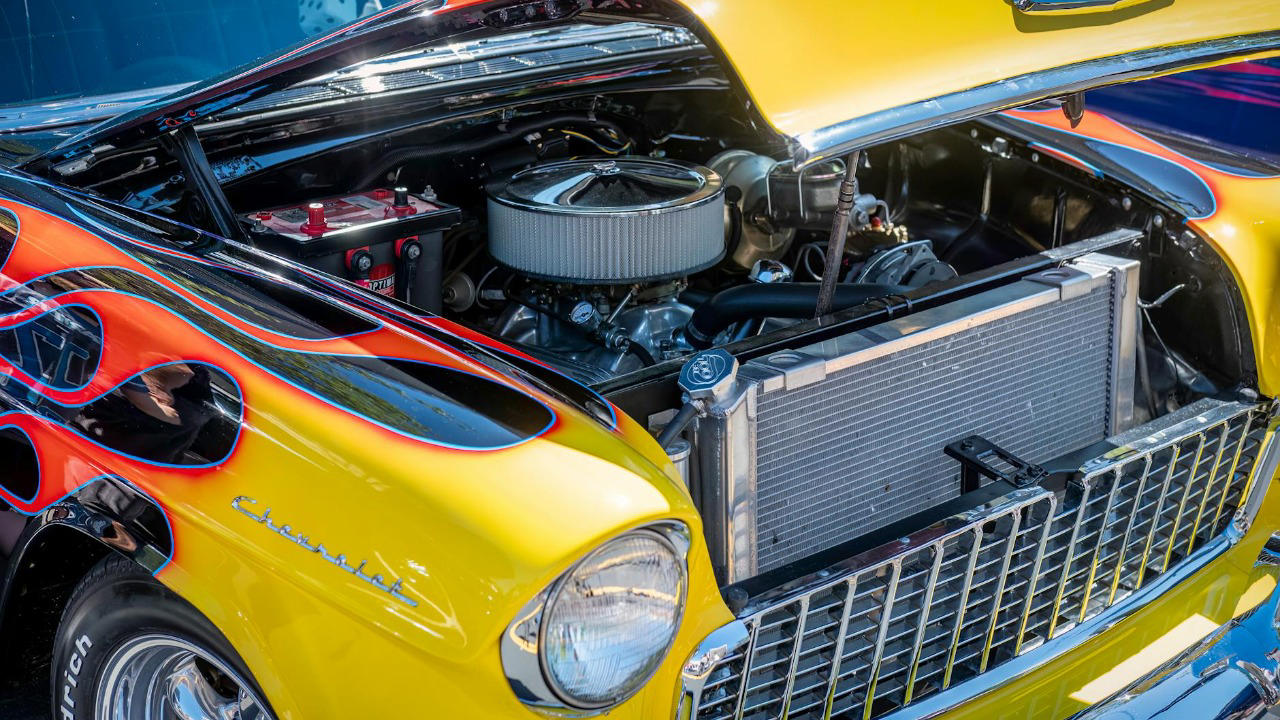
This small-block Chevy engine quietly powered some of America’s fastest street carsThe small-block Chevy engine has long been a cornerstone of American automotive performance, quietly powering some of the fastest street cars in history. With its versatility, affordability, and potential for high horsepower, this engine has left an indelible mark on car culture and racing. The Origins of the Small-Block Chevy Engine The small-block Chevy engine made its debut in 1955, revolutionizing the automotive industry with its innovative design and impressive power output. Developed by General Motors, the small-block was a compact V8 engine that offered a lightweight alternative to the larger, heavier engines of the time. It quickly gained popularity due to its remarkable performance and adaptability, leading to a series of enhancements and variations over the decades. By the late 1960s, the engine had evolved significantly, incorporating various engineering innovations that would set it apart from its competitors. One of the key innovations that made the small-block Chevy stand out was its efficient design, which allowed for better airflow and combustion efficiency. The use of a lighter cast-iron block and aluminum cylinder heads in certain models contributed to the engine’s impressive power-to-weight ratio. These advancements, combined with a relatively simple construction, made the small-block Chevy an attractive choice for car enthusiasts and racers alike. Its design also allowed for easy modifications, which further solidified its position as a favorite among performance builders. Performance Characteristics of the Small-Block Chevy The small-block Chevy engine has been available in various configurations, each offering unique performance characteristics. Early models, such as the 265-cubic inch engine, produced around 162 horsepower, while the introduction of the more popular 350-cubic inch version in the mid-1960s saw power ratings soar to over 300 horsepower. Later iterations, such as the 400-cubic inch engine, offered even more torque and horsepower, making them favorites for both street and racing applications. For example, the 1970 Chevrolet Corvette equipped with the LS6 454 engine could produce a staggering 450 horsepower, showcasing the potential of the small-block platform. When compared to contemporary engines of the same era, the small-block Chevy consistently outperformed many of its rivals. For instance, during the muscle car era of the late 1960s and early 1970s, the small-block Chevy was often pitted against the likes of the Ford 289 and 302 V8 engines. Despite their competitive nature, the small-block Chevy often edged out the competition in terms of horsepower and torque, making it a go-to choice for performance enthusiasts. Iconic Models Powered by the Small-Block Chevy Throughout its history, the small-block Chevy engine has powered some of the most iconic American cars. The Chevrolet Corvette, introduced in 1953, has been a symbol of American automotive performance, with various small-block configurations enhancing its appeal. The 1967 Corvette, for example, featured an optional 350 cubic-inch engine that produced 300 horsepower, allowing it to compete with European sports cars of the time. Another classic model featuring the small-block Chevy is the Chevrolet Camaro, which debuted in 1967. The first-generation Camaro offered an array of small-block options, including the legendary Z28 model, which showcased the engine’s performance capabilities. Enthusiasts often seek out these classic cars for their unique attributes, such as the 283 engine known for its high-revving nature or the 350 engine, which became synonymous with muscle car performance. These models not only highlight the small-block’s versatility but also its enduring legacy in American car culture. The Role of the Small-Block in Racing History The small-block Chevy engine has a storied history in racing, particularly in NASCAR and drag racing, where it has established a reputation for dominance. In the NASCAR circuit, the small-block was a key player from the 1960s onward, powering teams to numerous championships. The engine’s lightweight design and high power output allowed for competitive speeds on the track, making it a favorite among race teams. Notably, the small-block Chevy engine helped Dale Earnhardt secure his first NASCAR championship in 1980, showcasing its prowess in the sport. In drag racing, the small-block Chevy has also set numerous records, with cars like the 1969 Camaro and the 1970 Nova becoming legends in the quarter-mile. Enthusiasts often recall the 1970 NHRA season when a small-block-powered car achieved an impressive 9.83-second run at over 140 mph. The engine’s ability to be easily modified for increased performance has made it a staple among drag racers, contributing to its reputation as a powerhouse on the strip. Building a High-Performance Small-Block Chevy For those looking to enhance the performance of their small-block Chevy engine, there are numerous aftermarket modifications available. Common upgrades include high-performance camshafts, upgraded intake and exhaust systems, and aftermarket EFI systems. These modifications can significantly increase horsepower and torque, allowing enthusiasts to tailor their engines to meet specific performance goals. For instance, a popular upgrade is the installation of a Holley carburetor, which can improve throttle response and overall performance. Additionally, tuning plays a crucial role in maximizing the small-block’s potential. Using a high-performance engine management system can optimize fuel delivery and ignition timing, resulting in improved efficiency and power. For those interested in building a high-performance small-block, it’s essential to consider factors such as the intended use of the vehicle, desired horsepower, and budget. With the right modifications and tuning, the small-block Chevy can transform into a formidable force on the street or track. The Small-Block Chevy in Popular Culture The influence of the small-block Chevy extends beyond the garage and racetrack into popular culture. The engine has been prominently featured in numerous movies, television shows, and songs that celebrate car culture. The iconic 1970 Chevrolet Chevelle, powered by a small-block engine, made a memorable appearance in the film “Fast & Furious,” showcasing its enduring appeal in the automotive world. Similarly, the small-block has been referenced in various songs that pay tribute to American muscle cars, further solidifying its place in car enthusiast lore. Car shows and meets often feature small-block-powered vehicles proudly displayed by dedicated enthusiasts. Events like the annual SEMA Show and local car meets provide a platform for showcasing the creativity and passion of builders who continue to modify and innovate based on this legendary engine. As a result, the small-block Chevy has become a symbol of freedom and rebellion, representing a lifestyle that celebrates speed, power, and camaraderie among car enthusiasts. Modern Applications of the Small-Block Chevy Despite being introduced over six decades ago, the small-block Chevy engine continues to find applications in modern muscle cars and hot rods. Manufacturers like Chevrolet have embraced the small-block design in their latest offerings, such as the Chevrolet Camaro and Corvette models. The modern LS series engines, which are derived from the original small-block design, incorporate advanced technology like variable valve timing and direct fuel injection, resulting in impressive performance and efficiency. Hot rodders and builders have also adapted the small-block for use in custom builds, often pairing it with modern components to enhance performance and reliability. The ability to swap in newer technology while retaining the classic small-block design has kept it relevant in today’s automotive landscape. Whether in a classic restoration or a contemporary hot rod, the small-block Chevy remains a popular choice for those looking to combine tradition with modern performance. Comparative Analysis with Other Engine Platforms When comparing the small-block Chevy to its competitors, such as the Ford small-block V8, several factors come into play. The small-block Chevy is widely regarded for its robust aftermarket support, which offers a vast array of parts and enhancements to suit various performance needs. In contrast, while Ford’s small-block V8 has its strengths, it often lacks the same level of aftermarket options, making the small-block Chevy a more appealing choice for enthusiasts looking to customize their engines. From a performance standpoint, the small-block Chevy has consistently outperformed many of its contemporaries, particularly in terms of horsepower and torque delivery. The engine’s lightweight design and efficient airflow contribute to its superior performance metrics. However, it’s essential to acknowledge that each engine platform has its advantages and disadvantages, such as weight distribution and tuning capabilities, which can affect overall performance. Ultimately, the choice between engine platforms often comes down to personal preference and intended use. The Future of the Small-Block Chevy Engine As the automotive industry evolves, the small-block Chevy engine faces new challenges and opportunities, particularly with the rise of electric and hybrid technologies. While traditional combustion engines like the small-block are being phased out in favor of cleaner alternatives, there is potential for innovative adaptations. Enthusiasts and engineers are exploring electric conversions that leverage the small-block’s design, allowing for a blend of classic performance with modern sustainability. Looking ahead, the legacy of the small-block Chevy engine is likely to influence future automotive designs. With advancements in materials and technology, there is an opportunity to enhance performance while reducing emissions. As enthusiasts continue to embrace the small-block’s rich history and performance potential, it will undoubtedly remain a significant part of American car culture for years to come. Whether through traditional builds or innovative adaptations, the small-block Chevy is poised to endure as a symbol of performance and passion in the automotive world. More from Fast Lane Only Unboxing the WWII Jeep in a Crate 15 rare Chevys collectors are quietly buying 10 underrated V8s still worth hunting down Police notice this before you even roll window down *Research for this article included AI assistance, with all final content reviewed by human editors. The post This small-block Chevy engine quietly powered some of America’s fastest street cars appeared first on FAST LANE ONLY.



















 +77 others