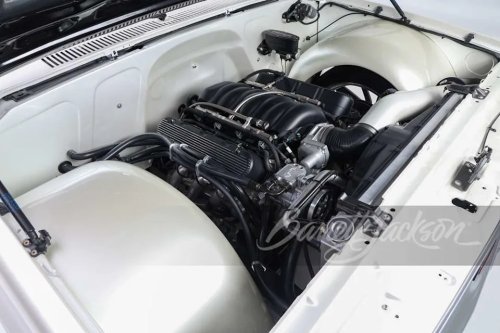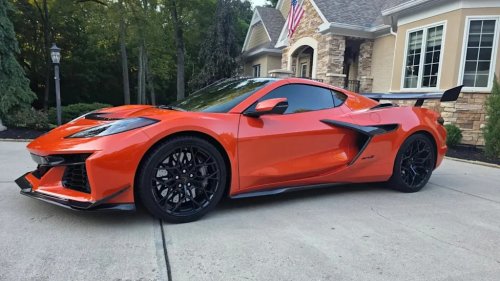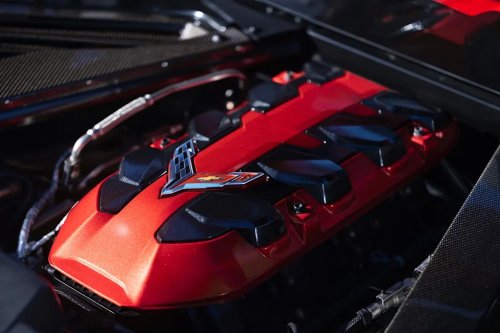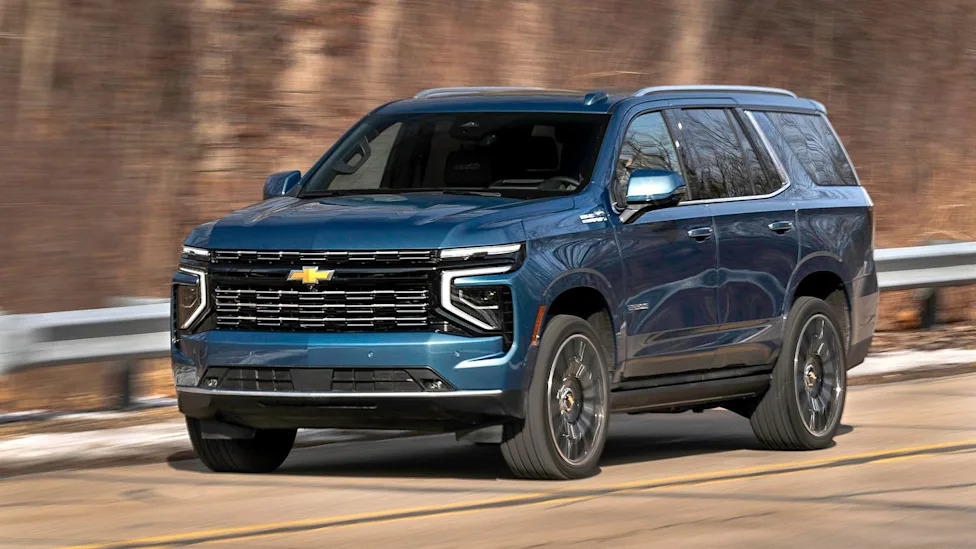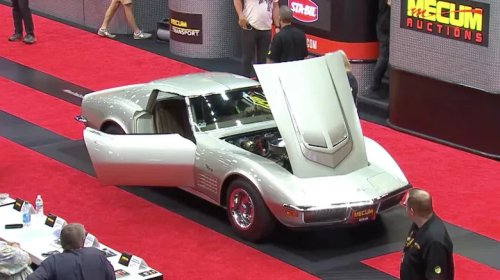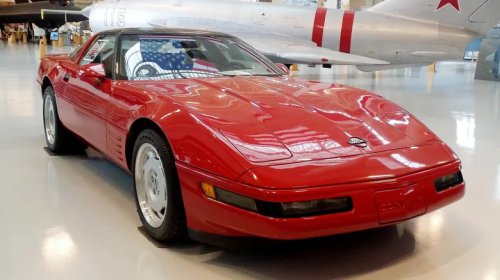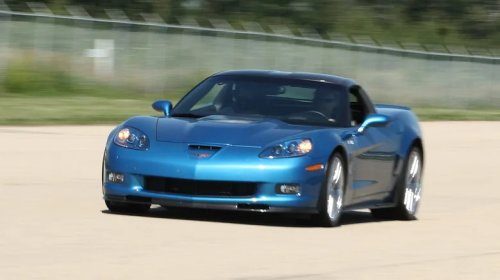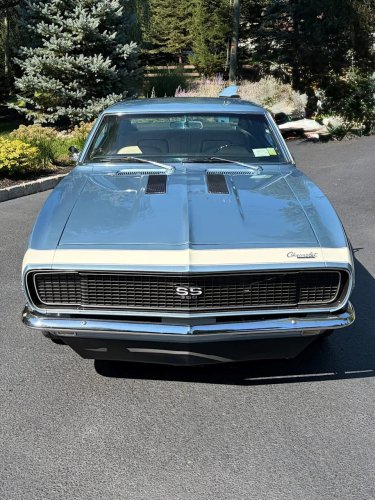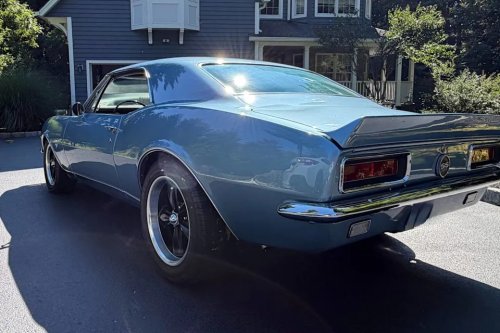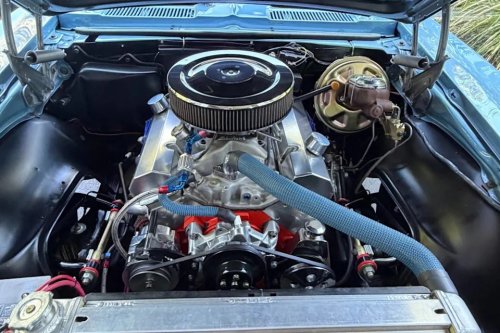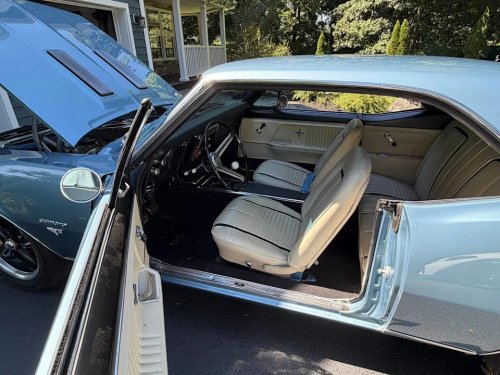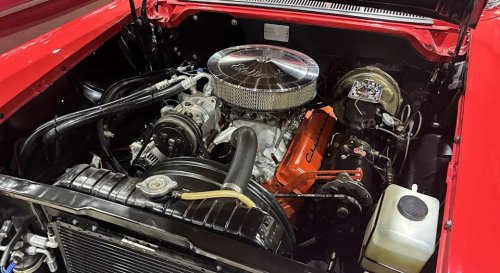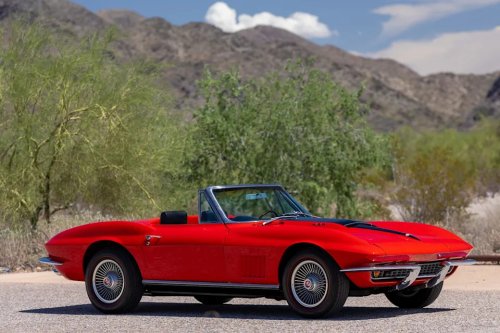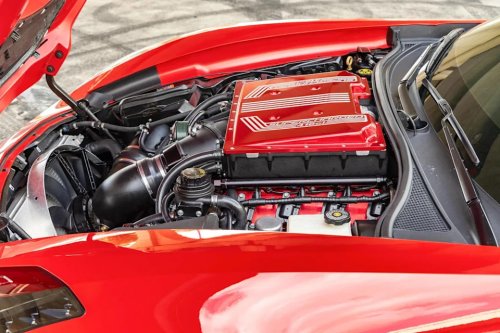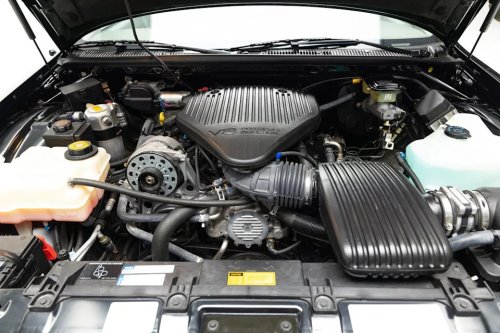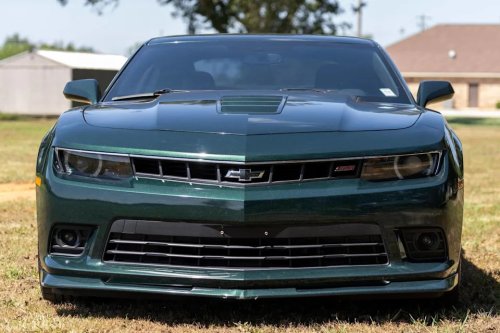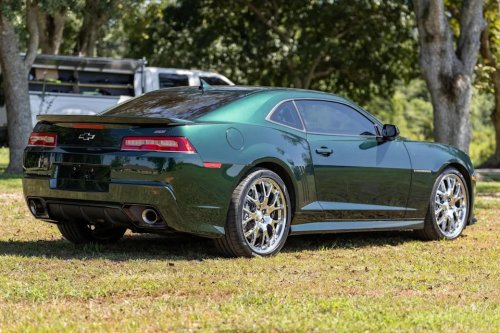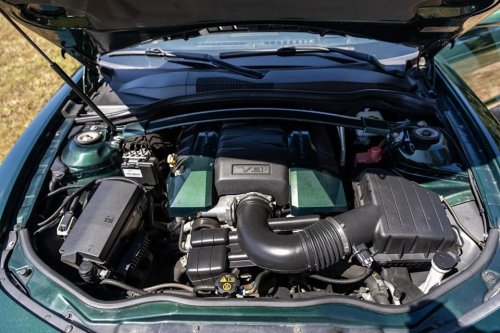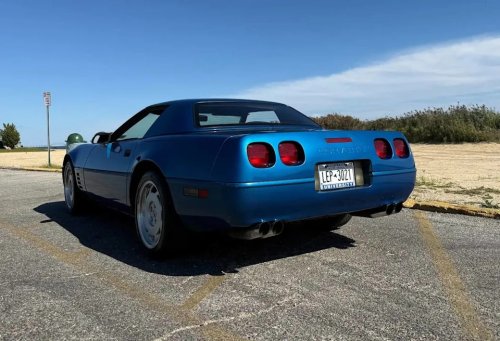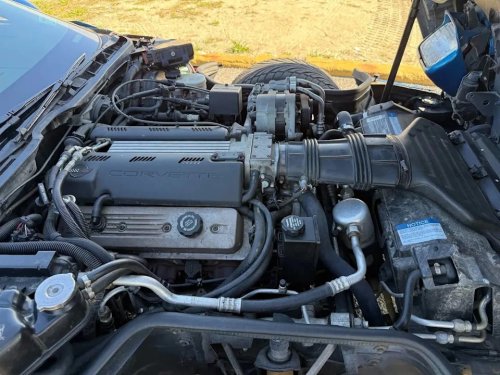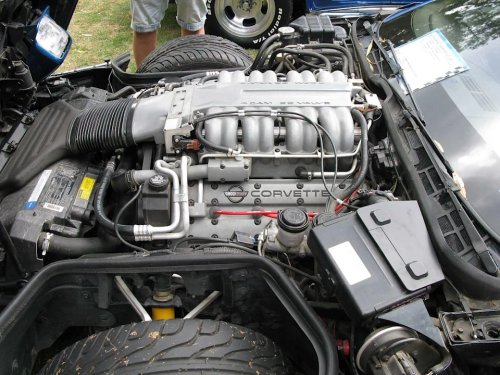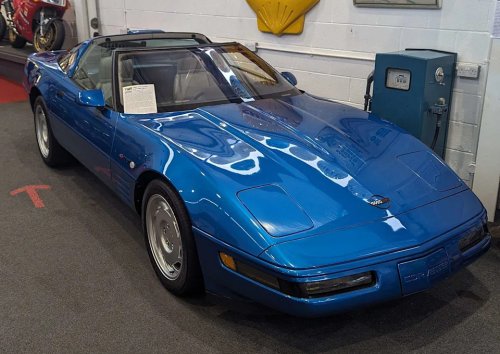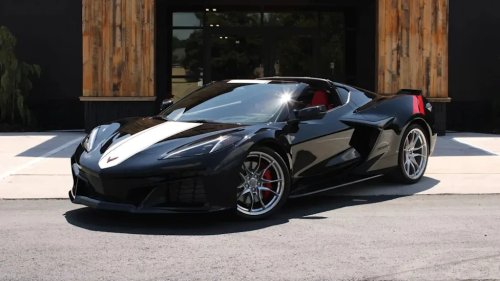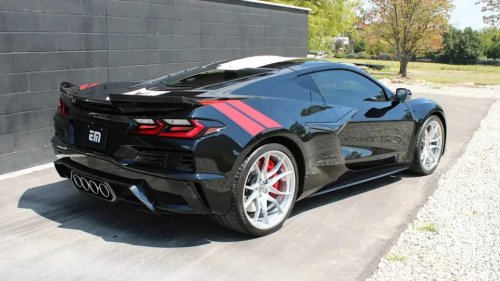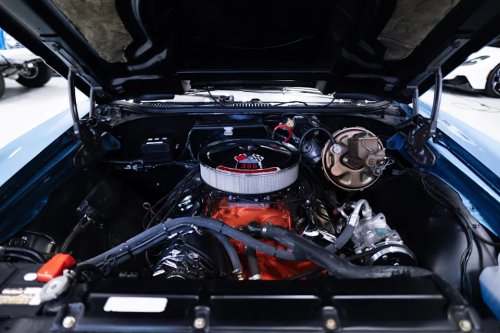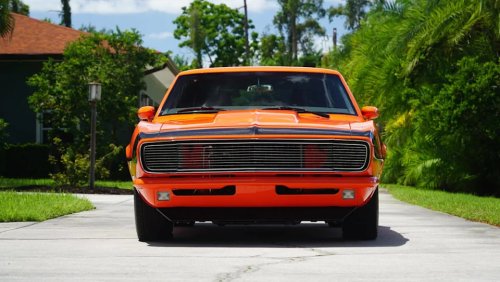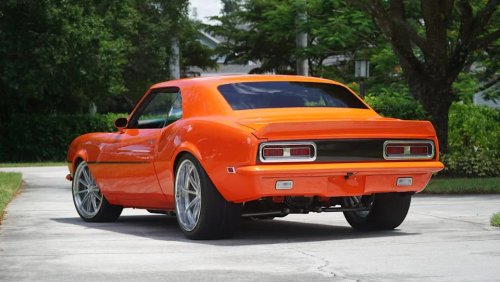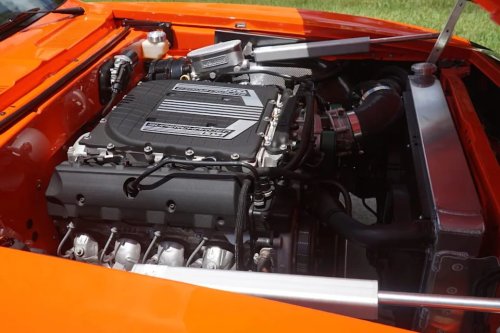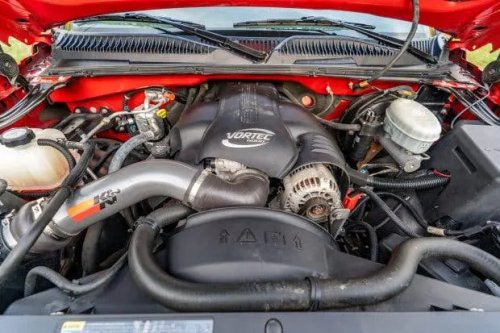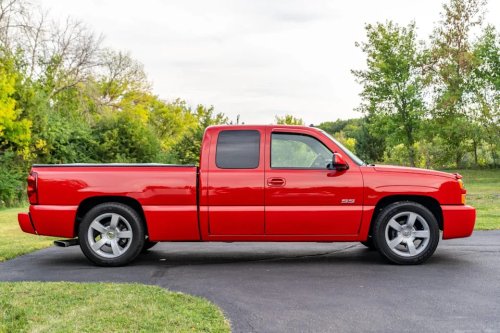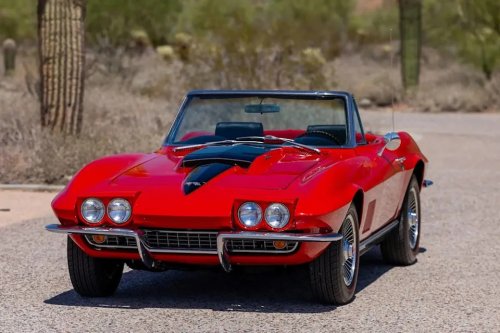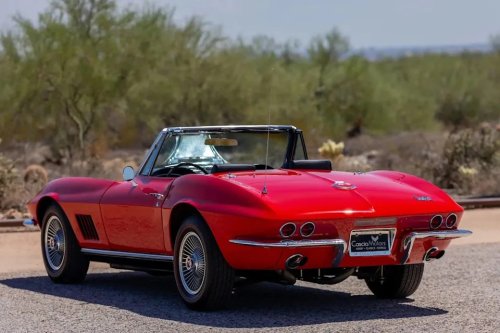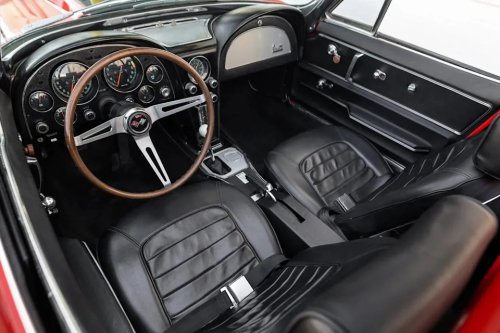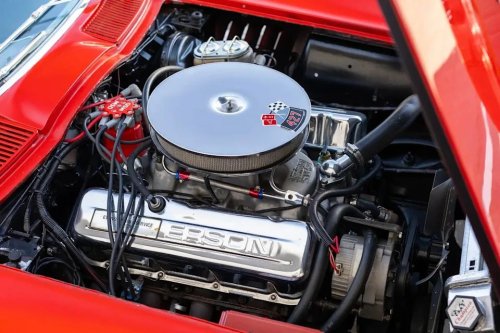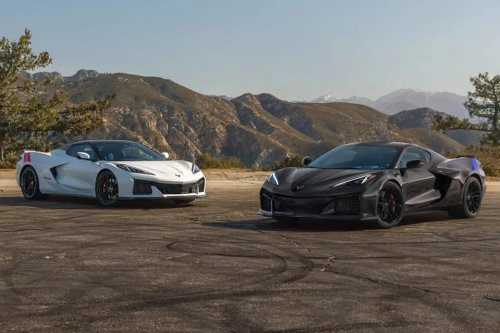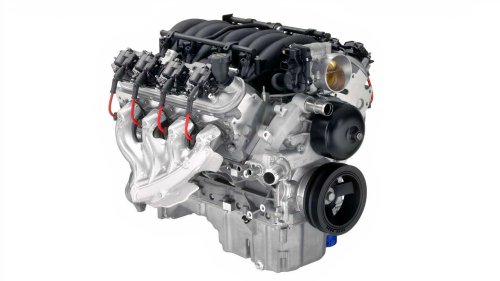
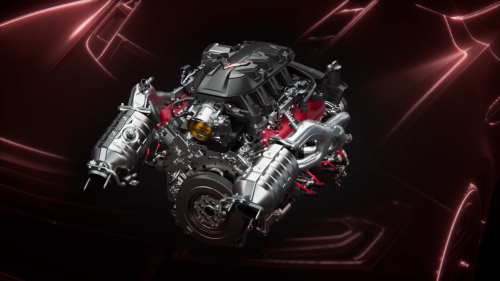
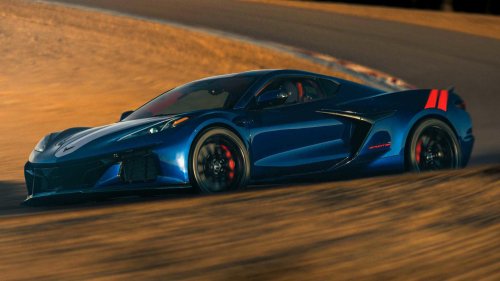
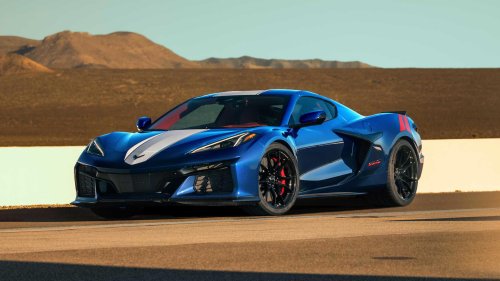
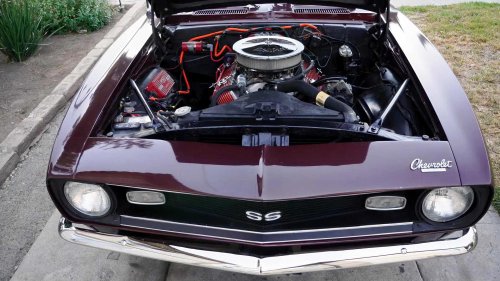
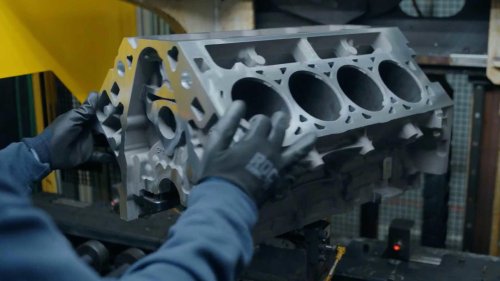
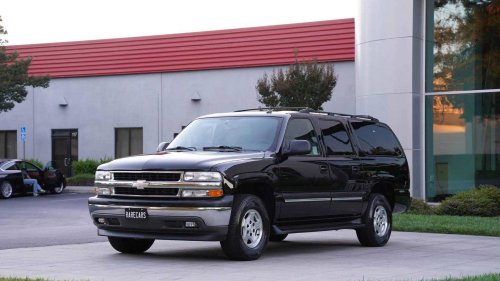
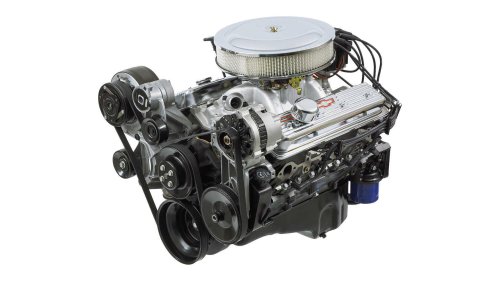
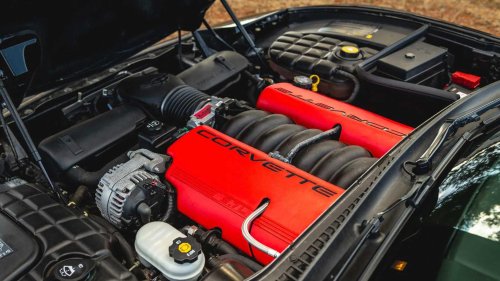
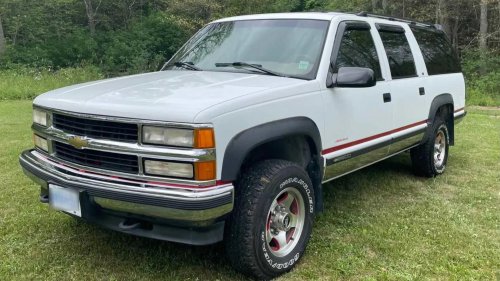
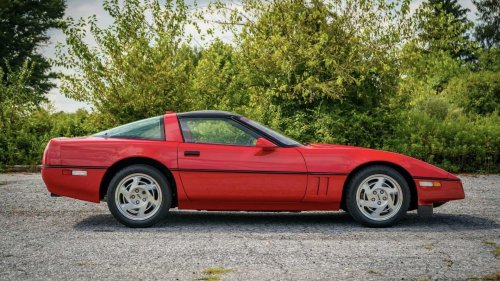
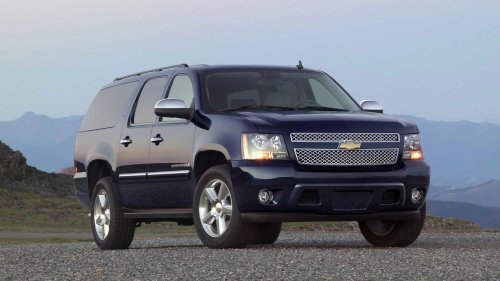
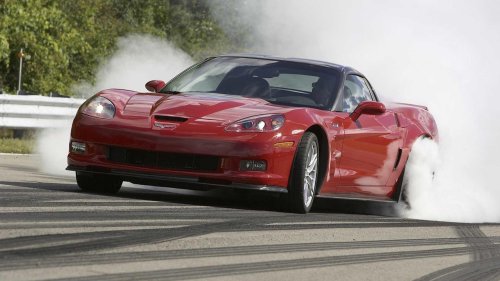
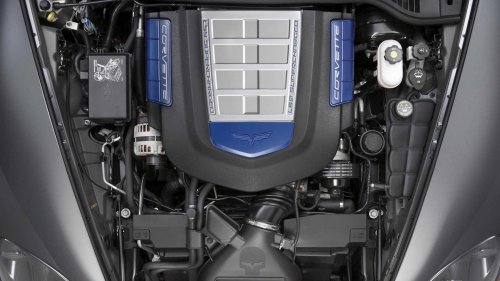



















The Chevrolet small block V8 engine has filled a multitude of roles from its debut in 1955 to present-day applications that range from the GMC Yukon to the Chevrolet Corvette Stingray to the Cadillac Escalade. The sixth and latest generation small block V8 engine family will first go into production next year, when it'll make its initial debut in the 2027 Corvette Grand Sport before rolling out to future, yet-unannounced products, upgrades, and specialized variations.Chevrolet The small block V8 stands alone when it comes to historical significance across multiple eras, market familiarity, production volume, flexibility, engineering continuity, and efficient manufacturing prowess. Along its 71-year-and-counting voyage, it was virtually a household name. Much of the small block V8 has changed since its introduction, though several defining ingredients of this American icon have been left untouched by engineers for decades. A New Small Block Is Coming Chevrolet With the new Corvette Grand Sport, and hybrid-assisted Grand Sport X, Chevrolet will introduce their latest sixth-generation small block to the world. The new 6.7-liter powerplant is again a naturally aspirated unit, with displacement punched up to 6.7 liters for 535 horsepower and 520 lb-ft of torque.That torque-output figure is the almighty metric for getting a heavy object up to speed quickly, and the next-generation LS6 boasts the highest torque output of a naturally aspirated production V8 today. The 409 cubic inch unit gets a massive 13:1 compression ratio, a 92 mm throttle body, and a carefully shaped intake plumbing fine-tuned to move more air.Feeding the engine is a new dual-injection system, which uses both direct fuel injection via injectors within the cylinders, as well as port fuel injection, with injectors mounted upstream. The engine can be fed from whichever combination of the two fuel systems is ideal at the time, helping reduce emissions in spite of the new powerplant's larger displacement.According to the LS6's engineering team, the use of a higher compression ratio in the new engine allows it to deliver improved displacement, power, and emissions performance without increasing fuel consumption.ChevroletMike Kociba is the assistant chief engineer for the small block. "We were going to make it 'only' 6.6 liters, but we started playing around and realized that by adding two millimeters to the stroke, we get more performance without compromising anything else," he explains, noting that powerful digital engine design tools allowed he and his team to explore new possibilities and eliminate previous compromises. “In the past, we might not have explored that.”Chevrolet The 6.7-liter V8's predecessor is the 6.2-liter LT2, with the bump in displacement coming entirely from increasing the stroke from 92 mm to 100 mm. The bore (the diameter of the piston) is the same as the previous engine, and like over 100 million-plus small blocks before it, the cylinder bore spacing of the sixth-generation engine remains at 4.4 inches, with 16 overhead valves operated by a single camshaft down inside the cylinder block. Seasonings Varied, But Core Ingredients Of The Family Recipe Were Unchanged For 74 Years Bring a Trailer The original small block V8 went into production in Flint, Michigan in 1955. The sixth-generation engine, all new for 2027, will arrive 72 years later when it goes into production next year. You'll find key ingredients from the original small block of 1954 in the upcoming LS6 V8 engine, as well as over 100 million small block V8's built in between. Specifically, the latest small block will use the same 4.4-inch cylinder bore spacing as the original, a key engine design element that's remained constant from the beginning.General Motors Ditto the robust and lightweight pushrod valvetrain, complete with just a single camshaft in the cylinder block. Not only is the pushrod valvetrain valued for its easy serviceability and durability in hard use, it also helps create an engine that's lighter, more compact, and physically shorter in height than more complex overhead-cam units, easing their fitment into the engine compartments of low-slung cars like the Corvette and Camaro.Bring A Trailer By modifying internal components to increase bore or stroke, the small block V8 could cover a wide range of different displacements. Use of various upgraded materials and systems supported high performance levels when required, all using the same bore spacing dimensions and valvetrain architecture as the original. Being able to build multiple engines from the same block casting process allowed for easy and low-cost adaptation to different applications, from Tahoes to Stinrgrays to the track-focused Camaro Z/28.Chevrolet From its early days sucking back cheap gas without any concern for emissions to modern-day adaptations that have shaped 4x4 and performance models alike, the small block V8's key to success was its constant approach to adaptation and evolution, especially in more modern years.The small block has been upgraded, debugged, re‑engineered, and fitted with countless new parts, systems, and technologies, right up to the latest advances in the incoming new engine. Displacements from 4.3 liters to 7 liters and beyond have been covered: all from an engine with that famous 4.4-inch bore spacing and compact, simple pushrod valvetrain. Milestone Small Blocks and Small Block Milestones Bring A TrailerThroughout the Muscle Car era, the small block V8 was a popular pick for shoppers who wanted an engine with big power, solid reliability, and easy servicing. In this era, the small block built a reputation for being lightweight for its size, compact enough to power just about anything, strongly receptive to tuning, and all while keeping prices down.Before long, various advances saw the small block enlarged, fitted with hotter new cam profiles, and squeezed for ever-higher compression ratios. Muscle car fanatics now had an engine they could build, service, and brag about – whether they drove a pickup, 4x4, sedan, wagon, or coupe.Before the emissions era hit in the 70s, Chevrolet had pushed the small block forward with their latest fuel injection technology of the day, just before launching the famous 5.7-liter (350) small block in 1967, which would become the all-around most famous version of the small block V8 for years to come.Within a few years, emissions requirements slashed power output considerably across the board, and Chevrolet would spend another decade or more re-engineering their engines to improve power output while meeting modern emissions targets with new, power-sucking hardware applied.Bring a Trailer In the early 80s, the small block V8 was being choked by modern emissions controls and making their lowest power outputs ever. Fuel economy rules were forcing many V8 engines to de-tune in that era, but the small block V8 remained in production, preserving its continuity.In 1982, the small block slowly began entering the electronic era, with "Cross-Fire" injection replacing earlier carburetors and setting up for future successes in the emissions versus performance battle. Tuned Port Injection (TPI) arrived in 1985 as another advancement that further improved torque and response.Building on the new TPI system of the mid-80s, engineers carried on to tweak the subsequent valvetrain, block, cooling system, and oiling system. This was followed by revised cylinder heads and fuel injection tweaks into the late 80s and early 90s that brought cleaner, smoother, and more reliable small block engines to the market.Bring A Trailer Further optimizations in the 90s saw the debut of the second-generation LT1 engine in 1992, featuring high-flow cylinder heads made of lightweight aluminum, a digital ignition system, and a reverse-flow cooling system that helped reduce cylinder head temperatures, allowing engineers another bump in compression ratio.By the mid-90s, automotive engineering was advancing at a rapid pace. The LT1 would again be revised with the latest improvements applied to its ignition system and cooling system. A stronger bottom-end was fitted, too.Bring A Trailer The most important small block milestone since its launch is arguably its use in the 1997 C5 Corvette. This is an all-new architecture for the small block, though original valvetrain design and bore spacing are maintained for continuity.This latest LS1-generation engine had an aluminum block and heads for reduced weight, a deep-skirt block for added strength, and the most advanced ignition and breathing tricks of the day.With 345 hp in the Corvette, the small block V8 was challenging performance competitors from around the globe at a considerable cost advantage. Now, the small block had covered the muscle car era, survived the emissions era, evolved through decades of regulatory pressures, and was set up to power a multitude of different products.Chevrolet In the years to come, other notable small block V8 engines included the still-running 5.3-liter unit, likely the most mass-produced V8 engine on the road. Considered the stalwart of the modern truck and SUV lineup, this engine has powered Tahoes, Silverados, Yukons, Sierras and Express Vans for decades, bringing technologies like cylinder deactivation, direct injection and variable cam timing along for the ride.The small block V8 also powered GM's supercharged era, during which various models were fitted with a specially built 6.2 liter supercharged V8, making up to 668 hp.Chevrolet Later versions of the small block V8 would take the nameplate to extreme performance territory. Specifically, a 7-liter configuration with lightweight titanium connecting rods called the LS7 powered the 2006 to 2013 Corvette ZO6, as well as the Camaro Z/28 to follow. Titanium rods reduced the rotating mass of this motorsports engine, allowing it to rev past 7,000 rpm while generating 505 free-breathing horsepower.Supercar territory came next, with the small block V8 serving as the debut powertrain for the new, mid-engine C8 Corvette, and a raft of high-performing models to follow.Chevrolet In all, the small block V8 shows that innovation doesn't always mean abandoning the past. In fact, sticking to its guns was a key factor for the small block V8's success.