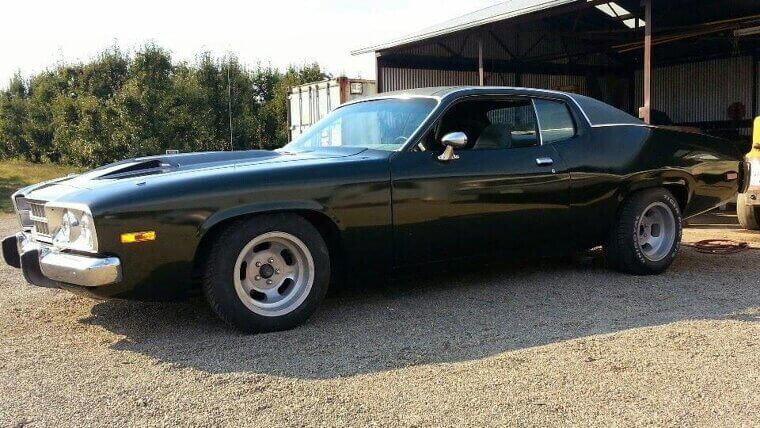
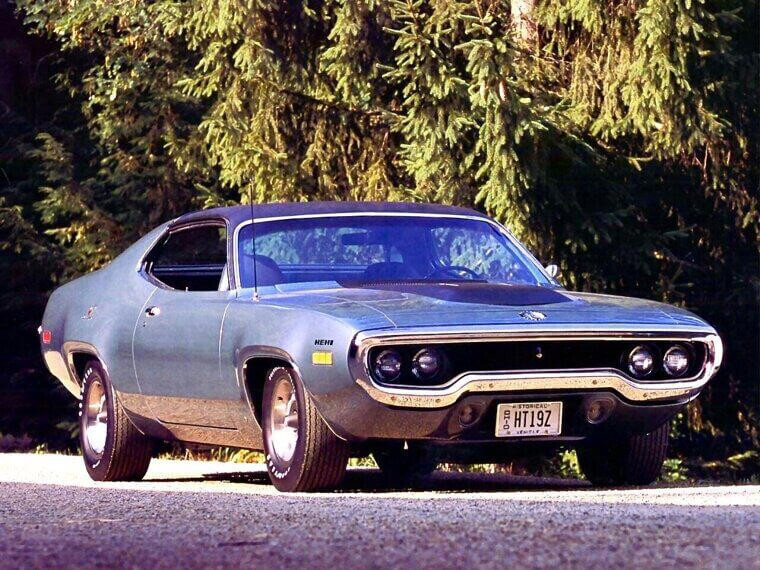
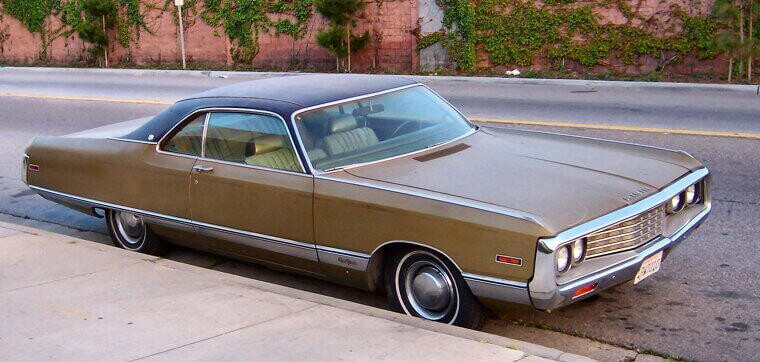
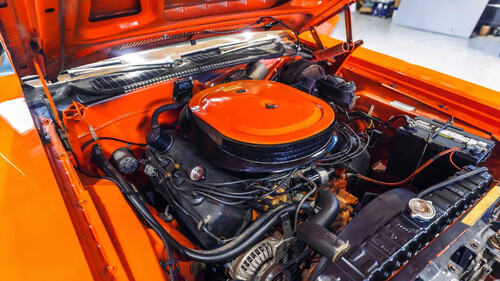
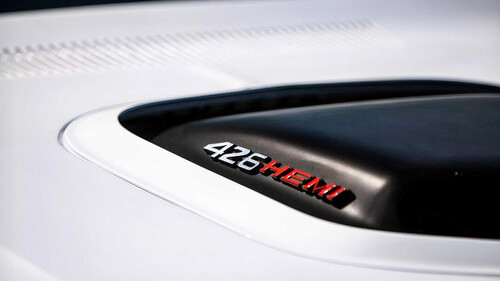
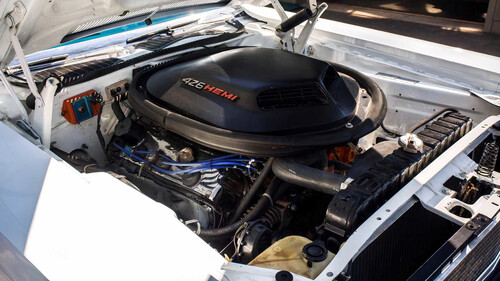
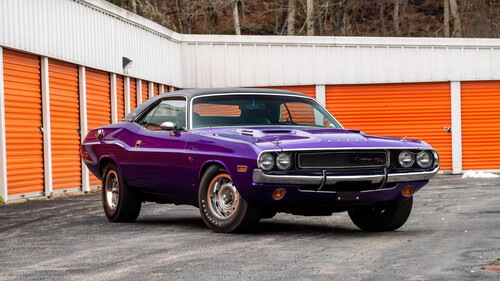
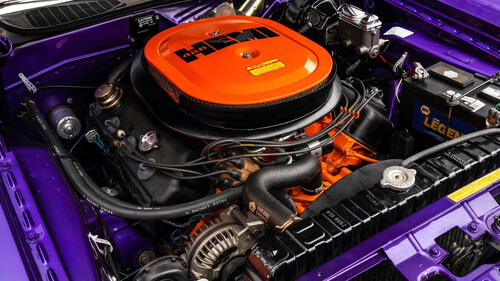
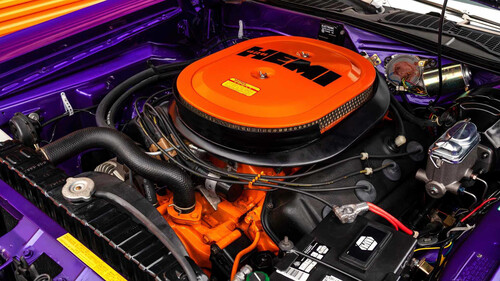
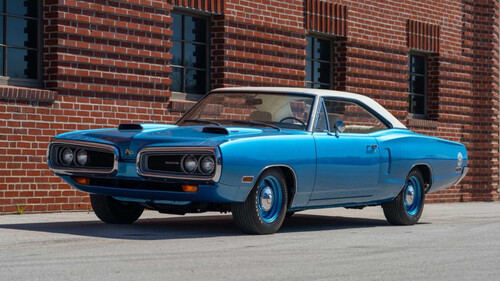
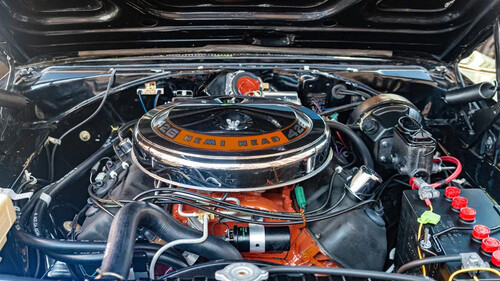
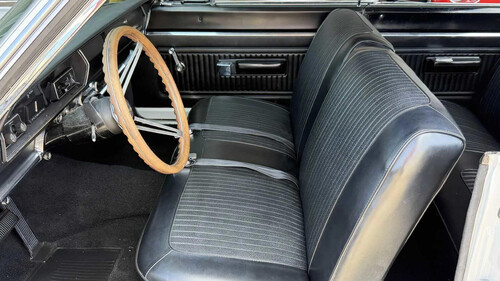
The Forgotten Power of Mopar Big-BlocksMuscle car history has a blind spot, and it runs straight through Detroit's third-largest automaker. While Chevelles and Mustangs dominated magazine covers, Chrysler's engineers were stuffing enormous displacement engines into everything from two-door coupes to full-size family sedans. The results were often staggering — and largely ignored by collectors for decades. Mopar's big-block lineup ranged from the torque-heavy 383 to the legendary 440 and the fearsome 426 Hemi. These weren't compromise engines. They were purpose-built for punishment. Yet many of the cars carrying them never earned the cultural spotlight they deserved. The story of overlooked Mopar big-block machines is really a story about what happens when performance hides in plain sight.The 1970 Plymouth Sport Fury GTMost people chasing 1970 Plymouth muscle head straight for the Road Runner or GTX. Hardly anyone stops to consider the Sport Fury GT, which is exactly why it remains one of the most undervalued performance cars of its era. Plymouth built it as a full-size performer, slotting a 440 cubic-inch big-block under a hood that most buyers assumed belonged to a luxury cruiser. The Sport Fury GT came with sport stripes, a performance suspension, and bucket seats — real muscle car ingredients wrapped in a larger, more comfortable package. Production numbers were modest, which makes surviving examples genuinely rare today. For buyers who want serious Mopar power without the six-figure price tag of a Road Runner, this forgotten full-sizer makes a compelling case.The Dodge Coronet R/T Hidden GemSomewhere between the Charger's fame and the Super Bee's budget appeal, the Dodge Coronet R/T quietly delivered one of the most complete performance packages Dodge offered in 1969 and 1970. Standard equipment included the 440 Magnum — not as an upgrade, but as the base engine. Buyers could tick the box for the 426 Hemi if they wanted to go further. The Coronet R/T rode on a midsize platform with handling tuned specifically for performance driving. Its styling was aggressive without being theatrical, which may explain why it never quite captured the public imagination the way flashier competitors did. Decades later, that same restraint makes the Coronet R/T feel like a discovery waiting to happen for anyone willing to look past the usual suspects.The Plymouth Satellite Sebring PlusPicture a 1971 Plymouth with clean lines, a refined interior, and a 440 big-block breathing through a four-barrel carburetor. That's the Satellite Sebring Plus — a car that blurred the line between personal luxury and serious performance at a time when the market was beginning to pull those two things apart. Plymouth positioned the Sebring Plus above the standard Satellite but below the GTX, giving buyers a middle path that offered comfort without sacrificing displacement. The result was a car that satisfied neither the hardcore performance crowd nor the luxury buyer, which hurt sales but created a fascinating machine. Today the Satellite Sebring Plus survives in small numbers, largely unnoticed — which is precisely what makes finding a clean example feel like stumbling onto buried treasure.The Dodge Super Bee That Got OverlookedDodge introduced the Super Bee in 1968 as the no-frills answer to Plymouth's Road Runner. It worked. The car sold well, earned press coverage, and built a reputation. Then, gradually, it faded into the background while the Road Runner became the icon everyone remembers. What collectors often miss is that the Super Bee offered serious specification flexibility. The 440 Six Pack was available. The 426 Hemi was available. A four-speed manual was available. These weren't stripped grocery-getters wearing performance badges — properly optioned Super Bees were genuine quarter-mile weapons. Because the Road Runner gets most of the attention and most of the auction money, Super Bees still trade at a discount relative to their actual performance pedigree, making them one of the smarter buys in the Mopar market right now.The 440 Six Pack Engine Under the HoodThree two-barrel carburetors sitting on an Edelbrock aluminum intake manifold, feeding 440 cubic inches of displacement — the Six Pack setup was Chrysler's answer to Chevrolet's three-deuce configurations, and by most measures it was the better solution. Peak output was rated at 390 horsepower, though many enthusiasts then and now believe that figure was deliberately conservative. The center carburetor handled everyday driving while the outer two opened under hard acceleration, giving the engine a split personality that was both tractable and ferocious. Cars equipped with the 440 Six Pack occupy a specific tier in the Mopar hierarchy — above the standard 440 four-barrel, below the Hemi in prestige, but arguably more streetable than either extreme. Finding one in a lesser-known model rather than a Road Runner or Charger means getting the same engine for considerably less money.The Plymouth GTX Beyond the Road RunnerThe Road Runner got the cartoon bird. The GTX got something arguably better: standard 440 power, a premium interior, and a level of refinement that made it feel like a different kind of performance machine entirely. Plymouth built the GTX for buyers who wanted muscle car credentials without the bare-bones experience the Road Runner deliberately offered. Chrome accents, better seat material, and additional sound insulation separated the GTX from its cheaper sibling. Under the hood, the 440 Magnum came standard, with the 426 Hemi available for those who needed more. Collectors have long focused on Road Runners because of their cultural cachet, leaving well-preserved GTX examples available at prices that don't reflect their rarity or their performance specifications. That gap between value and quality is closing, but slowly.The Dodge Monaco 500 Muscle SedanA full-size four-door sedan with a 440 big-block sounds like the setup for a joke. The 1969 Dodge Monaco 500 was the punchline nobody expected — a genuine muscle sedan that could embarrass smaller, lighter cars at a stoplight while carrying five adults in air-conditioned comfort. Dodge offered the Monaco 500 with sport-tuned suspension, bucket seats, a center console, and enough engine to make the performance claim credible rather than cosmetic. It was a different philosophy than the two-door muscle car mainstream, and the market never quite knew what to do with it. Sedans rarely get the respect coupes receive in collector circles, which means the Monaco 500 remains deeply undervalued — a big-block bruiser that history filed under the wrong category.The Chrysler New Yorker With a Big-BlockLuxury and displacement have always coexisted inside Chrysler products, but the New Yorker with a big-block represents a particular kind of excess that feels almost defiant in hindsight. These were large, heavy, beautifully appointed automobiles pushing 440 cubic inches through a single four-barrel carburetor — not because anyone needed that combination, but because Chrysler could offer it and did. The New Yorker's performance wasn't about quarter-mile times. It was about effortless highway passing power, the sensation of a car that never felt strained regardless of what you asked of it. For collectors interested in Mopar big-block history without the insurance premiums attached to muscle cars, the New Yorker offers an honest, often overlooked window into what 440 power felt like in a completely different context.The Dodge Polara 500 Worth RememberingDodge built the Polara 500 as a performance-flavored full-sizer during the mid-to-late 1960s, and it deserves far more recognition than it typically receives. Bucket seats, a center console, and available big-block power gave it genuine sport credentials, while its full-size dimensions made it practical in ways a Charger simply wasn't. The 440 was the engine of choice for buyers who wanted real performance, and Dodge delivered it in a package that looked distinguished rather than aggressive. That visual restraint was probably its commercial undoing. Today the Polara 500 occupies a strange collector limbo — too ordinary-looking to attract muscle car buyers, too performance-oriented to appeal to full-size Dodge enthusiasts. That confusion creates opportunity for anyone willing to do the research.The Plymouth Fury III as a Sleeper CarNothing about a Plymouth Fury III suggests performance. That's the entire point. The Fury III was a mainstream family car, a fleet staple, a vehicle so thoroughly associated with ordinary transportation that performance versions hiding within the model range went almost completely unnoticed. But Plymouth offered big-block engines in the Fury III, and some buyers ordered them. The result was a heavy, anonymous-looking sedan that could move with surprising urgency when the situation demanded it — a genuine sleeper in the original sense of the word. Surviving big-block Fury III examples are rare simply because nobody thought to document or preserve them at the time. They were working cars, not collectibles. Finding one now feels less like a purchase and more like a rescue mission with a very satisfying ending.