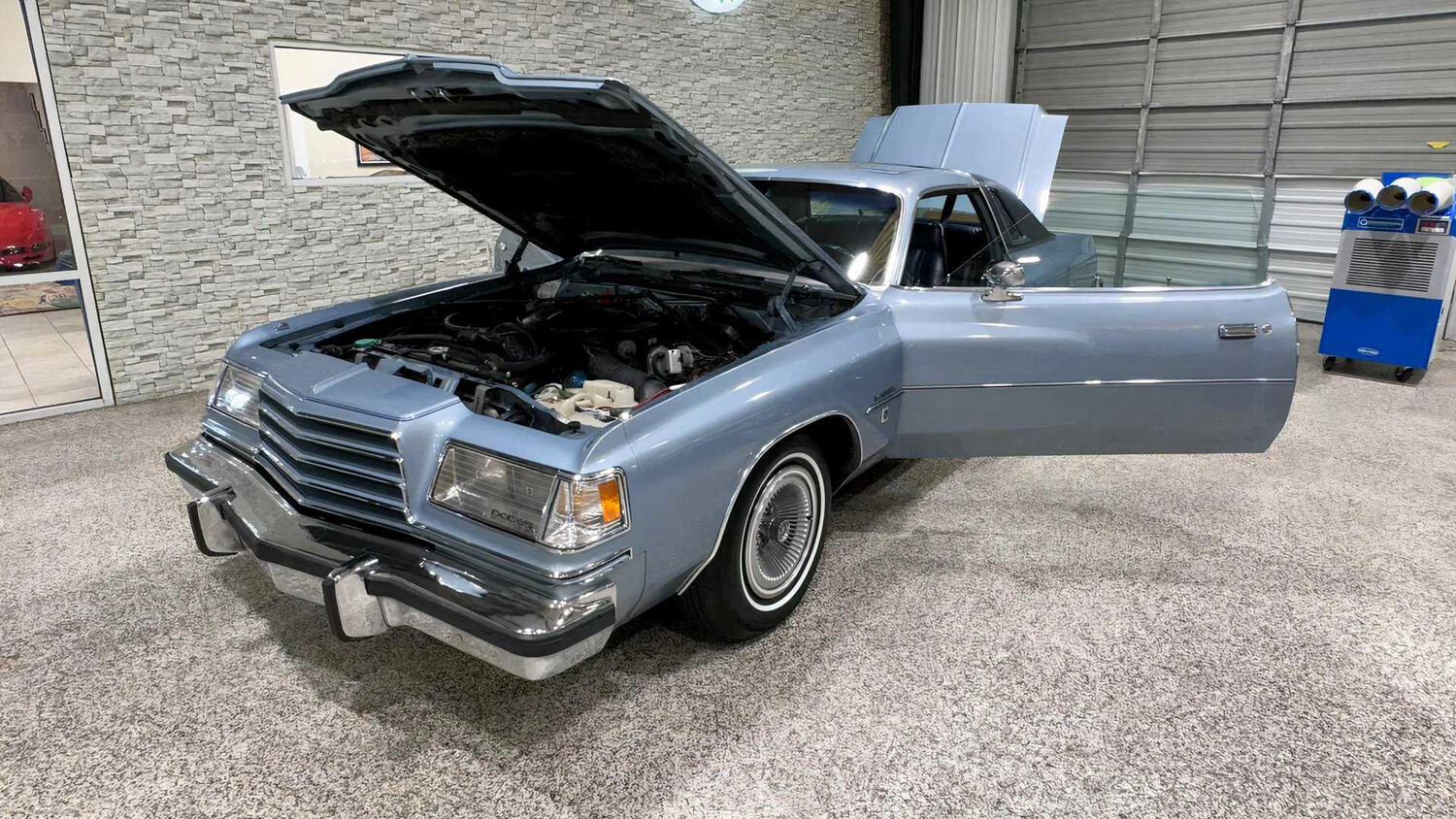
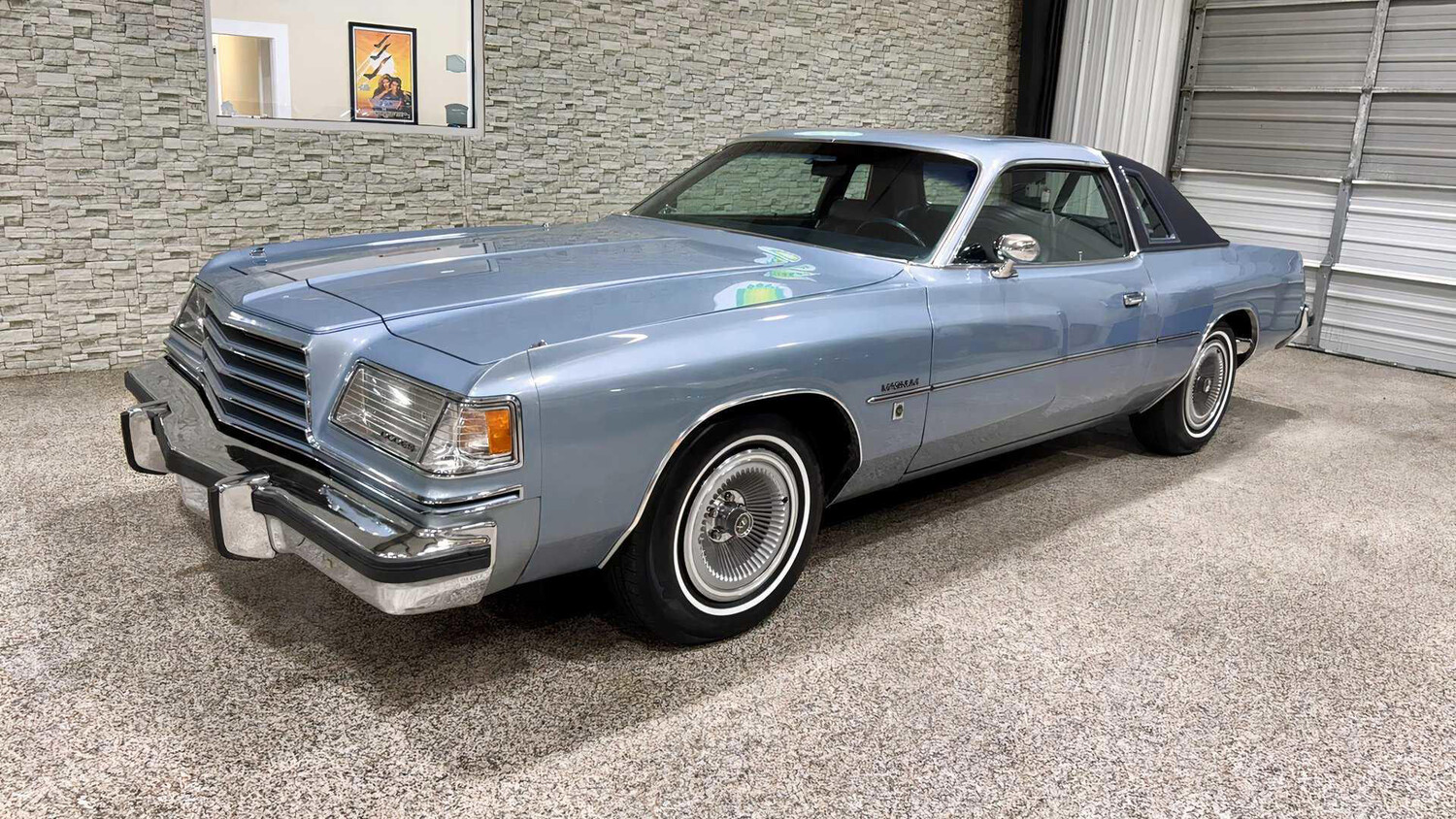
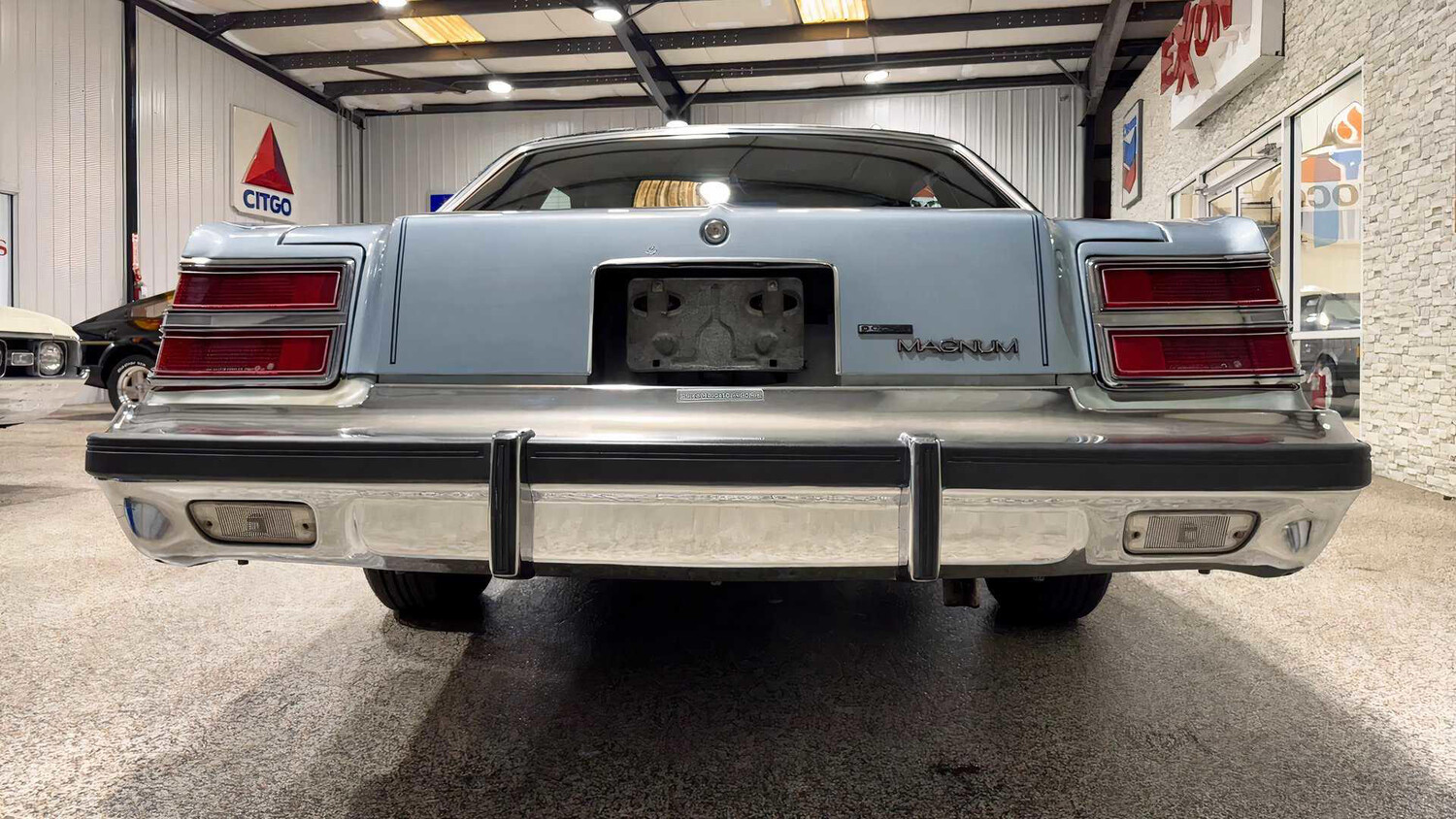
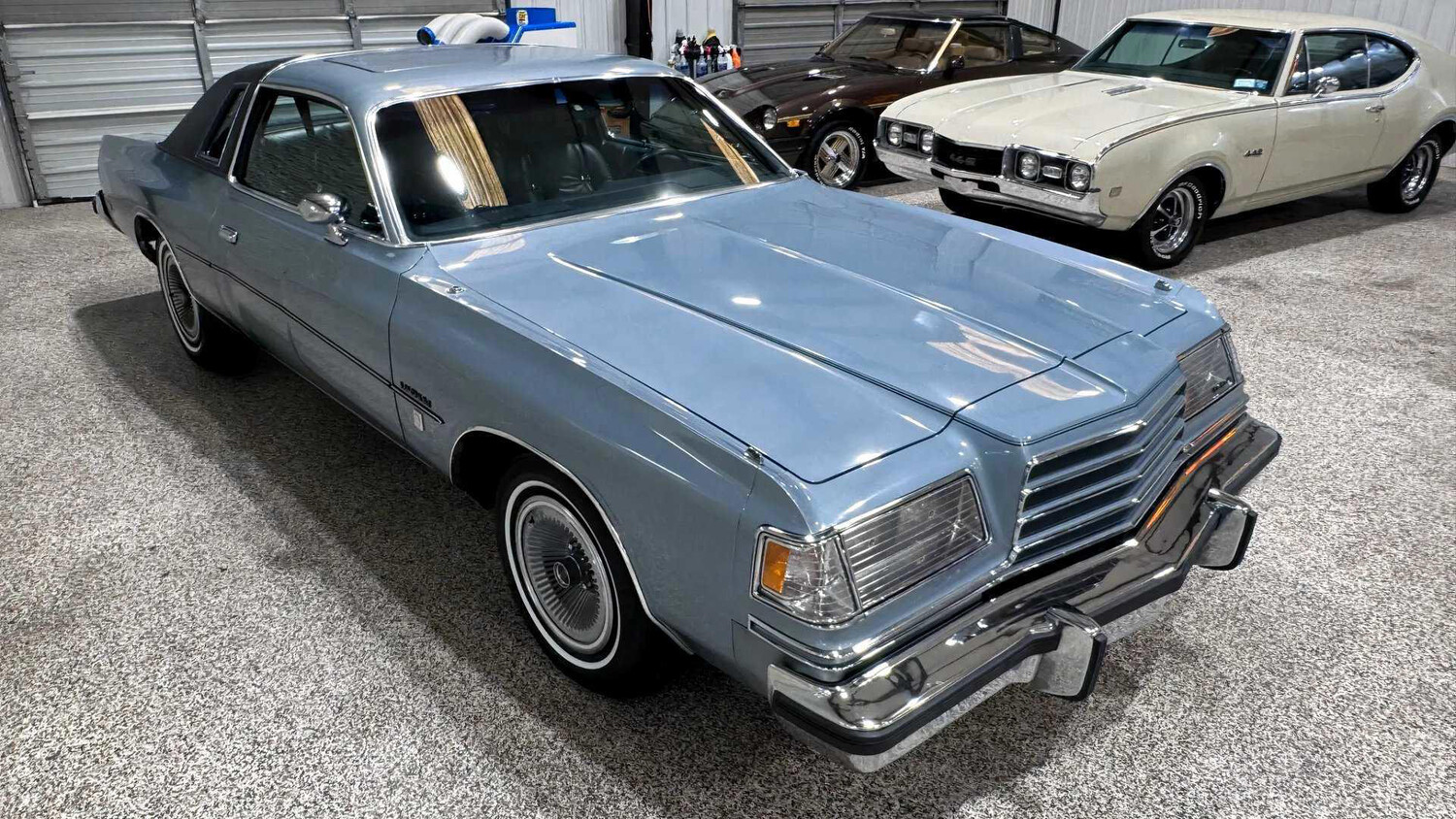
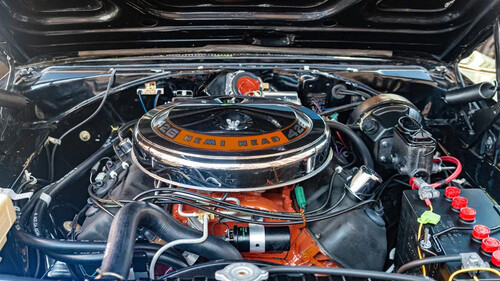
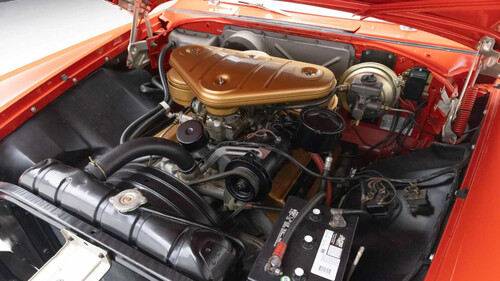
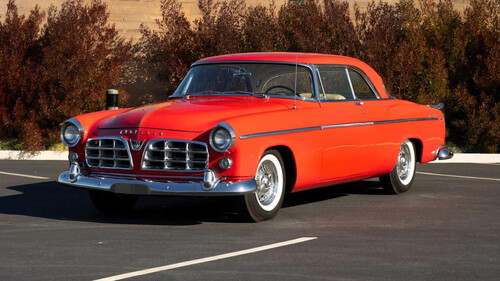
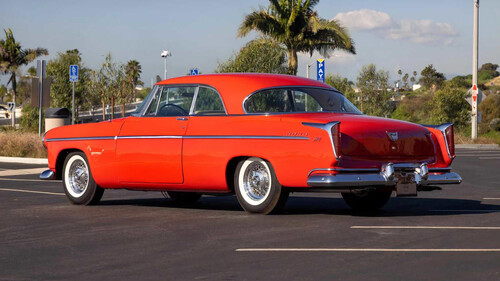
It's strange to think of it, but the last old-school Mopar big-block didn't leave wearing war paint and a shaker scoop. Instead, it waved goodbye in formal clothes, with opera-window energy, a long hood, and just enough attitude to make the malaise years feel a little less beige.Detroit had already moved on (or at least pretended to). The loud stuff had been muzzled, the good compression ratios had vanished, and emissions plumbing had started turning engine bays into rubber-hose spaghetti. All that said, one Dodge coupe still carried a proper Chrysler 400 four-barrel into the showroom, and that makes it far more important than its disco-era suit suggests. Mopar’s Big-Block Problem Had No Clean Ending Bring A TrailerThe end of Mopar big-block performance was hardly what you'd call a clean break. The size was still there, the stance still meant something, but the punches didn't land like they used to—kind of like watching a great heavyweight boxer age in public.That’s what makes the late '70s such a weird place to find the final chapter. The engines had displacement, but the world around them had changed. Compression ratios dropped, emissions systems arrived, unleaded fuel became part of the equation, and catalytic converters were now part of everyday passenger-car life. Corporate fuel-economy pressure also meant Chrysler had to think about fleet numbers, not just what made a Dodge guy grin like he’d found a second carburetor in the trunk.The 400 itself had already been pulled down from the high-output world people usually associate with Mopar wedges. By 1978, the four-barrel version in Dodge’s intermediate coupe was rated at about 190 hp. Not exactly the sort of number that makes a modern Hellcat owner spill his energy drink. But the point here isn’t that this was secretly a street racer wearing a padded vinyl collar. It’s that this was the last production car appearance of a real Chrysler 400 four-barrel, still sitting in a Dodge when most of the old muscle vocabulary had already been retired or repackaged into stripes. The Charger Had Already Left The Story Bring A TrailerThe Dodge Charger name had already been through a full identity crisis by this point. The early cars had given Dodge one of its great muscle era badges, but the mid-to-late 1970s Charger was playing a different game. It had moved into the personal-luxury lane, leaning more toward plush seats than tire smoke.On paper, it kind of made sense. People were no longer stampeding into dealerships asking for maximum compression and minimum subtlety. They wanted comfort, presence, and something that looked good parked outside a steakhouse. Dodge followed the market, but in the process, the Charger's old edge went soft. The 1977 model year even saw the high-performance 400 disappear from the Charger picture, leaving only a much tamer version of the once-feisty big-block as an option.By 1978, the fourth-generation Charger was near the exit. Dodge kept the Special Edition alive, but the car was a carryover, and fewer than 3,000 were sold that year. The nameplate would soon leave rear-wheel-drive production for a long stretch, which still feels strange considering what Charger means today. Somewhere between the Cordoba-adjacent formal coupe and the future front-wheel-drive years, Dodge needed something with a sharper nose and a little more menace. The Dodge Magnum Became The Final 400 Four-Barrel Mopar Bring A TrailerLo and behold, the swan song was the 1978 Dodge Magnum. It's probably not the answer most people expect when they hear "Mopar's last real big-block." The brain understandably wants to jump to a Charger, or a Road Runner, or something with a name that sounds like it should be doing a burnout behind a bowling alley. Instead, the answer wears the Magnum badge and sits low, wide, and slightly strange, like a Cordoba that started going to the gym and watching too much stock-car racing.The Magnum rode on Chrysler’s long-running B-body platform with a 114.9-inch wheelbase, so the bones were familiar. It also shared plenty with the Charger SE and Chrysler Cordoba, but Dodge gave it a much more dramatic face. The front end used quad rectangular headlights behind sloped clear covers, with a laid-back grille that gave the car a more purposeful, aero-influenced look.It bears mentioning that that's a wonderfully odd spec sheet. It’s the kind of thing Mopar people obsess over because the trim badge alone doesn’t tell the whole story. The cooler-looking GT had the visual swagger, but the right XE could be the smarter big-block pick. In true '70s Chrysler fashion, the best performance clue was hiding in a towing package, because of course it was.Sourcing verified images of the 400-powered Magnum XE was tedious at best, so a 360-powered Magnum XE's been used instead. The engine is the only change. The Badge Had More Weight Than The Horsepower Bring A TrailerAt this point, one thing should be made abundantly clear: this wasn’t a 1969 fantasy engine smuggled through emissions certification by a guy with a fake mustache and a clipboard. It was a late-era big-block carrying a 190 hp, single exhaust, a catalytic converter, and Chrysler’s Electronic Lean-Burn system.That made it a very different animal from the earlier big-inch Mopars that built the reputation. The 400 still had displacement, but it didn’t have the breathing room, compression, or camshaft greatness of the old days. Dodge had to sell cars in a world where fuel economy was important and regulators were no longer politely standing outside the dyno room. Businessman's Express Still, a big-block Chrysler engine has a way of making even a strangled spec sheet feel less depressing. The low-deck B-series architecture brought a sturdy bottom end, useful torque, and a deep connection to the engines Mopar fans already understood. The 400’s broad-shouldered personality suited the Magnum’s role better than a peaky small-block would've. It wasn't quick in the way old Muscle Cars were quick, but it had that heavy, relaxed confidence that made a large coupe feel built for long, fast days across state lines.That kind of brings home the point of the Magnum. Think of it as a "Businessman's Express," the sort of big, comfortable coupe meant to cover miles without drama. The Magnum 400 was the last faint pulse of an older Chrysler idea: build a big coupe, give it a strong engine, make it feel like it can take punishment, then let the owner explain the fuel bill at home. The Wedge Era Ended In A Car Built For Quiet Exits Bring A TrailerThe 400 didn’t last long in the Magnum. For 1979, the big-block option was gone, and the model itself only ran two years before the smaller Mirada replaced it for 1980. Dodge sold just over 55,000 Magnums for 1978, followed by a little more than 25,000 for 1979, though some estimates put the second-year number closer to 30,000. Either way, this was a short story.The NASCAR connection makes the whole thing even stranger. Dodge needed a replacement for the old 1974 Charger body that racers had been using because of its aerodynamic advantage, and the Magnum’s sleeker nose gave it a shot. The production car had visual drama, and the racing program had real intent, but the result never became the aero weapon Dodge wanted. It had moments, but the shape wasn’t the miracle cure at big-oval speeds.That could have buried the Magnum forever as another late-'70s oddball, but time has done what time usually does to weird cars with one-year engine options. It has made the details matter. A 400-powered Magnum is scarce enough to get Mopar people leaning in, and surviving cars are tricky because restoration support is nowhere near what you’ll find for earlier B-bodies. All said and done, though, the Magnum was too late to be muscle, too large to be modern, and too unusual to be forgotten by the people who know what they’re looking at. Not the way Dodge would've wanted it, but it is what it is.Sources: Automobile Catalog, Hemmings, HotRod, Car & Driver.