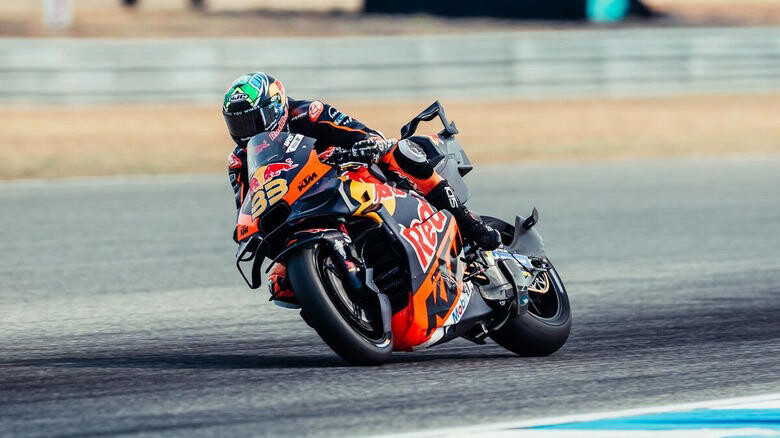
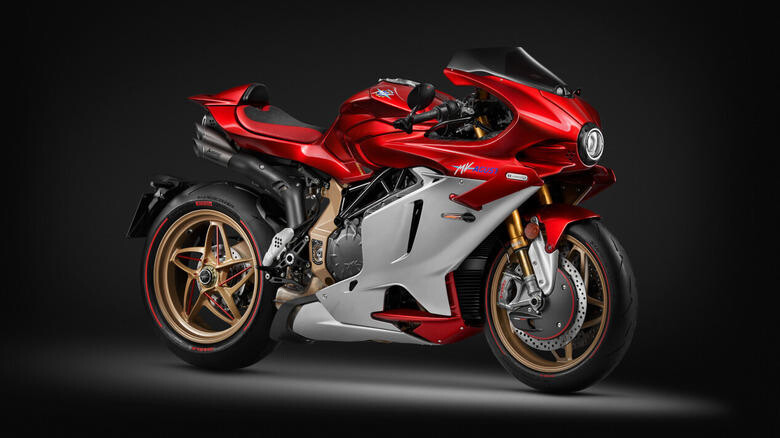
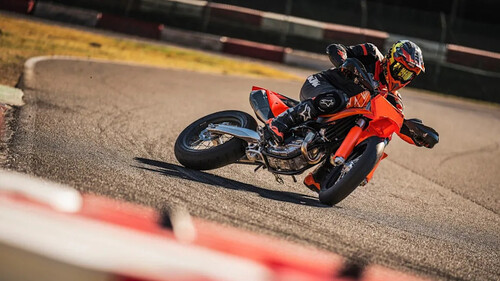
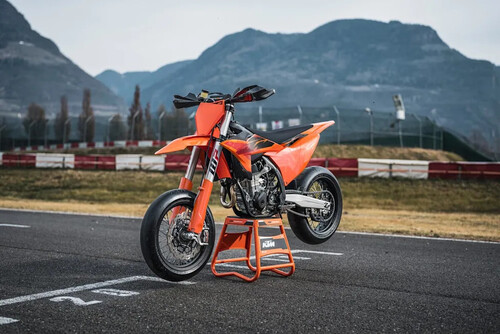
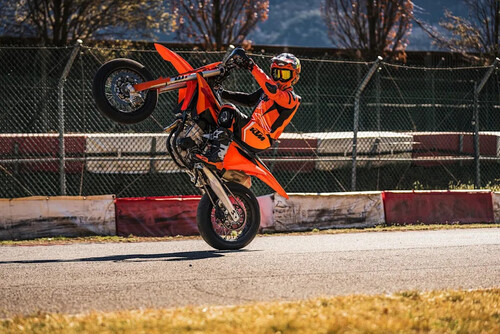
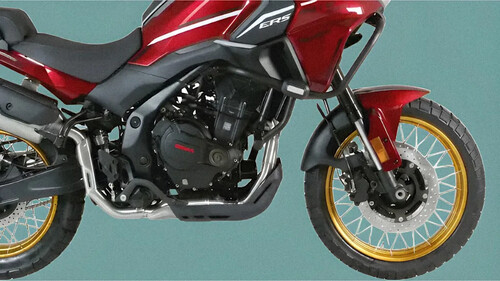
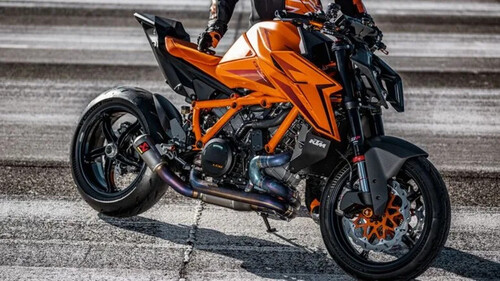
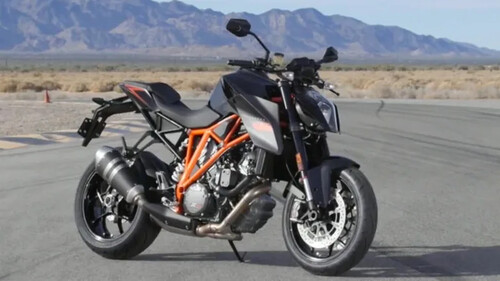
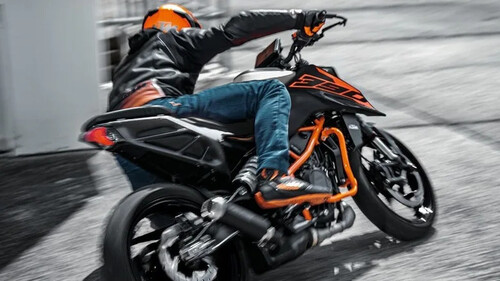
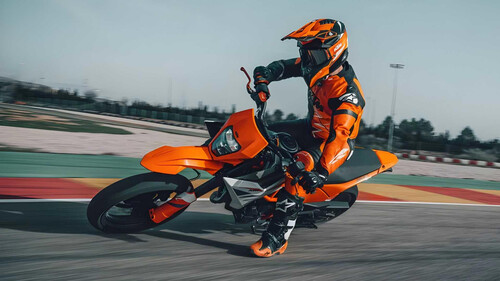
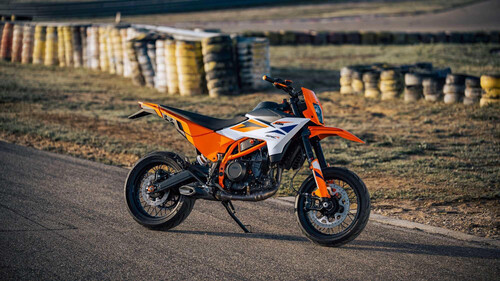
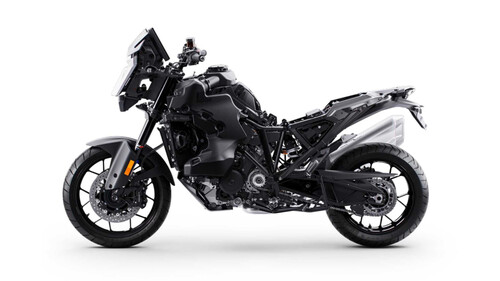
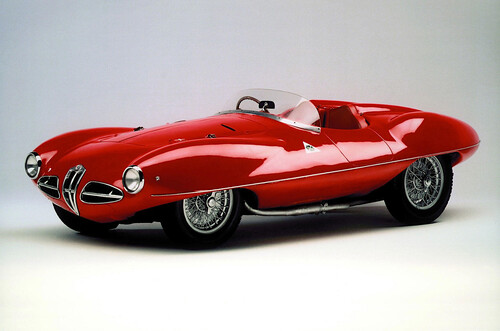
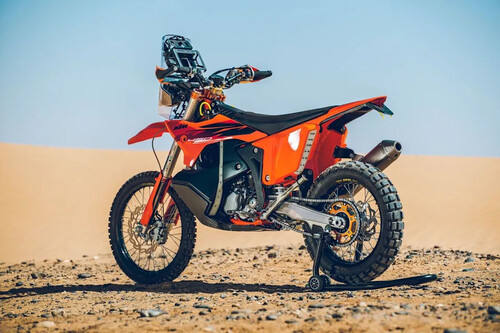
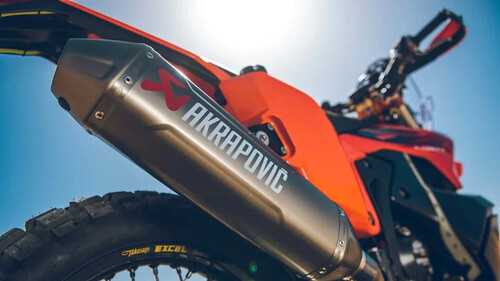
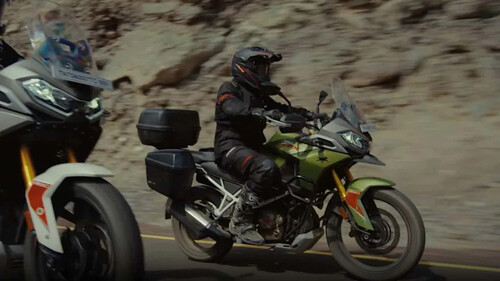
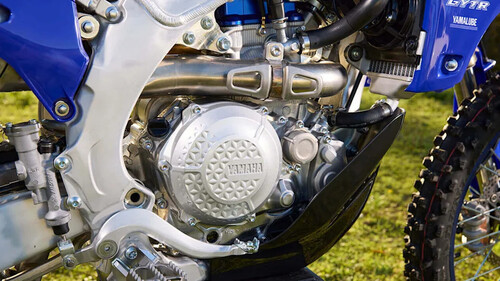
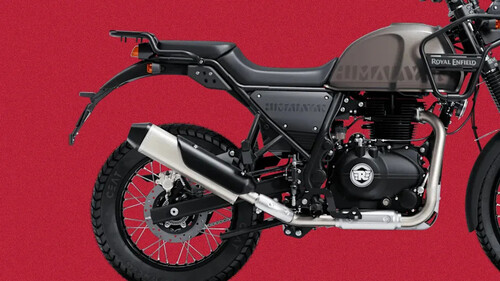
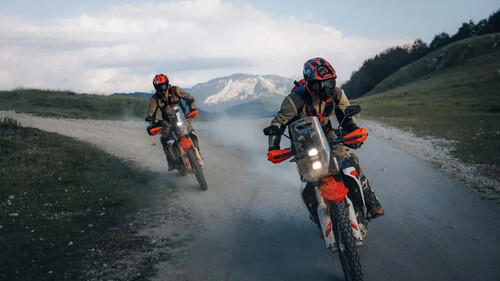
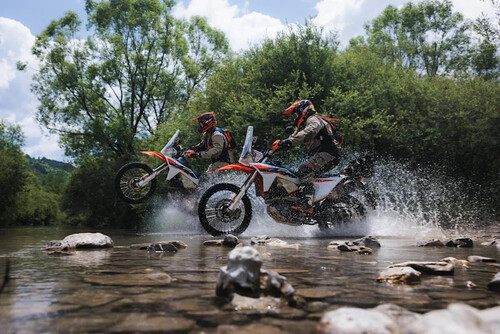
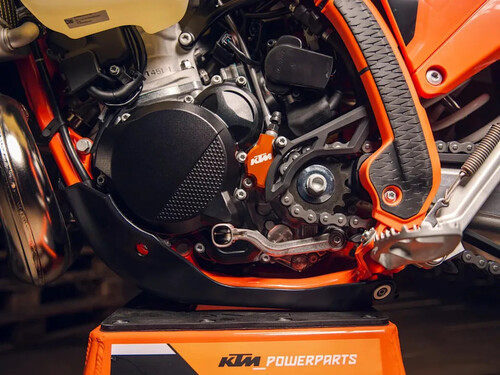
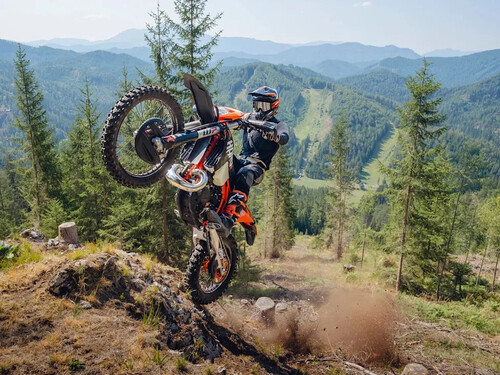
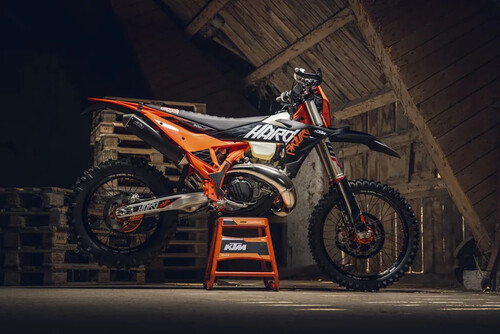
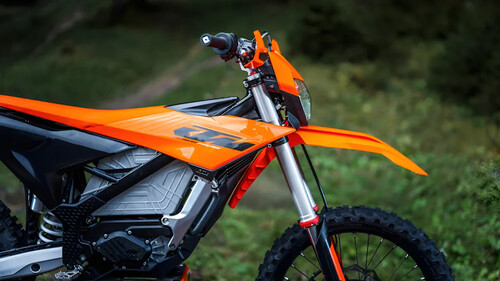
CSC MotorcyclesCSC is an acronym for California Scooter Company, though its modern offerings are anything but scooters. Headquartered in Azusa, California, the company was founded in 2008 by Steve Seidner, and its bikes are heavily inspired by the Mustang motorcycles made by Mustang Motor Products in the 1950s.The first CSC had a 150 cc engine that managed to net 90 MPG and a fair number of modern amenities like electric start, turn indicators, a modern suspension, and, of course, emissions control. In 2012, four years after its founding, CSC entered into a collaboration with Zongshen, a motorcycle manufacturer in China. The first result of this partnership targeted the small adventure-touring motorcycle segment in the U.S., which had remained largely unpenetrated until then. The bike to change all that was the fuel-injected RX3 Adventure, which used a 250 cc engine mated to a six-speed transmission. Now, a major problem with imported motorcycles, or any foreign-made motorcycle in the U.S., is the availability of spare parts. CSC told Zongshen that if the partnership were to continue, spare parts for all CSC-sold models had to be readily available. Zongshen agreed, and as a result, we get some foreign-made motorcycles in the U.S. with decent after-sales support. After the success of the RX3, CSC followed up with the RX4, a 450 cc successor to the adventure-touring RX3. Today, the company offers several models across different classes, the most popular of which are the 230 cc, $2,995 SG250 San Gabriel, the $2,995 dual-sport TT250, and the $5,995 RX6 Sport Touring.Janus MotorcyclesOut of Goshen, Indiana, Janus hand-builds small-displacement bikes that look like something Steve McQueen might've taken for a Sunday blast. Its bikes are more of an art statement piece than racing bikes, but they are worth every penny. The company was started in 2011 by founder-CEO Richard Worsham, a man who, by all accounts, has been obsessed with motorcycles from a young age. Janus motorcycles have a unique twist to their manufacturing process in that most parts of your bike will be made within 20 miles of the Goshen headquarters office. This includes major components like the fenders, forks, frame, handlebar assembly, handmade fuel tank, axle, and more. It's a very Build America, Buy America philosophy, and deserves commendation, especially since so many manufacturers are looking to outsource components to save on cost. Another unique aspect of Janus is its sales model. You go to the website, spec your bike, and when it's made, you go to the factory to pick it up amidst much revelry, or have it shipped to your door for $900. That's it — no dealers, suppliers, or other middlemen: just you, your Janus, and the road. Currently, Janus has a model lineup of four bikes: a $6,995 250 cc scrambler called the Gryffin, which also comes as a $13,495 450 cc, and the Halcyon, available in a $6,995 250 cc and a $12,995 450 cc air-cooled configuration. All models have virtually unlimited customization options as far as design and accents are concerned.KTMIf we had to bet on one brand that you've most likely heard of on this list, it'd be KTM. The company started under the name Kraftfahrzeug Trunkenpolz Mattighofen in Austria in 1934, when the name registration request was filed. However, for some reason, the name wasn't registered. The company began operations anyway, with its primary business being the repair of Opel cars and DKW motorcycles. KTM would introduce a 100 cc motorcycle called the R100 in 1953, powered by a Rotax engine made by Fichtel, and this was its first mass-produced model. It achieved great success and drew attention from local businessmen. Amidst the rising interest, a businessman named Ernst Konreig purchased a major stake in KTM and re-registered the business as Kronreif & Trunkenpolz Mattighofen. KTM would go on to use engines made by other companies until 1970, and rolled out its first 125 cc engine in 1976. The good days were not to last. In 1991, the group was split up into four divisions: tooling, bicycles, motorcycles, and radiators, following a bankruptcy caused by declining sales. However, the brand was revived in 1992 and renamed to KTM-Sportsmotorcycle AG in 1994, and from then on it's been success after success. Today, KTM offers motorcycles in every class, starting from the 125 cc two-stroke, right up to the 1390 cc Duke R. And with more than 50 models on offer in the U.S. alone right now, there's bound to be something for everyone.MV AgustaMV Agusta has an aristocratic design, that's for sure, but did you know that it also had aristocratic origins? It was just past the turn of the century, and a nobleman from Sicily called Count Giovanni Agusta had developed a passion for machines that fly. He founded the Agusta aeronautics company in 1907 as an airplane manufacturing company, but production would drastically decline after World War I ended. To compound things, the Count would pass away in 1927, after which his wife and son would step up to handle the business. The son, Domenico, decided to diversify into the recently booming motorcycle business in light of declining aircraft demand, and thus, Meccaniche Verghera Agusta was born in 1945. The first motorcycle was launched the very same year, and was a 98 cc unit that was blandly named the MV 98. The name may have been uninspired, but the MV 98 would go on to net the company's first race victory, putting MV Agusta firmly on the map as a motorcycle manufacturer. From 1992 to 2014, the MV Agusta trademark was owned by a competitor firm, and in 2014, Mercedes bought a stake in the company. Through its lifetime, MV Agusta was bought and sold over and over again, until the current owners purchased it in 2019, and are now reviewing the model lineup. Today, MV Agusta offers seven different motorcycle lines in the U.S., and 25 models within those lines.