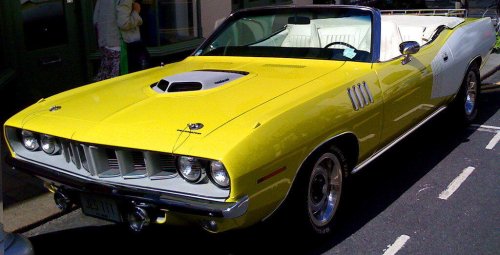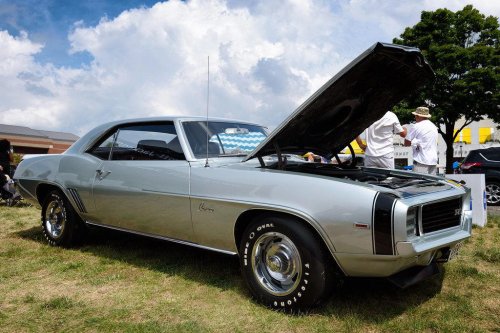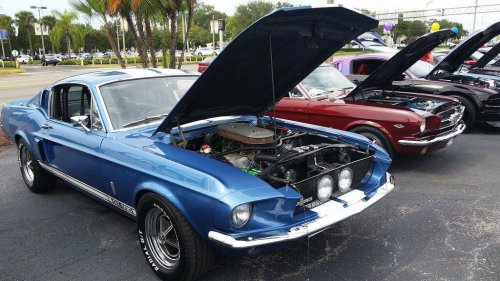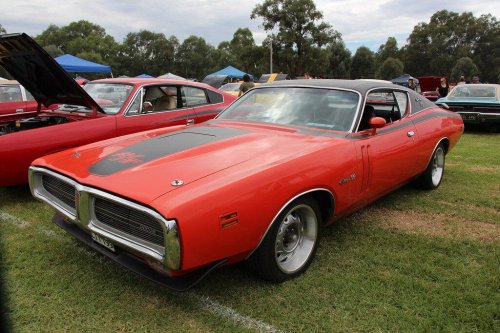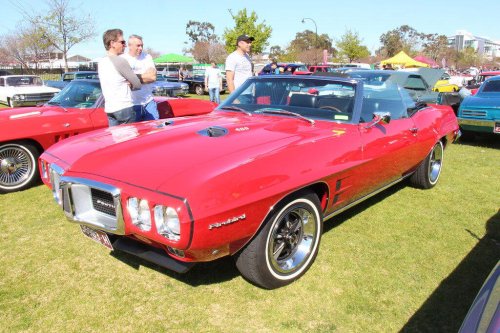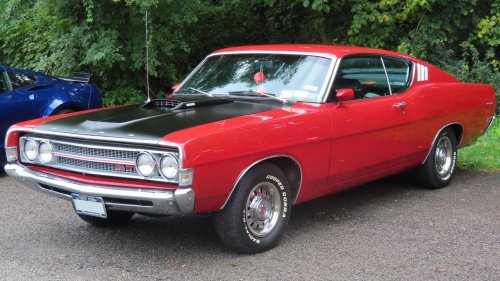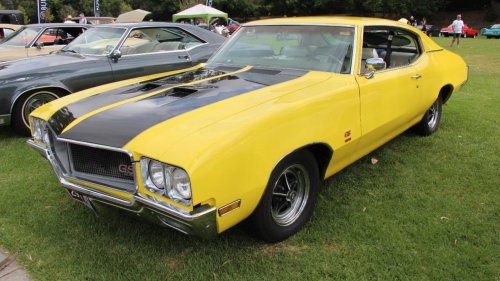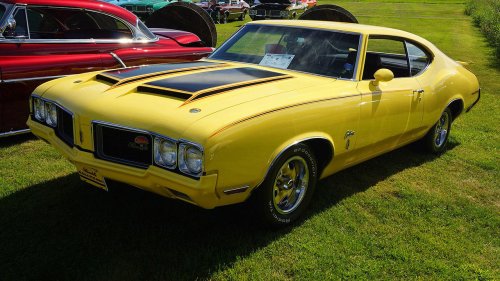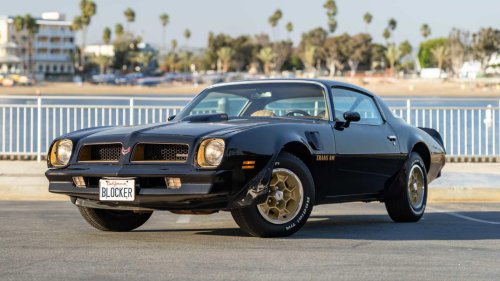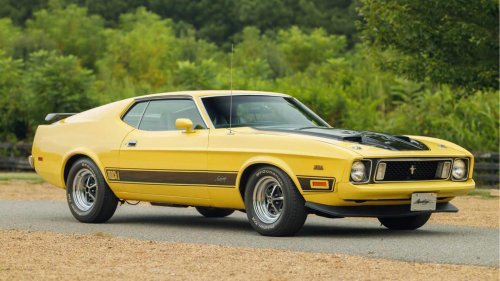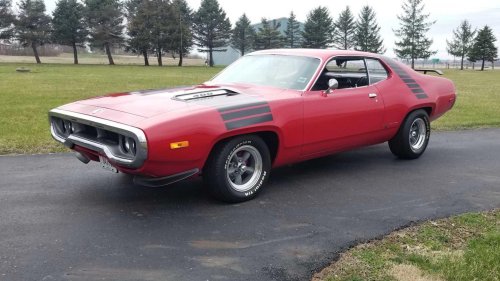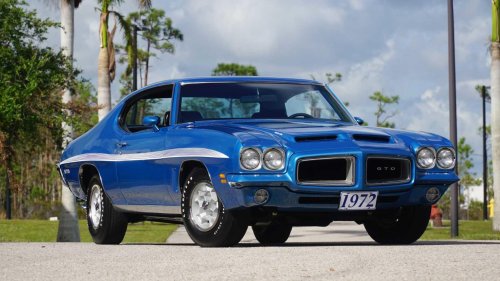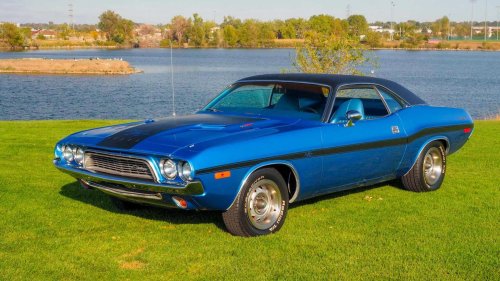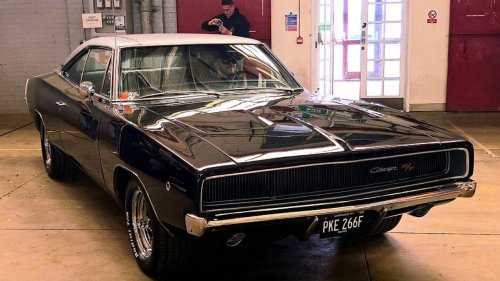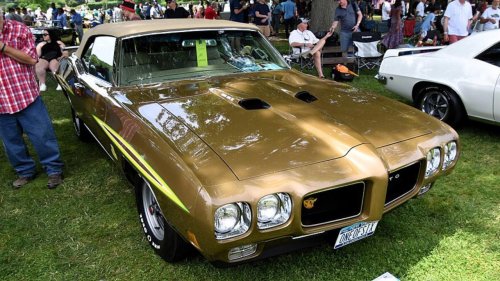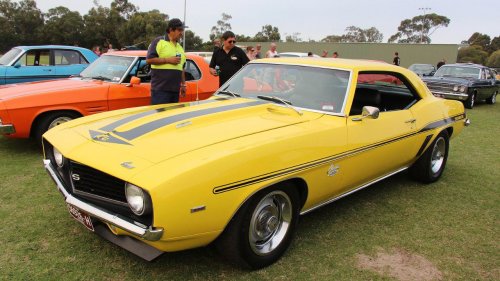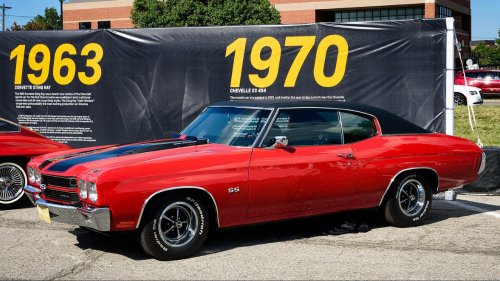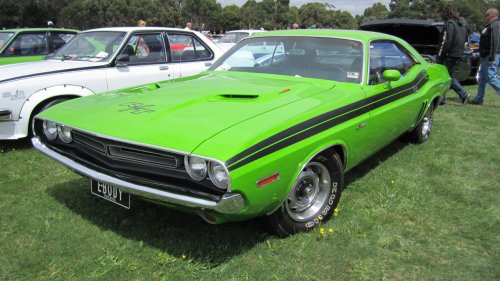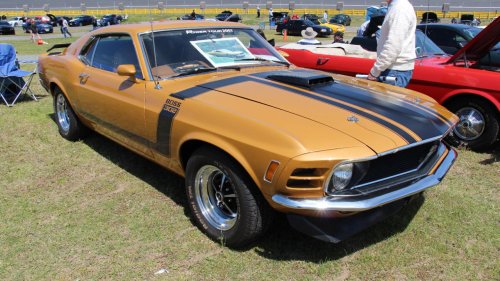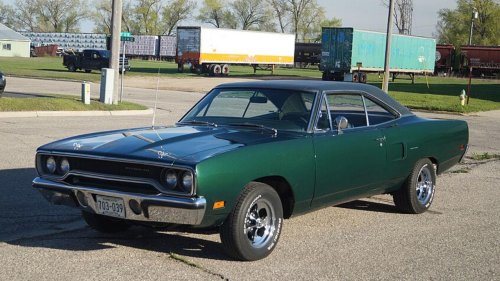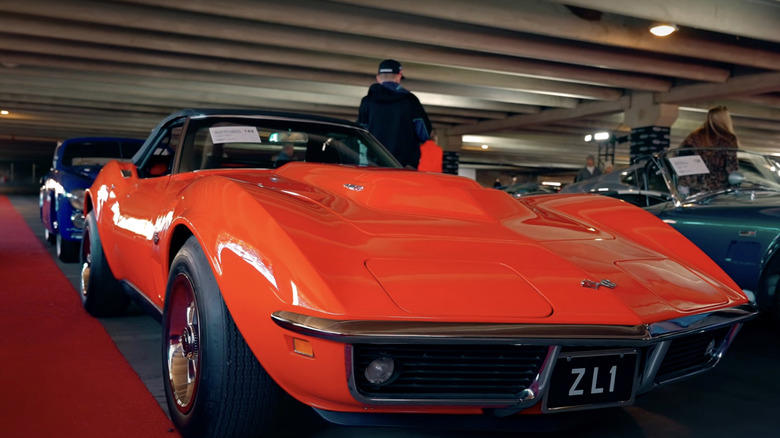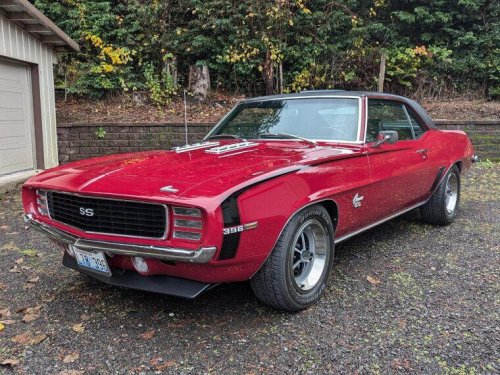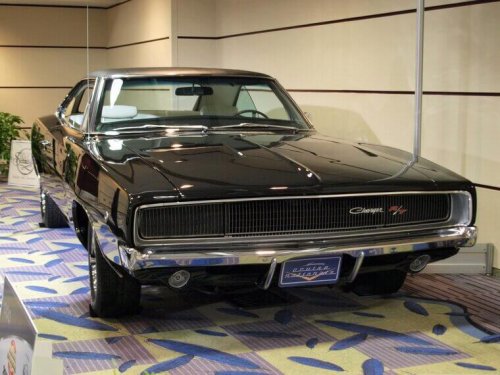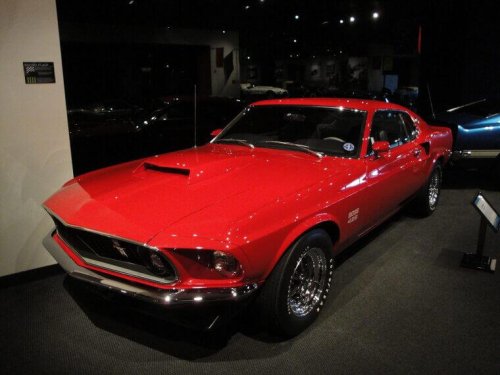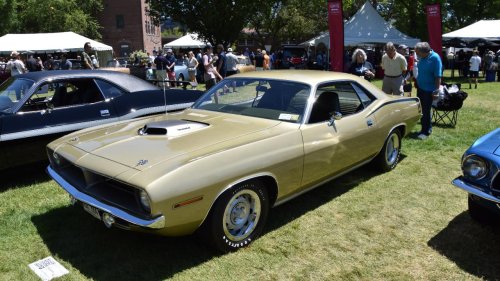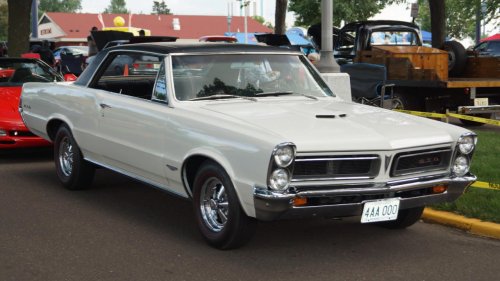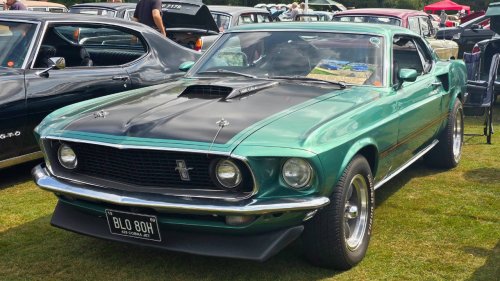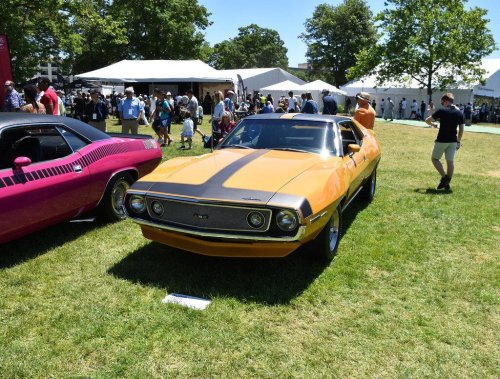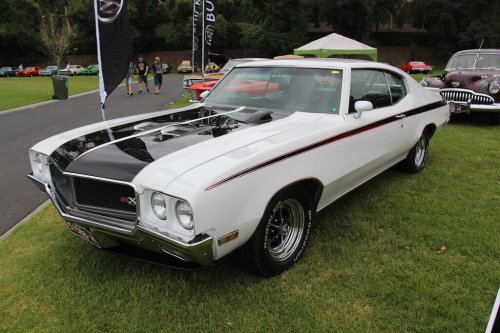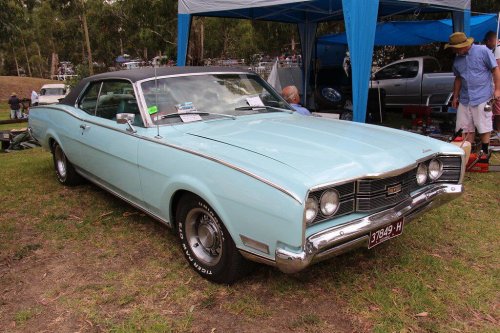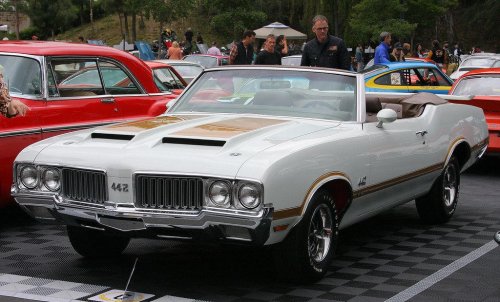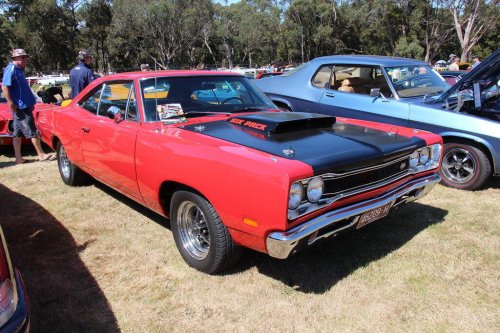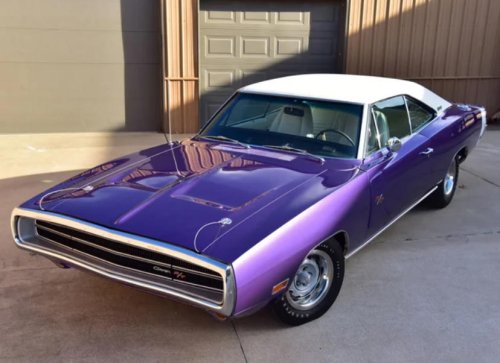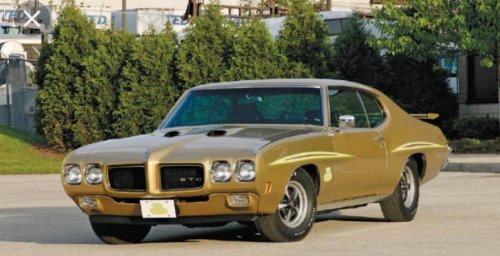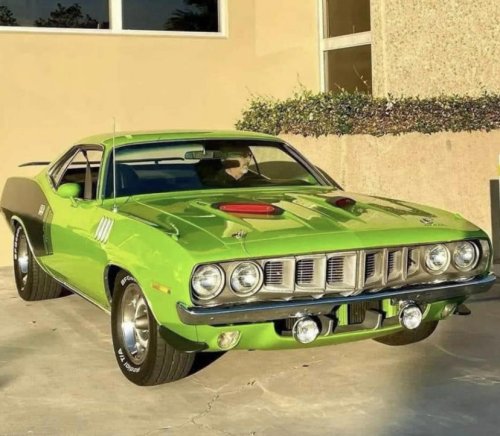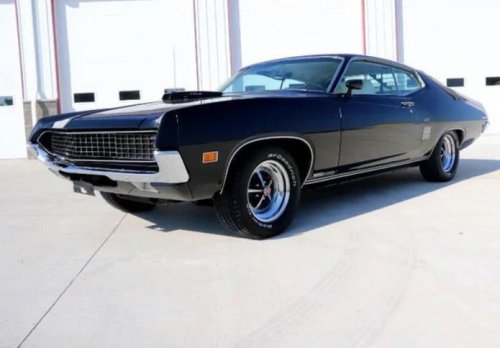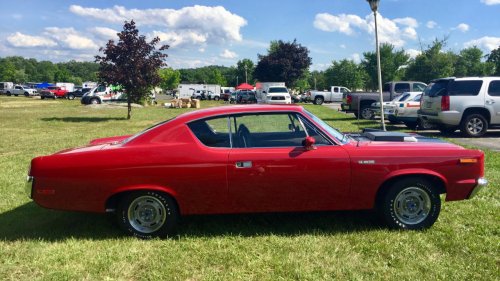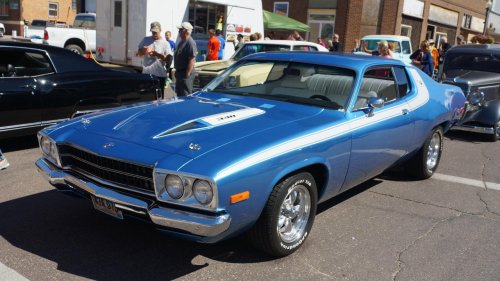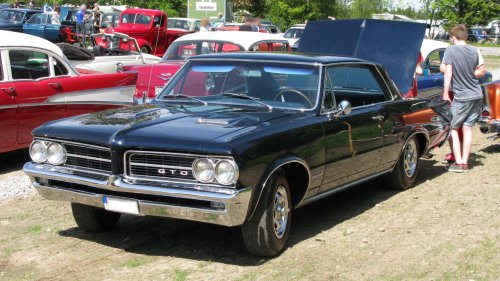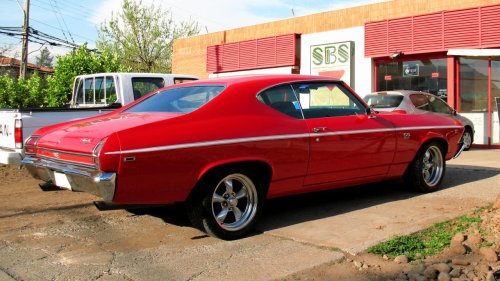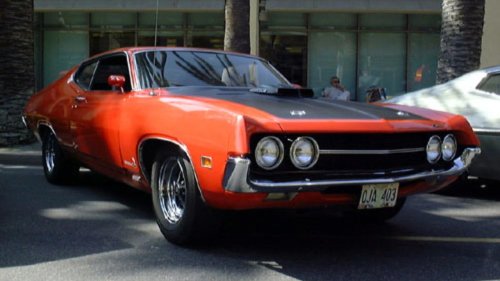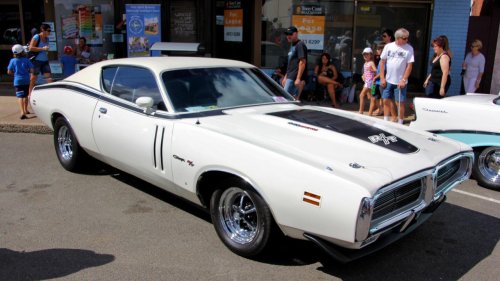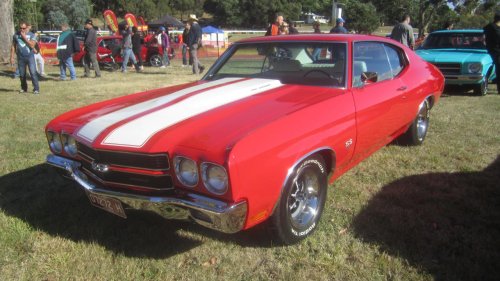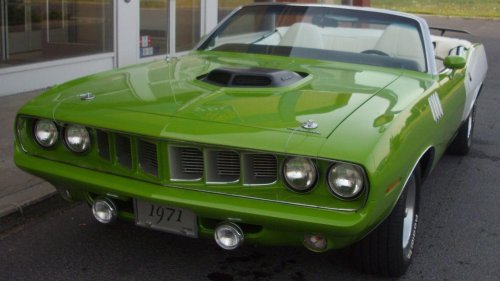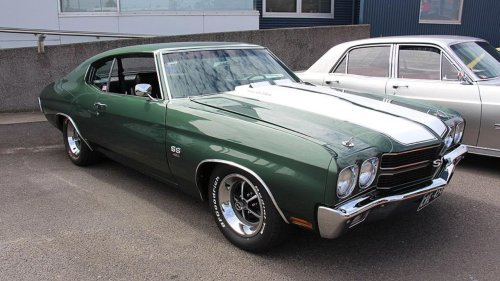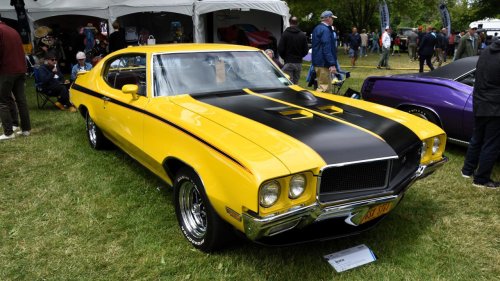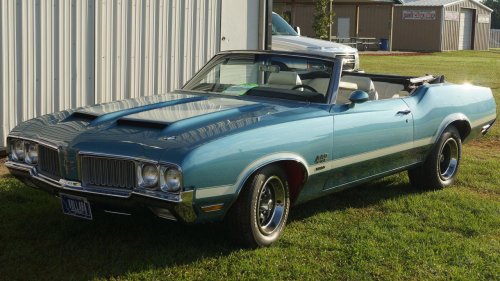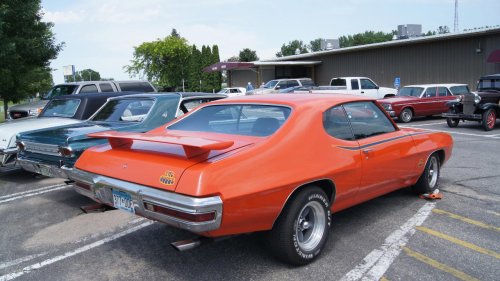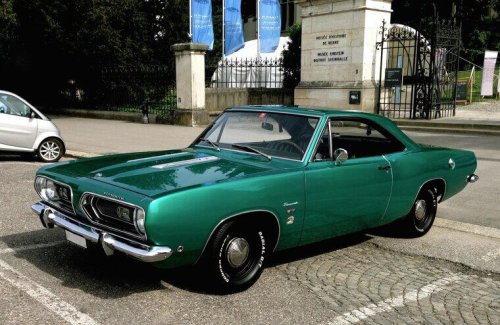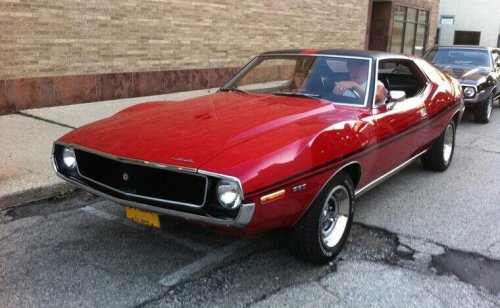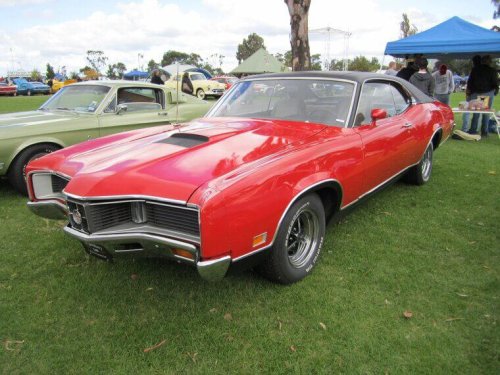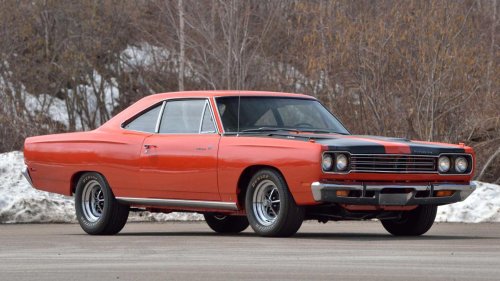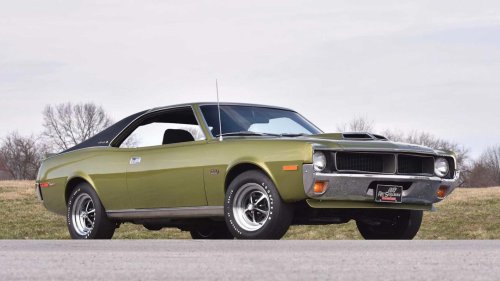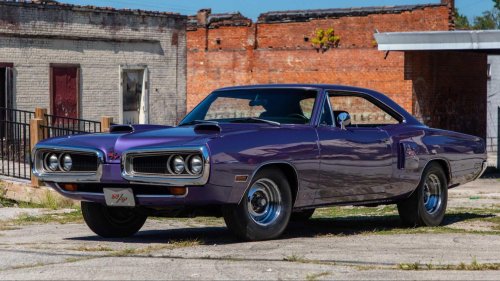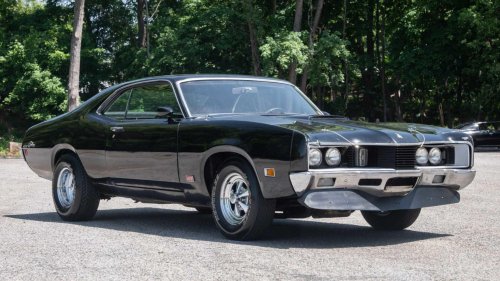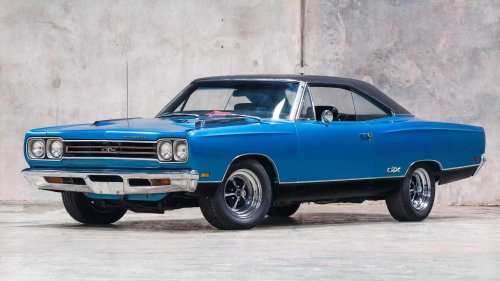
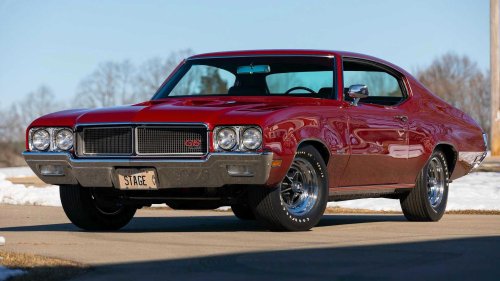
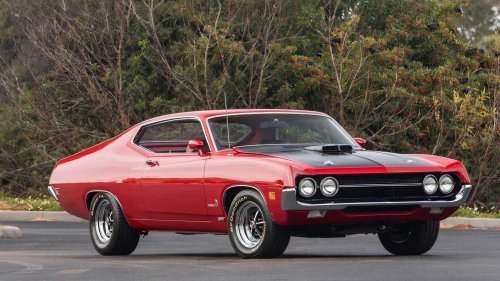
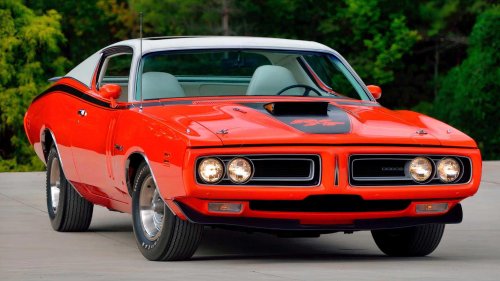
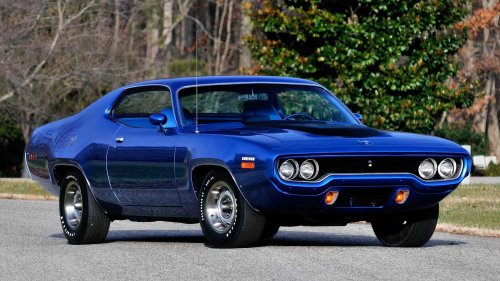




















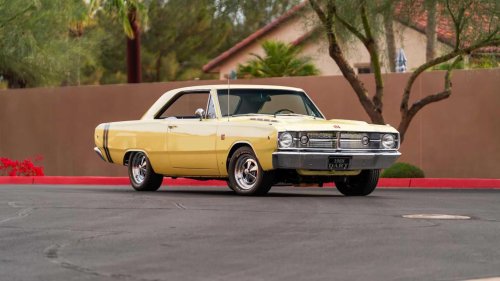
Any conversation about classic muscle cars is likely to begin with heavyweights like the Chevrolet Chevelle and the Dodge Charger, because they were truly the defining rides of the Golden Age. There were, obviously, many other killer rides from the classic age that don't get as much attention as the big dogs, and sometimes there's a good reason for that. AMC muscle cars were coolish, but clearly a notch below the elites with rushed designs and underpowered engine options. The Mercury Cougar was also not up to snuff, with a weak design that paled in comparison to its Mustang cousin.On the other hand, several classic muscle cars had amazing styling and furious power that are tragically slept on. These are cars every bit as aggressive as the Chevelle SS or Charger R/T and have the kind of power to hang with them when the light turns green, but for whatever reason, aren't as acknowledged. It's understandable why some pony cars or compacts wouldn't be on the Golden Age A-list, but these are legit intermediate street machines. TopSpeed has identified five classic muscle cars that nobody really talks about, but deserve to be at the head of the conversation.To give you the most up-to-date and accurate information possible, the data used to compile this article was sourced from various manufacturers and other authoritative sources. Cars are in chronological order, oldest to newest. 1969 Plymouth GTX This Gentleman Is Kind Of Rude And Pushy Mecum Usually, the top trim of any muscle car is the one that everyone remembers the most, like a Chevy SS, Dodge R/T, or Pontiac Judge, but the GTX is a virtually forgotten Plymouth. The 1969 GTX was the upscale version of the Road Runner, but it doesn't have the same prestige with collectors or enthusiasts. Billed as the "Gentleman's Muscle Car," the GTX came loaded with every single option in Plymouth's arsenal, including bucket seats and power everything. It also had a unique front grille, different tail panel sheet metal, and lots more chrome. The '69 Road Runner was much cheaper, so it makes sense that more people bought them, but now, the GTX is a much nicer ride and should be more desirable. 1969 GTX Power And Performance The entire point of the Road Runner was to be a stripped-down speed machine with a budget-friendly price, which, again, had great appeal in the classic age, but that complete lack of features and comfort seems like a negative today. The most coveted muscle car collectibles are all original rides that were loaded, and that's exactly what the GTX is. Rarity and top engine options are also factors, but Plymouth made a boatload of Road Runners, and it is the nameplate that got equipped with more 426 Street Hemi than any other Mopar. Meanwhile, only 209 1969 GTXs were sold with a 426-cubic-inch Hemi V-8 under the hood, so it's more elusive than a Hemi 'Cuda, and every bit as badass. 1970 Buick GS 455 The Ultimate GM Muscle Car Mecum When it comes to GM A-Body muscle cars, it's basically the Chevy Chevelle SS and Pontiac GTO Judge, with the Buick GS as well as Olds 422 relegated to afterthoughts. While the 442 is a cool, underrated classic ride, we picked the 1970 GS 455 because it's a superior car. In fact, the often-forgotten Buick was the most killer GM muscle car ever produced, even besting the '70 Chevelle SS 454 LS6, which is number one for collectors. GM lifted its silly big engine ban in 1970, and all of its divisions went nuts with high-displacement big blocks. Buick's 455-cubic-inch V-8 had an advantage over the rest because it used thin-wall construction and was much lighter than competitors' engines. 1970 GS 455 Power And Performance Conservatively rated at 360 horsepower, the GS 455 with Stage 1 upgrade, cranked out 510 pound-feet of torque, which is the most rotational force produced by an American car until the Dodge Viper came along decades later. That kind of torque is useful for a rocket-like launch and, as such, the '70 GS 455 could scorch a quarter-mile in under 13.4 seconds, something the Chevelle SS, GTO Judge, or 442 couldn't replicate. All the second-gen GM A-Body cars were similar in styling but with different front fascias and hoods, so it's difficult to state that one has a better design than the others. They were all seriously cool with bold muscular stances, but the Buick GS 455 had a slight edge in acceleration, and, really, that's what mattered most in 1970, and still should today. 1970 Ford Torino Cobra The Tornio Snake Pit Is More Like A Mosh Pit Mecum The Ford Mustang, introduced in 1964½, was such a massive success that it literally stole all the oxygen from anything else the company made in the 1960s and 1970s. Despite being a dominant racer in NASCAR and getting immortalized in a Clint Eastwood movie, the Ford Torino struggles for recognition. The first-gen Torino was okay-looking, but was stuck with the dated Fairlane design, while the second-gen in 1970 received some proper kick-ass muscle car styling. Those slick looks were accentuated with an awesome big-block in the 1970 Torino Cobra, which is easily the most underrated muscle car of the entire Golden Age, and is weird to say about something from the high-profile Ford Motor Company. 1970 Torino Cobra Power And Performance Then again, the success of the Mustang had many people thinking about Ford as a pony car company and not a muscle carmaker, with those being two distinct markets back then. In reality, the Mustang did become a muscle car in the late '60s when Ford opened up the big-blocks to the GT and Boss cars, but earned reputations are hard to break. In any case, the Torino Cobra came with the decidedly awesome 429-cubic-inch Cobra Jet V-8 or the Super Cobra Jet variant, which qualified it as a genuine street terror. As one of the few classic-era Fords that could run in the 13s, it should have gained more fame, but it really is hard to get out of the shadow of something as iconic as the Mustang. 1971 Dodge Charger R/T Coked Up Third-Gen Charger Mecum The sexy, aggressive lines of the second-generation Dodge Charger are considered among the best car designs of all time and made it the most memorable ride of the Golden Age. For the third-gen Charger in 1971, Dodge took that Coke bottle style and stretched it to the extreme for an even more stunning muscle car, but it doesn't quite get the recognition as its earlier version. The third-gens weren't even considered collectible until recently, which seems completely insane, especially considering that '71 was the last year the 426 Street Hemi was available, though rarely optioned. Just 63 Charger R/Ts were equipped with a Hemi, and another 22 went into the Charger Super Bee, so these are genuine Mopar unicorn cars. 1971 Charger R/T Power And Performance 1971 was also the last year for the 440 and 383 engines, which is another way of saying this was the end of Mopar Muscle for the Golden Age. A '71 Charger Hemi R/T was just as ferocious on the streets as a second-gen, but maybe the styling was off-putting to purists, or perhaps just the fact that the third-gen ushered in the Dead Horsepower Era had collectors ignoring it for so long. Most casual fans still haven't figured out how inherently awesome a '71 R/T is, but collectors have definitely woken up to it. That Hemi Orange '71 Hemi R/T pictured above sold at Mecum Kissimmee 2023 for $550,000, making it the most expensive classic Charger ever, that isn't a '69 Daytona. Unless Dominic Toretto ditches his '70 R/T for a '71, however, the third-gen Charger will always be second banana despite its unrestrained coolness. 1971 Plymouth Road Runner Thinking Outside The B-Body Box Mecum We've already discussed what an impact the first-gen Plymouth Road Runner had on the Golden Age of American Muscle, but its second-generation iteration is almost lost to history. For 1971, all Mopar B-Body cars got a radical redesign, as was mentioned with the Charger, with the Road Runner's new style actually eclipsing the Dodge. Perhaps taking styling cues from the third-gen 'Cuda, the 1971 Road Runner came off like an aerodynamic battering ram that was simultaneously sleek and brutal. The OG Road Runner's appeal was its price-to-performance ratio, and while its no-frills style was bold and muscular, it was kind of boxy. The '71 version, on the other hand, was a visual feast that was both alluring and intimidating. 1971 Road Runner Power And Performance Just 55 '71 Road Runners were blessed with a 426 Street Hemi, making it one of the rarest classic Mopars, and of course, this was the last year the legendary wondermill was available in any car. A set of wheels this good-looking, with this much power, should definitely have a higher profile, but it's not all bad news. While the casual muscle car fan may not be aware of it, hard-core collectors know its existence and value all too well. A '71 Road Runner Hemi sold recently at auction for over half a million bucks, which is double what the top-selling first-gens go for. A sale price like that puts the '71 Road Runner in the upper class of classic muscle cars, so now all that needs to happen is an awareness campaign to get it and the other rides on this list into the Golden Age conversation.