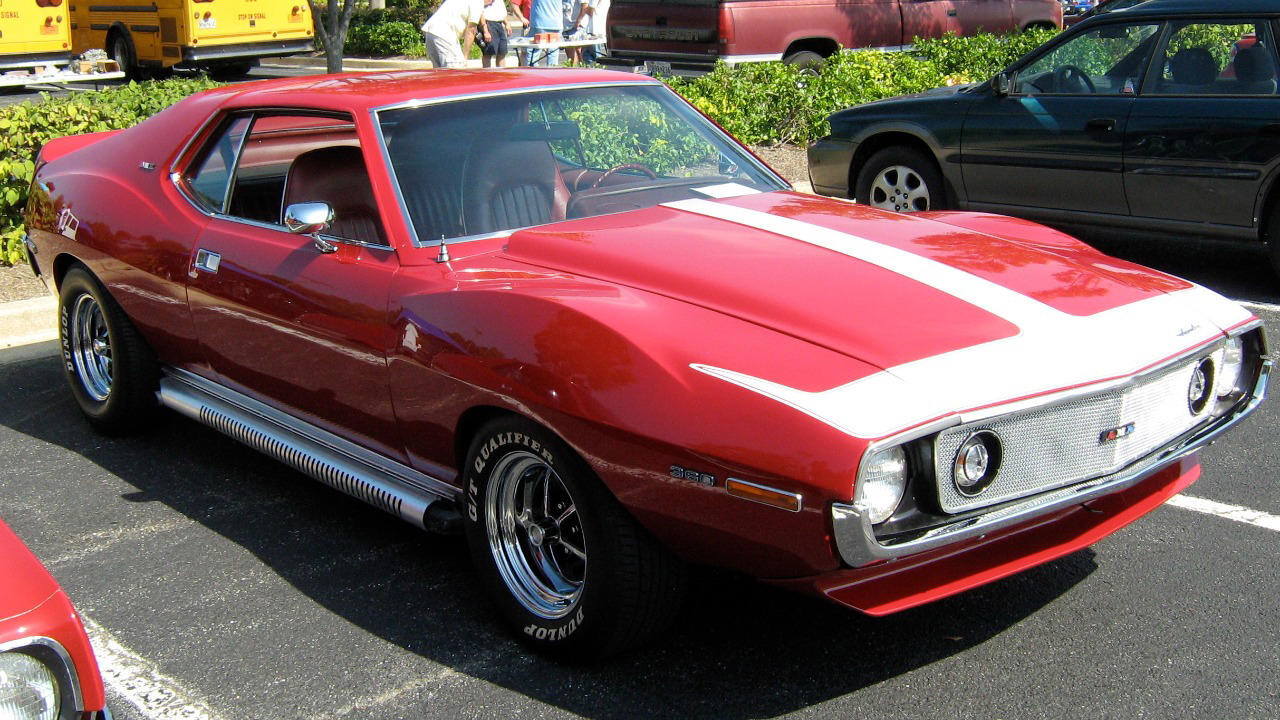
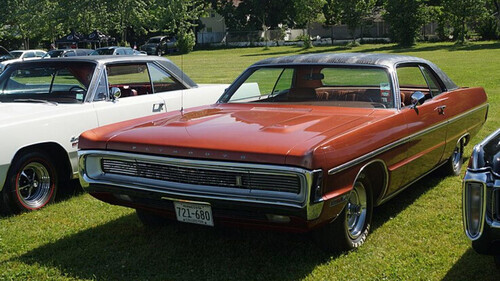
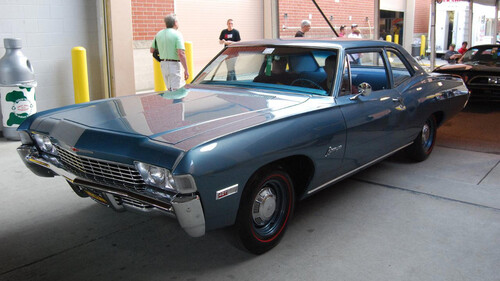
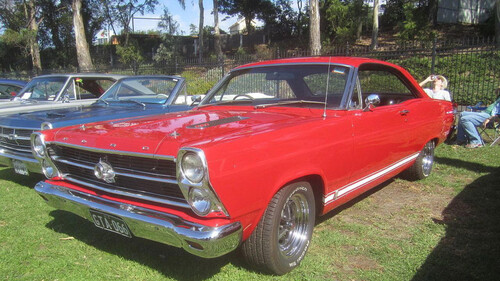
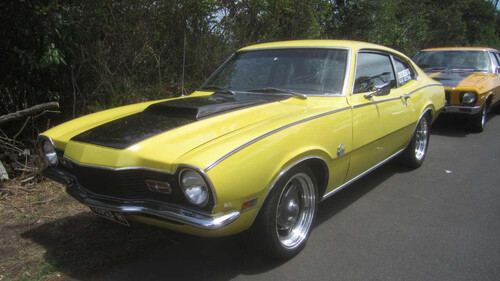
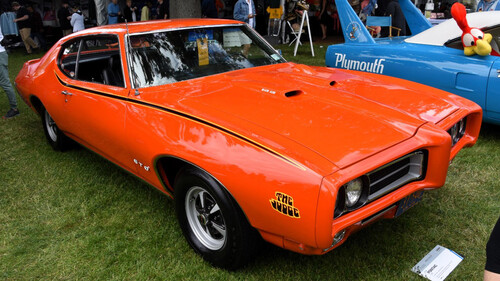
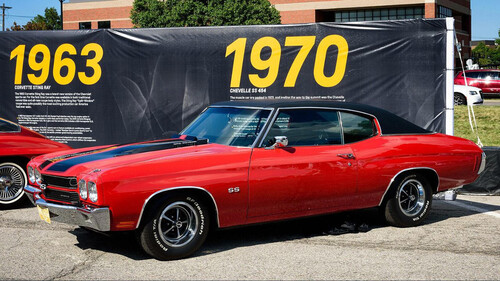
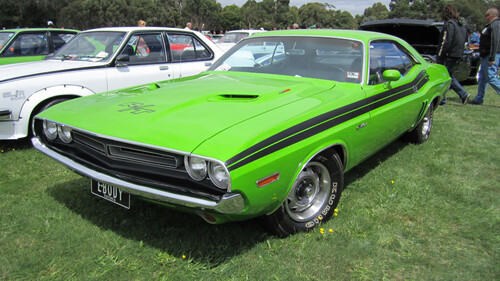
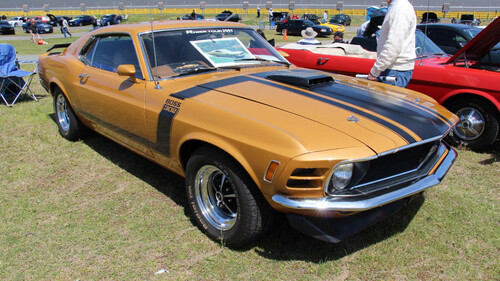
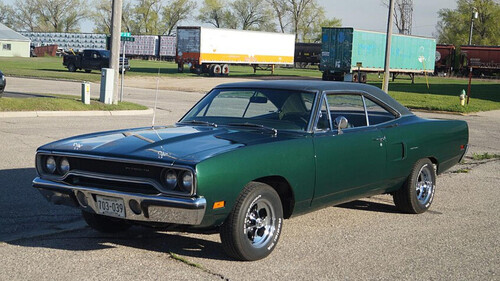
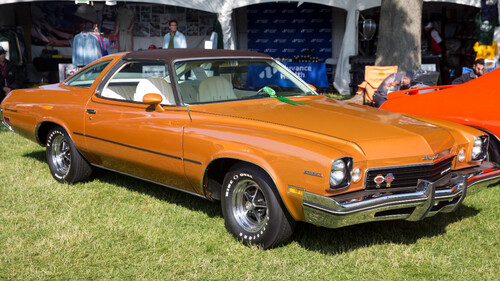
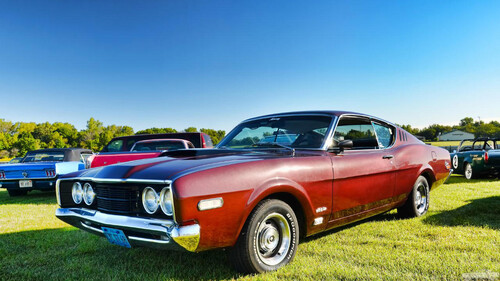
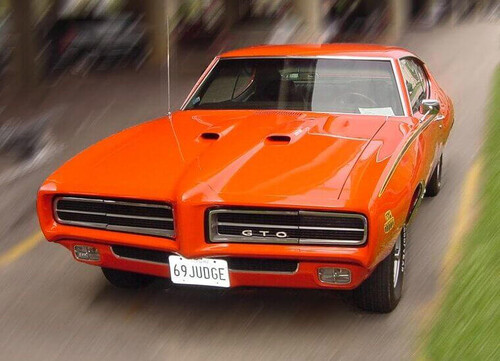
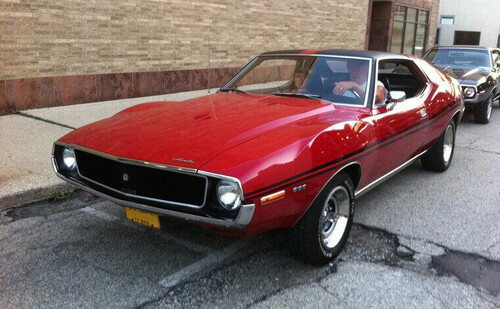
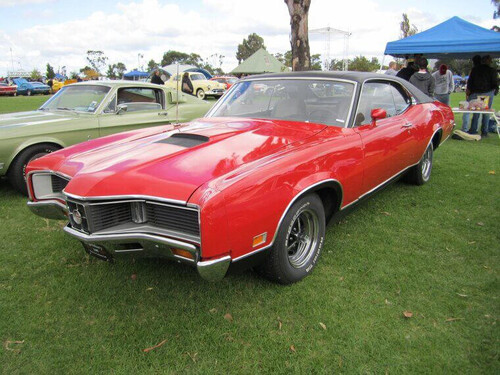
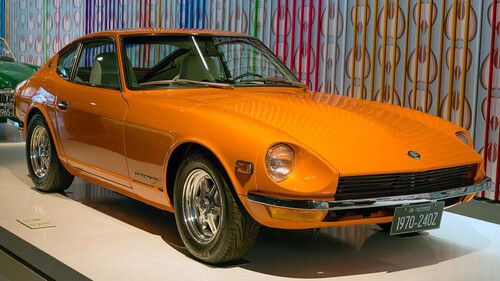
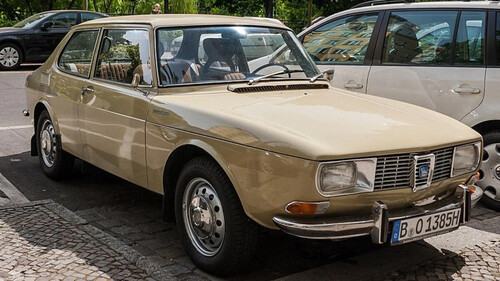
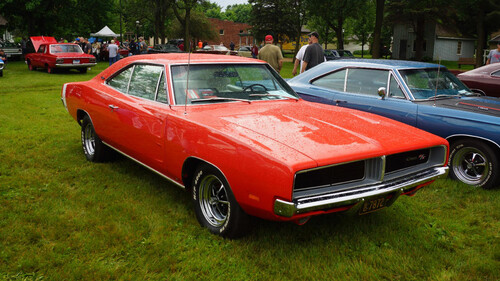
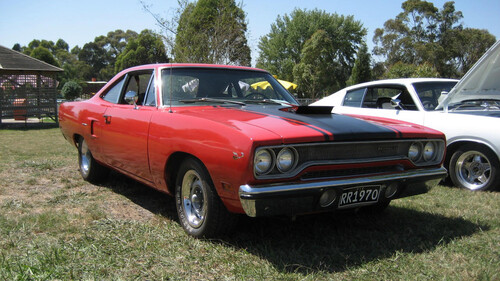
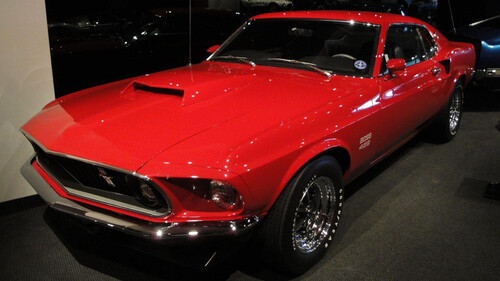
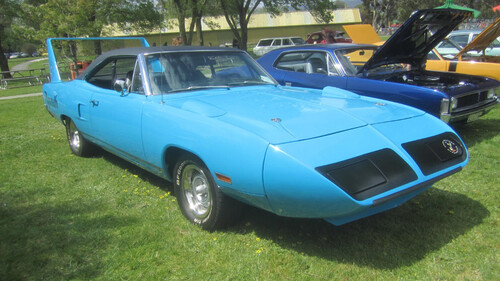
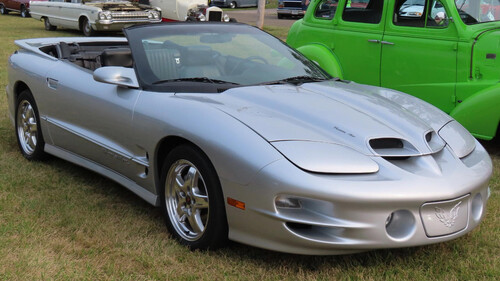
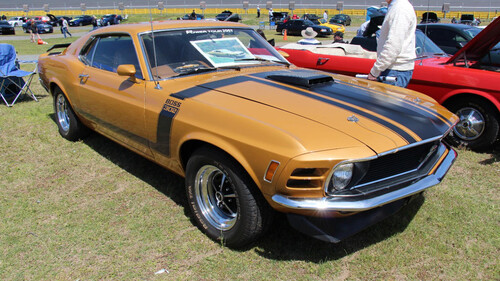
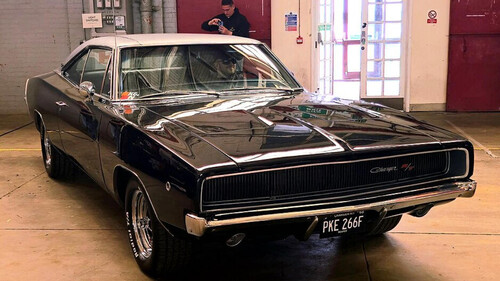
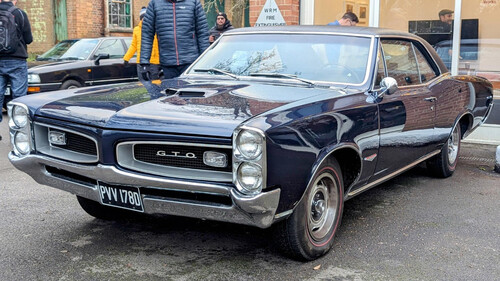
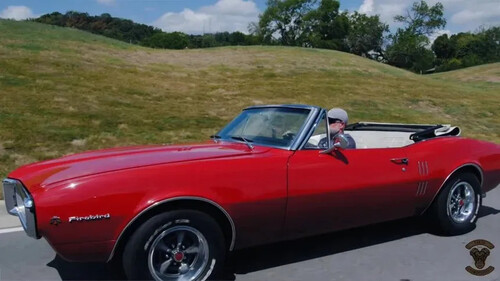
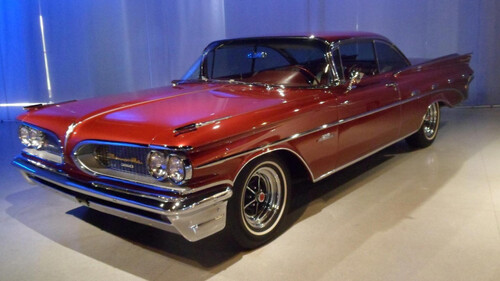
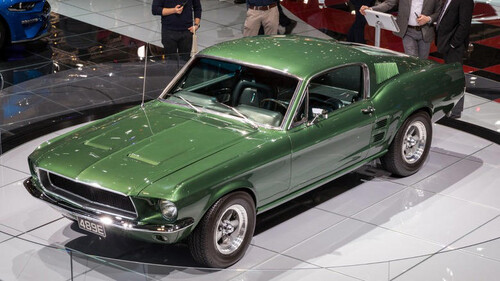
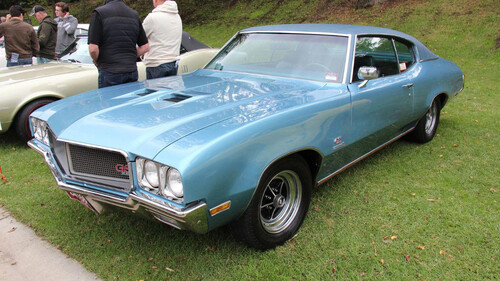
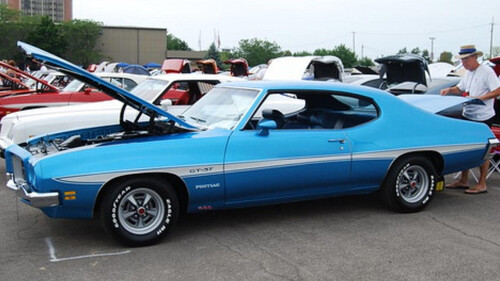
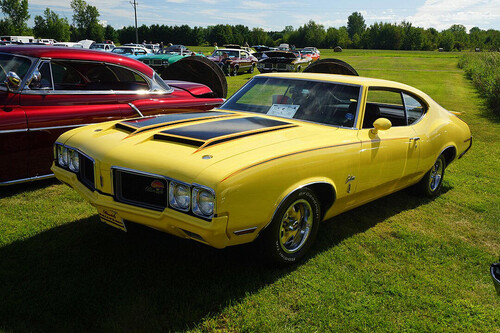
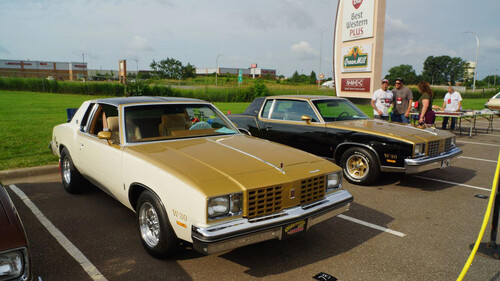
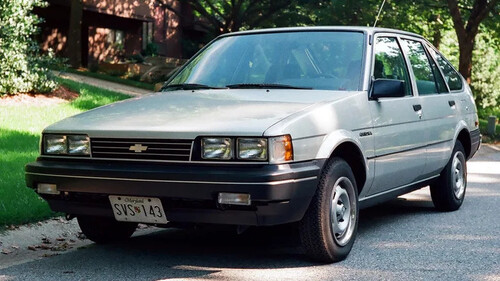
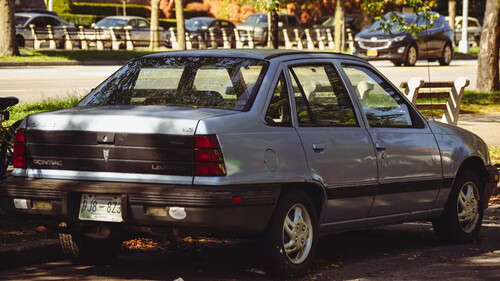
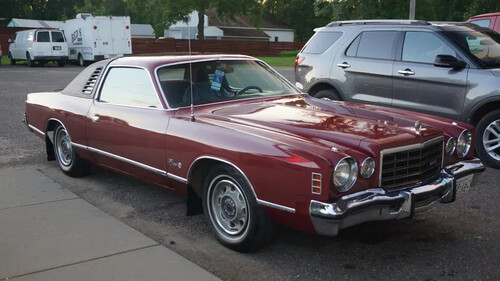
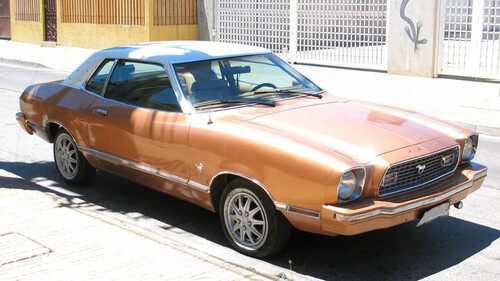
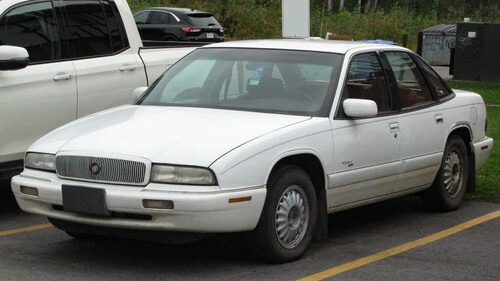
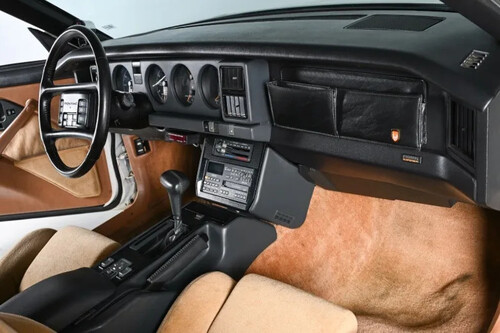
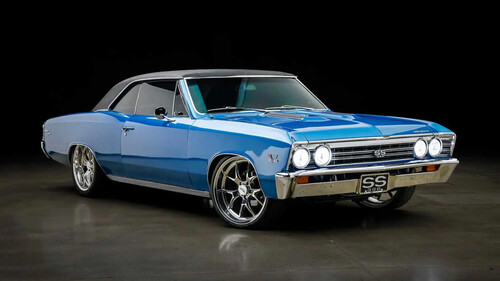
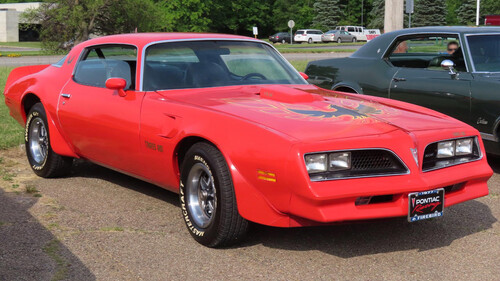
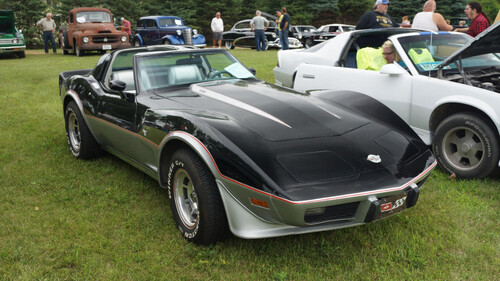
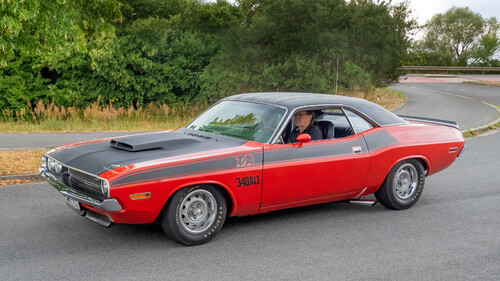
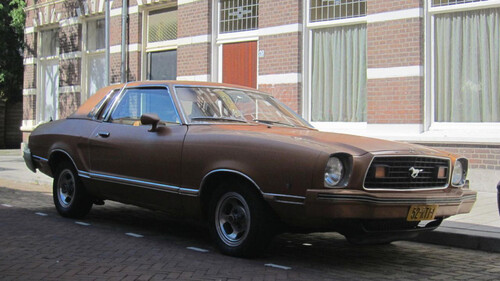
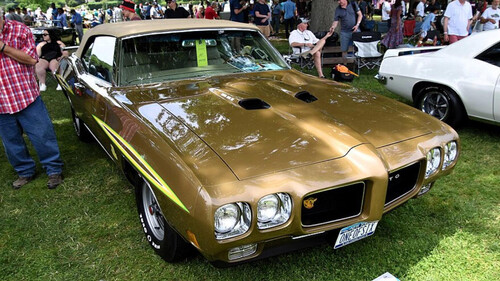
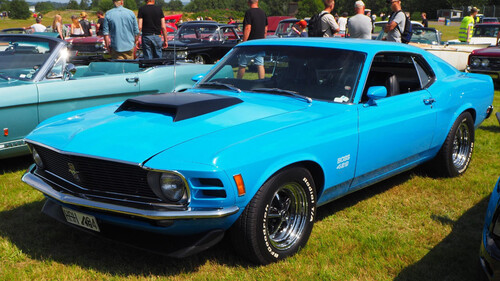
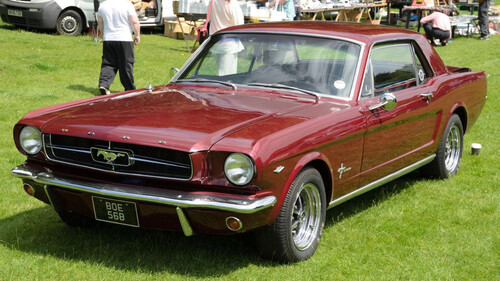
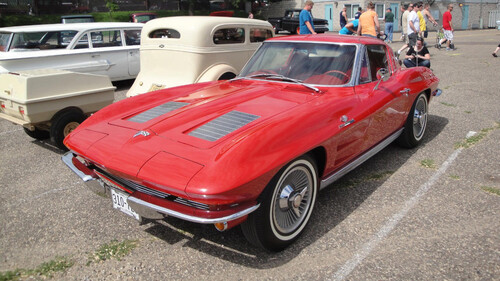
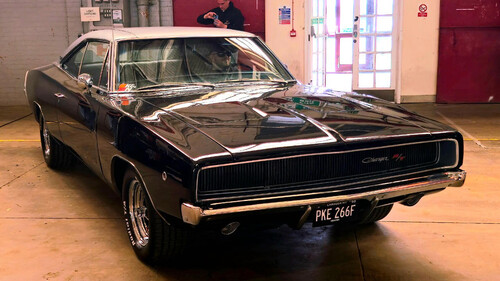
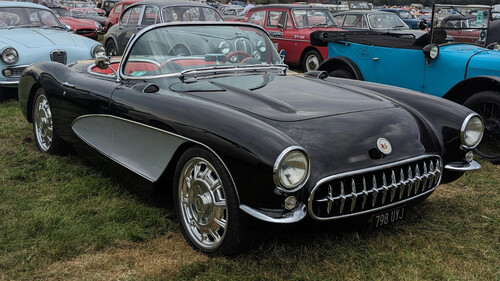
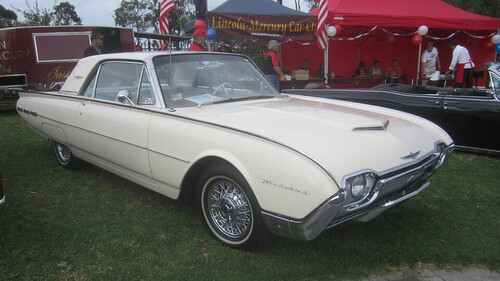
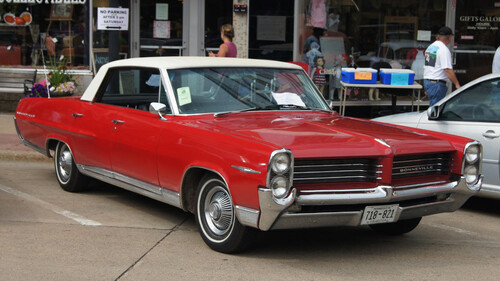
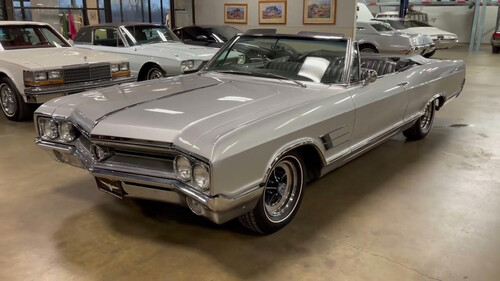
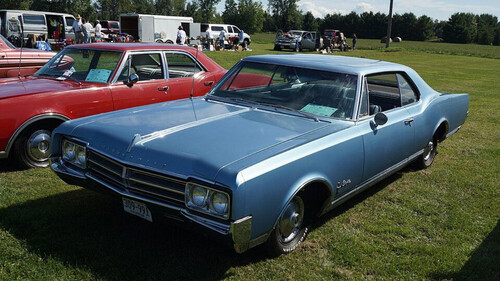
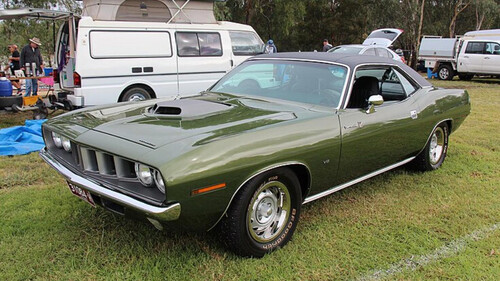
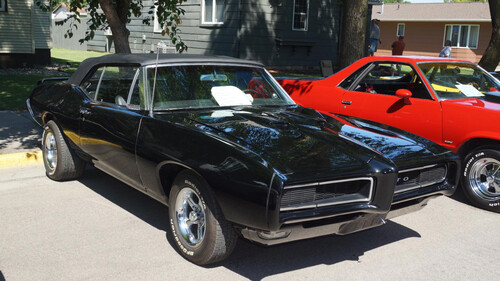
Noah Lavoie · 5 months ago@noahlavoie138 forgotten muscle-era machines that deserved much more attention Liked byBuickFordOldsmobilePlymouthPontiacPost commentRelated Posts19 rare muscle cars that only true fans recognize 77 · Amélie Gagnon · 1 months ago12 factory muscle cars that turned into surprise collectibles 45 · Samuel Bouchard · 1 months agoTop 10 Cars That Were Ahead of Their Time 29 · Nicole Brown · 3 months agoToday in Collector Car History: The 1967 Chevrolet Camaro Went on Sale 60 Years Ago 22 · Oliver Lavoie · 21 days agoFrom ‘hands-free’ to ‘eyes-off’: how General Motors is simulating its way to autonomous drivingDaniel Côté · 8 days ago19 muscle cars that real enthusiasts know are worth remembering 69 · Annabelle Morgan · 1 months agoMuscle cars that ruled the drive-in and never came back 35 · Owen Green · 1 months agoThese Are America's Most Impressive Concept Cars of the 1980s 69 · Kaitlyn Morgan · 3 months ago20 vintage classics that felt faster than anything in their class 21 · Lucas Johnson · 24 days agoWhy Did Ford Kill The V6 Mustang?Lucas Johnson · 9 days ago20 American cars that pushed performance to the edge of regulation 61 · Caleb Brown · 1 months ago7 rare muscle cars true fans still talk about 34 · Sophie Hall · 2 months ago8 vehicles from Detroit’s performance peak that arrived at exactly the right time 99 · Parker Hall · 3 months ago400 HP for Under $40K: Six Ways to Buy Cheap Power 59 · Morgan Young · 25 days agoModern Turbo-Four Muscle Cars Are Still Better Than Old V6-Powered Base ModelsAva Bouchard · 9 days ago20 rare muscle cars that only serious collectors talk about 83 · Chloé Morgan · 1 months ago10 American classics whose reputations keep getting stronger 36 · Evan Johnson · 2 months ago8 Front-Drive Turbo Cars That Kept Muscle Alive in the 1980s 61 · Oliver Walker · 3 months agoThe 10 Coolest Cars For Sale On Motorious Right Now Under $20,000 71 · Liam Campbell · 27 days agoHenry Ford Killed The Patent That Claimed To Own The AutomobileThomas Wilson · 9 days ago