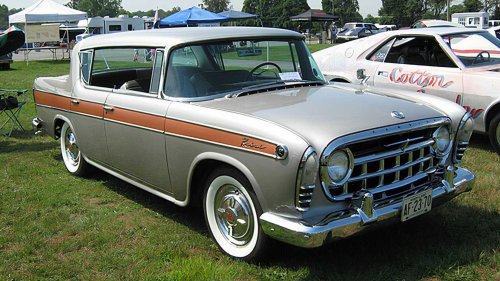
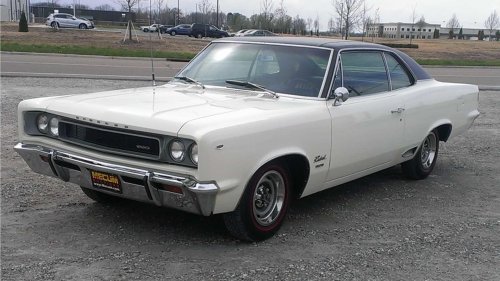
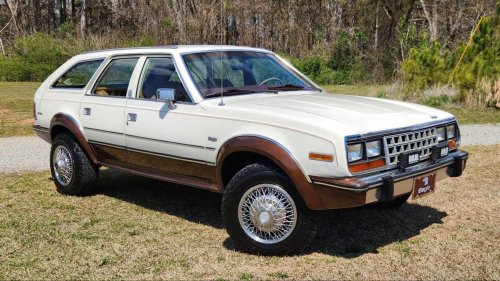
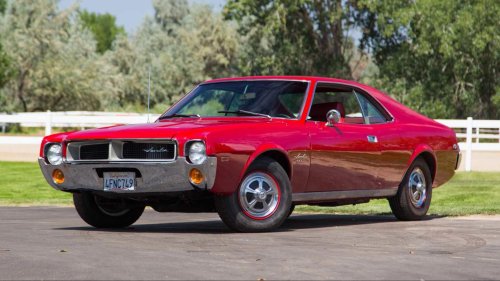
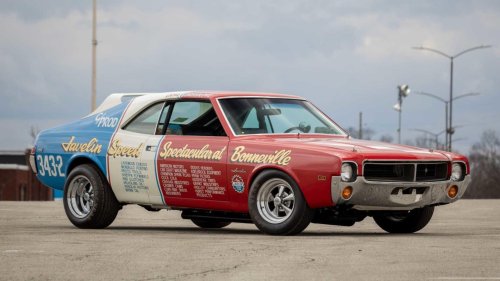
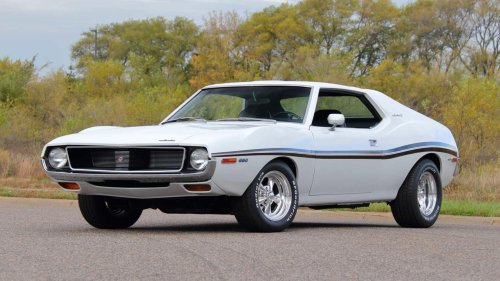
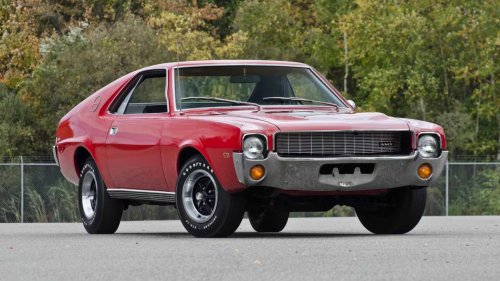
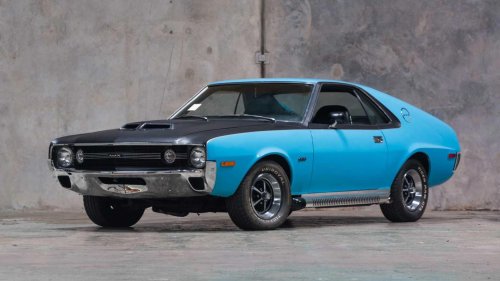
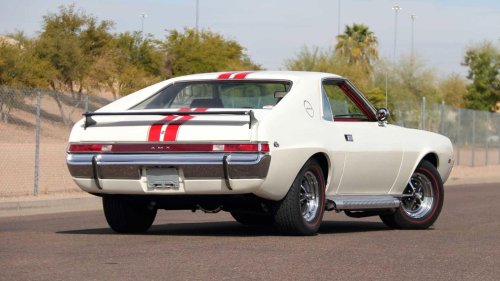
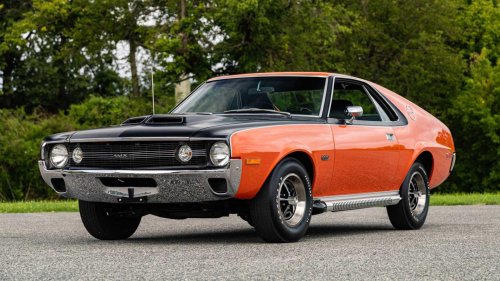
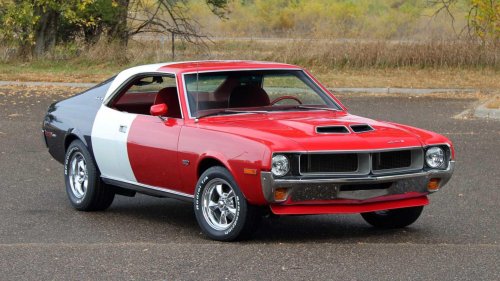
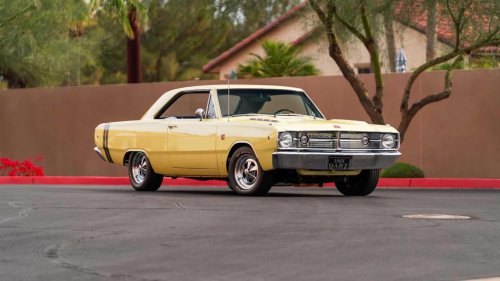
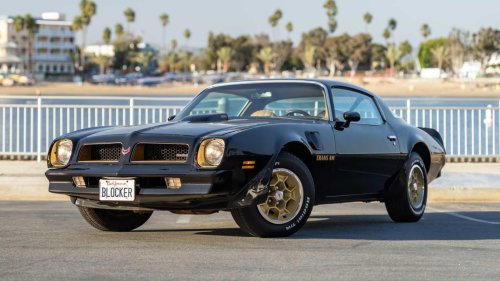
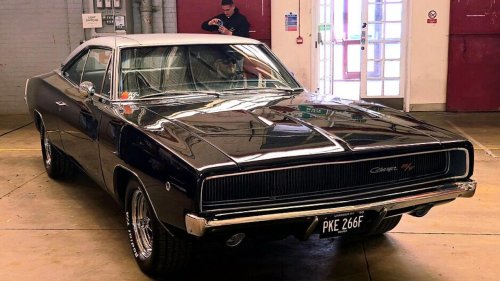
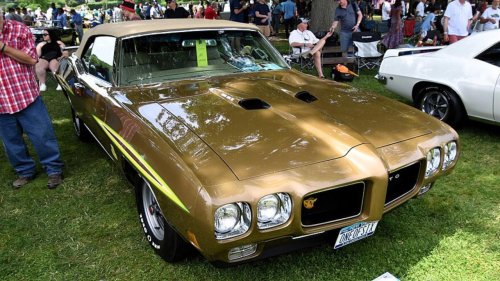
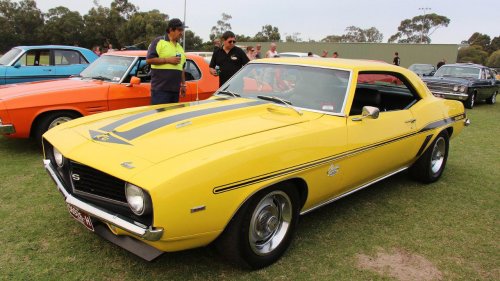
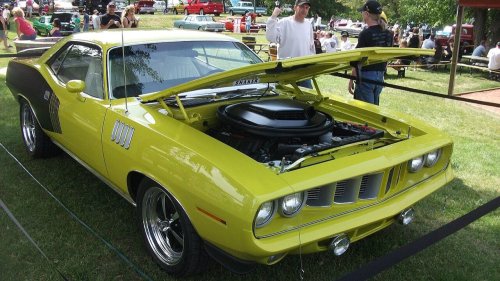
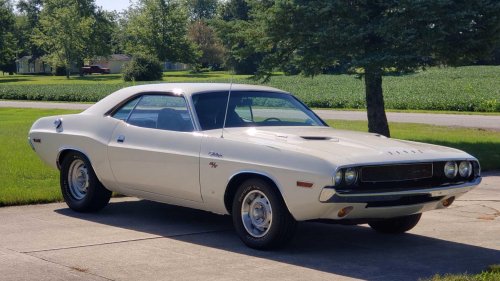
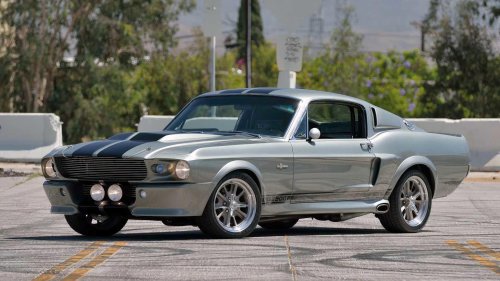
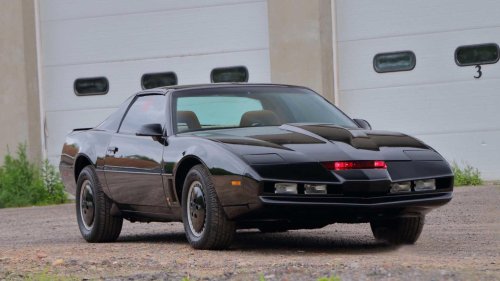
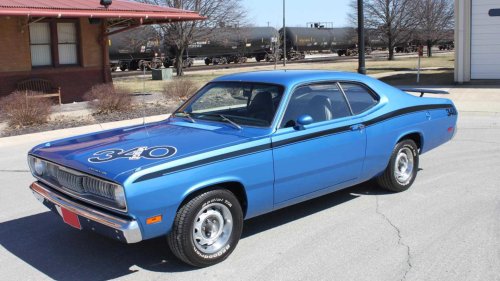
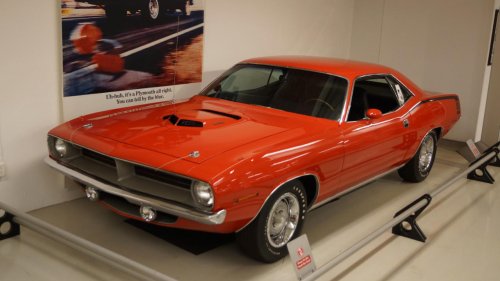
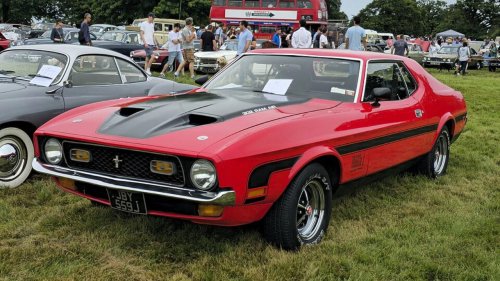
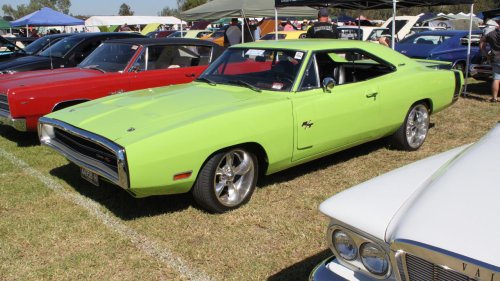
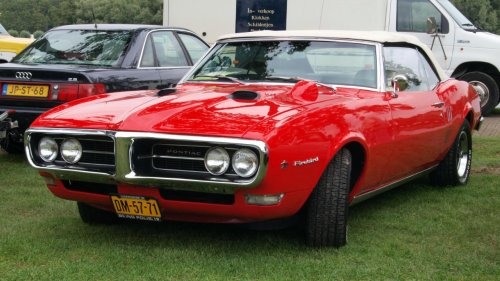
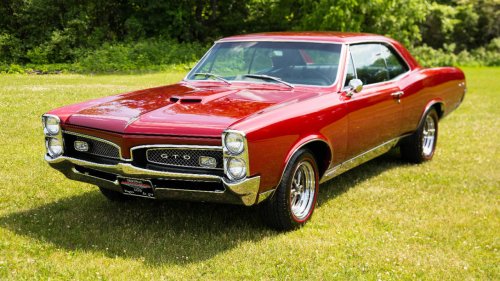
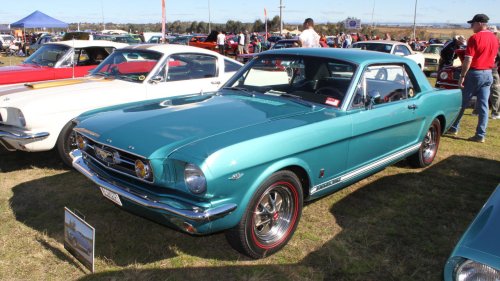
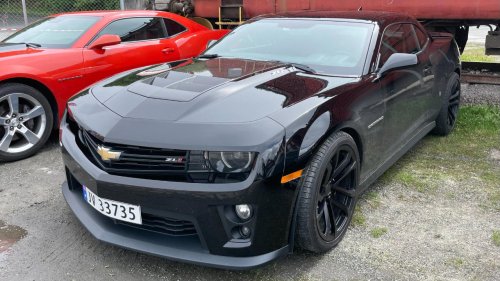
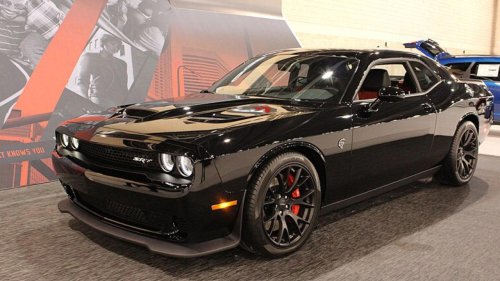
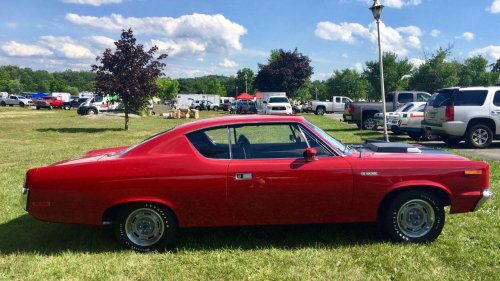
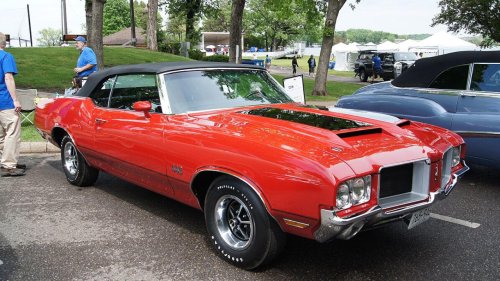
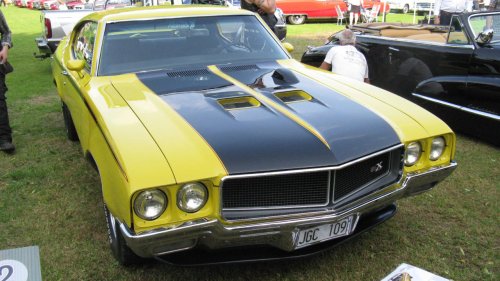
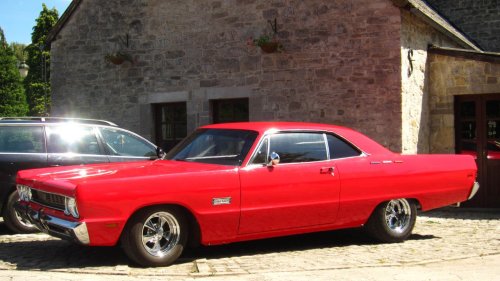
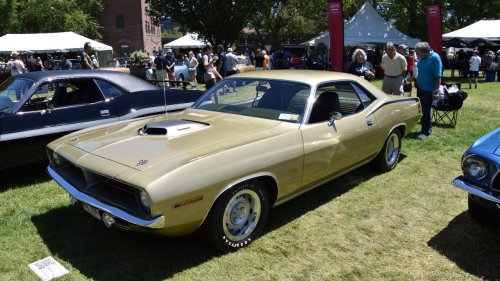
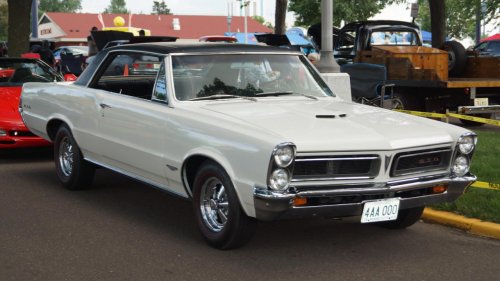
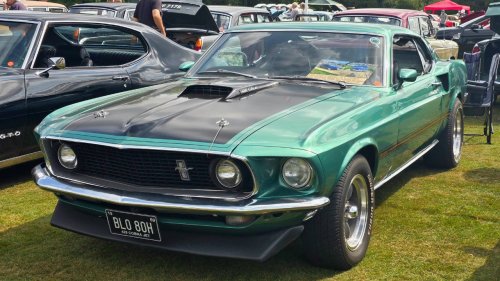
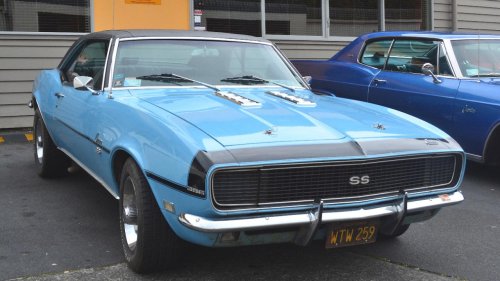
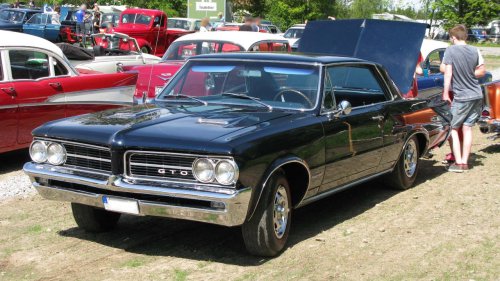
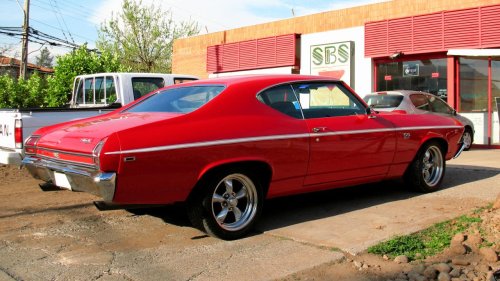
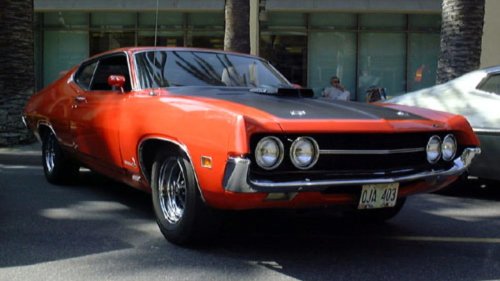
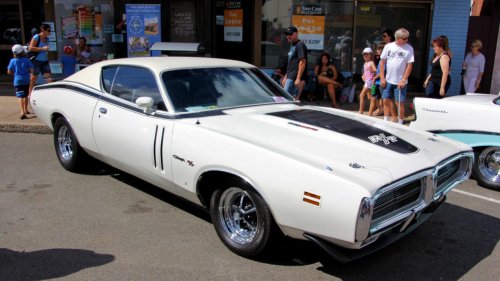
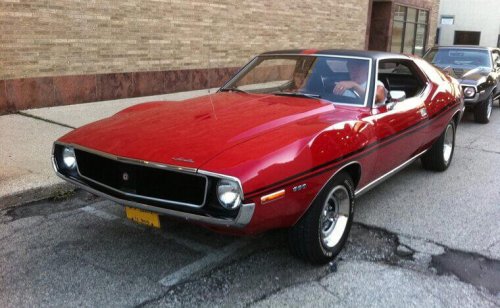
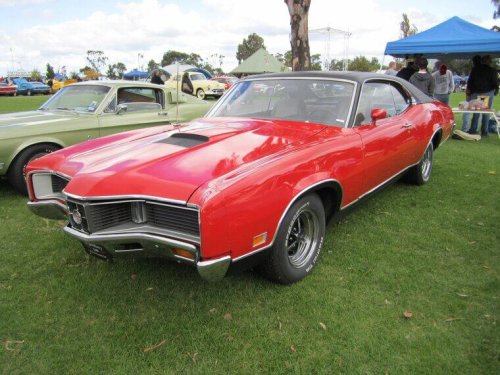
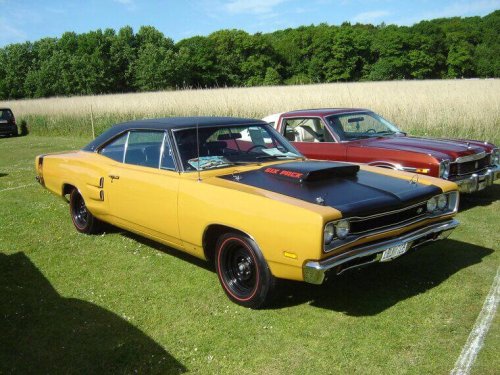
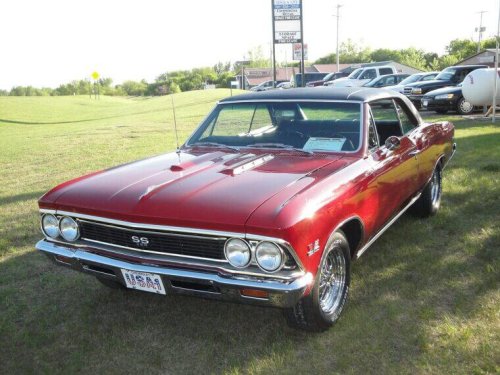
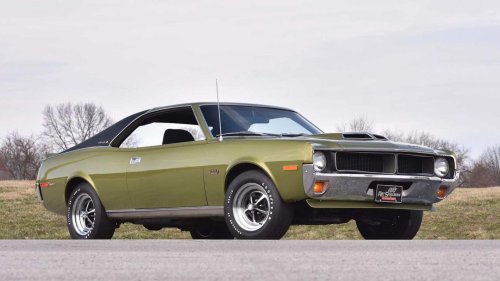
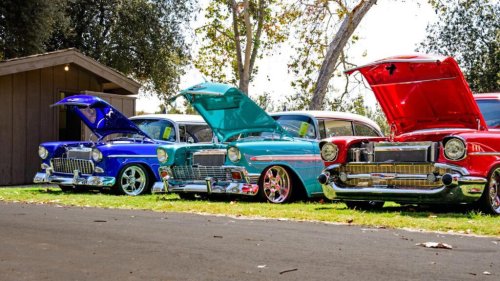
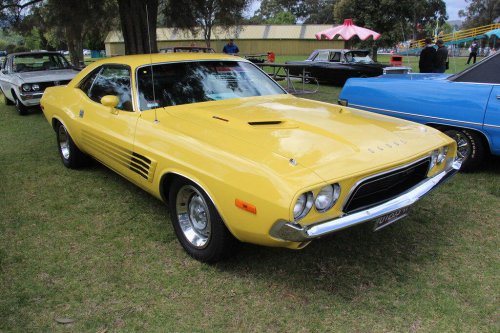
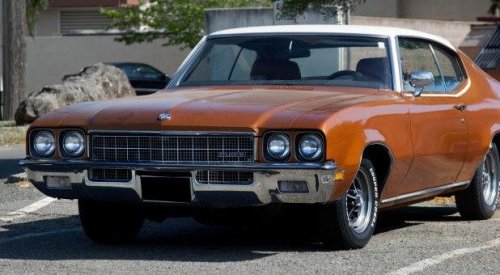
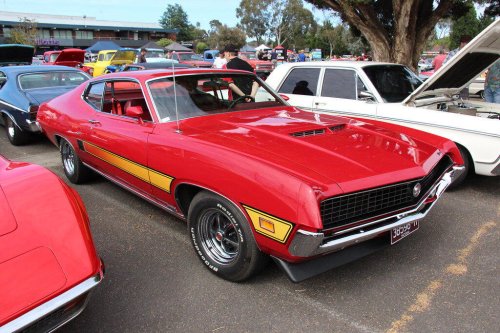
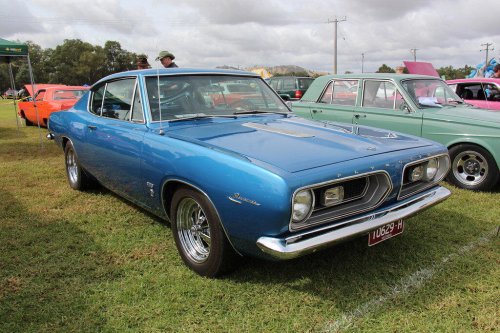
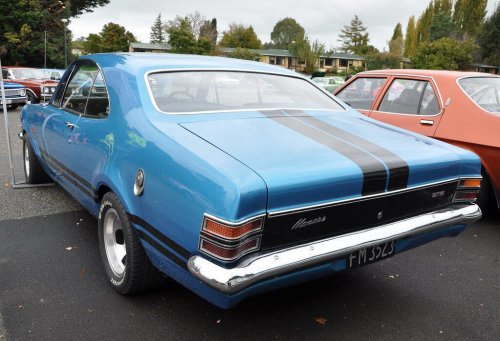
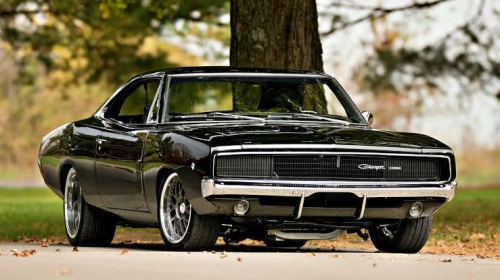
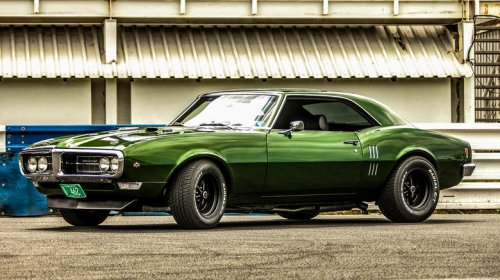
Southern California may be the epicenter of car culture in America, but you can still see plenty of classic muscle cars almost anywhere in the country. Even though it's been over 60 years since the Pontiac GTO kicked off the Golden Age and a solid half-century since it died off, old-school muscle cars are still relevant. Racing isn't the number one priority like it was back in the day, as muscle cars have evolved from street machines to investments, status symbols, and head-turners.Unlike classic European sports cars that are trailer queens, classic muscle cars are daily drivers, or at least weekend warriors, meant to elicit oohs and aahs up and down the boulevard. That's why almost anywhere you go, there are Pontiac Trans Am, Chevy Chevelle SS, and occasional Mopar Masterpiece owners strutting their stuff, roaring through the neighborhood. Not all classic muscle cars are as prevalent as the big dogs, however, and some insanely cool rides are almost never seen on the streets, if at all. AMC’s Forgotten Muscle Car History CZmarlin/Wikimedia Commons In 1957, American Motors Corporation (AMC) accidentally invented the muscle car with the unassuming Rambler Rebel family sedan. Sure, it had four doors, which are two too many to be a true muscle car, but it was the first mid-sized ride with a powerful V-8 engine, and those are the most important parameters for the segment. The Rambler Rebel was packing a 255-horsepower 327 cubic-inch V8 and was capable of going 0-60 in 7.5 seconds, which was lightning fast for the time. The 1957 Chrysler 300C with its 375-horsepower 392 cubic-inch FirePower V8 was a little quicker with a 7.2-second 0-60 time, but it was an expensive full-size luxury vehicle, while the Rambler Rebel was for the people, which is another thing muscle cars are all about. Attempted Street Cred Mecum AMC was the budget brand known for making solid but uninspired cars and wanted to use the muscle mania of the 1960s to change their image to a performance automaker. In 1967, they introduced the fifth-gen Rambler Rebel with a sportier design and SST performance package while the following year, they dropped the "Rambler" from the marquee for the '68 Rebel. Initially equipped with an okay 343 cubic-inch V8, the Rebel would upgrade to the 390, which by the time the 1970 Rebel Machine rolled out, generated 340 horsepower and 420 pound-feet of torque. One of the best kept secrets during the Golden Age was that dealers had a "service kit" for the Rebel Machine that increased its horsepower to over 400 and transformed it into a 12-second car. Unfortunately, very few people realized they could get a Hemi-killer for AMC prices, and poor sales resulted in the Rebel's discontinuation after 1970. Consumed By Chrysler Mecum Despite making some very cool and competitive rides, nobody really remembers AMC's muscle cars and a lot of that has to do with the fact that the company disappeared. Enthusiasts are still crazy about classic Pontiacs and Plymouths, both of which are also defunct, but they made it to the new millennium and had a much higher profile. One of AMC's biggest issues was that it was an extremely poorly run company that hemorrhaged cash, so eventually Chrysler bought them out. The Chrysler Corporation was only really interested in the Jeep brand and so the AMC stuff was quietly phased out and nobody even noticed when they no longer existed. The underrated Eagle, a radical jacked-up four-wheel drive sedan/wagon and first crossover SUV, was the last great thing AMC contributed to the automotive industry. The ’68 Javelin Pony Show Mecum In addition to turning the Rambler Rebel into a proper muscle car, AMC also wanted a piece of the lucrative pony car segment, so they unleashed the Javelin in 1968. AMC wasn't a rich company and didn't have the funds to develop both a notch-back and fast-back version like the Mustang, so they split the difference, coming up with a hybrid of the two, which ended up being a distinctly cool-looking ride. The SST was the top performance trim that could be augmented with the "Go Package" that included a four-barrel carb 343 cubic-inch V8, power front disc brakes, dual exhaust, and tons of cool body accents.Mid-model year, AMC dropped the 390 cubic-inch V8 with the Go package that significantly increased the power from 280 ponies to 315, but even that got a boost from the dealer options like hotter cams, performance intakes, and ignitions. One of the major reasons why AMC developed the Javelin was to attract younger buyers, and it was a great success, with the average age of folks driving one off the lot at 29, which was a full 10 years less than the normal AMC customer. A '68 Javelin SST with the Go package cost around $2,900, which was significantly less than similarly equipped Ford Mustang GTs and Chevy Chevelle SS cars. Track-Ready AMC Mecum AMC promoted the Javelin in the SCCA Trans-Am racing series and in 1970, scored a coup by signing driver Mark Donohue. To homologate the car for competition, AMC built 2,501 special cars with a red, white, and blue Neapolitan ice cream paint scheme. The car proved to be competitive in '70, and dominating in '71, winning the Trans-Am championship for AMC, with Donohue taking the driver's title. On the street, a '70 Javelin SST 390, which is the same car that crushed it on the track, could hit 0-60 in 5.7-7 seconds depending on the transmission and run a quarter-mile in the 14s. While not in the same league as Hemi-powered Mopars, it could hang with or beat almost everything else rolling around, especially with the dealer performance upgrades. Second-Gen Stunner Mecum For 1971, AMC introduced the second generation of the Javelin with some sexy Coke bottle curves and a 330-horsepower 401 cubic-inch V8 option. This editor saw a second-gen Javelin on the streets a couple of years ago in SoCal and was stopped in his tracks by how stunningly cool that thing looked, but not so awed that a big thumb's up couldn't be delivered to the driver. What struck me most about that encounter was that I realized I had never actually seen one driving around or even at a car show. The Los Angeles area is positively silly with classic Mustangs and Camaros but AMCs like the Javelin are almost non-existent, which is a shame because it really is a hell of a great-looking set of wheels. AMC’s Experimental AMX Mecum In 1966, AMC built a prototype dubbed the American Motors eXperimental that was a fiberglass two-seat sports car with a cool but dangerous fold-out rear rumble seat, known as the "Ramble seat." The car was a big hit at shows, so AMC put a modified version of it into product. Actually, there were two versions that got the green-light, the 1968 Javelin and the AMX. Both cars had similar bodies, but the AMX had a shorter wheelbase and a rear seat delete. Like the Javelin, the AMX started out with a 343 cubic-inch V8 as the top option, but by mid-model year they were sporting 390s. Also, the SST was the top trim, with a Go Package enhancement to make it even better. The biggest, or maybe most awesome, difference was that the AMX had an optional side-pipe exhaust, which was completely badass. Fleet Two-Seater Mecum It sounds kind of weird now, but AMC thought the AMX would be a direct competitor to the Chevy Corvette and even marketed it as "the only American sports car that costs less than $3500." While true, the AMX wasn't quite on the same level as a C3 Corvette with a 435-horsepower 427 cubic-inch V8. That being said, for the money, around $3,300, an AMX SST 390 with the Go package was a quick and nimble 5.7-second 0-60 and 14.2-seconds quarter-mile car. The 'Vette L88 was deep into the 13s, but it also cost almost $6,000, or nearly double the AMX. The budget AMC sports car wasn't going to smoke the Corvette, but it had enough acceleration that it wouldn't be thoroughly embarrassed by one. Gone Before Its Time Mecum The AMX was designed for a super-niche market, which turned out to be much smaller than AMC had anticipated. While the Javelin moved over 100,000 units between 1968-1970, only 19,134 AMX cars were sold, and it was discontinued after the '70 model year. The name, however, lived on as a trim on the '1971-1974 Javelin, but it's short shelf-life is a major factor in its elusiveness on the streets today. The chances of seeing a rare Hemi 'Cuda or Boss 429 are actually greater than coming across an AMX, even though the numbers are on the AMC's side. Again, AMC muscle cars are extremely obscure and don't get the respect like the big-name classics, so fewer people are restoring them, which means less of them on the streets. AMX Is MIA On The Auction Scene MecumClassic.com has 107 auction sales and another 41 listings for the 1968 Ford Mustang, while the entire three-year run of the AMC AMX has brought the gavel down only 22 times recently. Also, the prices are a lot lower, but that Big Bad Orange '70 AMX did sell for $115,000 at Mecum Kissimmee 2026, which may indicate some newfound interest in the tragically slept-on classic. That car is an exquisite low-mileage, heavily optioned example, which explains the high price, but a more common one is surprisingly affordable. According to J.D. Power, the average retail price for an AMX ranges from $42,800 to $48,800, which is a steal for such a killer rarity. Javelin Was Thrown Away Mecum The more common Javelin is actually less common on the auction scene, with just 13 recent sales and that includes the years between 1968 and 1974, versus the AMX's three-year run. The values are also way down, with Hagerty setting the excellent condition value of a '69 SST 390 at $48,700. That, however, is kind of high because the most primo Javelins we found were around $40,000. In a way that's good news because you won't find a better Golden Age value than that, and it's definitely a car that is going to attract attention. Most people have never even seen a Javelin, and it's such a looker that they'll want to know more about it.Sources: Classic.com, Hagerty, J.D. Power