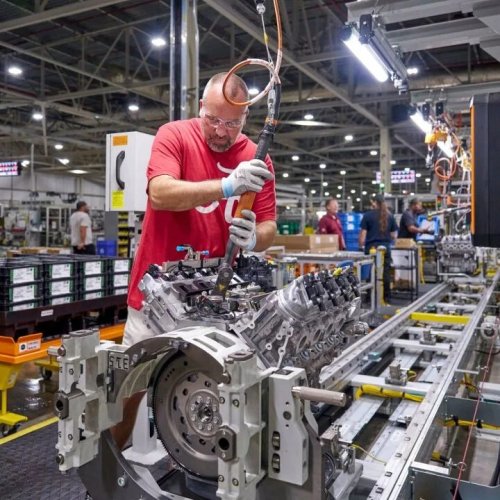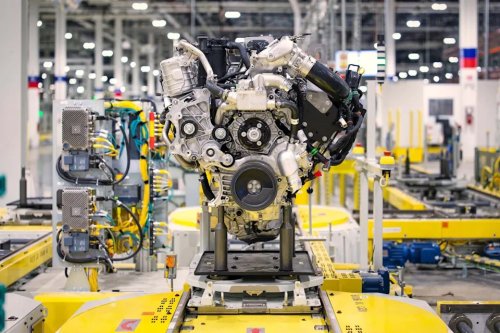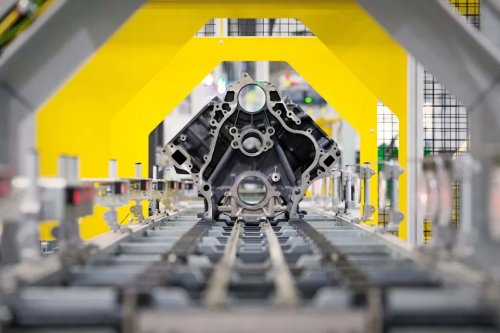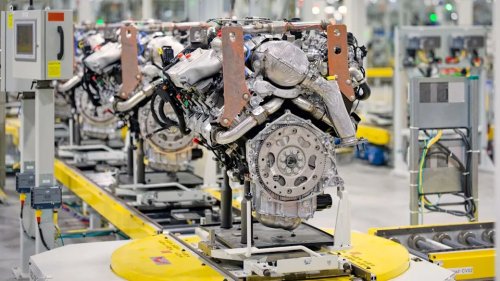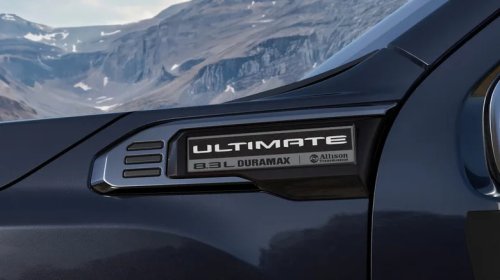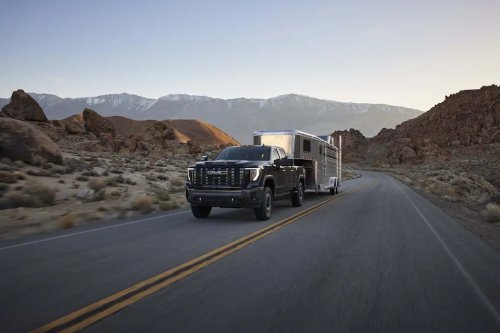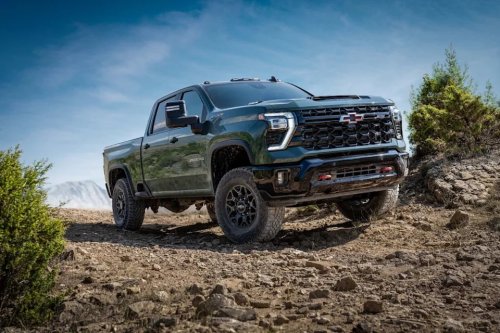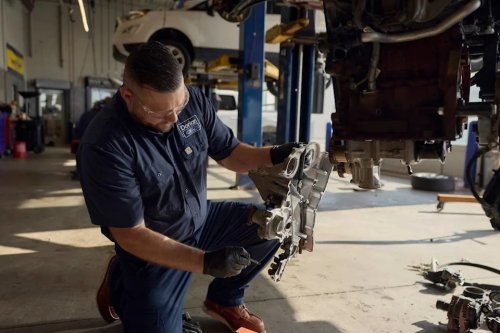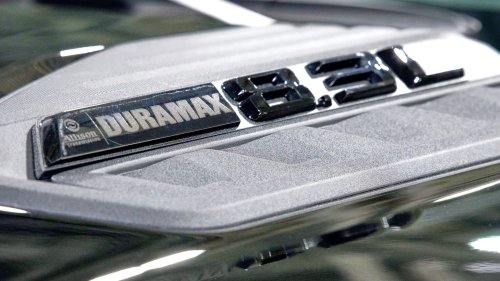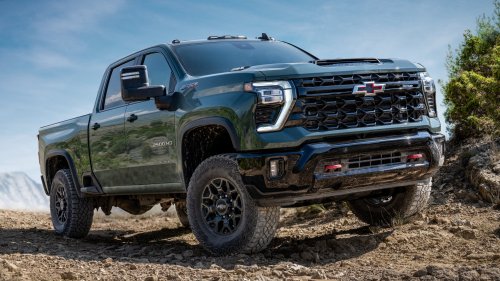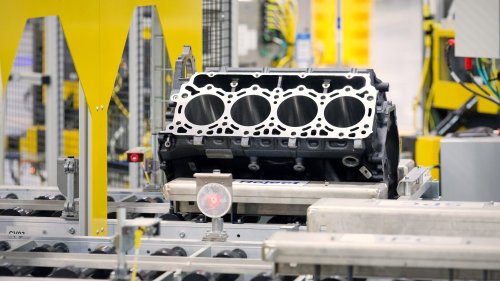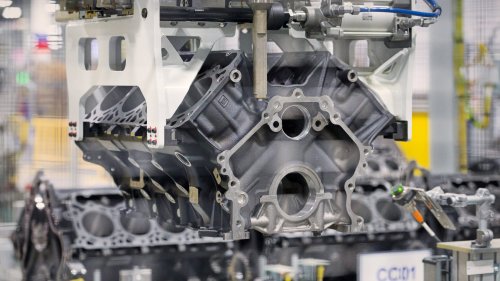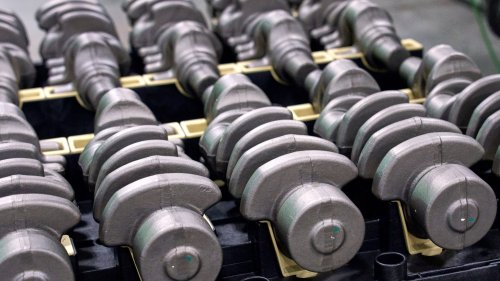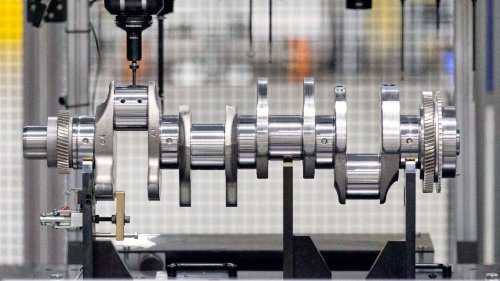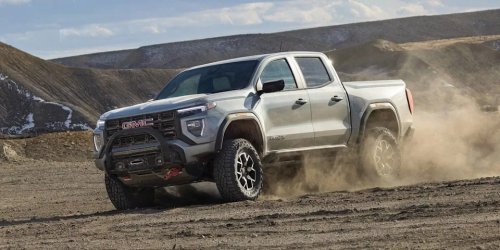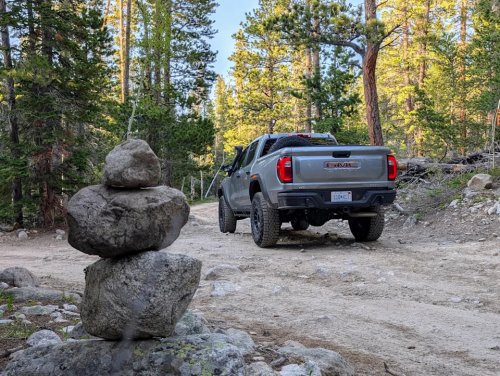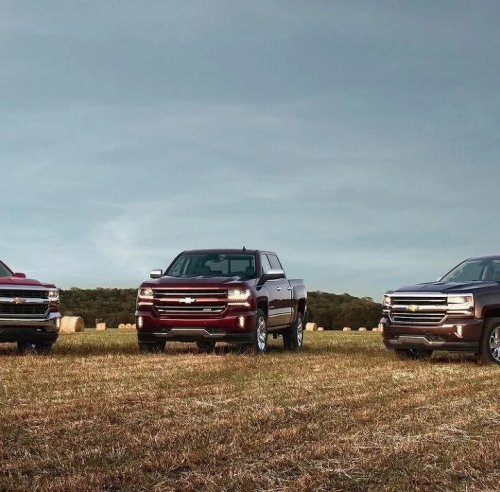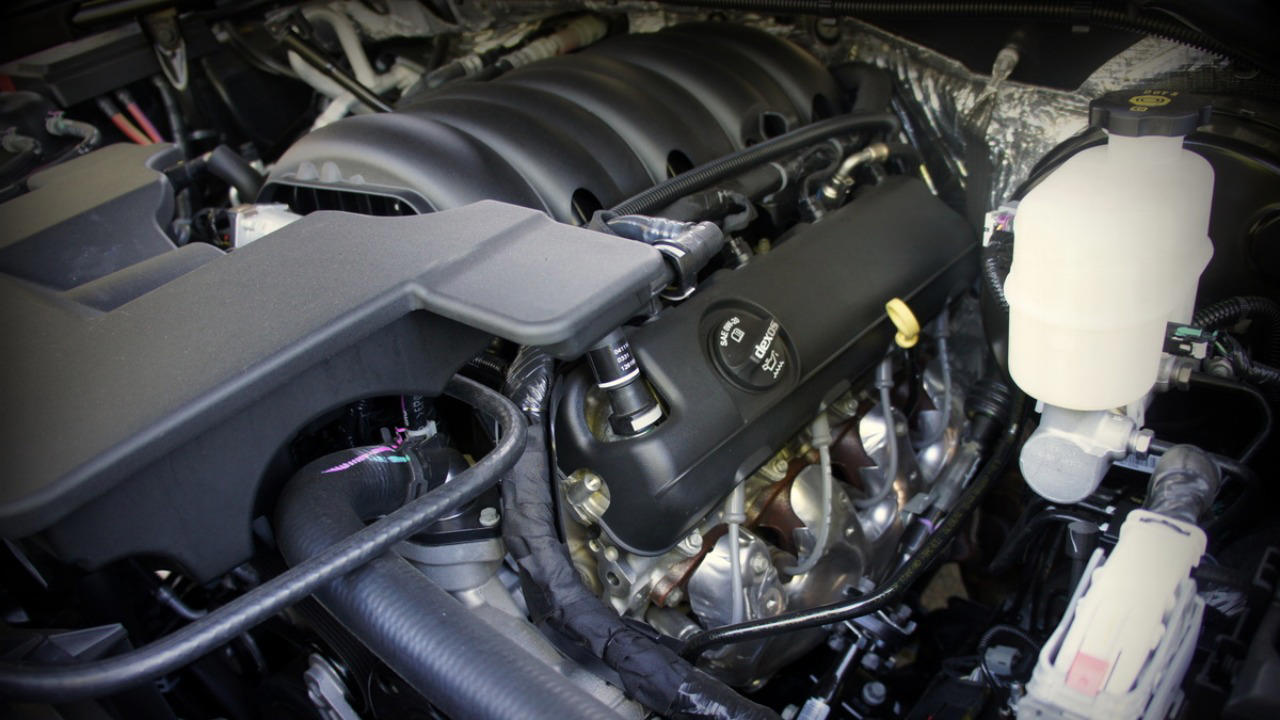



















Why GM’s 5.3L small-block V8 became America’s workhorse engineThe General Motors 5.3L small-block V8 did not become ubiquitous by accident. It earned its place under the hoods of Chevrolet and GMC trucks by combining old-school durability with just enough modern engineering to satisfy regulators, fleet managers, and enthusiasts alike. Over several generations, it evolved from a simple work tool into a refined yet familiar engine, often described by owners as the heart of their trucks. That evolution helps explain why this V8 is now treated as America’s workhorse engine, an everyday companion for towing, commuting, and high-mileage commercial duty. From the early Vortec 5300 units to the latest EcoTec3 versions, the 5.3L has balanced power, efficiency, and longevity in a way rivals have struggled to match, all while preserving the character that truck buyers expect from a traditional small-block. From small-block legacy to 5.3L benchmark General Motors did not start from a blank sheet when it created the 5.3L. The company had already spent decades refining the Chevy small-block V8, which it openly described as a “bread-and-butter” pushrod engine for everyday drivers, a design that engineers argued still had “a long way to go” in relevance for the masses. That heritage of compact packaging, simple valvetrain layout, and relatively low manufacturing cost shaped the architecture that would later underpin the LS family and the 5.3L variants that followed. Within that lineage, the 5.3L emerged as a sweet-spot displacement that could replace older favorites without losing their appeal. Some enthusiasts still praise earlier icons such as the 327 cubic-inch V8, which appeared across many GM models from 1962 to 1969. However, General Motors shifted focus to a new generation of engines offering similar character with cleaner emissions and better fuel economy. The LS-based 5.3, identified in technical references as 5.3 liters or 325.1 cubic inches and 5,327 cubic centimeters, carried forward the compact small-block footprint while updating nearly every internal component. Why the 5.3L Vortec felt “bulletproof” The first wave of 5.3L V8s that many truck owners encountered arrived as the Vortec 5300 in Chevrolet Silverado and GMC Sierra pickups. These engines were explicitly tuned for truck duty, with sources describing the 5.3-liter Vortec 5300 as a unit that initially produced 270 horsepower and 315 pound-feet of torque, then gained output over time while remaining naturally aspirated. More than the numbers, buyers valued the way this Vortec delivered torque low in the rev range, which suited towing and hauling better than high-strung performance tuning. That practical focus fed into a reputation for toughness. Commentators who have examined these engines in depth describe the 5.3L Vortec as a pickup engine that “refuses to die,” a design that many owners believe will outlast the truck around it, especially when maintained properly. The same theme appears in reliability guides that refer to the Chevy 5.3 as one of General Motors’ most trusted engines and point out that, thanks to its proven design, examples routinely run well past 200,000 miles with basic upkeep. For drivers who use their trucks as tools, that kind of longevity matters more than a flashy peak power figure. Specs, balance, and everyday drivability Technical specifications demonstrate how General Motors positioned the 5.3L between brute strength and everyday usability. Analyses of Chevrolet 5.3L Vortec specs emphasize that the engine was built for balance, with cast-iron block versions that could tolerate hard towing and aluminum variants that saved weight in lighter-duty applications. In several truck and SUV models, the 5.3L Vortec delivered power and torque figures that climbed toward 350 pound-feet, yet it did so without the complexity of turbocharging or exotic valvetrain systems, which helped keep manufacturing and repair costs under control. That balance extended to drivability. Owners and reviewers often highlight the way the 5.3L combines a traditional V8 sound and feel with relatively modest fuel consumption for a full-size truck. Dealer comparisons that pit the GM 5.3L V8 against rivals such as the Ram 5.7L Hemi acknowledge that the Hemi can produce roughly 40 more horsepower, around 395 horsepower in some trims, but also point out that the GM engine has a long record of real-world durability and sufficient performance for towing, highway passing, and daily use. Separate buyer guides describe the 5.3L engine as delivering increased fuel economy, with one source calling this efficiency ‘one of the biggest benefits’ for owners who drive high mileage. From Vortec to EcoTec3: evolution of a workhorse The 5.3L story did not stop with the original Vortec 5300. As emissions rules tightened and buyers demanded better fuel economy, General Motors rolled out new generations of the small-block that kept the same basic displacement but layered on more advanced technology. The company’s own technical materials describe the EcoTec3 5.3L V8 (identified as L83 and L84) as a Generation V small block designed specifically for trucks, with an aluminum block, direct fuel injection, cylinder deactivation, and variable valve timing. These EcoTec3 engines appeared in light-duty trucks starting in the mid-2010s and were marketed as part of a broader Gen V family. Aftermarket guides that track LS-based engines by generation describe how the 5.3L evolved across multiple iterations. They categorize the modern EcoTec3 5.3L units as some of the most advanced 5.3Ls ever, while noting that earlier Gen 3 versions from 1999 to 2007, often called “The Originals These” in enthusiast shorthand, are still prized for durability and swap potential. Another technical comparison of LS2 engines and 5.3 Vortec units points out that the 5.3L Vortec underwent continuous refinement aimed at better efficiency and durability while preserving strong low-end to midrange torque, aided by coil-near-plug ignition systems and improved engine management. Reliability, known issues, and the used-truck economy No engine becomes a workhorse without proving itself in harsh service, and the 5.3L has built that record in both new and aging trucks. Reliability overviews that focus on the General Motors Vortec 5.3-liter V8 describe it as a powerful and dependable engine that appeared in a wide range of trucks and SUV models starting in the mid-1990s. Those same discussions acknowledge that certain model years had issues such as oil consumption or lifter problems, yet they stress that, in general, the underlying design has held up well over hundreds of thousands of miles in fleet and personal use. More detailed problem guides that zero in on the Chevy 5.3 engine list common trouble spots but still frame the engine as one of General Motors’ most trusted powerplants. They explain that, thanks to its proven design, a well maintained 5.3 can easily reach or exceed 200,000 miles, which aligns with the experiences of truck owners who keep their vehicles for a decade or more. The secondary market reinforces this perception. One remanufacturing specialist notes that as Gen III era 1999 to 2007 GM Vortec Trucks and SUV models approach 20 years of age, it is increasingly difficult to find low mileage engines under 200,000 miles in wrecking yards, a sign that most 5.3L units have been driven hard and long before retirement. Aftermarket culture and why the 5.3L will not disappear The 5.3L’s appeal extends beyond stock trucks into performance and swap culture. Enthusiast discussions describe the GM Chevy LSx family as high-performance small-block V8 engines, with forged internals and high-flow cylinder heads capable of supporting very high horsepower levels reliably. While the 5.3L versions are often seen as the workhorse members of this family rather than the stars of dyno competitions, their affordability and abundance make them a favorite for budget builds ranging from classic muscle cars to off-road rigs. Engine guides that help buyers choose among LS variants point out that the family is known for exceptional reliability under hard use and an unprecedented aftermarket that offers everything from swap kits to high performance internals. Within that context, the 5.3L stands out as the accessible choice: plentiful in salvage yards, supported by detailed references such as The Complete Chevrolet 5.3L LS Engine Guide that covers Generations, Failures, Transmissions, and upgrades, and backed by a large community that knows how to tune and repair it. GM’s 5.3L small-block V8 is likely to remain America’s go-to workhorse as long as truck buyers value longevity and classic V8 character, and builders seek affordable small-blocks for swaps. More from Fast Lane Only Unboxing the WWII Jeep in a Crate 15 rare Chevys collectors are quietly buying 10 underrated V8s still worth hunting down Police notice this before you even roll window down