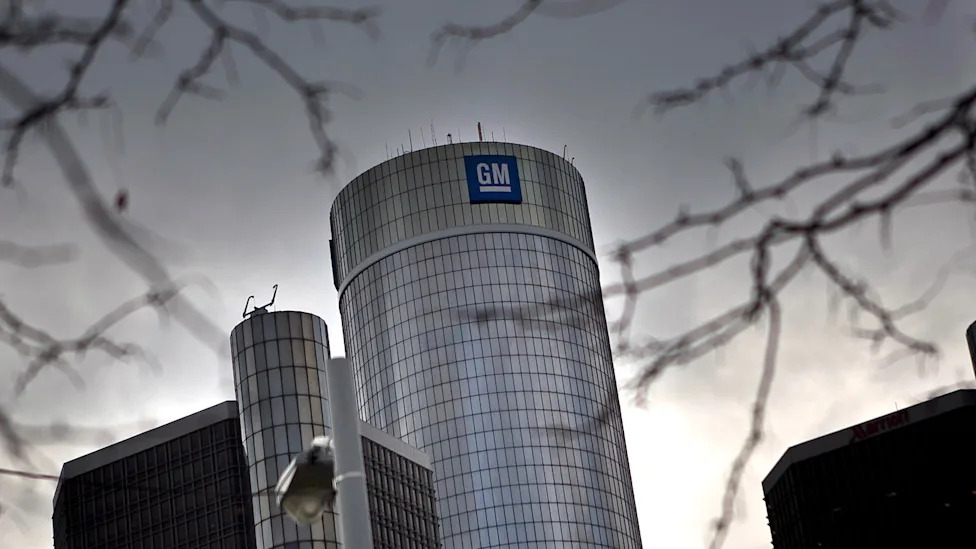
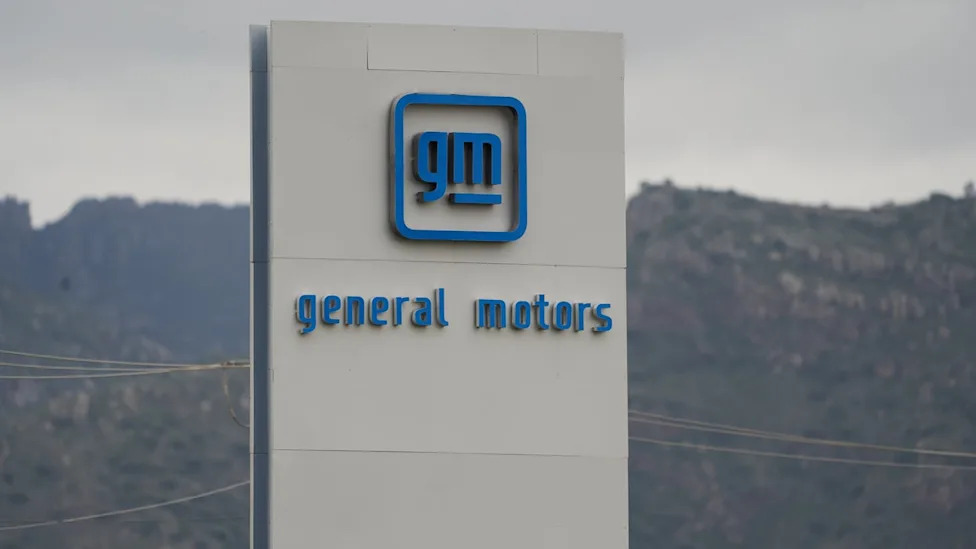
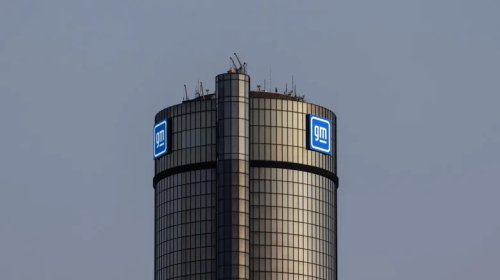
GM Hit With $12.75 Million Settlement After Drivers’ Data Was Secretly Collected Through OnStarGeneral Motors is paying $12.75 million to settle a California consumer protection lawsuit accusing the automaker of secretly collecting and selling drivers’ personal data through its OnStar system without proper disclosure or consent. That’s a massive blow for a company that has spent years pushing connected vehicle technology as a convenience feature while regulators and drivers increasingly question what’s really happening behind the screen.More Stories Like ThisTeen Shot at Massachusetts Car Meet as Burning Stolen Car Full of Bullet Holes Sends Crowd RunningHellcat Murder Case Takes Dramatic Turn After Suspect Rejects Plea Deal in Deadly AirTag Tracking ConfrontationThe settlement, announced Friday by prosecutors, lands right in the middle of a growing fight over how much information modern vehicles collect and what automakers are doing with it once drivers hand over the keys to their privacy. And for many enthusiasts, this story hits a nerve fast because it cuts directly into trust between drivers and the companies building the vehicles they rely on every day.This is not about a mechanical defect or a software glitch that triggers a recall notice. It’s about data. Specifically, allegations that GM collected and sold personal driving information through OnStar without properly informing customers or obtaining meaningful consent first.AdvertisementAdvertisementThat detail matters.For years, automakers have aggressively expanded connected vehicle systems. Features like remote access, navigation tools, emergency services, diagnostics, and app connectivity have become standard selling points. Companies market these systems as technology upgrades designed to make driving safer and more convenient. But the more connected vehicles become, the more data they generate. And that data has real value.According to prosecutors, the issue in this case centered on how that information was allegedly handled behind the scenes. California’s lawsuit accused GM of secretly gathering and selling drivers’ personal data through the OnStar system without properly disclosing the practice or securing consent in a way regulators considered acceptable.Now the automaker is paying millions to settle the case.AdvertisementAdvertisementThat alone tells you how serious this situation became.GM has long positioned OnStar as one of its flagship connected services. For many drivers, the system became synonymous with emergency response support, roadside assistance, vehicle tracking, and remote vehicle access. It was marketed as a safety and convenience tool tied closely to modern ownership.But this lawsuit flips the conversation entirely.Related IncidentsClassic Car Buyers Lose Thousands After Scammers Hijack Real Auto Shops in Multi-State Fraud SchemeStellantis’ Stunning Comeback: Hemi V8 Demand Helps Reverse $26 Billion Collapse as Massive Cost Cuts BeginThe Real Story Behind a 1966 Mustang Running Tesla Full Self-Driving and Why It’s Exposing a Major Industry StandoffInstead of focusing on driver assistance or connectivity benefits, the spotlight is now on privacy and data monetization. That changes how people look at these systems. Drivers who once viewed connected services as harmless conveniences may now start wondering exactly how much information their vehicles are collecting every time they drive.AdvertisementAdvertisementAnd that’s where things get complicated.Modern vehicles generate enormous amounts of data. Connected systems can monitor location, usage patterns, diagnostics, driving behavior, and system activity. Automakers increasingly see that information as a valuable business asset. The more advanced vehicles become, the more tempting it becomes for companies to monetize the data stream tied to those cars and trucks.The problem is that many drivers never fully realized how extensive that collection could be.That’s the core issue sitting underneath this settlement. Prosecutors argued that GM failed to properly disclose what was happening and failed to obtain proper consent before collecting and selling personal information. For consumers, especially in California where privacy protections tend to be stricter, that becomes a major legal problem very quickly.AdvertisementAdvertisementThis is where the story turns from a corporate legal fight into something much bigger for the automotive industry.You Should Read This NextCalifornia Just Wrote 11,000 Speeding Tickets in One Day, and 200 Drivers Could Lose Their Licenses ImmediatelyEdmunds Lost Nearly $50,000 on a Dodge Charger EV in Under a Year and That’s a Brutal Warning SignConnected vehicle systems are no longer optional niche features buried in luxury models. They are becoming standard equipment across the market. Whether drivers want them or not, more vehicles now arrive loaded with digital services, tracking capability, app integrations, cloud systems, and subscription-based features.That shift creates tension between convenience and privacy.Many enthusiasts already feel frustrated by the growing amount of technology layered into modern vehicles. Some drivers simply want reliable transportation without constant monitoring, data sharing, subscription prompts, or software tracking attached to the ownership experience. Stories like this pour gasoline on those concerns.AdvertisementAdvertisementAnd here’s the part that matters for automakers.Trust is difficult to rebuild once drivers believe a company crossed a line with personal information. Vehicle owners may tolerate recalls, warranty repairs, or software bugs if the company fixes the issue quickly. Privacy concerns are different because they feel personal. Drivers do not expect their behavior, habits, or vehicle information to quietly become part of a larger data business without their clear understanding.That perception can create long-term damage far beyond a financial settlement.GM’s $12.75 million payment may close this particular lawsuit, but the broader fallout for the industry is not going away. Regulators are paying closer attention to vehicle data collection practices. Consumers are becoming more aware of how much information connected systems gather. And automakers continue pushing deeper into software-driven business models where data increasingly becomes part of the revenue equation.AdvertisementAdvertisementThis is not just a GM problem either.The entire industry is moving toward connected ecosystems where vehicles operate more like rolling computers than traditional machines. That creates new opportunities for features and services, but it also opens the door to massive privacy concerns if companies fail to communicate clearly with customers.For drivers, especially enthusiasts who already worry about losing control over the ownership experience, stories like this reinforce existing frustrations. Many people buy vehicles because they represent freedom, independence, and mobility. The idea that those same vehicles may also function as data collection platforms changes the relationship between drivers and manufacturers in ways the industry may still be underestimating.And that’s what makes this settlement more important than the dollar figure itself.AdvertisementAdvertisementA $12.75 million payout grabs headlines, but the real damage is what this situation reveals about the direction modern vehicles are heading. Automakers are racing toward a future built around software, connectivity, subscriptions, and data. Drivers, meanwhile, are starting to ask a very different question: who actually controls the information generated every time they get behind the wheel?That question is not disappearing anytime soon.Continue Reading: The Real Story Behind the $70K Honda S2000 With 835 Miles and Why This Auction Is Shaking the Collector Car MarketSourceJoin our Newsletter, follow our Instagram page, and connect with us on Facebook.




















 +45 others