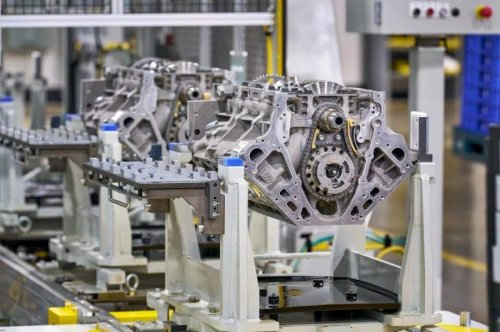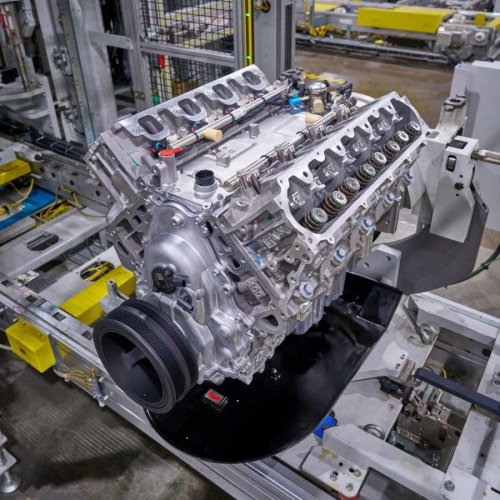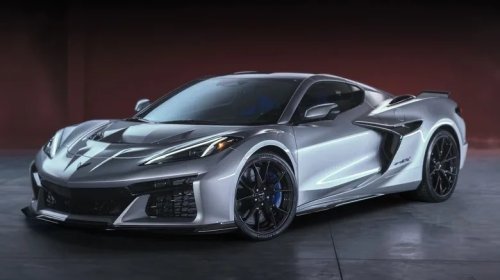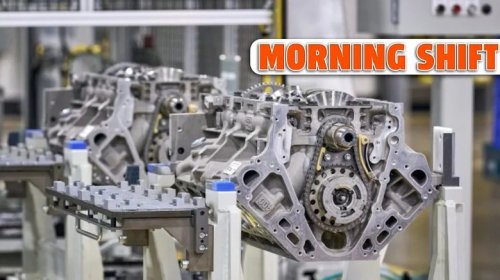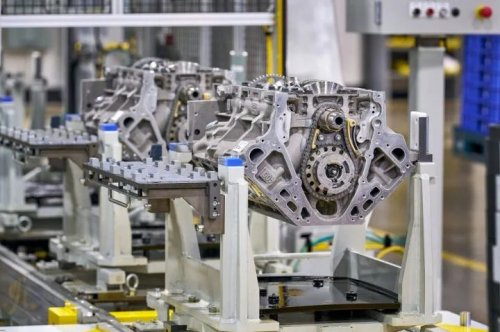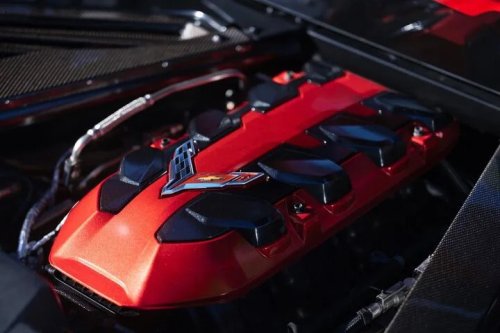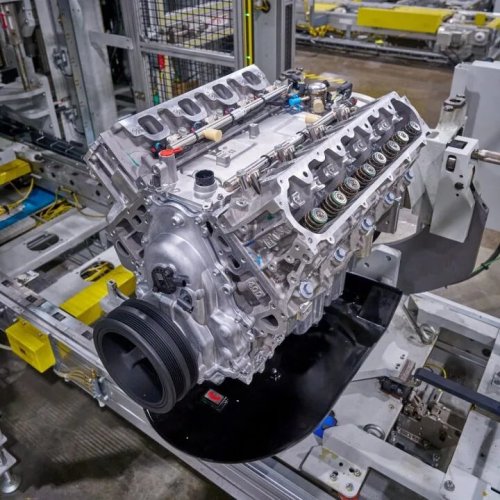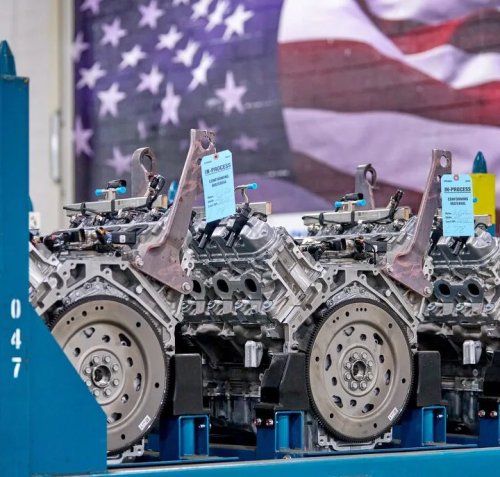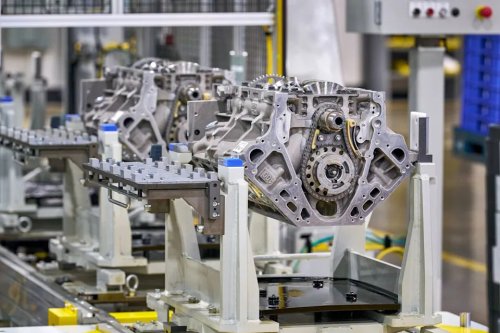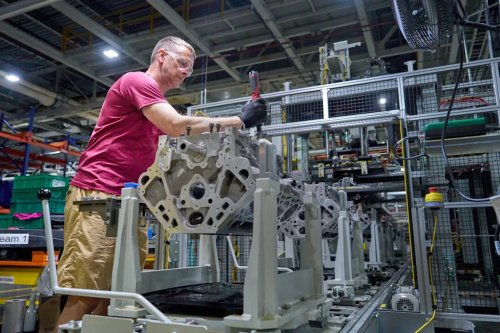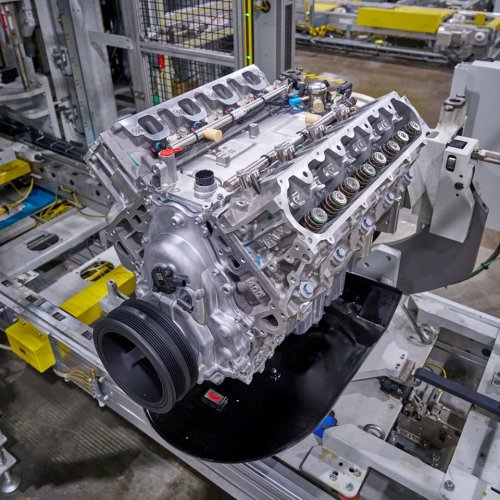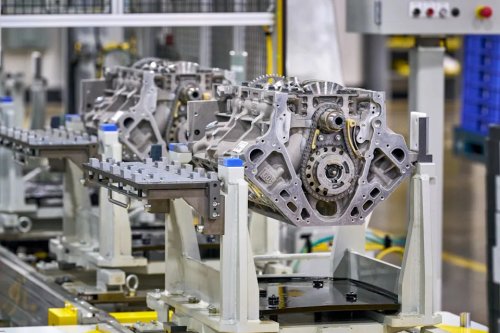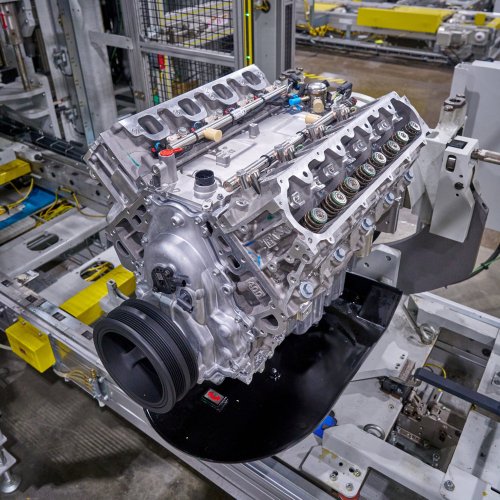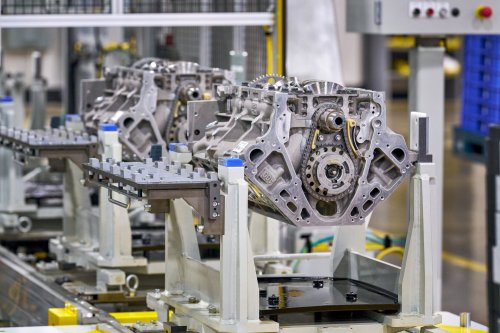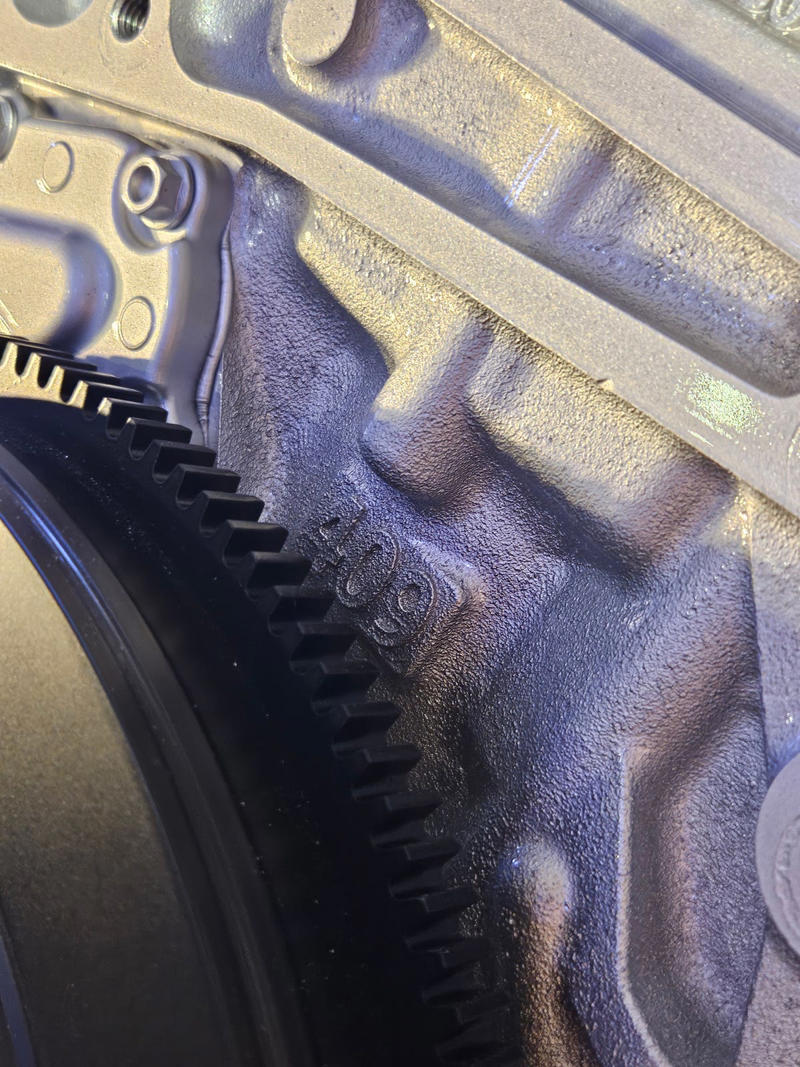
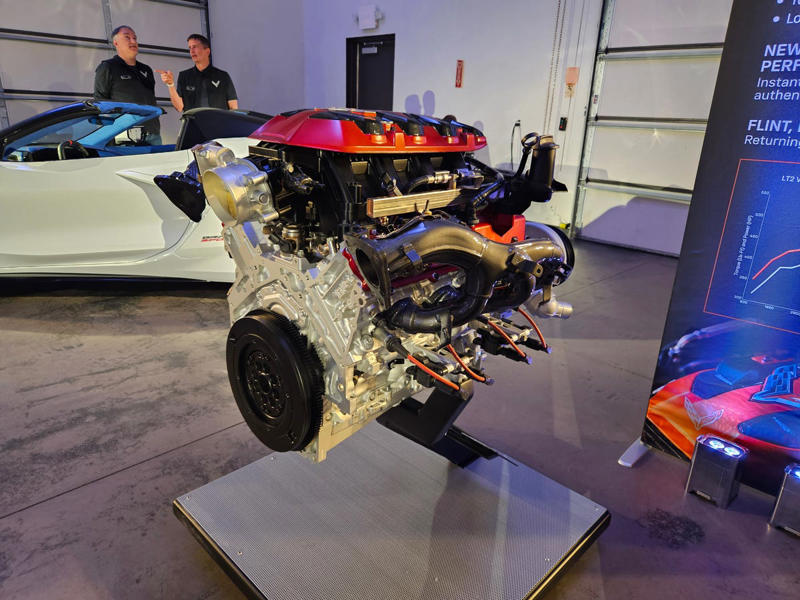
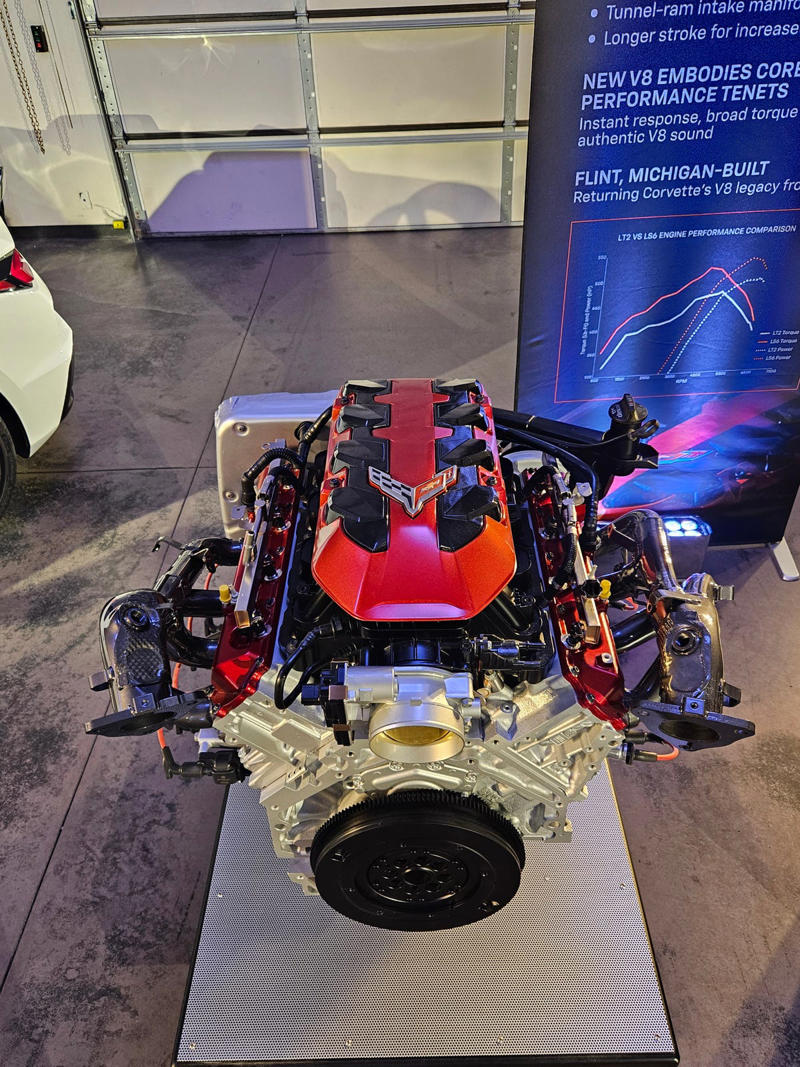



















Some things are just fundamentally part of American culture. Baseball. Apple pie. Catchy ad campaigns. And small-block Chevrolets. For only the sixth time since the small-block arrived inside the Corvette back in 1955, General Motors has announced an entirely new small-block V-8. Known as the LS6, this new 6.7-liter unit perfectly blends the small block formula of yesteryear with the brand’s most up-to-date tech to create a truly potent monster worthy of the LS moniker. So, Road & Track sat down with GM assistant chief engineer for small-block engines Mike Kociba to score a better understanding of what exactly makes this new V-8 so potent, and why GM decided to resurrect an old name for a new engine. For those keeping score at home, this is not the first time that GM has used the moniker of "LS6" on a Corvette V-8. The first was a big-block engine released in 1970, measuring in at a whopping 454 cubic inches; it was the largest engine ever installed in a Corvette. The first small-block to don the LS6 nameplate arrived in 2001 inside the C5-generation Corvette Z06. Largely just a worked-over LS1, the 5.7-liter V-8 produced up to 405 hp in Corvette trim. This new LS6, which measures in at 6.7 liters (or in terms Brian Wilson might prefer, 409 cubic inches), happens to slot right between the two engines in terms of displacement. That isn’t exactly an accident, according to GM.Closeup of a LS6 V8Upping the displacement over the Stingray and E-Ray's previous 6.2-liter V-8 wasn’t just for performance, however. The team found that the 6.7-liter provided the team fewer compromises when it came to emissions and fuel economy—particularly when paired with the "Displacement on Demand" system, which was going to be crucial to keeping V-8s naturally aspirated when the program was initiated. Things may have changed a little since then, but the sentiment still benefits customers in terms of efficiency and performance.Closeup of an automotive engine highlighting the LS6 labelLike every small-block before it, the LS6 features iconic 4.4-inch bore centers. The engine does pick up a larger stroke than its predecessor, now sitting at 100 mm vs 92 mm. The engine also picks up some old-school hot rod bits, including forged rods and pistons, a larger 95 mm throttle body, high-velocity ports for the fuel system (which now runs port and direct injection) and a gigantic tunnel ram intake up top. The oiling and cooling systems have been completely reworked, with highlights like dual main oil feeds for the bottom end and two-piece water jackets in the cylinder head to help protect the valvetrain. The LS6 also boasts an impressive 13:1 compression ratio, higher than any small-block before it—even including the leaded fuel days. Part of why GM was able to push the engine so far comes down to the new engine management system, known internally as "Encantado." The name is borrowed from Brazilian folklore, and references a shapeshifting cryptid. It’s an appropriate name, as the system relies on machine learning to help speed up testing and improve over time. The LS6 marks the first V-8 application of the software. Chevrolet LS6 V8 engine on a standDue to how significant all these changes are, GM felt like it was time to step away from the "LT" moniker. The brand had adopted the LT nomenclature when the C8 arrived, as it helped highlight that this wasn’t your granddad’s Corvette. Seven years later, they thought it was appropriate to make that distinction once more. LS was a natural landing point. "If you go through small block history, you'll see that we do use a lot of RPOs,” said Kociba. “A lot of our RPOs carry a lot of heritage and connect with our customers. So when you hear an LS and you hear an LT, you know immediately it's a performance car.”“A lot of our engines, we don't pick an RPO—but for small blocks, we always do, because they mean something to our customers,” he added. “We wanted to honor our heritage, and we wanted to convey their race [pedigree] and feel of performance. That's why we chose to go back to LS. You could also say, you know, 'we put port fuel injection back on, and Gen Four had port fuel injection,' so there's some synergy there. So that's kind of how we got the first part—LS. And then the six, really ... this is the sixth generation [engine]." "It just felt appropriate to launch this product with the LS6."Corvette LS6 engine on a standWhile the LS6 engine arrives in the Corvette for 2027, the architecture is sure to spread across the GM lineup in the coming years. While it’s unlikely future pickup trucks and SUVs will receive the full 13:1 compression ratio and tunnel ram intake setup, it should still be a solid improvement over the 6.2-liter motor currently on offer. (Customers will surely welcome the new engine as well, given the 6.2s aren’t exactly known for reliability.) I’m just happy to have an LS V-8 back on the market. I can’t wait for a chance to test it out for myself, especially once it arrives in the Stingray for 2027.