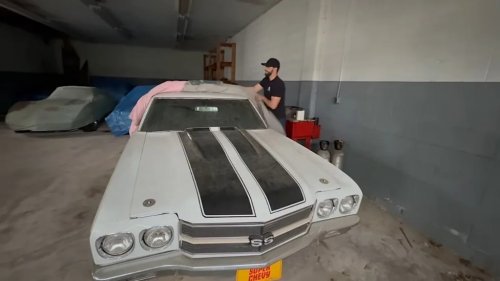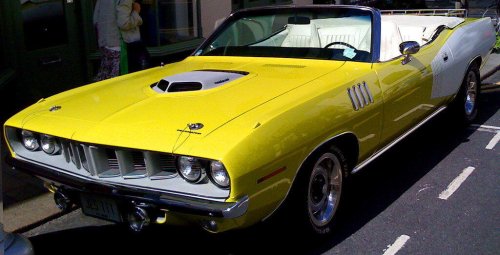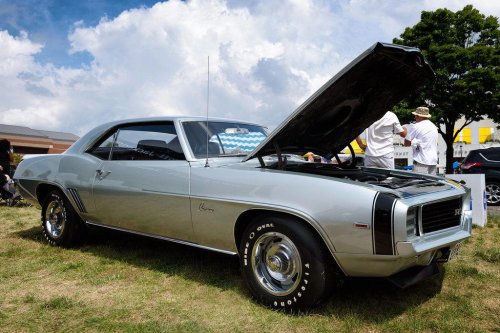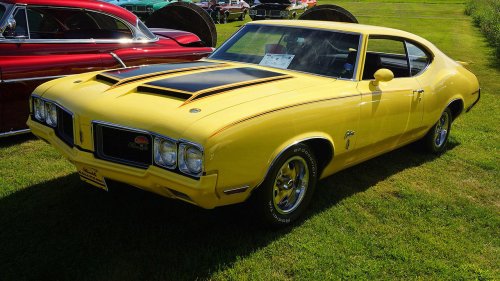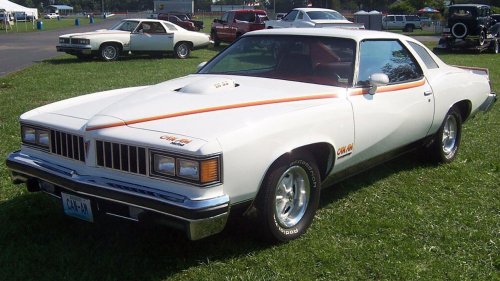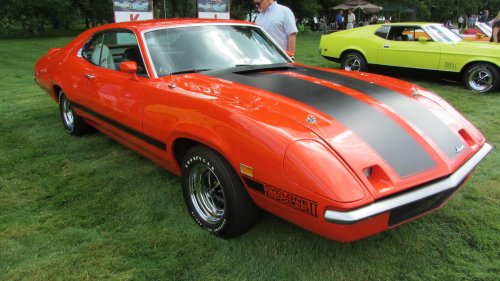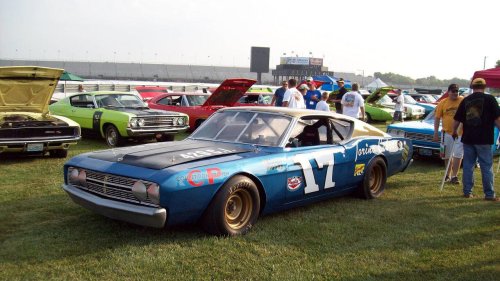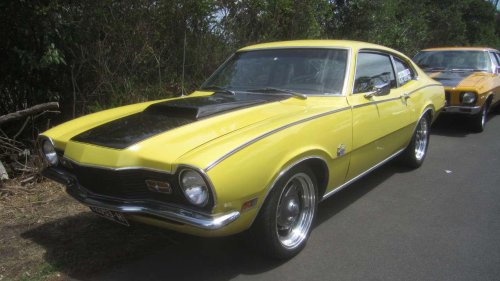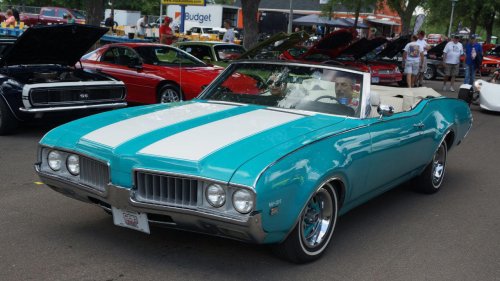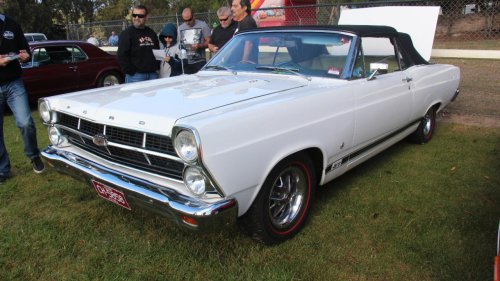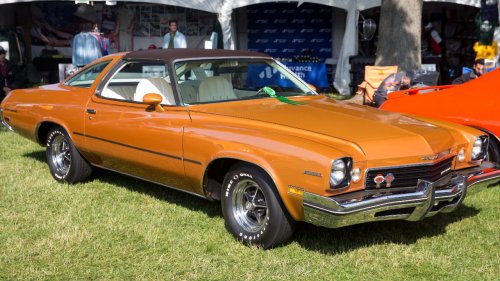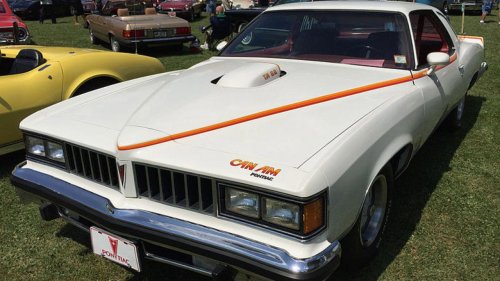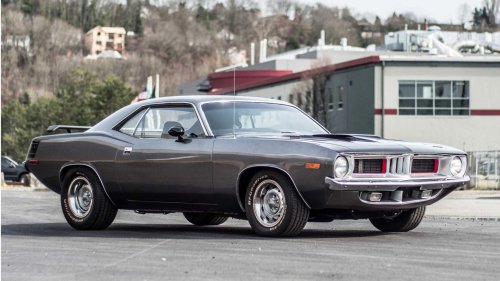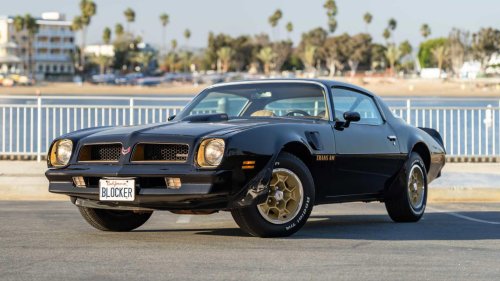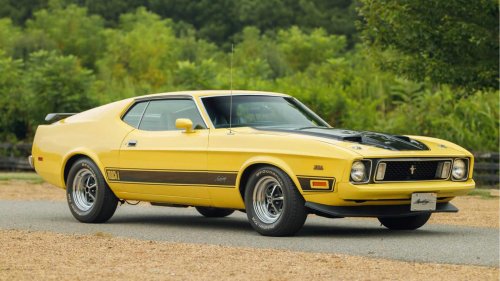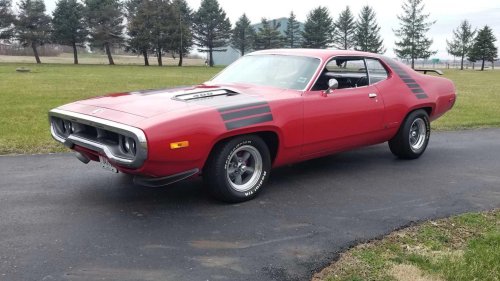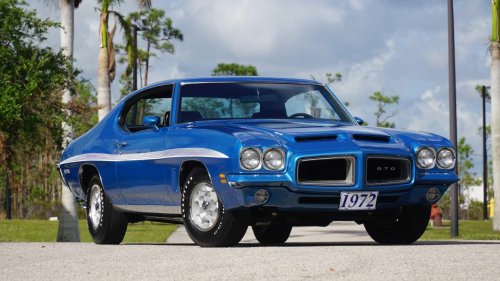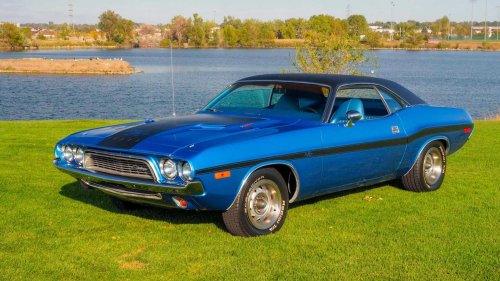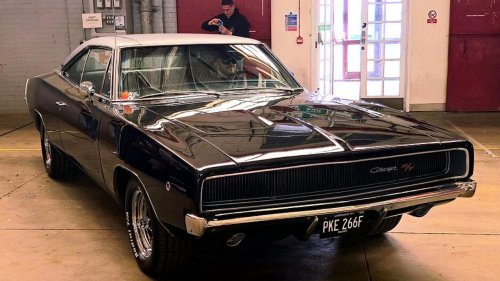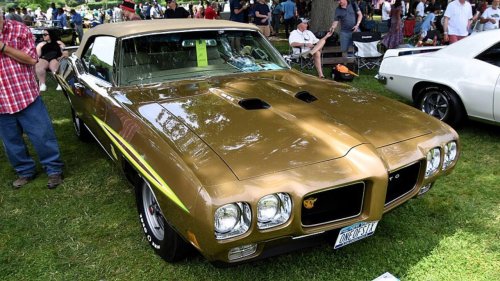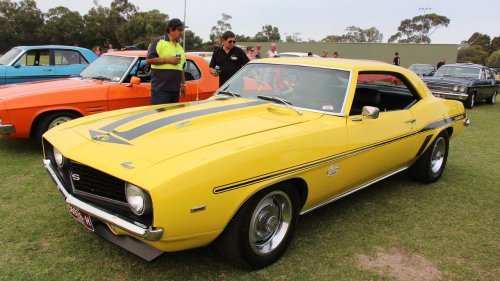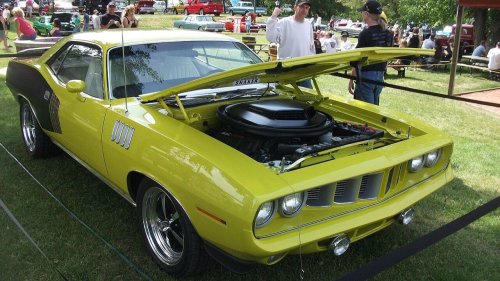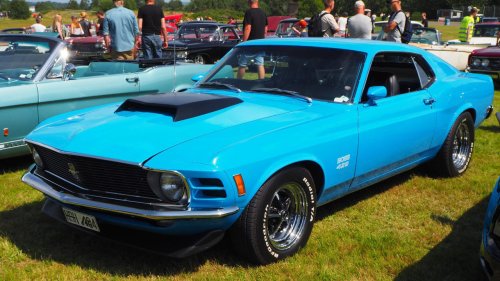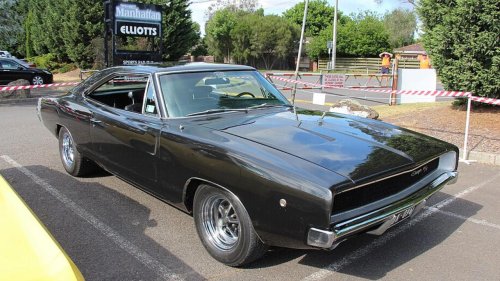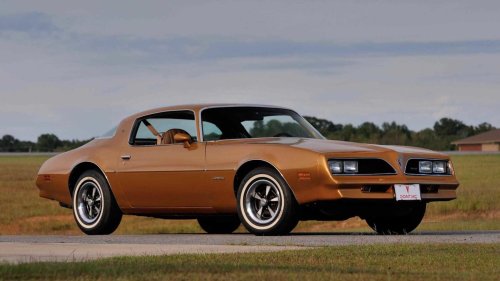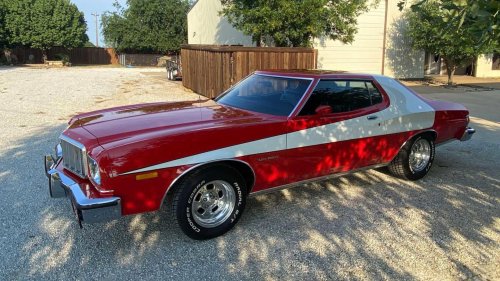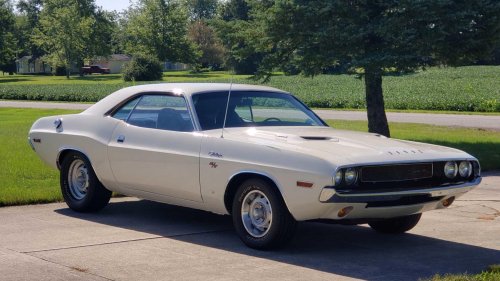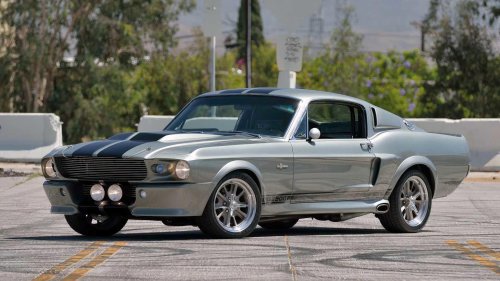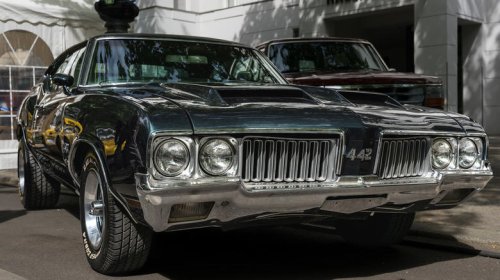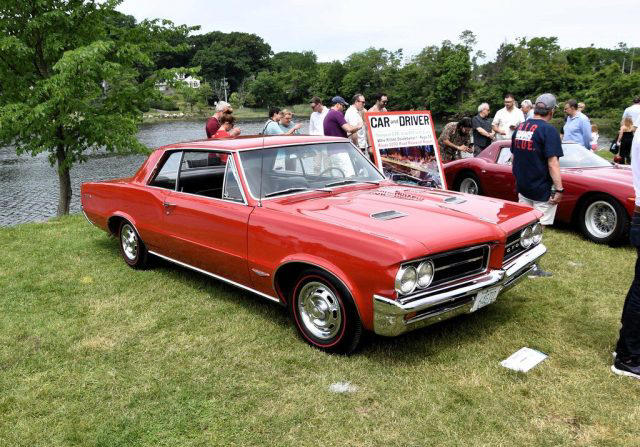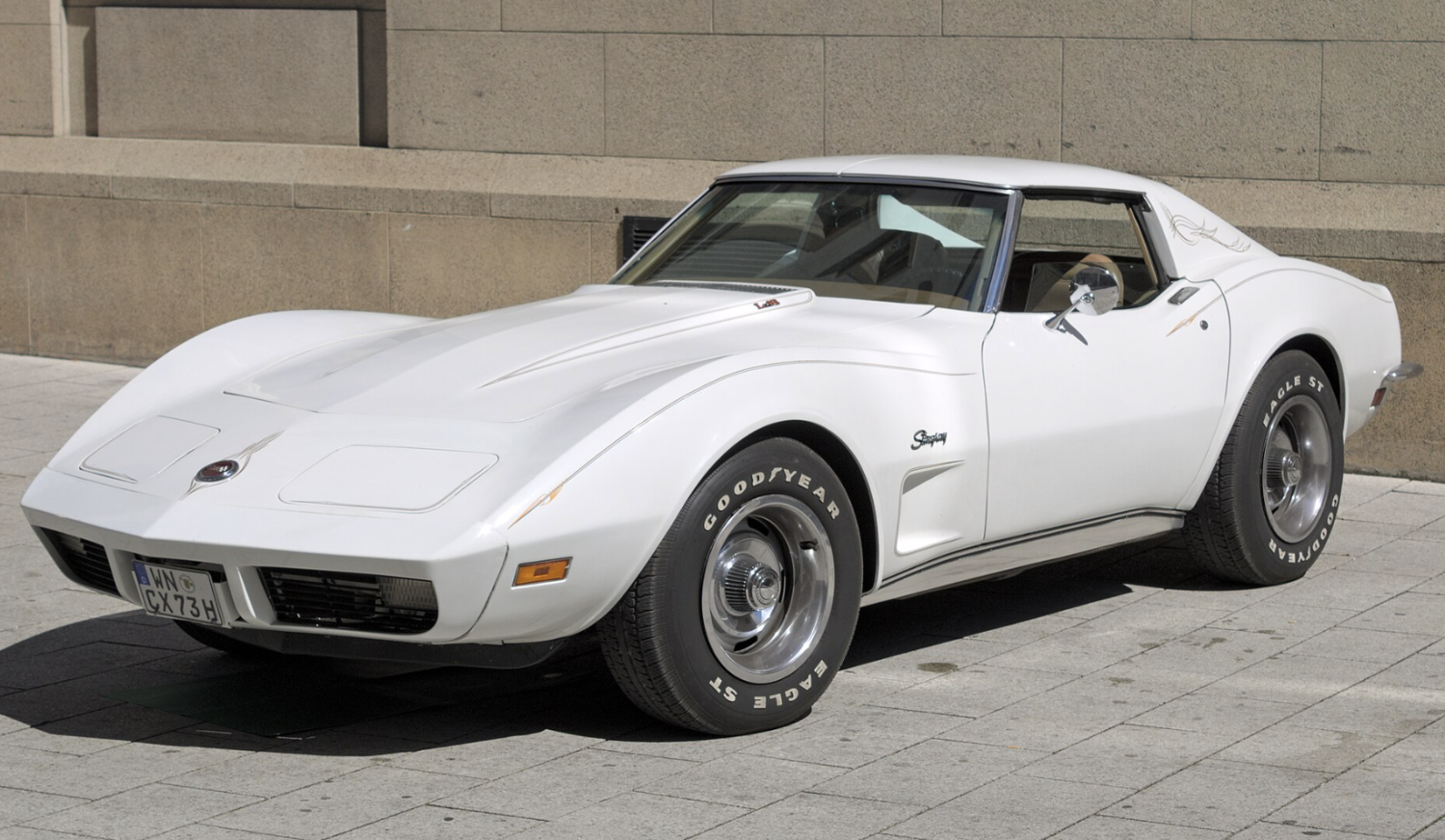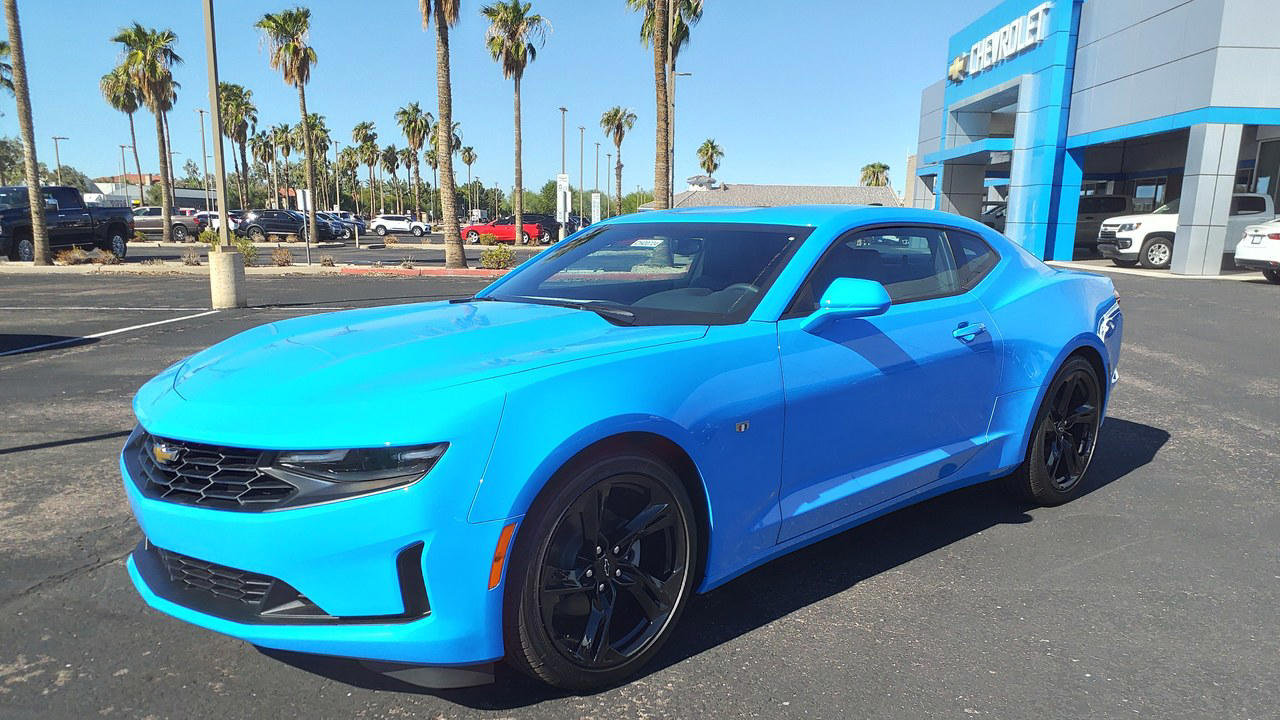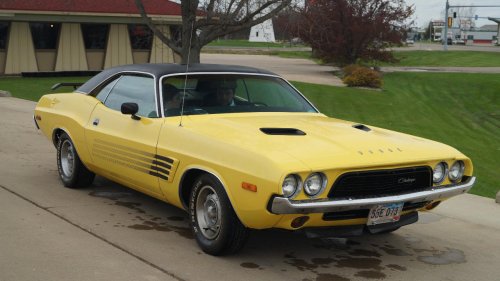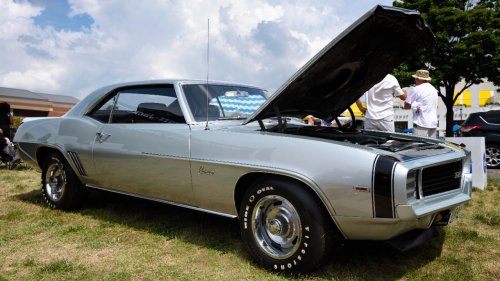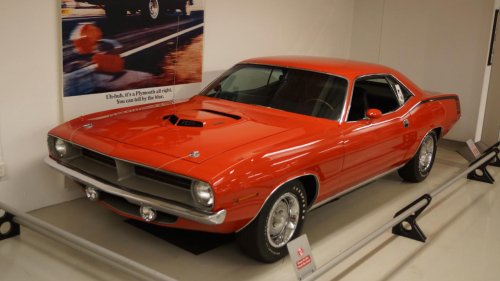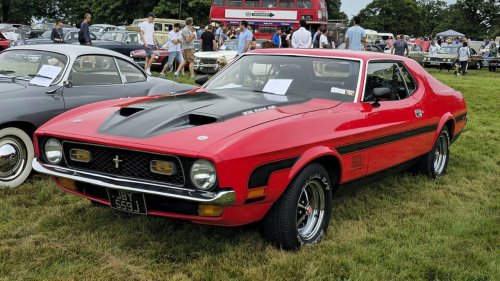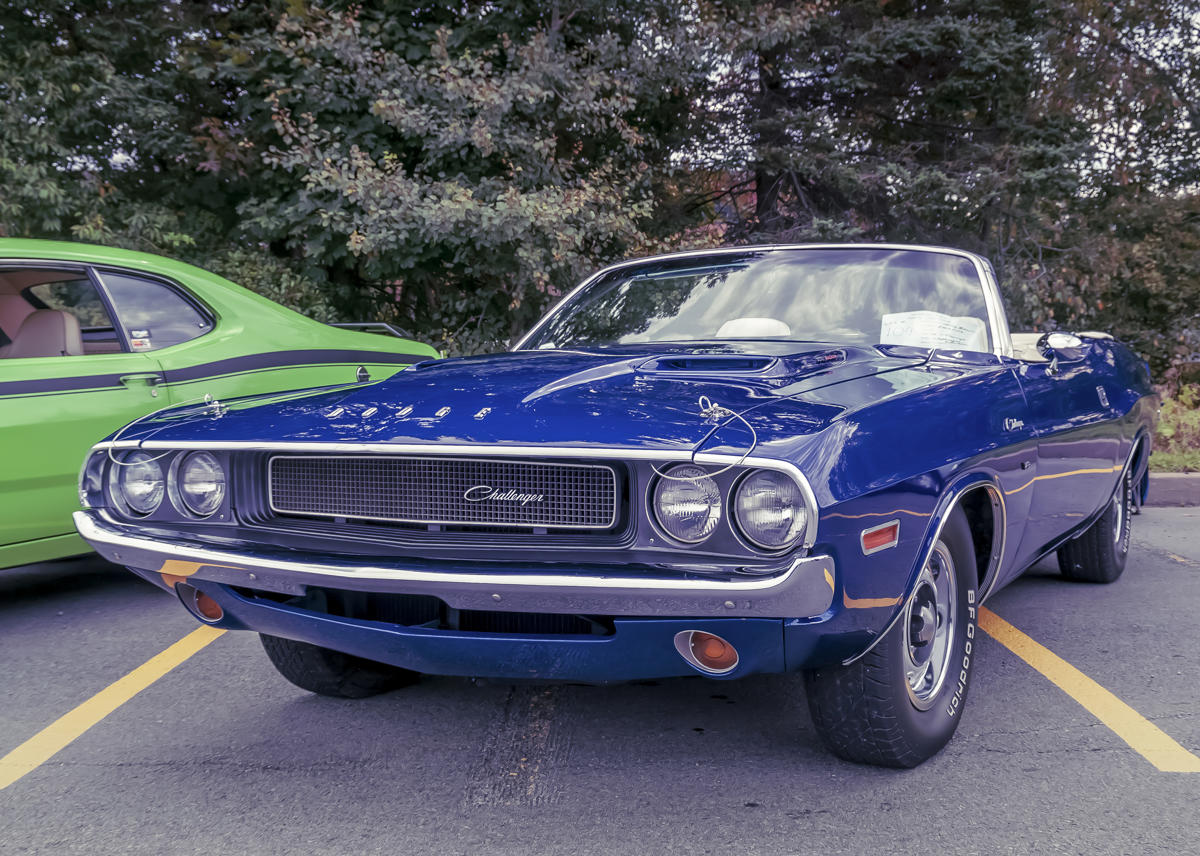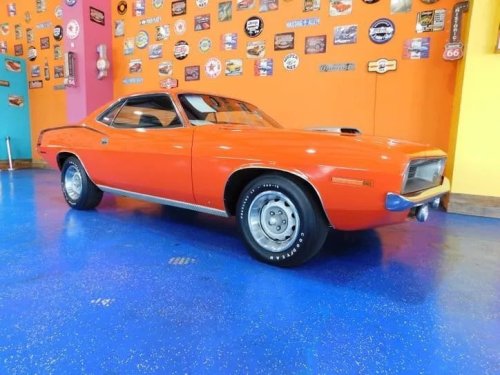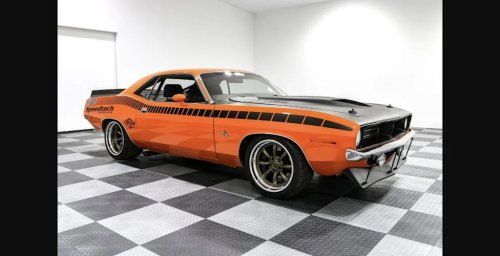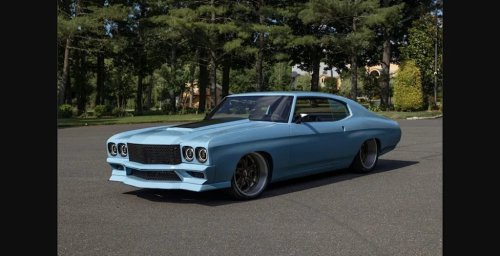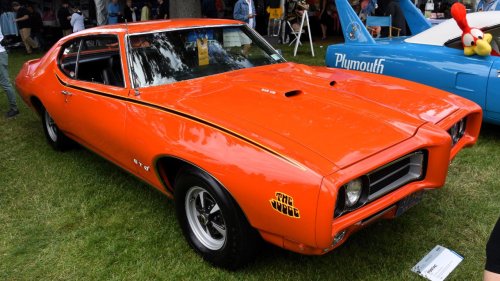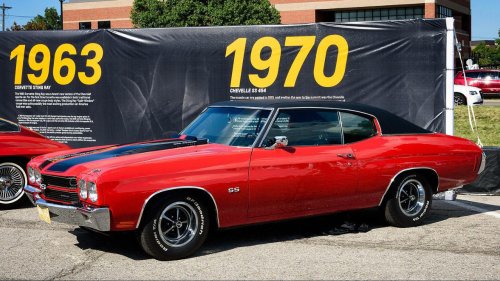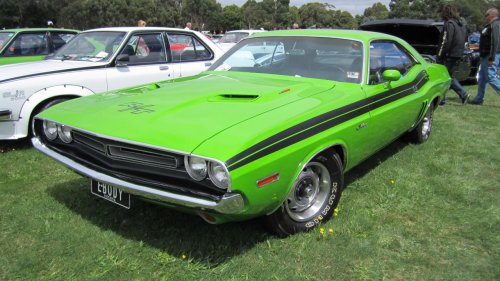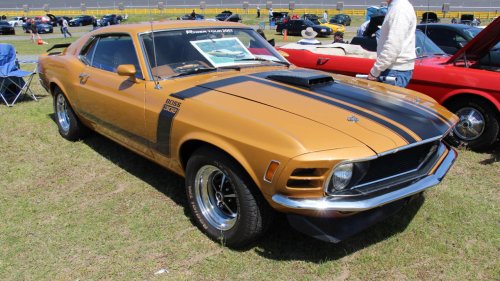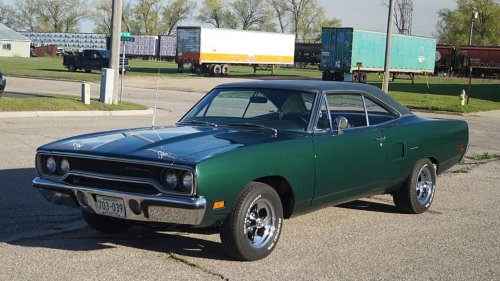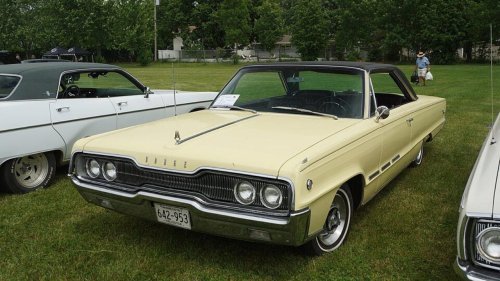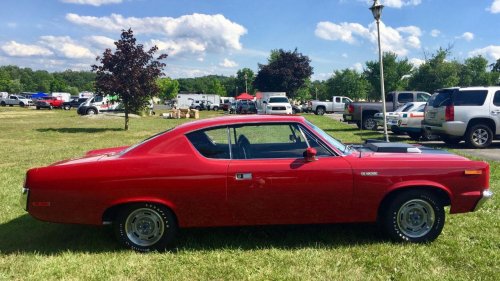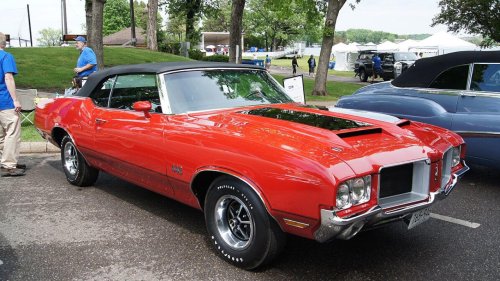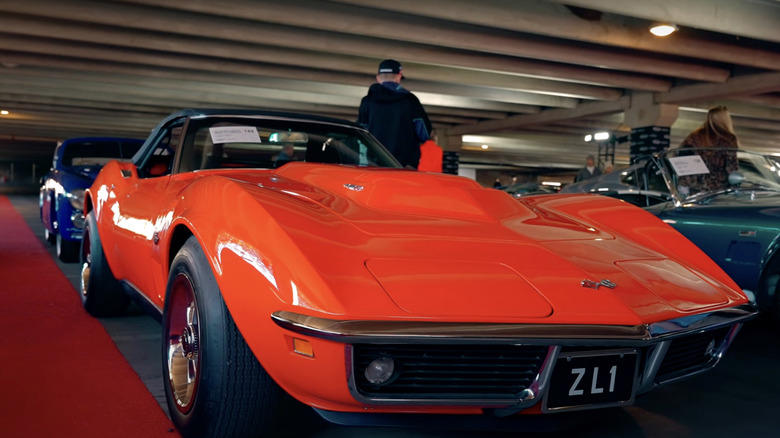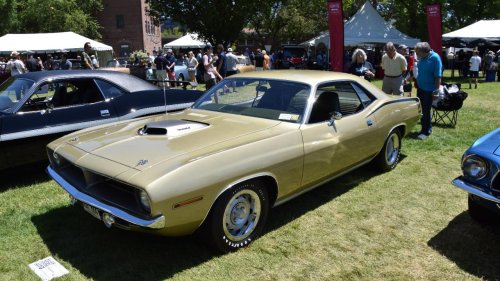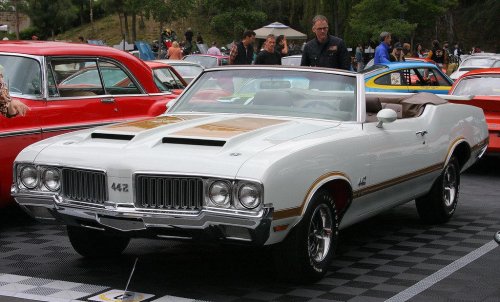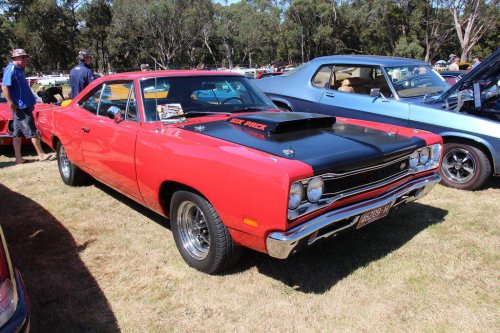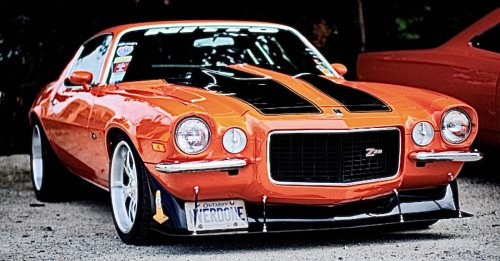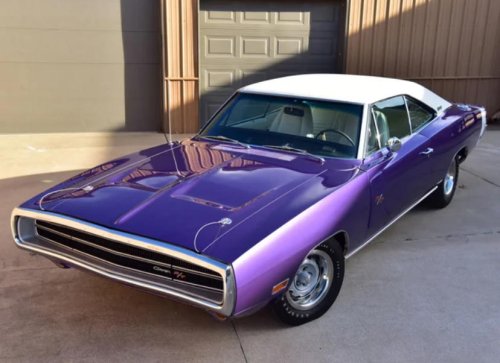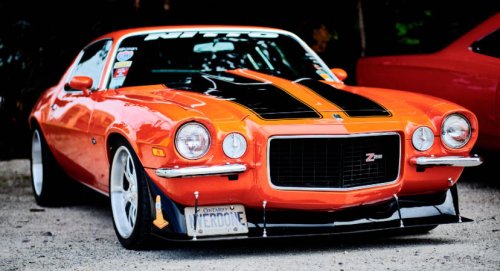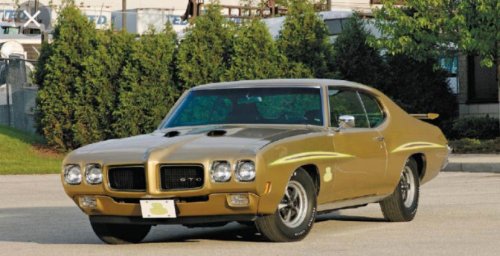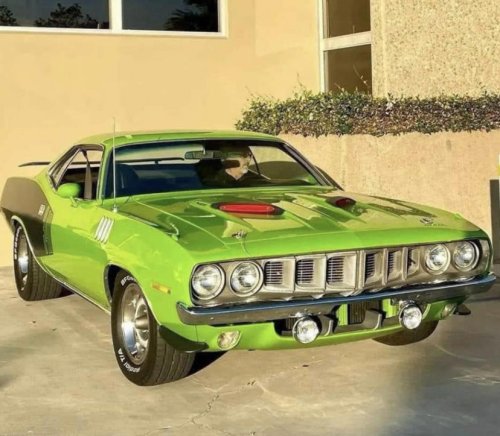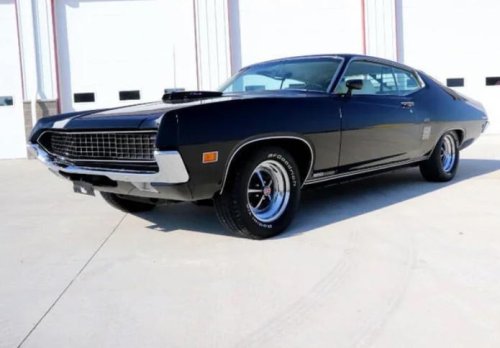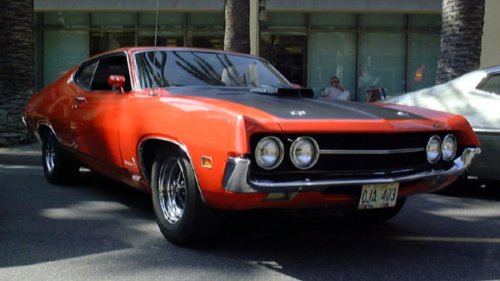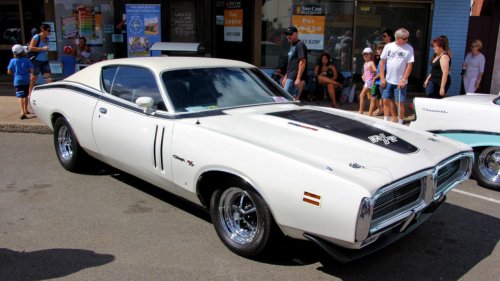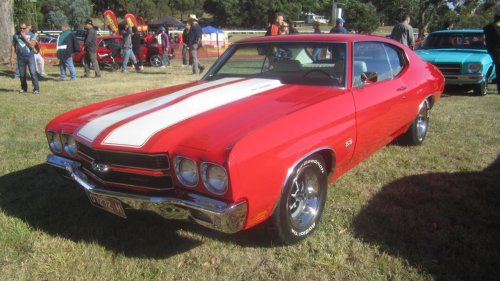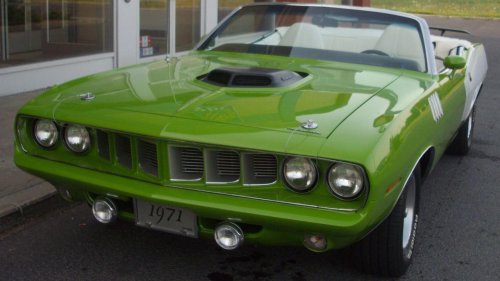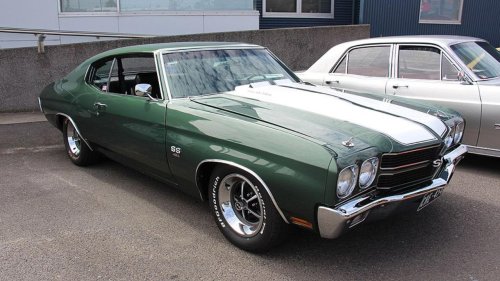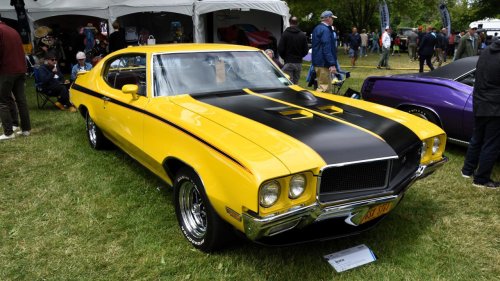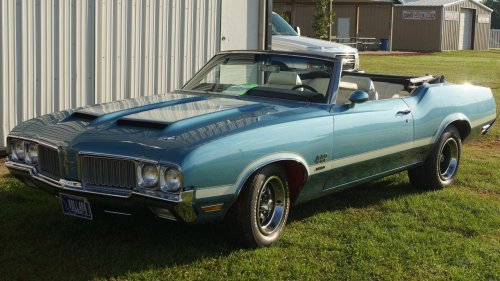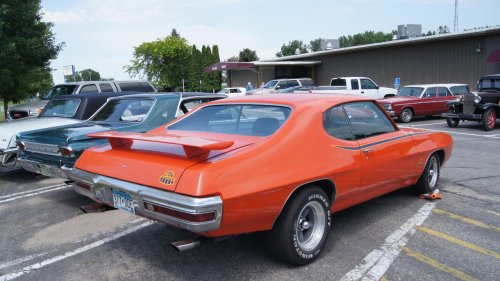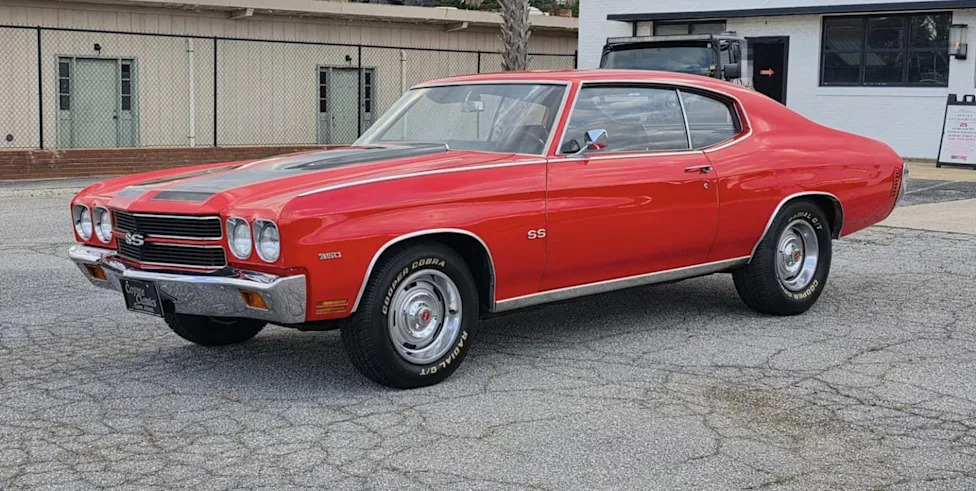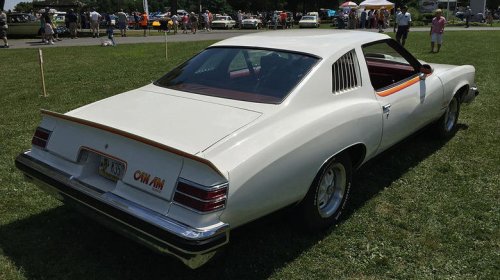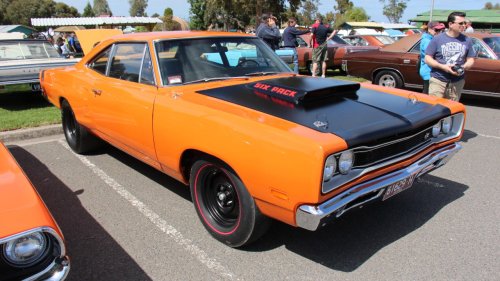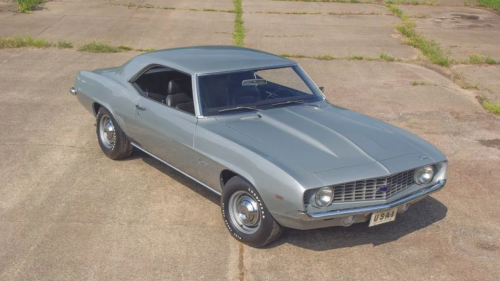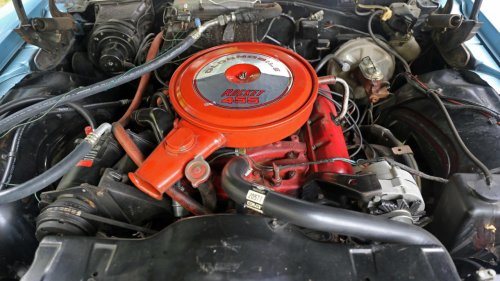
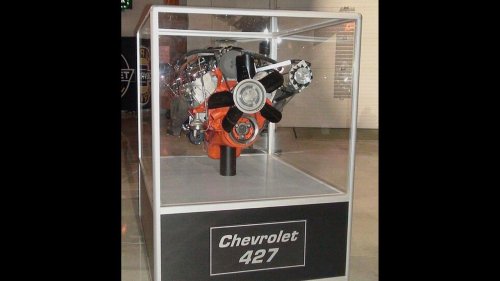
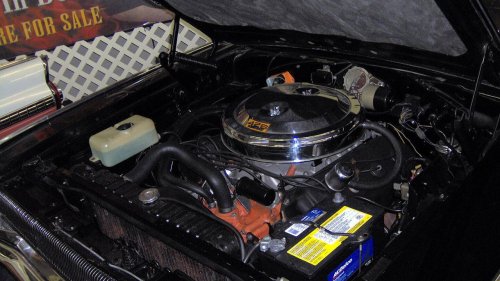
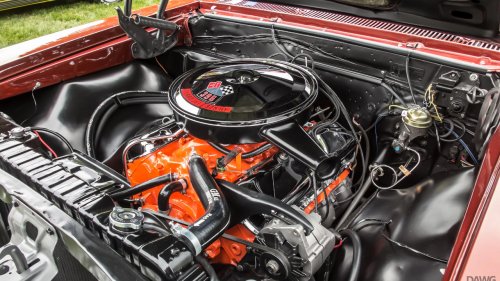
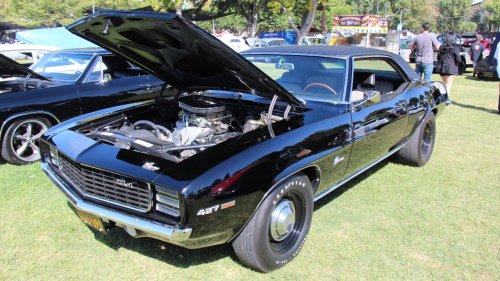
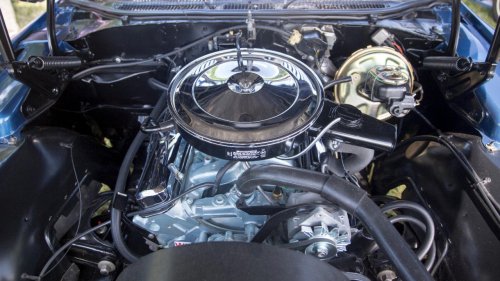
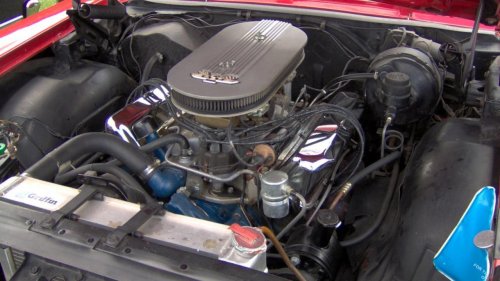
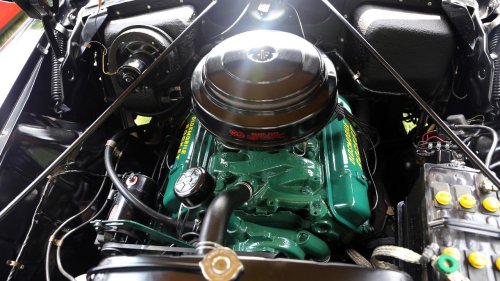
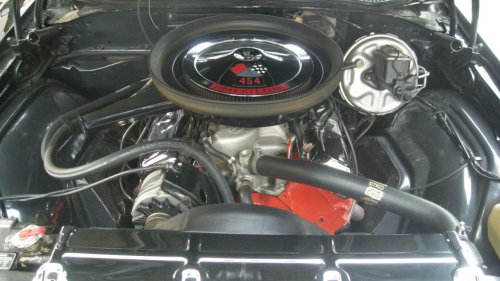
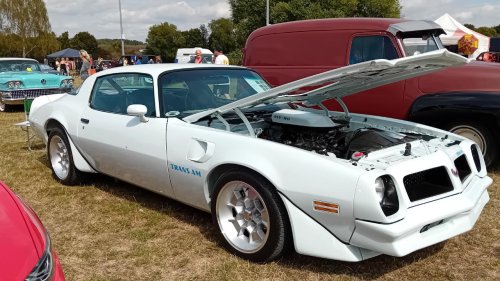



















Big block engines gave muscle cars their attitude, turning mid-size coupes and sedans into quarter-mile legends and street icons. From factory race specials to underrated street terrors, these powerplants reshaped how Detroit thought about performance and still define collector values today. The following engines did not just make big numbers; they changed muscle car history by forcing rivals to respond and by setting benchmarks that enthusiasts still chase.Chevrolet 427 L88The L88 version of the Chevrolet Big Block took the already potent 427 and turned it into a barely disguised race engine. Period paperwork rated the L88 at 430 horsepower, but contemporary testing and later analysis of the factory parts combination suggest actual output in the range of 560 to 580 horsepower according to period estimates. That gap between rated and real power helped the L88 slip past insurance companies while dominating on track. Chevrolet built the L88 with high compression, a radical camshaft, and race-oriented cylinder heads that demanded high octane fuel. It was effectively a factory-sanctioned competition package, and its limited availability turned L88 Corvettes into blue-chip collectibles. By proving how far a production-based 427 could be pushed, the L88 set a template for later overbuilt big blocks and cemented Chevrolet’s reputation for delivering race hardware through the showroom.Chrysler 426 HEMI “Elephant.”The Chrysler 426 HEMI, often simply called Hemi, is repeatedly described as the Mopar Big Block Muscle Car Legend for good reason. With its 426 cubic inch displacement and hemispherical combustion chambers, it was engineered for dominance in NASCAR and drag racing. Reporting on the engine notes that the 426 Hemi is perhaps the most famous V8 of the 1960s and early 1970s, a status reinforced by its use in factory race programs and street cars such as the Plymouth Hemi Cuda Convertible that was designed by Chrysler for homologation, as detailed in coverage. The Elephant nickname, referenced in explanations that DID YOU KNOW the Elephant Engine from Chrysler had massive size and weight, captured both its physical presence and its power potential. With Chrysler Corporation building the Hemi 426 from 1966 to 1971 as a limited-production but extremely potent street engine, it shaped the Mopar identity and forced rivals to respond with their own top-tier big blocks. The 426 HEMI’s later ban from NASCAR only added to its legend and kept its mystique alive among collectors and racers.Chevy 396 Big BlockThe Chevy 396 Big Block, the engine that defined raw American muscle, arrived in the mid 1960s and quickly became the heart of many Chevrolet performance models. A period video profile describes how the 396 brought big torque and accessible performance to street buyers, with configurations that ranged from relatively mild to genuinely aggressive, as seen in archival footage. This flexibility helped Chevrolet fill the gap between small block affordability and the exotic appeal of larger 427 and 454 engines. One of the most historically significant applications was the Chevrolet Chevelle Malibu SS, which evolved into the Chevrolet Chevelle Malibu SS Sport Coupe and later into the Chevelle SS performance line. Earlier in the decade, Chevelle Prices for versions such as a 283cid 195 horsepower Chevrolet Chevelle Malibu SS Sport Coupe are listed at $29,600 in modern valuation guides, according to collector data. That contrast between original sticker prices and current values shows how the 396 era reshaped the market and turned mid-size Chevrolets into prized muscle cars.Chevrolet 427 COPO 9560 ZL1The Chevrolet 427 COPO 9560 427ci V8 was a short-lived but spectacular big block created to exploit Central Office Production Order rules. Documentation of the highest torque big block engines lists the 427 COPO 9560 at 450 pound-feet, highlighting how this all-aluminum package delivered race car strength in a street-legal shell, as summarized in torque rankings. Crucially, COPO 9560 was built around the ZL1 specification and installed in a small run of 1969 Camaros, not in Corvettes. By concentrating this 427 in the Camaro platform, Chevrolet created one of the most focused drag strip specials of the era. The combination of relatively light weight, huge torque, and underrated factory power figures made the COPO 9560 cars devastating in Stock and Super Stock classes. Their rarity and clear competition intent turned them into reference points for later factory drag packages and helped define how far manufacturers could push the definition of a production muscle car.Pontiac 428 V8Introduced by Pontiac in 1967, the 428 was designed to deliver strong performance and high torque for full-size performance cars and later for intermediate muscle models. Coverage of this engine describes how the 428 V8 became a legendary American big block that played an important role in the brand’s performance image, while also noting that the Chevrolet 427 is a separate BigBlock427 benchmark in the same era, as outlined in comparative commentary. By stepping beyond the earlier 421, Pontiac gave its buyers a new level of effortless thrust. The 428 found homes in cars such as the Grand Prix and certain high-performance Catalinas, where its broad torque curve suited both boulevard cruising and drag racing. Pontiac engineers tuned it for real-world drivability rather than peaky race power, which helped the division compete with larger displacement rivals from Chevrolet and Mopar. In the broader story of muscle car history, the 428 showed how Pontiac balanced displacement, drivability, and image to stay relevant in a rapidly escalating horsepower war.Ford 427 R CodeThe Ford 427 R Code represented Dearborn’s answer to the big block performance race that General Motors and Chrysler were driving. Analysis of Greatest Big Block engines from the Golden Age of Muscle notes that performance packages built around the 427 R Code were produced during a short but intense window when factory-backed racing shaped showroom offerings, as described in historical overviews. The R Code specification used high compression, aggressive camshafts, and improved breathing to deliver serious power for both NASCAR and drag racing. On the street, R Code 427 engines appeared in limited numbers in models such as the Galaxie and Fairlane, giving Ford loyalists a credible rival to Chevrolet 427 and Chrysler 426 HEMI cars. These engines also influenced later Ford performance programs, including the development of the Boss series and the emphasis on homologation specials. By proving that Ford could compete at the highest level of big block performance, the 427 R Code helped keep the horsepower race competitive and gave the brand enduring credibility among enthusiasts.Oldsmobile Rocket V8The Oldsmobile Rocket V8 predates the classic muscle era but remained influential into the 1960s as displacement and output grew. A survey of ten engines that ruled the latter end of the decade highlights the Oldsmobile Rocket among the key designs that shaped expectations for torque and refinement, as noted in period retrospectives. Here, Oldsmobile used the Rocket name to signal advanced overhead valve technology and a focus on strong low end power. As the muscle car era matured, Rocket-branded big blocks in the 400 and 455 cubic inch range powered 4 4 2 models and full-size performance sedans. Their blend of smoothness and strength appealed to buyers who wanted speed without sacrificing comfort. The Rocket program also influenced how other divisions marketed their engines, proving that a strong identity could be as valuable as raw numbers. In that sense, Oldsmobile helped turn the engine itself into a brand within a brand, a strategy others quickly copied.Chevrolet 454 LS6The Chevrolet 454 LS6 is often cited as one of the most monstrous big-block engines of the classic muscle period. A detailed look at the Chevelle SS notes that the 1970 Chevelle SS 454 with LS6 represented peak muscle car performance from Detroit, with just 4,475 units built with this engine and a specification that included solid lifters and an 800 CFM Holley carburetor, as outlined in production summaries. With 454 cubic inches and a very aggressive cam, the LS6 set a high-water mark for factory-rated horsepower. Other reporting on the highest torque big block engines describes how the Chevrolet 454 big block remains one of the most legendary street engines ever built, the last and loudest roar of the muscle car era, as captured in torque-focused coverage. In the broader debate framed by enthusiasts as The Elephant Roars The versus LS6, the 454’s combination of displacement, torque, and relative affordability made it the definitive big block for many Chevrolet fans and a benchmark for later crate engines.Pontiac 455 V8The Pontiac 455 took the brand’s big block formula to its logical extreme by combining large displacement with an emphasis on usable street power. In a feature on 500-horsepower big block combinations, Pontiac 455 builds are described with the remark “Five hundred horsepower? It is like falling off a log,” a line attributed to Ken Crocie from HO Enterprises, who explained how easily a 455 could reach that figure with the right parts, according to engine build coverage. That comment captures how under-stressed the factory architecture was. On the street, 455 engines powered later GTOs, Grand Prix models, and Trans Ams, where their abundant torque helped offset tightening emissions rules. Even as peak horsepower ratings began to fall, the 455’s broad torque curve preserved real-world performance and kept Pontiac competitive. Enthusiasts later discovered how readily the engine responded to aftermarket heads and camshafts, which turned the 455 into a favorite foundation for high-output street and strip builds long after the original muscle era ended.