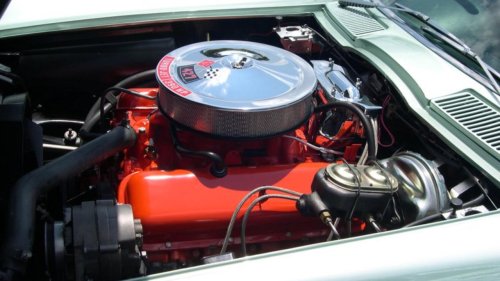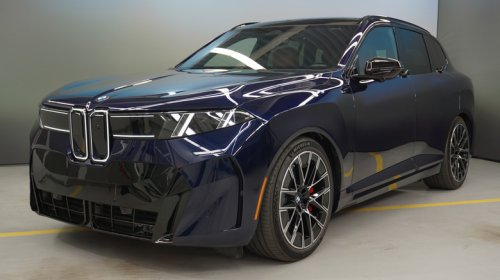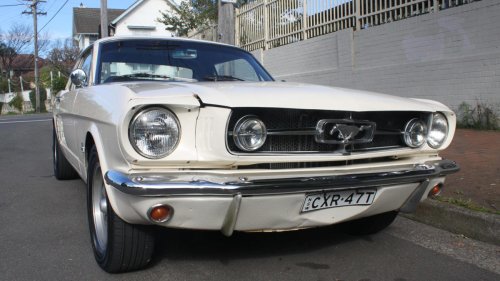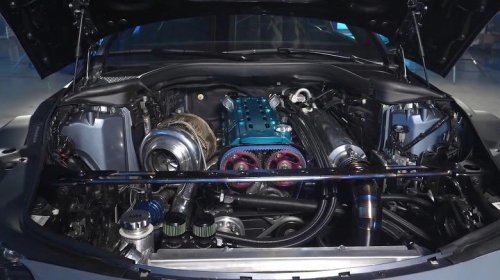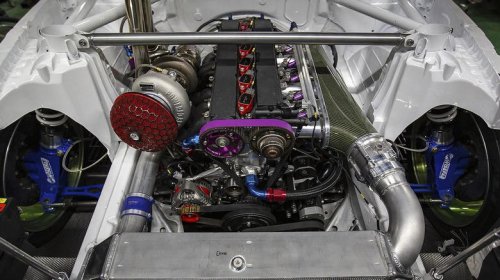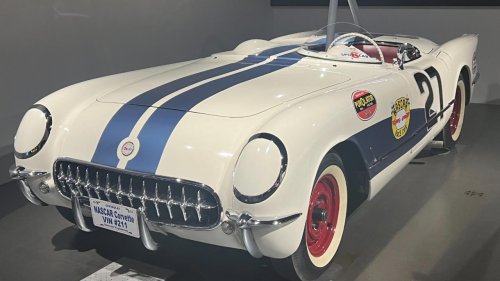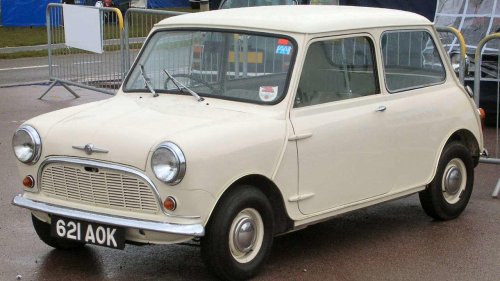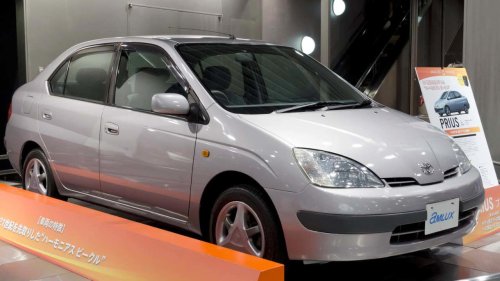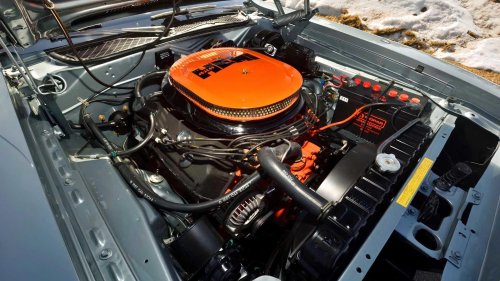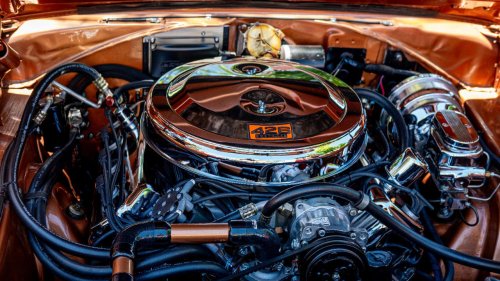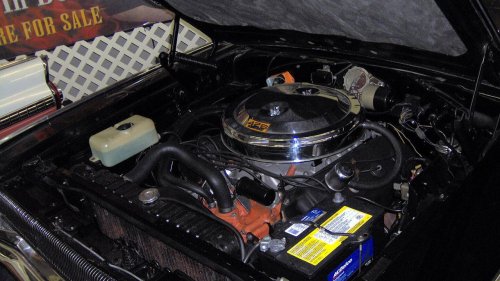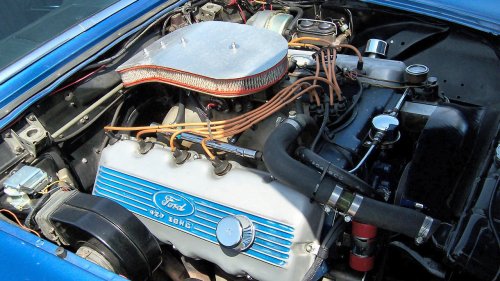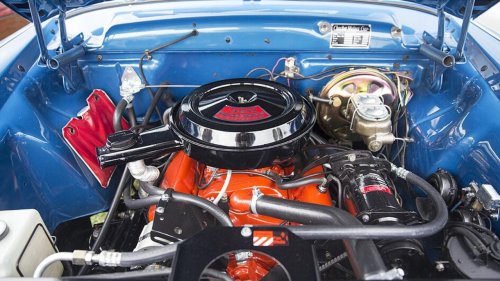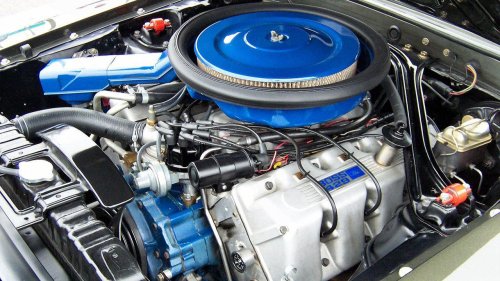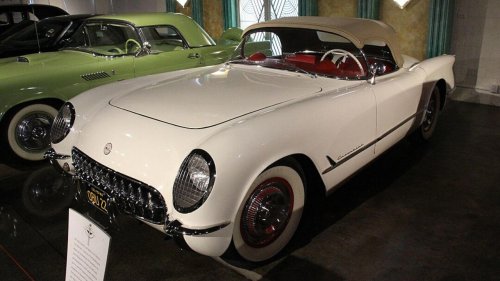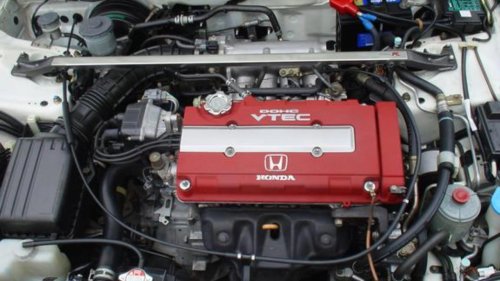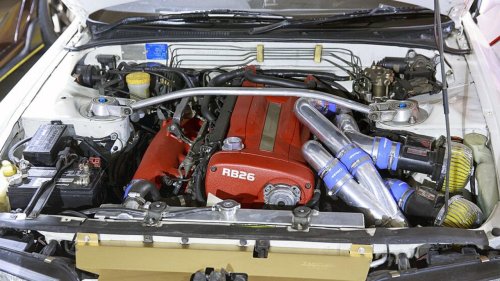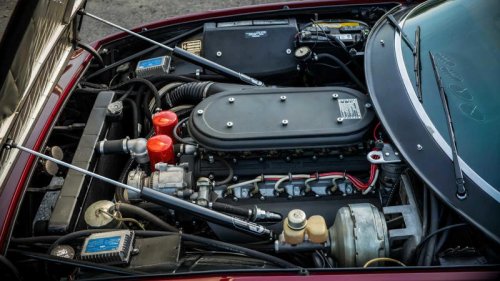
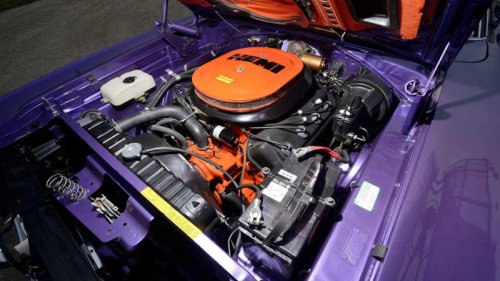
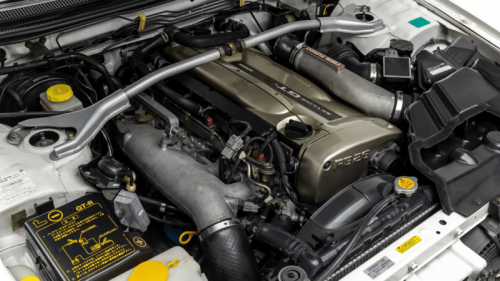
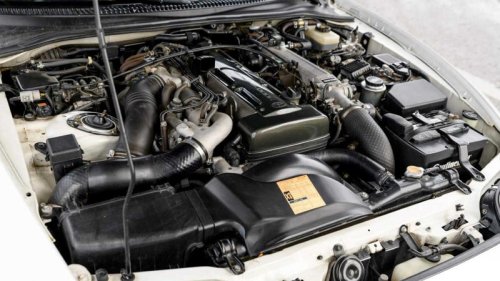
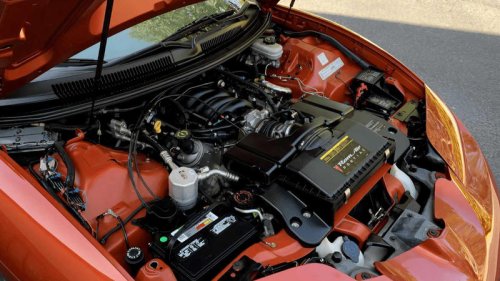
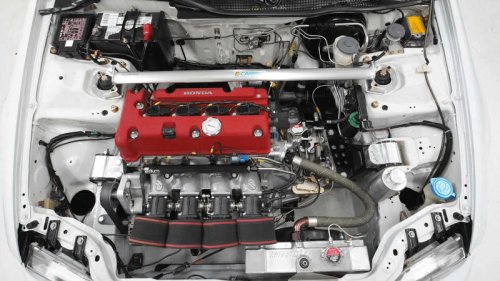
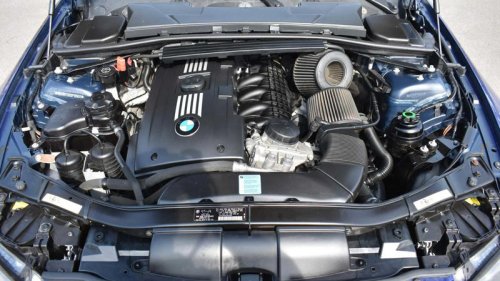
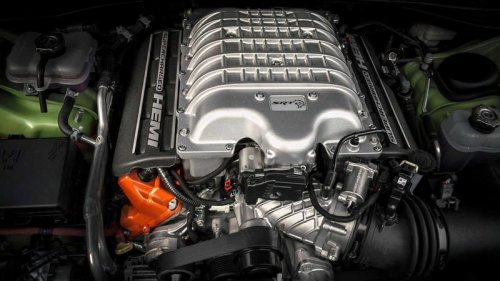














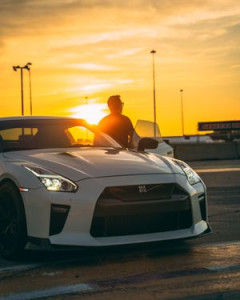



In the history of high-performance engines, several have been so good that they legitimately changed the game. Usually designed for sports cars, supercars or muscle cars, these engines set the stage for how performance was judged in the generations that followed. Some of these engines are modern, with big power and impressive technological innovations. Others are a bit older and have power figures that don't seem as impressive to today's enthusiasts. But, they did help pave the way for some of the world's most iconic cars! Ferrari Colombo V12 Years Produced: 1947-1988 Bring A TrailerIf you think of a classic Ferrari, one of the main things you'll associate with it is that glorious V12 sound. That comes from the oldest engine on this list: the Colombo. It first appeared in Ferrari's first-ever road car (the 125 S) and was a staple of Maranello's lineup right up to the end of the '80s. Along the way, it powered so many of Ferrari's most beloved cars. This includes the 250 GTO and the 365 GTB/4 Daytona. The final car to use the Colombo engine was the slightly underrated 412i, the final iteration of a series of wedgy, front-engine, four-seat Ferrari grand tourers.The Colombo developed a lot over its long production run. When it was first introduced in the 125 S, it was a 1.5-liter unit that produced 116 hp and 90 lb-ft of torque. The size kept increasing as the years went on, as did its output. The biggest it ever got was the 4.9-liter version that powered the 412i, while the most powerful it got was the 347 hp 4.4-liter version found in the 365 GTB/4 Daytona. Jaguar XK Inline-6 Years Produced: 1949-1992 The Jaguar XK engine came only a couple of years after Ferrari debuted the Colombo. However, its impact on the automotive world has been just as important (if not more so) than the Colombo's. The first iteration of this engine was 3.4 liters in size, and powered the legendary XK120 sports car. It then developed from there, ending up being offered in multiple sizes from 2.4 to 4.2 liters. It also powered more legendary cars, including the E-Type sports car and the Mark II sedan. It's also one of the longest-lasting engines of all time—the final car to use it didn't stop being produced until the early '90s! Chevrolet Small-Block V8 Years Produced: 1954-2003 If you're a muscle car fan of any kind, you'll absolutely know all about the Chevrolet small-block V8 and how important it is. First appearing in the mid-1950s, the first car to receive this engine was the C1 Chevrolet Corvette. It then found its way into a host of General Motors vehicles. This ranged from sports cars to pickup trucks, and even vans! Several non-General Motors cars used the small-block, too. This included the Iso Rivolta IR 300 and IR 340, the Iso Grifo and the Gordon-Keeble GT. Chrysler 426 Hemi Years Produced: 1964-1965 (Racing), 1966-1971 (Street) MecumThere can't be many muscle car engines that are more iconic than the original 426 Hemi. Originally developed as a racing engine, it found its way into street cars by 1966. The 426 Hemi became an engine option in plenty of the most iconic Mopar muscle cars. This included the Dodge Charger and Dodge Charger Daytona, as well as the Plymouth Barracuda. While it was officially rated at 425 hp, many people believe that its actual stock output was around 470-500 hp. It could also be extensively modified, taking that power up to truly incredible levels! Nissan RB26DETT Years Produced: 1989-2002 Bring A TrailerNissan perhaps isn't the first name you'd think of when it comes to makers of great, high-performance engines. However, the huge Japanese automaker has produced plenty that have become truly legendary. Perhaps the most legendary of all of them is the RB26DETT. This twin-turbocharged, 2.6-liter inline-6 was first introduced in 1989, and powered multiple generations of the Nissan Skyline GT-R. Officially rated at 276 hp in its home country of Japan, it definitely produced a bit more than that in reality. It can also be extensively modified, leading to the birth of many a 600+ hp Skyline GT-R build! Toyota 2JZ-GTE Years Produced: 1991-2005 Bring a TrailerToyota has made plenty of legendary engines over the years. None have made quite as much impact, however, as the twin-turbocharged 2JZ-GTE has. This engine is perhaps most famous for being used in the twin-turbo version of the A80 Toyota Supra. It was also used in JDM-exclusive high-performance versions of the Toyota Aristo (known in the rest of the world as the Lexus GS).Originally rated at 276 hp in Toyota's home market of Japan, it could actually produce as much as 320 hp from the factory. That's far from the limit of how powerful it could be, too - modified 2JZ-GTEs can easily reach over 700 hp with the right know-how. As a result, 2JZ-GTE-powered cars have become favorites for creating some absolutely insane builds. It's also become a popular engine for engine swaps, bringing that same highly-tuned character to a whole host of carsoutside of the Toyota brand. It's that ability for it to be tuned into oblivion and engine-swapped into so many different cars that's really given it its legendary reputation. Chevrolet LS1 Years Produced: 1997-2007 Bring A TrailerIf the small-block V8 started Chevrolet's high-performance V8 legacy, the more modern LS1 continued it for generations to come. First introduced in the mid-'90s, the LS1 became the engine of choice for GM sports cars and muscle cars. This included the C5 Chevrolet Corvette, the fourth-generation Chevrolet Camaro and the final generation of the Pontiac Firebird. It was also used in the awesome Holden Monaro muscle car in Australia, which later found its way to the states as a reboot of the Pontiac GTO. Like the Chevy small-block, the LS1 wasn't limited to performance cars either. The Holden Commodore and Statesman sedans in Australia used it, as did the Middle East-only Chevrolet Caprice (itself based on those Australian Holdens). Honda K20A (i-VTEC) Years Produced: 2001-2011 Bring A TrailerIt wouldn't make sense writing a list of performance engines that changed everything without mentioning a Honda VTEC unit. There have been many of them over the years, but the one that changed the game the most has to be the K20A. This 2-liter inline-4 was the engine of choice for the JDM versions of the EP3, FD2 and FN2 versions of the Honda Civic Type R. These cars are considered among the best hot hatchbacks and compact sports sedans ever made, and for good reason! It also powered the criminally underrated Honda Accord Euro R. Like the 2JZ-GTE we mentioned earlier, it's also not that uncommon to see it heavily modified and used as an engine swap in non-Honda cars. BMW N54 Years Produced: 2006-2016 Via: Bring a TrailerThe BMW N54 is an engine that you might have overlooked as being a game-changer. However, it really did help bring some life back into BMW's engine lineup in the 2000s and 2010s! It has powered several BMW and Alpina models. This includes the 335i variant of the fifth-generation BMW 3 Series, the 535i variant of the fifth-generation BMW 5 Series, the E39 BMW Z4 sDrive35is and the E90 3 Series-based Alpina B3, B3 S and B3 GT3. The Alpinas that used this engine are especially brilliant, producing up to 402 bhp and 398 lb-ft of torque.Perhaps most importantly for some, the N54 has also proven to be an incredibly reliable engine. While it did have early problems, BMW managed to sort those out very quickly by issuing recalls. After that point, the N54 became a gold standard of how reliable BMW engines can be. Dodge Hellcat V8 Years Produced: 2015-2023, 2026-Present DodgeThe most recent game-changing engine on this list is also one of the ones that's the most celebrated. There haven't been many muscle car engines that have changed the game as much as the Hellcat V8 has. A 6.2-liter supercharged unit, the first Hellcat-powered cars produced 707 hp and 650 lb-ft of torque. It didn't take long for that power to increase, however. By the end of the Hellcat's first run, its output was as much as 1,025 hp and 945 lb-ft of torque!That monster output is thanks to the borderline-terrifying Dodge Challenger SRT Demon 170. This car was intended to be a modern interpretation of the old-school drag racing monsters from the golden age of American muscle. That's something it certainly lived up to, becoming the fastest accelerating pure internal combustion car ever made!Sources: BMW, Chevrolet, Chrysler, Dodge, Ferrari, Gordon-Keeble, Holden, Iso, Jaguar, Nissan, Plymouth, Pontiac, Toyota