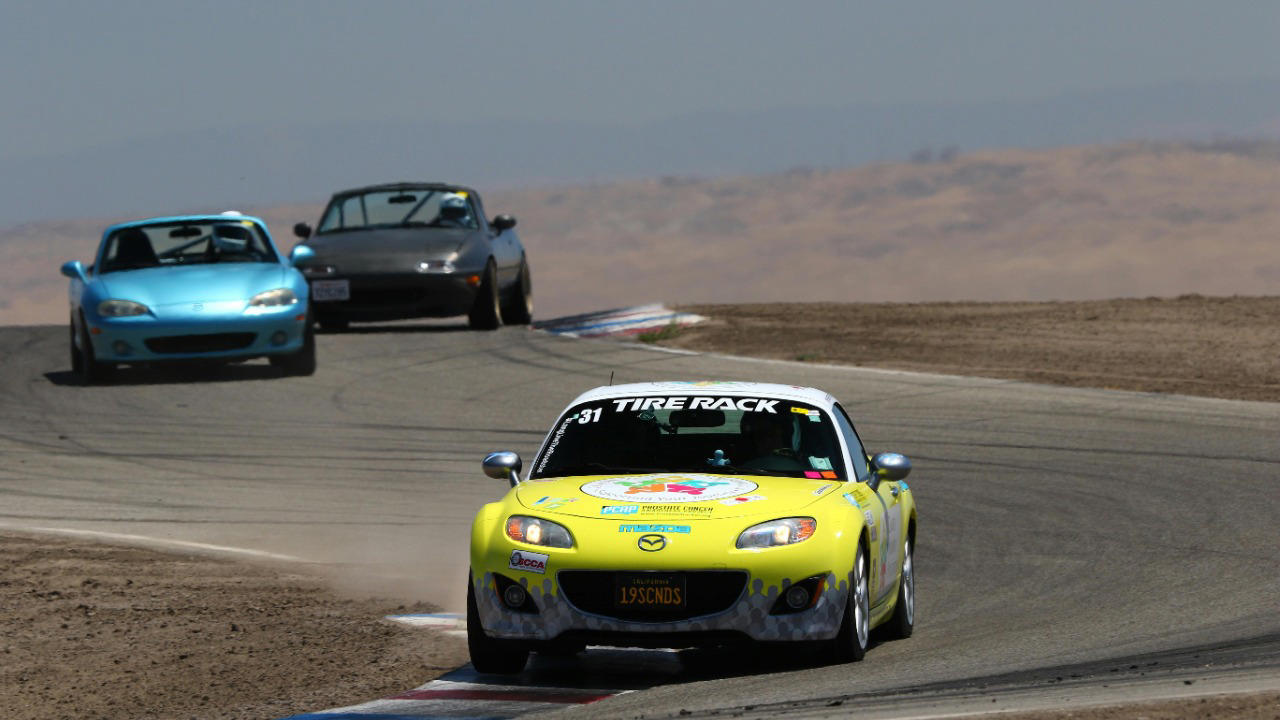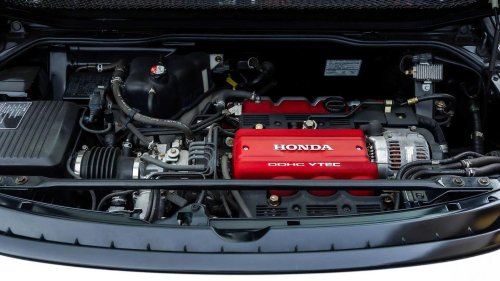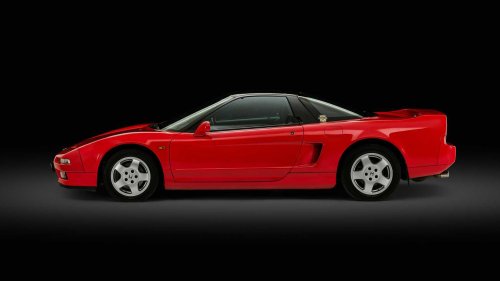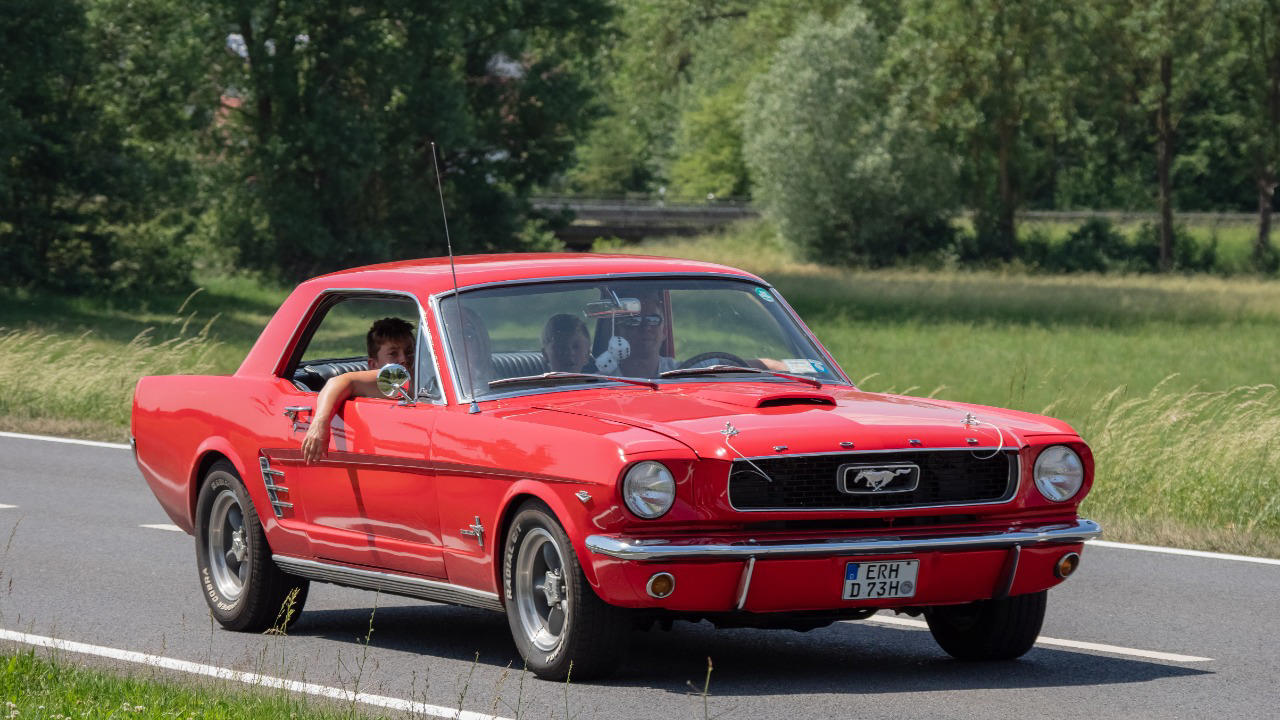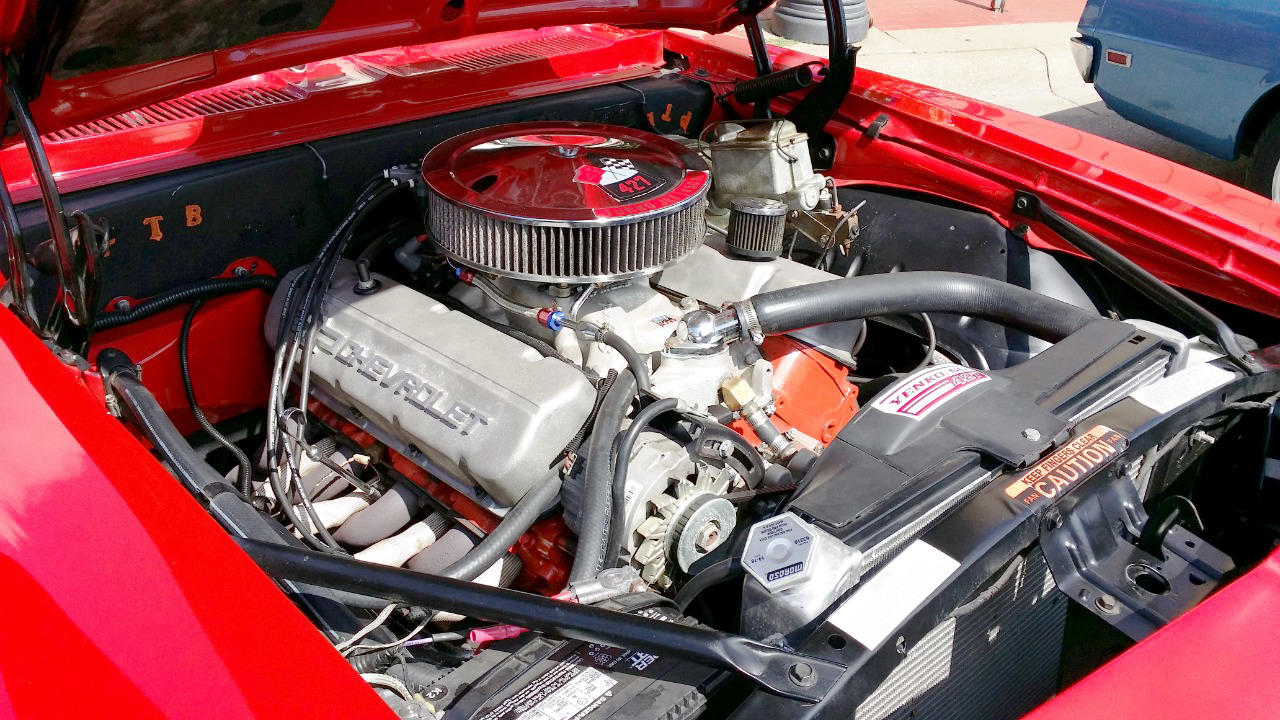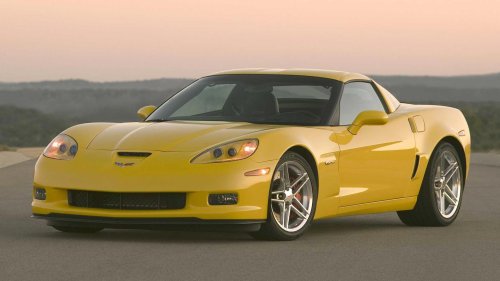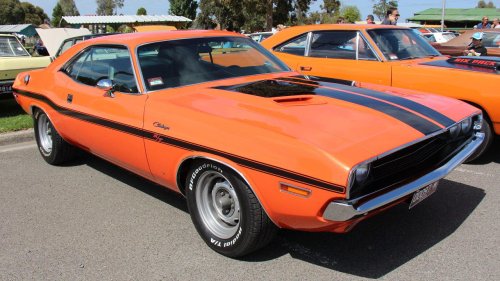



















Big displacement vs high revving engines which one defines performanceThe debate between big displacement and high revving engines has long been a topic of discussion among automotive enthusiasts. Each engine type offers unique characteristics that can influence performance, driving experience, and vehicle dynamics. Understanding the nuances of these two engine types not only enhances appreciation for automotive engineering but also informs purchasing decisions for potential buyers. Understanding Engine Displacement Engine displacement refers to the total volume of all the cylinders in an engine, usually measured in liters (L) or cubic centimeters (cc). It plays a crucial role in determining the engine’s power and torque characteristics. Generally, the larger the engine displacement, the more air and fuel it can accommodate, leading to greater potential for power output. For instance, a 5.0L V8 engine can deliver significantly more torque than a 2.0L inline-four, making it a popular choice for performance vehicles. With larger displacement, engines often produce a broader torque band, allowing for better low-end power delivery. This is particularly beneficial in everyday driving situations where immediate throttle response is crucial. Vehicles like the Ford Mustang GT, with its robust 5.0L V8, exemplify how big displacement engines can provide exhilarating acceleration and a thrilling driving experience, blending power with usability. The Appeal of High Revving Engines High revving engines are characterized by their ability to reach elevated RPMs, often exceeding 7,000 or even 8,000 RPMs. This capability allows for a unique power delivery style that appeals to driving enthusiasts looking for responsive and exhilarating performance. The joy of reaching the redline and feeling the surge of power as the engine breathes freely is a defining experience for many drivers. High revving engines often excel in motorsport scenarios where sheer power output is crucial, but responsiveness and agility are equally important. Iconic examples include the Honda S2000, renowned for its 2.0L F20C engine, which produces peak power at a staggering 8,300 RPM. Such engines not only deliver impressive power but also contribute to a lighter vehicle dynamic, allowing for nimble handling and an engaging driving experience. Torque vs. Horsepower: The Metrics of Performance Understanding torque and horsepower is essential when evaluating engine performance. Torque refers to the rotational force produced by the engine, while horsepower represents the rate at which work is done. Both metrics are vital, but they serve different purposes in real-world driving scenarios. In general, engines with larger displacements tend to produce higher torque, especially at lower RPMs, which can result in more satisfying acceleration from a standstill. Conversely, high revving engines tend to generate more horsepower by achieving higher RPMs. This means that in certain conditions, a smaller, high-revving engine can outperform a larger engine in terms of speed and acceleration. For example, the lightweight Mazda MX-5 Miata, powered by a 2.0L engine that revs to 7,500 RPM, showcases how a smaller engine can provide thrilling performance, particularly in twisty road scenarios where agility is paramount. Driving Experience: Power Delivery and Responsiveness The driving experience varies significantly between big displacement and high revving engines. Big displacement engines typically offer a strong and linear power delivery, making them feel more powerful in everyday driving situations. The immediate torque available from low RPMs allows for smooth acceleration and effortless overtaking, often making these engines feel more relaxed and composed during routine driving. On the other hand, high revving engines demand a different driving style, often requiring more engagement from the driver. The thrill of pushing the engine to its limits is an exhilarating experience, especially on racetracks or winding roads. Many enthusiasts find joy in the high-pitched wail of an engine approaching its redline, as it creates a sense of connection and excitement that is often missing in larger displacement engines. This emotional connection can influence preferences significantly among driving enthusiasts. Fuel Efficiency and Environmental Considerations Fuel efficiency is a growing concern in the automotive industry, and engine displacement plays a significant role in determining a vehicle’s overall consumption. Generally, larger displacement engines consume more fuel, particularly when pushed to their limits. However, advancements in technology, such as direct fuel injection and variable valve timing, have improved the efficiency of these engines, making them more competitive in terms of fuel economy. High revving engines, often smaller in displacement, can provide an alternative solution by offering impressive performance without the same level of fuel consumption. For instance, the Toyota 86 features a 2.4L flat-four engine that revs high while delivering commendable fuel economy. With ongoing trends towards sustainability, manufacturers are increasingly focused on developing high-revving engines that maintain performance while minimizing environmental impact, striking a balance between power and efficiency. Performance in Different Applications The performance characteristics of big displacement versus high revving engines can vary significantly depending on their intended application. For street cars, big displacement engines often provide a more straightforward driving experience, offering ample torque for everyday use. Vehicles like the Chevrolet Corvette, with its 6.2L V8, provide a perfect example of how big displacement can enhance both performance and drivability. In contrast, high revving engines shine in applications where weight and agility are paramount. Racing applications, particularly in motorsport disciplines like Formula 1 or rally racing, favor engines that can deliver power with minimal weight. The engines used in these scenarios, such as the naturally aspirated V8s of Formula 1, are designed to rev incredibly high while maintaining lightweight characteristics, showcasing the advantages of high RPM in performance-driven environments. The Role of Technology in Engine Performance Technological advancements have significantly impacted both big displacement and high revving engines, leading to improved performance and efficiency. Turbocharging and supercharging have allowed manufacturers to boost smaller engines to achieve power levels previously reserved for larger displacement engines. For example, the Ford EcoBoost engine family utilizes turbocharging to deliver impressive power outputs from smaller displacements, demonstrating how technology can bridge the gap between the two engine types. Additionally, advancements in materials and engineering design have allowed for lighter and more efficient engine components. Innovations such as aluminum engine blocks and advanced fuel management systems have enhanced the performance potential of both big displacement and high revving engines. As technology continues to evolve, the traditional notions of performance based on engine size and rev limits are being redefined, leading to exciting possibilities for future performance vehicles. Market Trends and Consumer Preferences Current market trends indicate a shift in consumer preferences towards more efficient and environmentally friendly vehicles. As regulations around emissions become stricter, manufacturers are increasingly focusing on high-revving engines with smaller displacements that can deliver competitive performance without compromising fuel economy. Sports cars like the Porsche 718 Cayman illustrate this trend, featuring a turbocharged flat-four engine that revs high while maintaining impressive efficiency. However, there remains a strong appreciation for big displacement engines, particularly among traditionalists and enthusiasts who value the raw power and driving experience they offer. Muscle cars, such as the Dodge Challenger with its available 6.2L HEMI V8, continue to attract a dedicated following despite the rise of smaller, more efficient engines. This duality in consumer preferences suggests that both engine types will continue to coexist, each appealing to different segments of the automotive market. The Enthusiast Perspective: Community Opinions The automotive community is rich with diverse opinions regarding big displacement versus high revving engines. Many enthusiasts argue that nothing beats the visceral experience of a big displacement V8 roaring to life, delivering a sense of power and authority on the road. The sound, the feel, and the sheer presence of these engines create a connection that is hard to replicate. On the other hand, high revving engine aficionados often emphasize the joy of precision and responsiveness. The thrill of pushing an engine to its limits and the rewarding feeling of mastering a high-revving machine can create passionate advocates for this engine type. Personal experiences and preferences heavily influence opinions within the community, fostering discussions that celebrate the unique qualities of both big displacement and high revving engines. More from Fast Lane Only Unboxing the WWII Jeep in a Crate 15 rare Chevys collectors are quietly buying 10 underrated V8s still worth hunting down Police notice this before you even roll window down *Research for this article included AI assistance, with all final content reviewed by human editors.