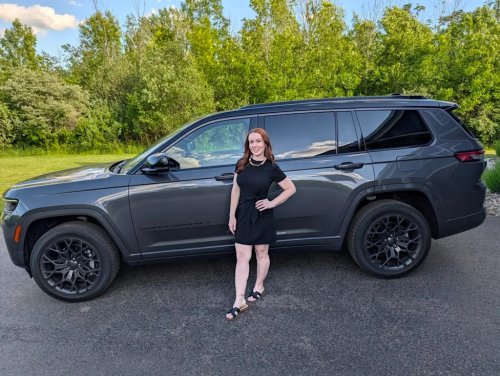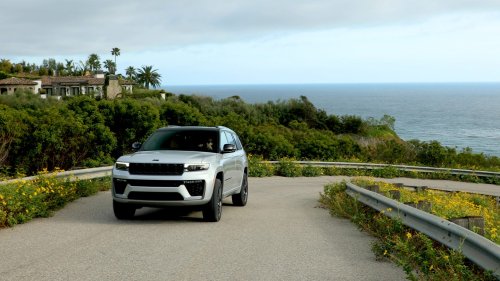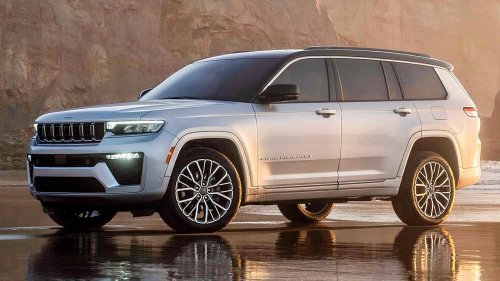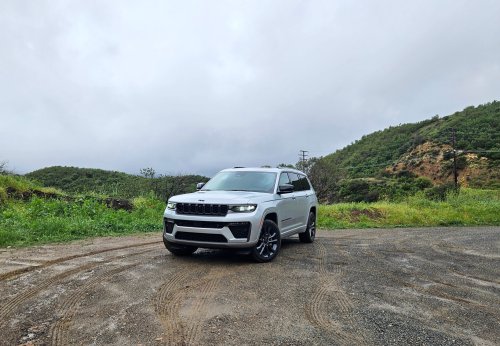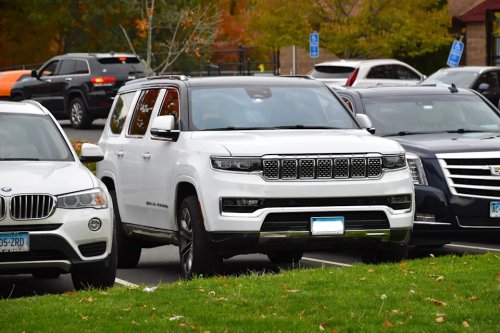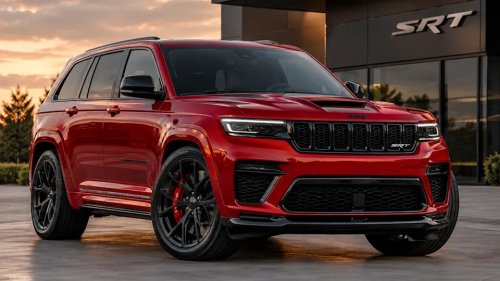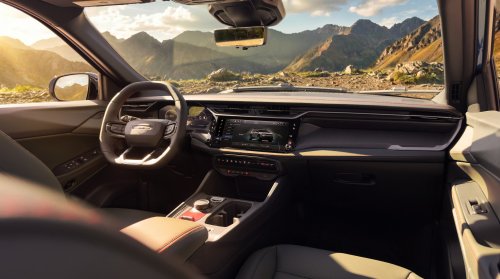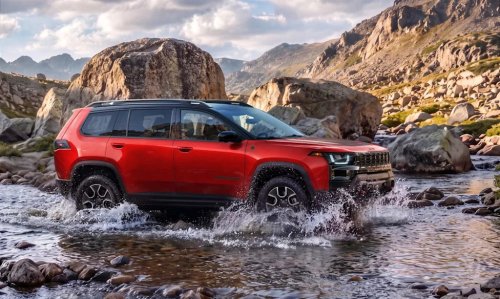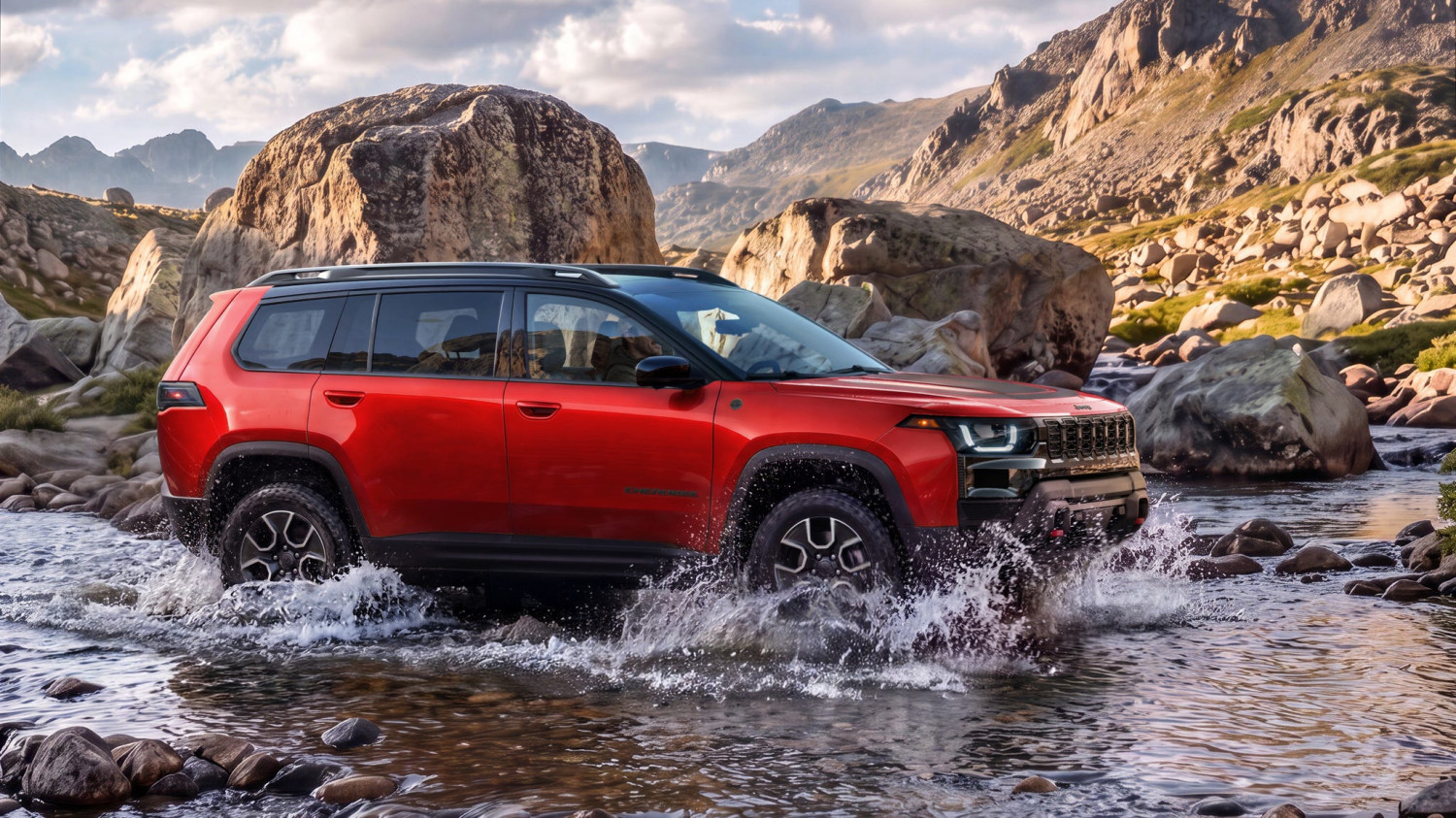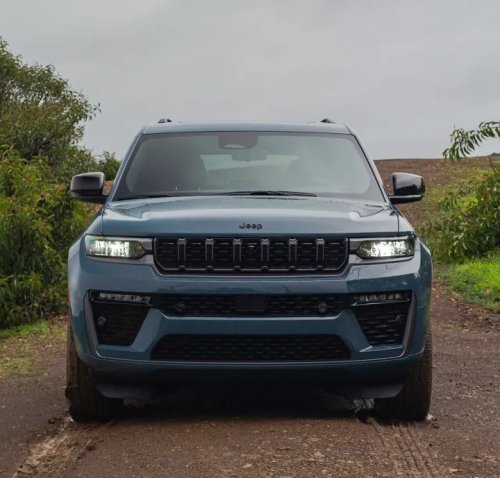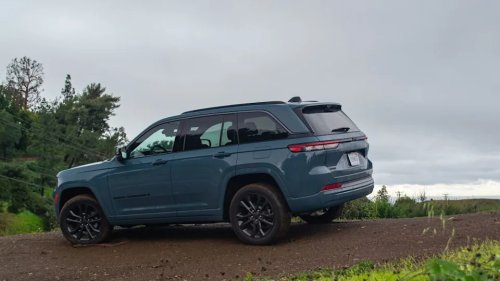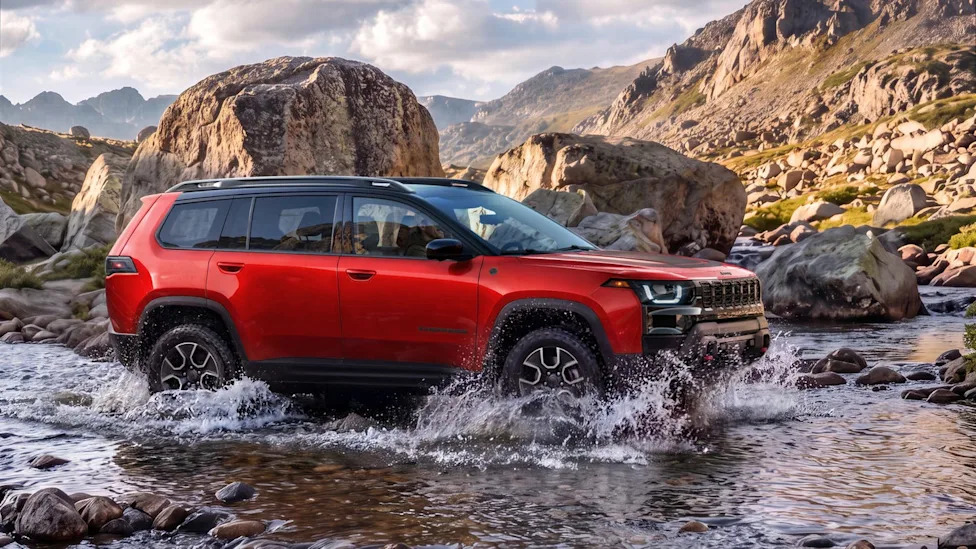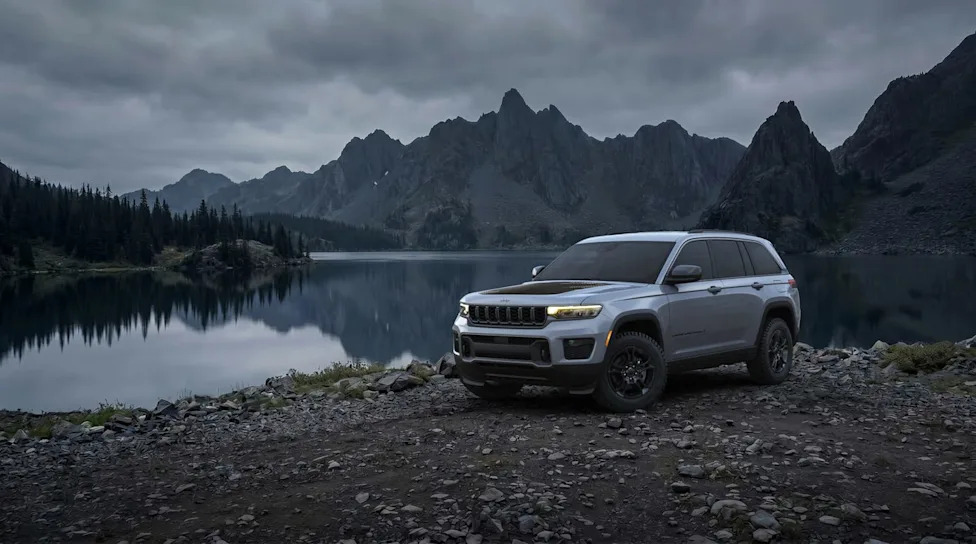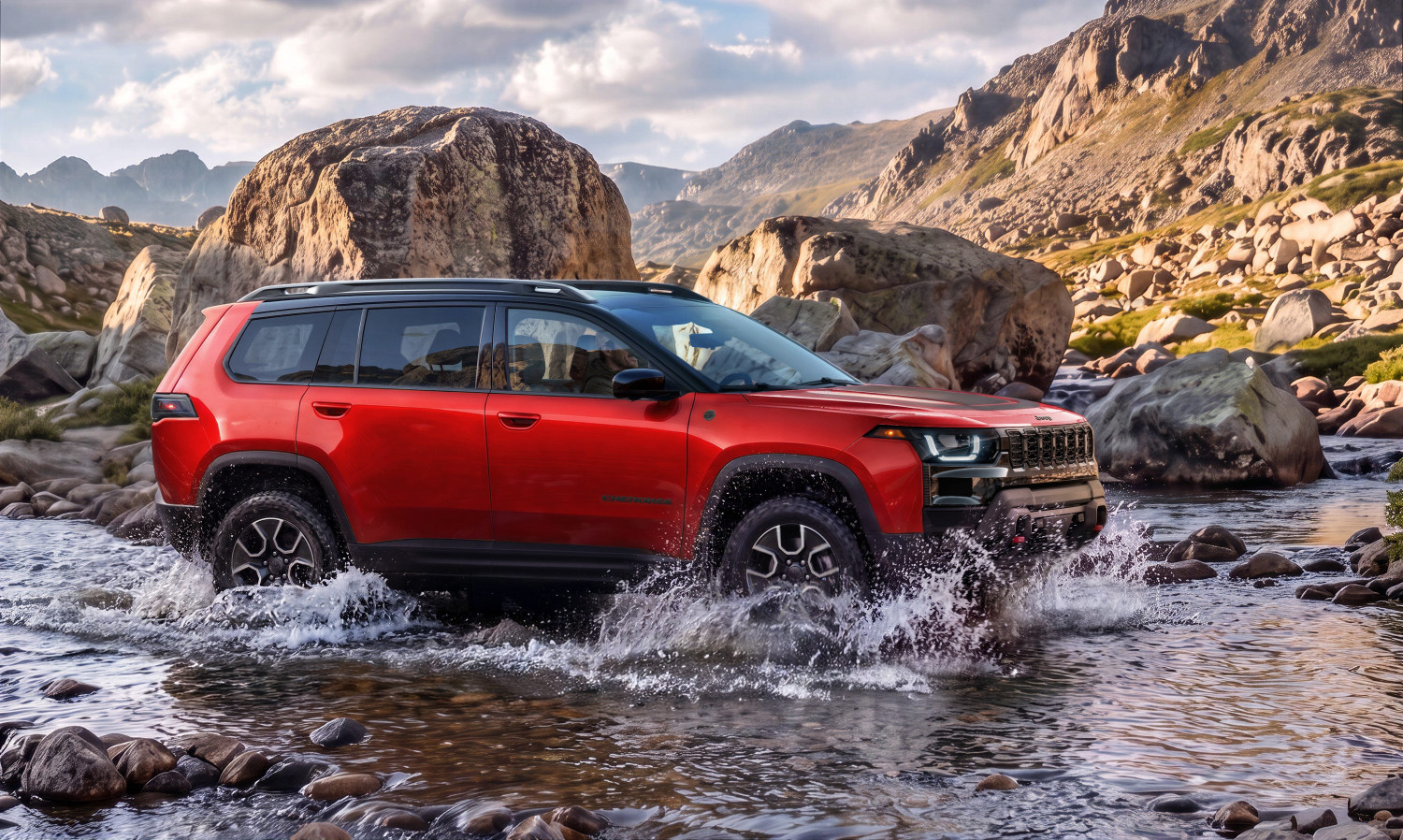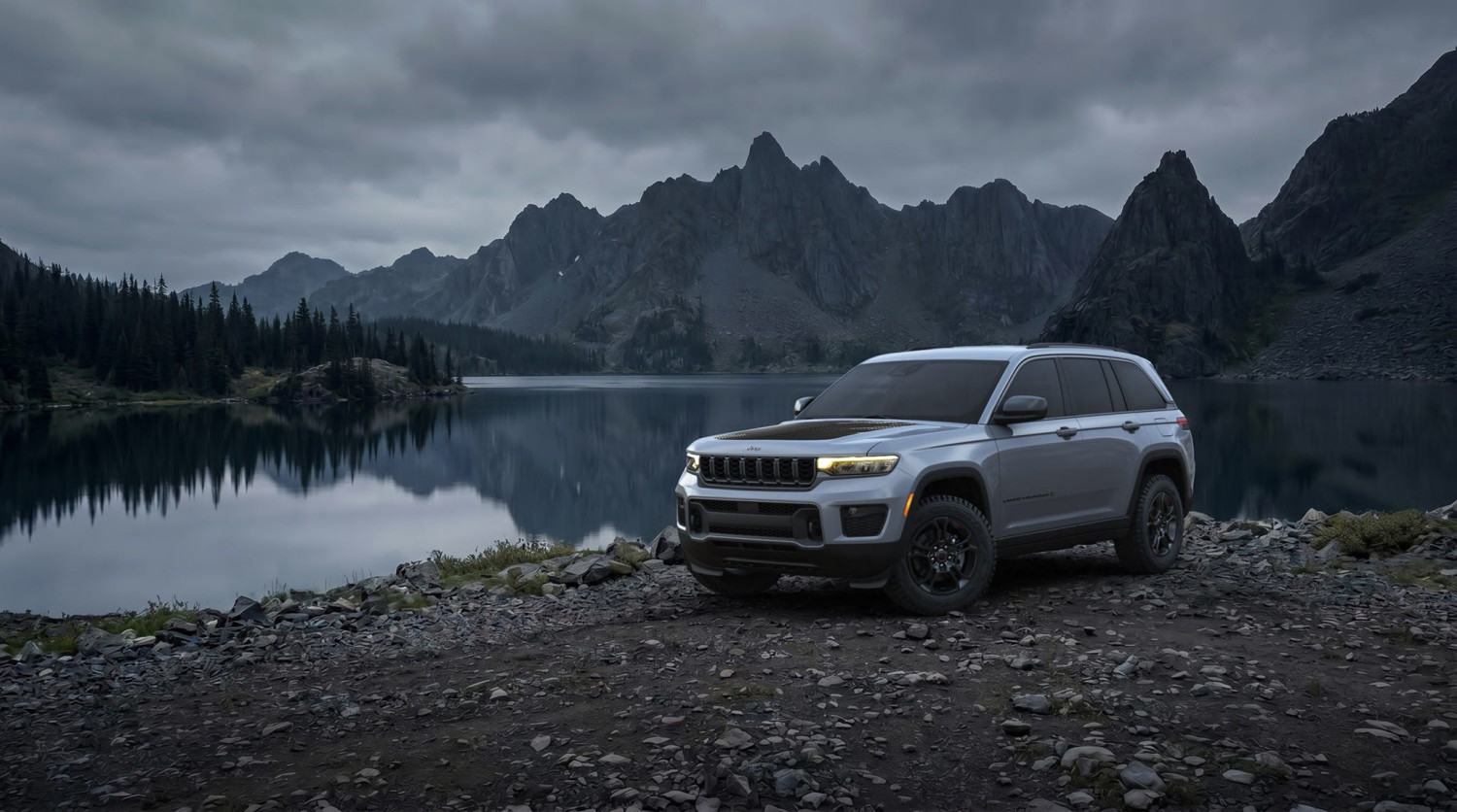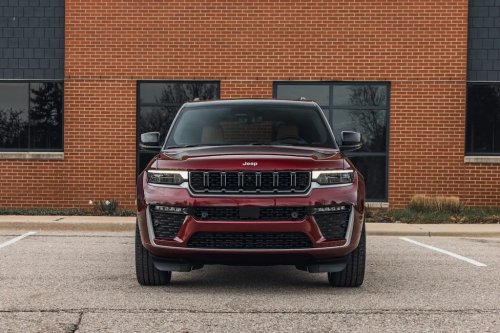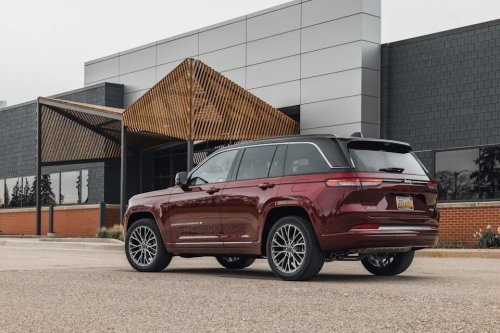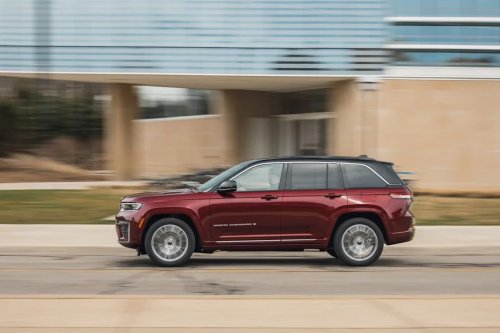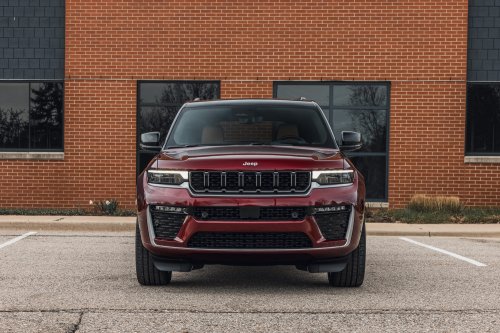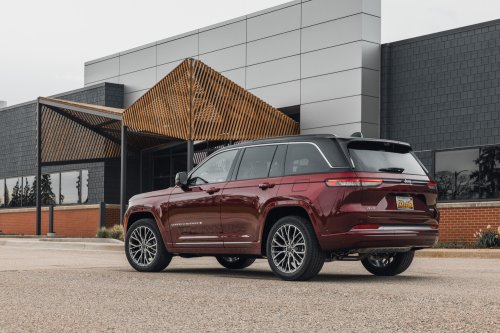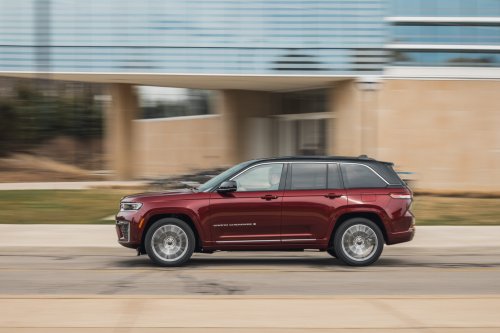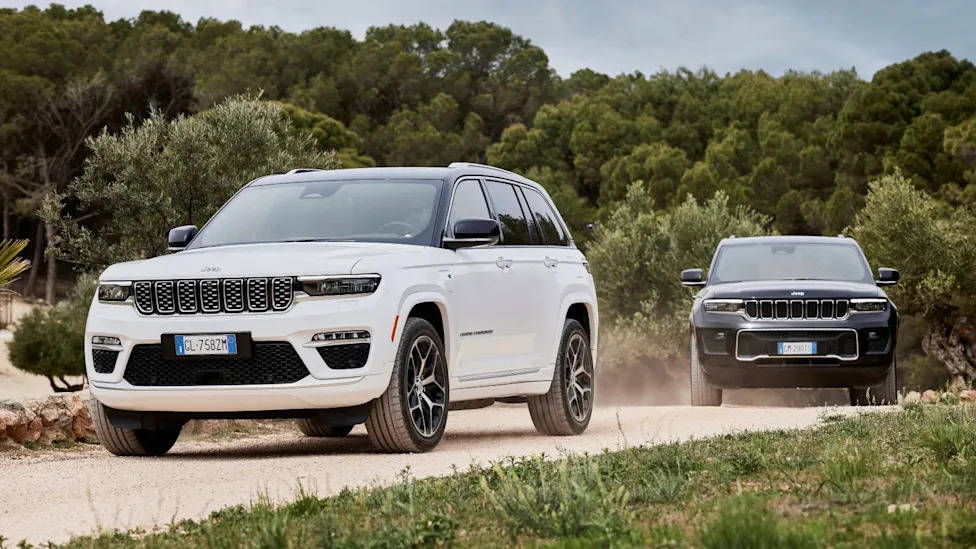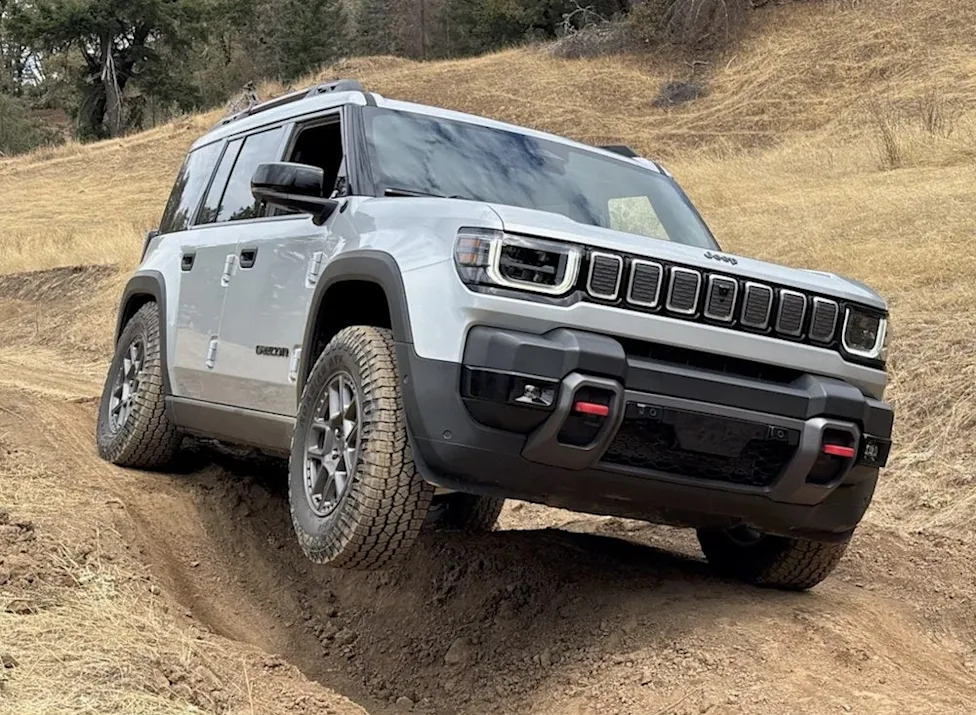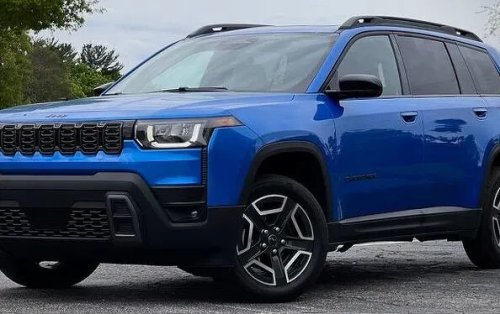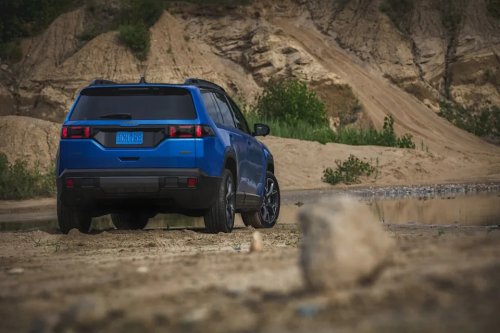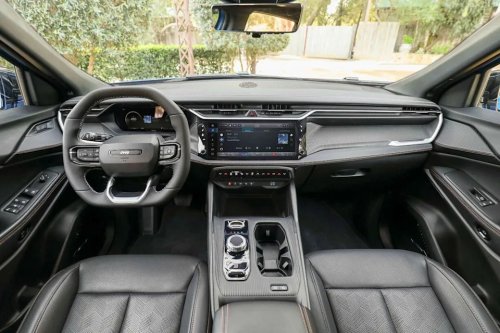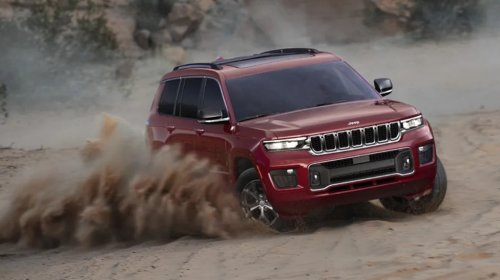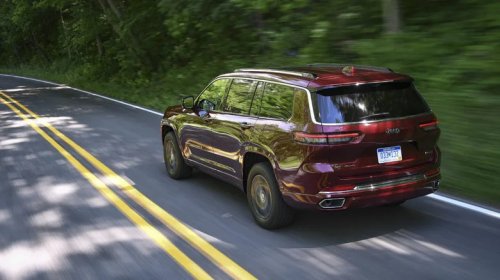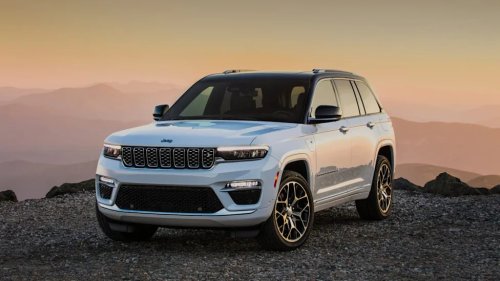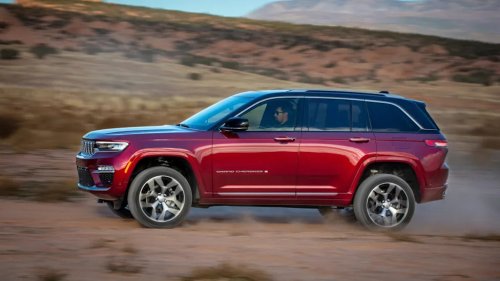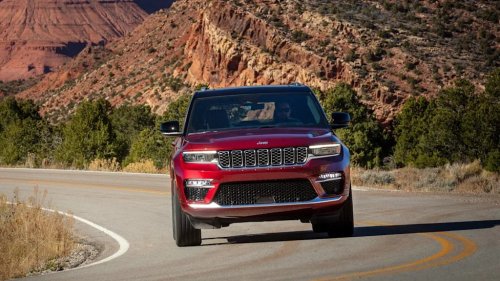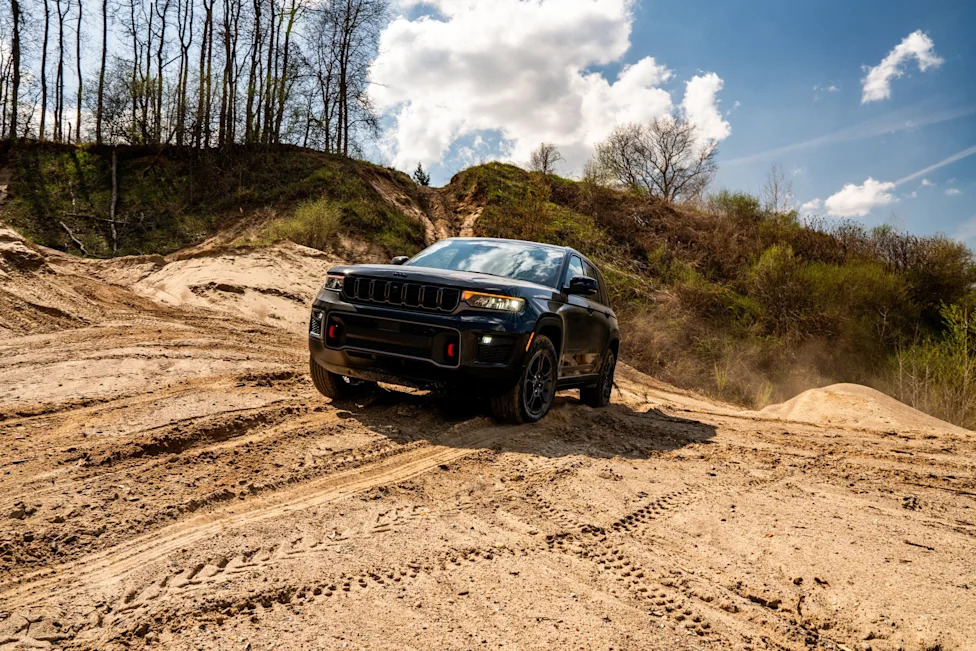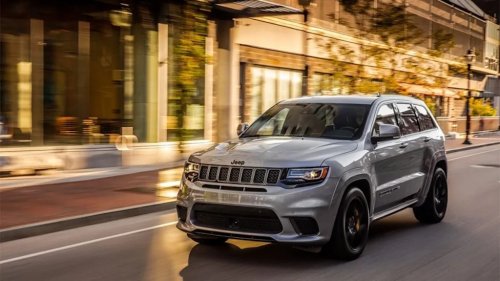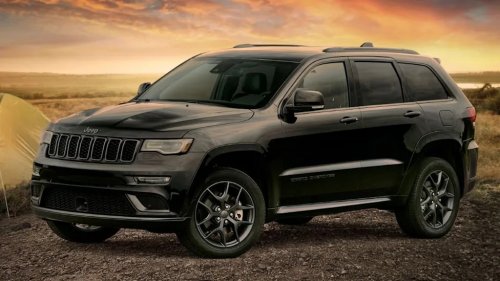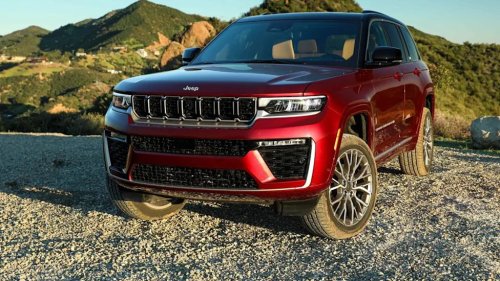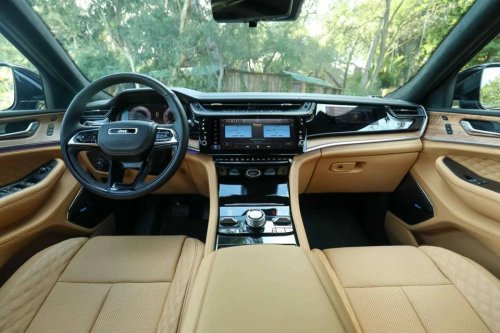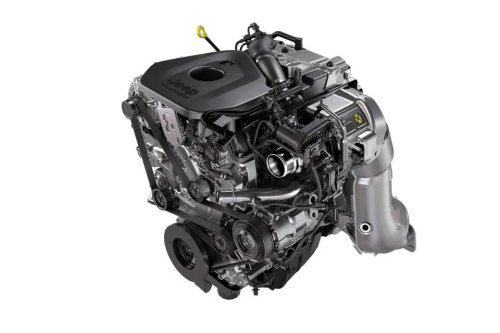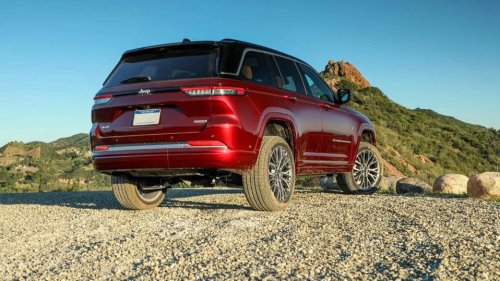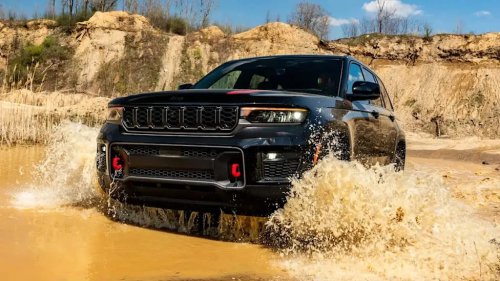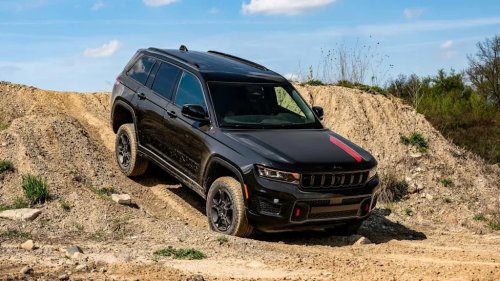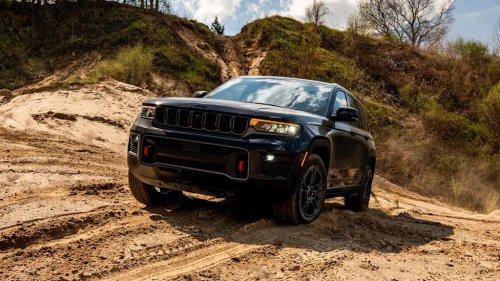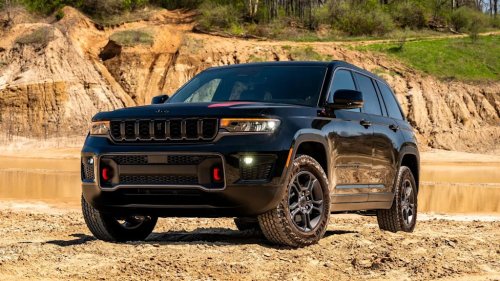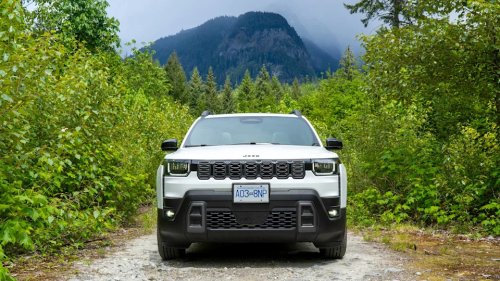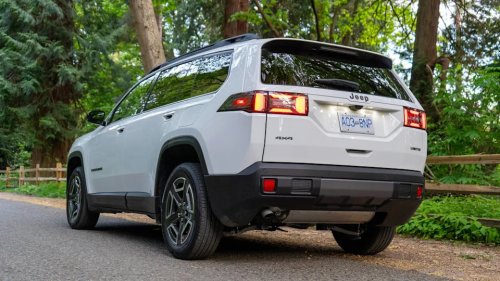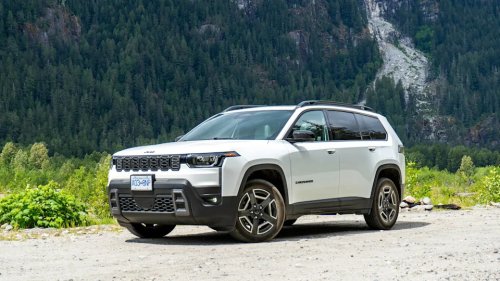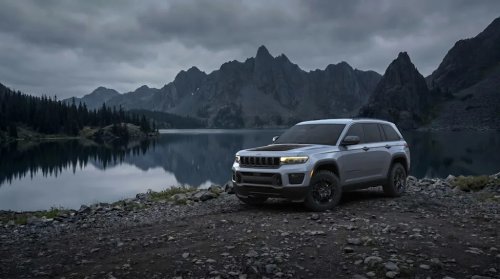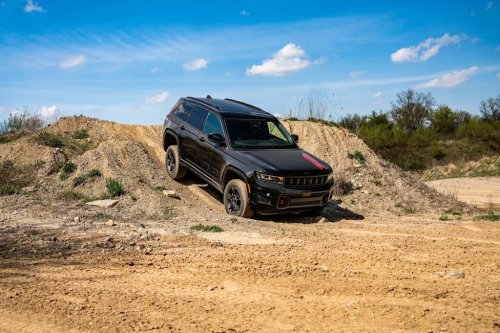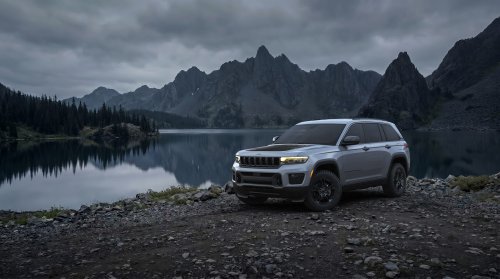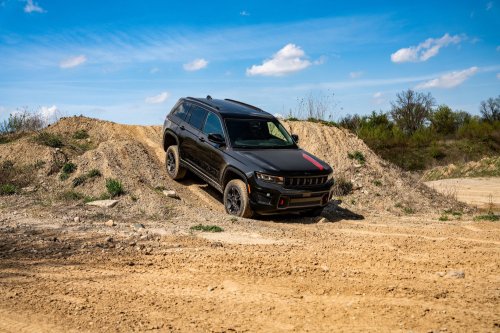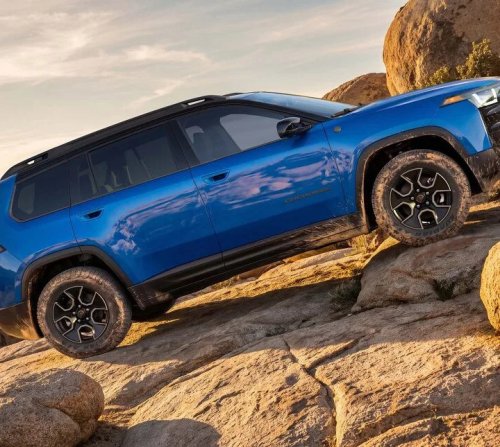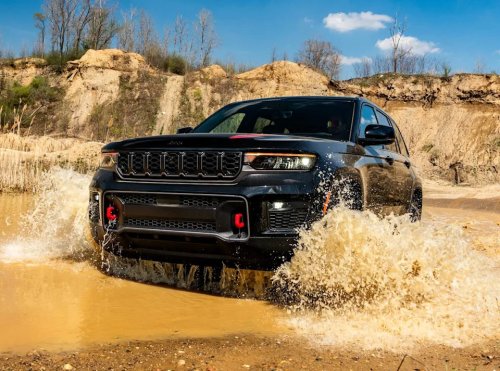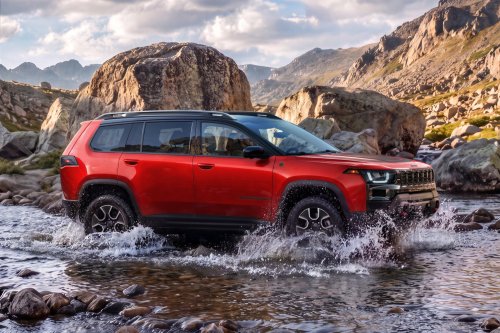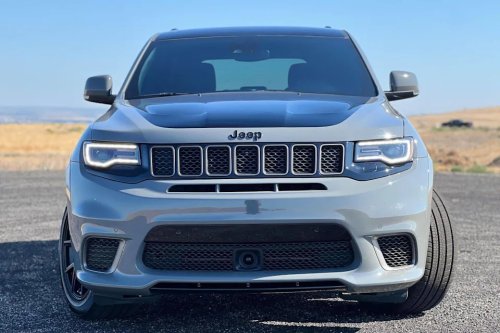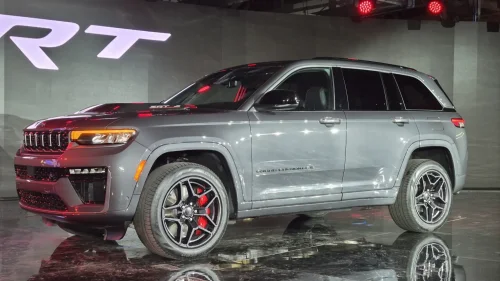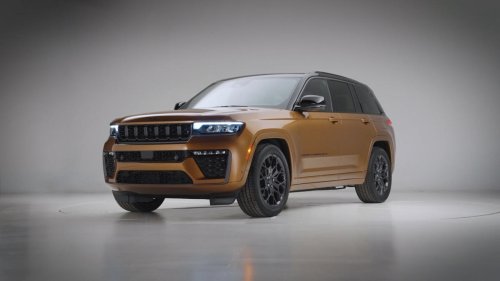
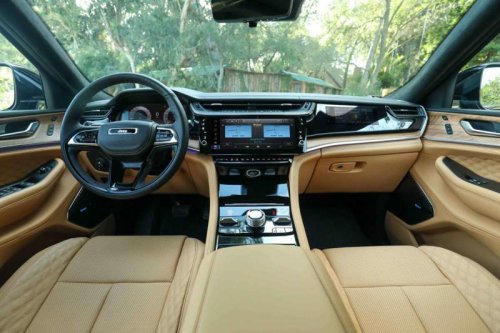
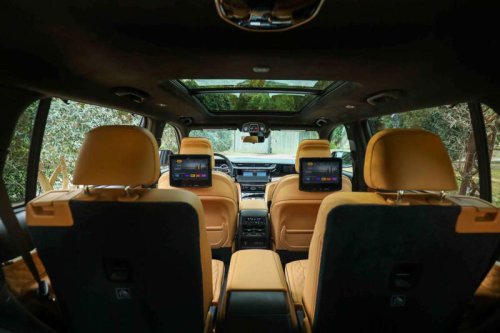
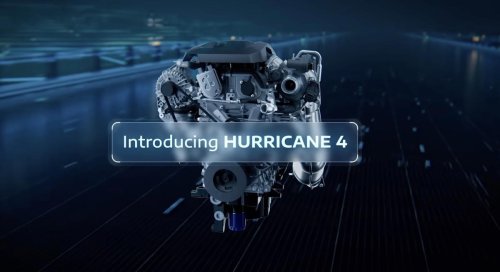
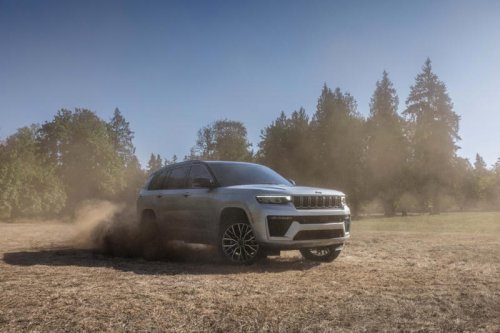
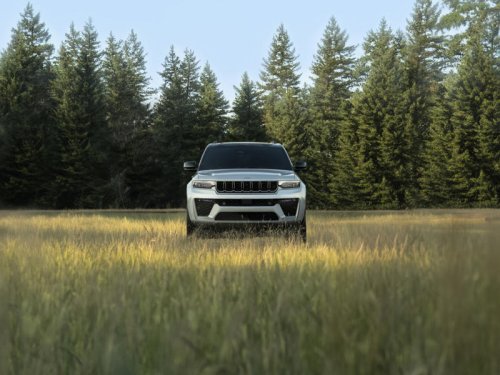


















Sizing up the Jeep Grand Cherokee twinsJeep has a broad SUV lineup in the United States, spanning from the relatively compact and docile Compass all the way up to the plush Grand Wagoneer. Between these extremes is the Grand Cherokee, a midsize model that offers a good mix of power, capability, spaciousness, and value. There are two variations of the Grand Cherokee, including the standard two-row model and the three-row Grand Cherokee L. Here, we’ll dig into the nuances separating the two, helping you decide which one best suits your needs.The Fundamental Difference: Size and Seating Capacity The main difference between the Grand Cherokee and Grand Cherokee L comes down to size. The former is a dedicated two-row SUV, while the Grand Cherokee L has a longer body and wheelbase to free up a third seating row. Only five people can fit in the Grand Cherokee, while up to seven can be accommodated in the Grand Cherokee L. Here’s a look at how their external dimensions compare.The Grand Cherokee L’s length places it alongside several full-size SUVs, but its width matches the standard model. Besides the difference in size, the Grand Cherokee L is also heavier—the base model is 286 pounds heavier than the equivalent Grand Cherokee. Proportionally, the longer model still looks handsome and balanced—it's not nearly as ungainly as the Grand Wagoneer L.Grand Cherokee L Vs. Grand Cherokee: Interior Space Overall, the Grand Cherokee L has an interior passenger volume of 159.1 cubic feet, exceeding the two-row Grand Cherokee, which comes in at 144.6 cubic feet. Front-row passenger space is comparable, but the Grand Cherokee L has slightly more second-row space and the convenience of a separate third row. You also get significantly more cargo space in the three-row SUV.The Grand Cherokee L has standard second-row bucket seats and seating for six, but you can optionally add a second-row bench to increase overall seating capacity to seven. Third-row space in the Grand Cherokee L isn’t huge, but it’s sufficient for smaller kids to get comfortable.Performance: New Engine Option Above V6 For 2026, both models come with the well-known 3.6-liter V6 engine as standard, which produces 293 horsepower and 260 lb-ft of torque. This engine directs power to the rear or all four wheels via an eight-speed automatic transmission. The Grand Cherokee and longer L variant both have a maximum towing capacity of 6,200 lbs.Upper trims benefit from a 2.0-liter four-cylinder turbocharged engine from the Stellantis Hurricane engine family. Producing 324 hp and 332 lb-ft, it easily outmuscles the standard V6, yet is more efficient; Jeep says it has a range of up to 529 miles on a full tank of gas. It also matches the maximum towing capacity of the V6. Being a Jeep, there are more than one 4x4/suspension setups to choose from. This includes the Quadra-Trac II 4x4 system on the top Summit, which is paired with an air suspension for a comfier ride. Economy ratings are similar for two- and three-row models, with both managing up to 23 mpg combined with the 2.0L engine. However, most two-row models get 1 mpg more on the highway than the three-row, due to the latter’s larger size and higher mass.The previously available plug-in hybrid model was discontinued early in 2026, although it was still available in the first part of the 2026 model year.Pricing: Three Rows Will Cost You More Pricing is similar for the two variants of the Grand Cherokee, with the two-row model starting at $38,415, excluding a destination charge of $1,995. The three-row equivalent starts at $40,415, exactly $2,000 more. The same $2k price gap applies to the top Summit trim, which starts at just over $60,000.There’s also no significant feature differences between the two. The Grand Cherokee enjoys the following standard features:Eight-way power-adjustable driver’s seat12.3-inch touchscreenDual-zone automatic climate control4G LTE Wi-Fi hot spotSix-speaker sound systemThe Jeep is far more luxurious at the top of the range, where you can expect features like Nappa leather upholstery, heated/ventilated seats, a dual-pane sunroof, and an integrated off-road camera.Final Thoughts The Jeep Grand Cherokee rates highly in the midsize SUV segment, particularly if you’re after a vehicle that can comfortably handle some off-roading. It also looks and feels more premium than many rivals, particularly upper trims, and the new engine is more competitive than the V6.The decision between the standard Grand Cherokee and larger Grand Cherokee L is straightforward, as the only major differences come down to seating capacity and interior space. The two-row model is better if you want to save some money, but the three-row model is more versatile. Either way, it’s a competent offering in Jeep’s lineup if the Grand Wagoneer is out of reach.