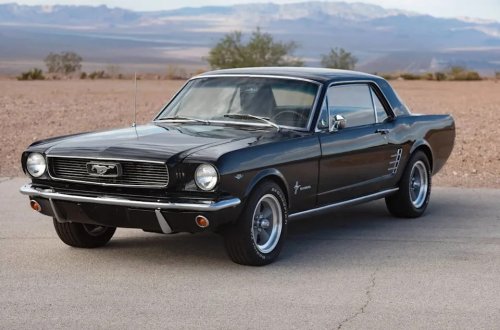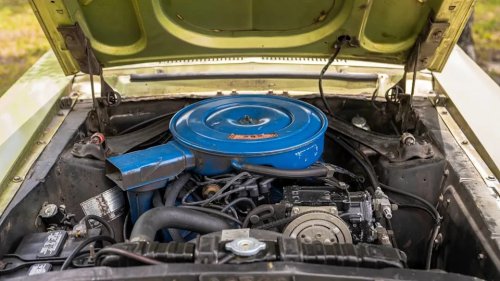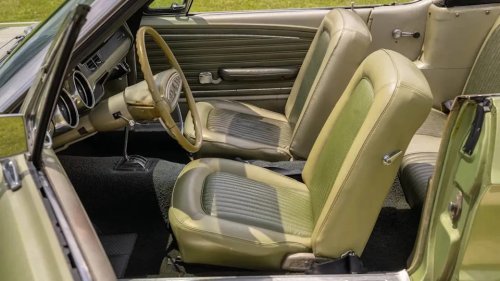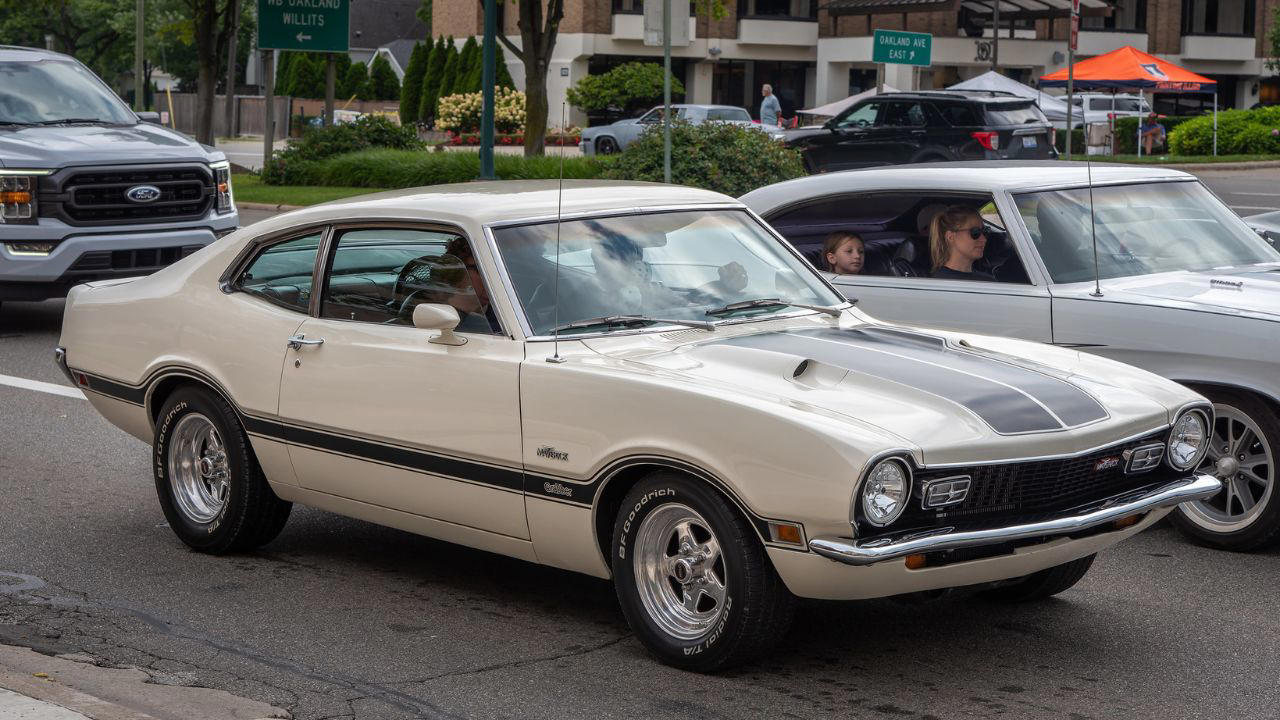


















1970 Ford Maverick vs 1970 AMC Gremlin which one made more sense then and nowIn 1970, two very different American compact cars tried to answer the same question: how to keep drivers from defecting to small imports without asking them to give up Detroit comfort and attitude. The 1970 Ford Maverick and the 1970 AMC Gremlin were born into that fight, one as a cautious evolution, the other as a design gamble that looked like nothing else on the road. More than fifty years later, the way collectors and drivers value these cars helps reveal which strategy made more sense at the time and which one has aged better. Set side by side, the Maverick and Gremlin tell a story about corporate scale, design risk, and what buyers actually wanted from a compact. The Ford Maverick leaned on familiarity and volume, while the AMC Gremlin traded polish for personality and price. Considering their original missions, their period reception, and their present-day values shows how differently those bets have paid off. The market problem both cars tried to solve By the late 1960s, compact imports were no longer a curiosity. Small cars like Beetles were everywhere in North American driveways, a reality still discussed by enthusiasts examining how they were used. Domestic brands needed something cheap to build and cheaper to buy, but also familiar enough that a loyal Ford or AMC customer would not feel like they were abandoning American car culture. Ford already had experience with smaller cars. The company had sold the Falcon and turned the Mustang into a runaway success, as later retrospectives on the compact strategy around the Falcon and Mustang show. That history shaped the Maverick. It was conceived as a new entry-level car that could replace the Falcon, reuse proven mechanical pieces, and still look fresh enough to stand beside a Mustang in the showroom. AMC faced a different problem. Without Ford’s scale or dealer network, AMC had to stand out with something bolder. The company had already shown a taste for risk, and internal and enthusiast accounts describe how AMC never shied away from bold decisions, with the 1970 Gremlin described as one of the company’s most daring moves. That daring took the form of an ultra-short, chopped hatchback that could be engineered quickly and sold for less than imported rivals. Both cars arrived in a United States that was wrestling with changing tastes and economic anxiety. Later cultural commentary on early 1970s America observes that the country was in the middle of an identity crisis, with bellbottoms, political scandal, and shifting social norms all part of the backdrop. In that context, a compact car was not just a tool. It was a statement about how much of the old Detroit excess a driver was willing to give up. Pricing, packaging, and power: what buyers got in 1970 Price was the first and most obvious battleground. The Maverick was introduced as a 1970 model at a very competitive starting price of $1,995, a figure later adjusted to about $16,540 in 2025 dollars. That number undercut many larger domestic cars yet still positioned the Maverick as a step above bare-bones imports. Ford’s pitch was simple: a car that felt like a real Ford, at a price that narrowed the gap with foreign compacts. AMC went even lower. For 1970, Gremlins came in two flavors, and the basic version was priced at a paltry $1,879. That car was a two-passenger model without a rear seat, a configuration suited to buyers focused on cost or cargo space. AMC was effectively telling shoppers that if they could live with a strange shape and a spartan interior, they could save money compared with both imports and the Maverick. Under the hood, both cars leaned on proven six-cylinder engines rather than experimenting with small-displacement fours. Road test coverage of the Maverick described an optional 120 gross horsepower engine, the 200 CID (3.3 L) six, which was frequently paired with a three speed automatic and recommended as a worthwhile upgrade over the base engine. That combination promised American-style torque and simple maintenance, even if it could not match the fuel economy of smaller imported engines. The Gremlin took a similar approach. Engineering analysis of its design points out that AMC reused much of the compact Hornet platform and its drivetrains, which meant familiar inline sixes and a suspension layout that dealers already understood. One breakdown of the Gremlin’s engineering describes the shared parts as “very similar,” which allowed AMC to create a lower-priced subcompact car while still giving buyers the economies of scale of an existing platform. That reuse was not just a cost savings, it was a hedge against the risk of a brand-new small car. Packaging is where the two cars diverged most. The Maverick wore a long-hood, short-deck profile that echoed the Mustang, with rear-wheel drive and a conventional sedan layout. Promotional and historical material about the Ford Maverick note details like the Maverick emblem with a Longhorn cattle icon and period photography from the Ford Heritage Vault, all intended to give a budget car some visual swagger. The Gremlin, by contrast, looked like a hatchback that had been sliced short behind the doors. Enthusiasts describe the AMC Gremlin as an unforgettable design and an unlikely hero of its time, and highlight how it was Designed and released in less than a year. That compressed timeline explains some of the odd proportions but also underscores AMC’s determination to be first among domestic subcompacts. How the Maverick and Gremlin were received in period Period road tests and later commentary suggest that the Maverick may have been more conservative than its marketing promised. One retrospective on the 1970 Ford Maverick notes a critical review from Motor Trend, with writer Dahlquist arguing that the Maverick was not as revolutionary as Ford suggested and that its interior space was only marginally larger than that of a Beetle. That kind of critique hinted at a gap between Ford’s promise of a modern compact and the reality of a car that still felt narrow and dated inside. Yet the Maverick’s overall impact is often described as much larger than its critics admitted. Retrospectives on the Ford Maverick suggest it is one of Ford’s most underappreciated cars, and that its influence on automotive history can still be felt. Those accounts emphasize how the Maverick gave Ford a bridge from the Falcon era into a new generation of compacts, while also providing a cheap platform for later performance and specialty versions. The Gremlin, on the other hand, arrived to a mix of curiosity and mockery. Cultural histories of the car recall how late-night comedians and high school parking lot wisecracks targeted its “peculiar little” shape. At the same time, some modern commentators argue that the car’s weirdness is exactly what won hearts, especially for buyers who wanted something different from the sea of boxy sedans. One video essay explains how the Gremlin’s styling matched the offbeat mood of early 1970s America. Inside AMC circles, the Gremlin is often framed as a bold corporate decision. A discussion of the AMC Gremlin calls it one of the company’s boldest moves and notes how it launched on April Fools’ Day as a kind of inside joke that also carried real financial stakes. The car’s ability to sell in respectable numbers despite its polarizing looks is often cited as proof that AMC’s risk paid off, at least in the short term. Sales figures support that view. Coverage of AMC’s classic car values points out that AMC sold over 670,000 G Gremlins from 1970 through 1978. The same coverage asks how many remain and answers: not many, before adding that You would have to be a special kind of enthusiast to keep one alive. That mix of decent original volume and high attrition has a direct effect on how the Gremlin is valued today. Ford’s production numbers for the Maverick were even larger, and the car quickly became a common sight on American roads. Historical overviews of the Maverick line note that the car enjoyed strong early sales and that its simple mechanics and low purchase price made it a favorite for budget minded buyers. That ubiquity, however, also meant that the Maverick blended into the background in a way the Gremlin rarely did. Which car made more sense in 1970? Judged strictly on 1970 showroom logic, the Ford Maverick was the safer and more rational choice for the average American buyer. It offered a conventional three-box shape, familiar six-cylinder power, and a price that undercut larger Fords without forcing anyone into a two-seat layout or a controversial profile. The fact that the Maverick reused so much Falcon and Mustang hardware, as described in historical analysis of Ford’s compact strategy around the Mustang, meant that dealers knew how to sell and service it. The Maverick also fit neatly into Ford’s marketing machine. The company could position it as the next step in a line that ran from Falcon to Mustang to Maverick, each one a little more modern but still recognizably a Ford. Advertising emphasized that continuity, and the car’s styling echoed the long-hood, short-deck proportions that buyers already associated with sporty Fords. For a family moving out of a tired full-size sedan or a first-time buyer stepping up from a used car, the Maverick looked like a sensible way to join the brand. The AMC Gremlin, by comparison, asked buyers to accept a lot of compromise in exchange for a lower sticker and a more distinctive identity. The basic two-passenger version at $1,879 made sense for a single commuter or a small business that needed a cheap runabout, but it was harder to justify for a family that might need to carry more than two people. The chopped rear, while visually memorable, limited cargo flexibility compared with more conventional sedans and wagons. Yet for a subset of buyers in 1970, the Gremlin may have made more emotional sense than the Maverick. The car’s short length made it easier to park in crowded cities, and its quirky styling signaled a kind of anti-establishment attitude that appealed to younger drivers. Commentary suggests the Gremlin’s odd shape fit the mood of early 1970s youth culture, especially for people who wanted something different from their parents’ cars. From a corporate perspective, both strategies were logical responses to each company’s strengths and weaknesses. Ford used its scale to refine a conventional compact and push it into huge volume. AMC used speed and risk taking to grab headlines with a car that could be engineered quickly and sold cheaply. In that sense, both the Maverick and the Gremlin made sense in 1970, but for different reasons and for different slices of the market. How collectors and drivers value them now Half a century later, the question shifts from which car best answered 1970’s compact problem to which one offers more appeal, value, and usability in the present day. Here, price guides and collector commentary provide a useful baseline. Valuation data for the 1970 Ford Maverick show that the car remains relatively affordable compared with many other period compacts. Condition-based price ranges indicate that even well-preserved examples still sit in a range accessible to younger collectors or enthusiasts looking for a first classic. The same data suggest that special trims and V8 versions command a premium, but the basic six-cylinder cars have not yet seen the kind of explosive appreciation that has hit some muscle cars. Collector-oriented histories note that Mavericks have a modest but growing following in the classic car community. Mavericks are praised for Their simple mechanics, decent parts availability, and relatively low entry cost, all of which make them popular with restorers and younger collectors. That practicality gives the Maverick a clear role as an approachable classic that can still be driven regularly without exotic maintenance. Valuation tools for the 1970 Gremlin show a different pattern. While the car was long treated as a punchline, prices for clean examples have climbed into the range where a solid, low-mileage car can approach or exceed 20,000 dollars, especially for rare trims or exceptionally original survivors. Coverage of the Gremlin’s rise from joke to $20K classic traces that shift, pointing to nostalgia, scarcity, and a reevaluation of AMC’s design bravery as key drivers. The earlier observation that AMC sold over 670,000 G Gremlins but that how many are left is answered with well, not many, helps explain the price bump. High attrition means that surviving cars are rarer than their original production numbers suggest. That rarity, combined with the car’s unique styling, gives it a kind of cult status that the more common Maverick struggles to match. Enthusiast stories about specific cars also influence perception. A feature on a low-mile 1970 Gremlin highlights the rarity of cars with original paint and interior, and how such survivors draw attention at shows precisely because most people assume the model has disappeared. That kind of narrative reinforces the idea that owning a Gremlin is a statement, while owning a Maverick is more about enjoying an honest, unpretentious classic. From a practical standpoint, the Maverick still has advantages. Its conventional sedan layout, smoother ride, and more subdued styling make it easier to live with as a regular driver. Parts support is generally better, and the car’s Ford lineage means that many mechanical components interchange with other models. The Gremlin’s shorter wheelbase and more upright rear can make it feel choppier on the road, and some body and trim parts are harder to source. On the other hand, the Gremlin’s compact size and hatchback-like utility can be an asset in modern traffic and tight parking. For urban owners or those who attend shows in crowded downtown venues, the ability to slip a Gremlin into spaces that would challenge a larger classic is no small benefit. The car’s visual impact also guarantees attention at any event, something that collectors who enjoy conversation and curiosity often value as much as raw performance. Which one makes more sense now? Evaluating these two cars in the present day requires balancing emotional appeal, financial logic, and practical usability. For a buyer who wants a first classic that can be driven frequently, the 1970 Ford Maverick arguably makes more sense. Valuation data for the 1970 Maverick show that prices remain approachable, especially for six-cylinder cars that have not been heavily modified. The car’s straightforward engineering, including the optional 120 horsepower 200 CID six and three speed automatic, suits owners who want to focus on driving rather than hunting for rare parts. The Maverick’s styling has also aged into a kind of understated cool. While it lacks the immediate drama of the Gremlin, its long hood and tidy proportions fit neatly into the current appreciation for 1970s design without screaming for attention. Owners who prefer to blend in at a cruise night rather than become the center of every conversation often gravitate toward cars like the Maverick. For collectors who prioritize uniqueness and story value, the 1970 AMC Gremlin has a stronger claim. Valuation tools for the 1970 Gremlin show that prices for top-condition cars can rival or exceed those of comparable Mavericks, driven in part by the scarcity highlighted in AMC value analysis. The car’s transformation from punchline to 20K classic has become part of its appeal, especially among enthusiasts who enjoy championing underdogs. The Gremlin also carries more cultural weight. Its connection to AMC’s reputation for risk taking, its launch in a period of American cultural upheaval, and its role as a domestic answer to imported subcompacts all make it a favorite subject for video essays and social media nostalgia. Posts that describe the Gremlin as an unforgettable design and an unlikely hero capture why it resonates so strongly with a certain kind of enthusiast. From a pure investment perspective, neither car is a guaranteed winner, but both have room for growth. The Maverick’s underappreciated status, highlighted in video profiles that call the Ford Maverick one of Ford’s most overlooked cars with lasting impact, suggests that the market may still be catching up to its historical significance. The Gremlin’s recent jump from joke to serious collectible raises questions about how much higher prices can climb before the novelty premium levels out. In the end, which car makes more sense depends on the buyer’s priorities. For rational, day-to-day enjoyment with minimal drama, the Maverick’s combination of affordability, parts support, and familiar driving manners is hard to beat. For those who value conversation, rarity, and a car that embodies a specific moment in American automotive history, the Gremlin offers a more intense, if sometimes less practical, experience. Looked at across the full arc from 1970 to the present, the Maverick emerges as the car that made more sense for the average buyer at the time and still makes solid sense as a usable classic. The Gremlin, in contrast, has grown into its role. It may have been the riskier, more polarizing choice in period, but that very oddness has turned it into a cult object that now makes a different kind of sense for enthusiasts who want their garage to tell a story as loud as their exhaust. More from Fast Lane Only Unboxing the WWII Jeep in a Crate 15 rare Chevys collectors are quietly buying 10 underrated V8s still worth hunting down Police notice this before you even roll window down The post 1970 Ford Maverick vs 1970 AMC Gremlin which one made more sense then and now appeared first on FAST LANE ONLY.