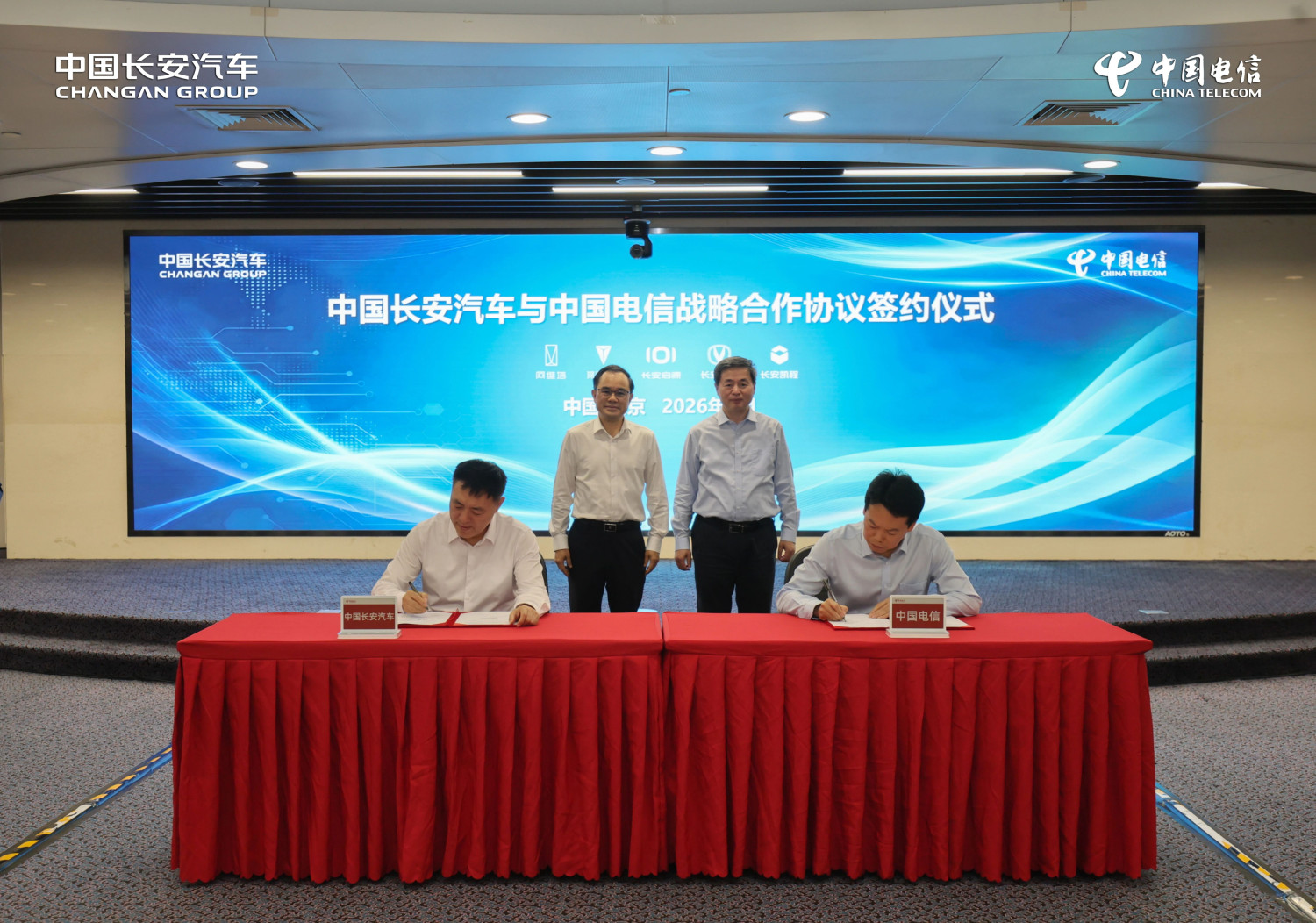
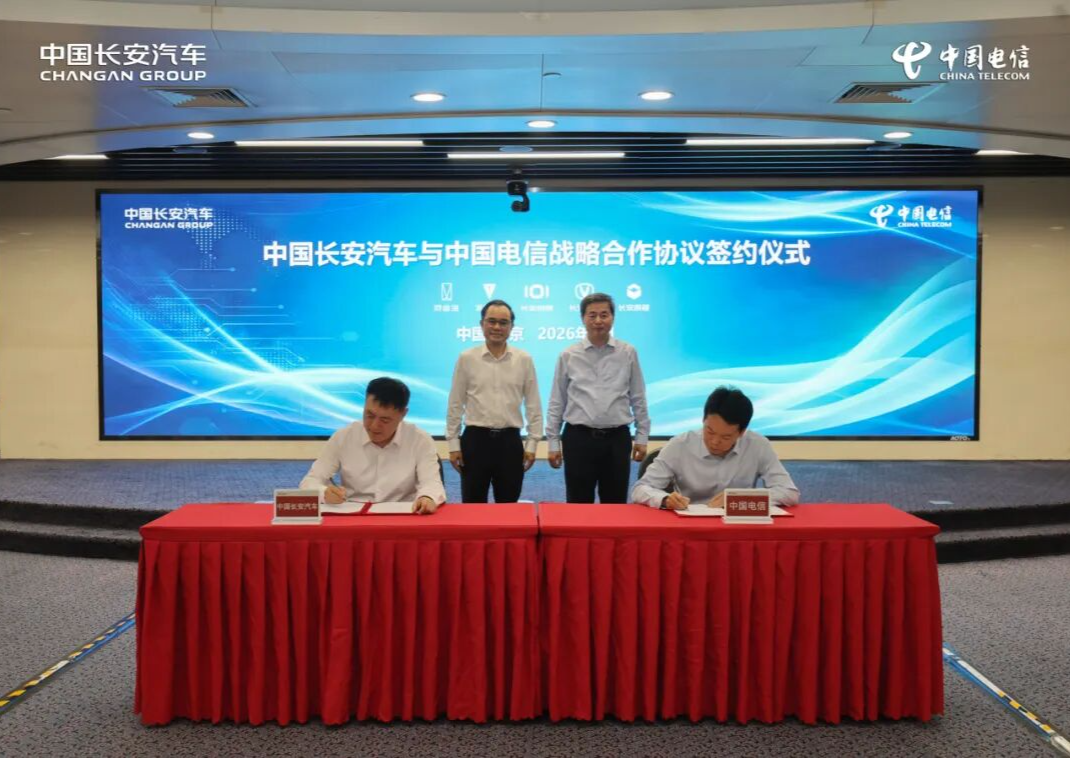
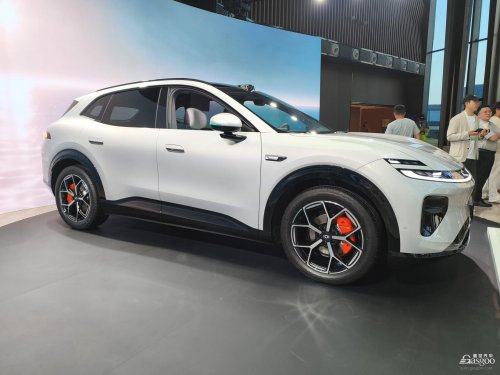
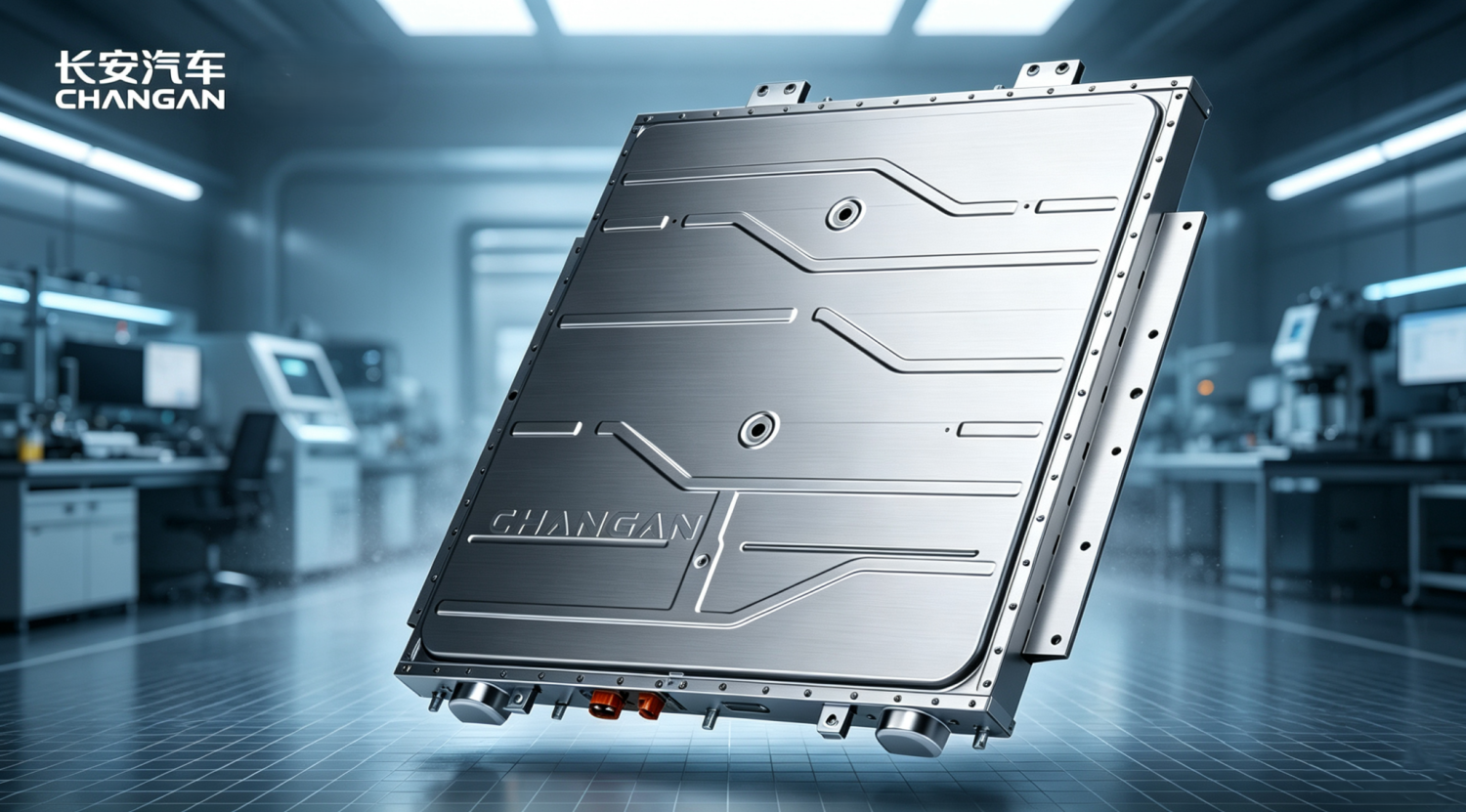
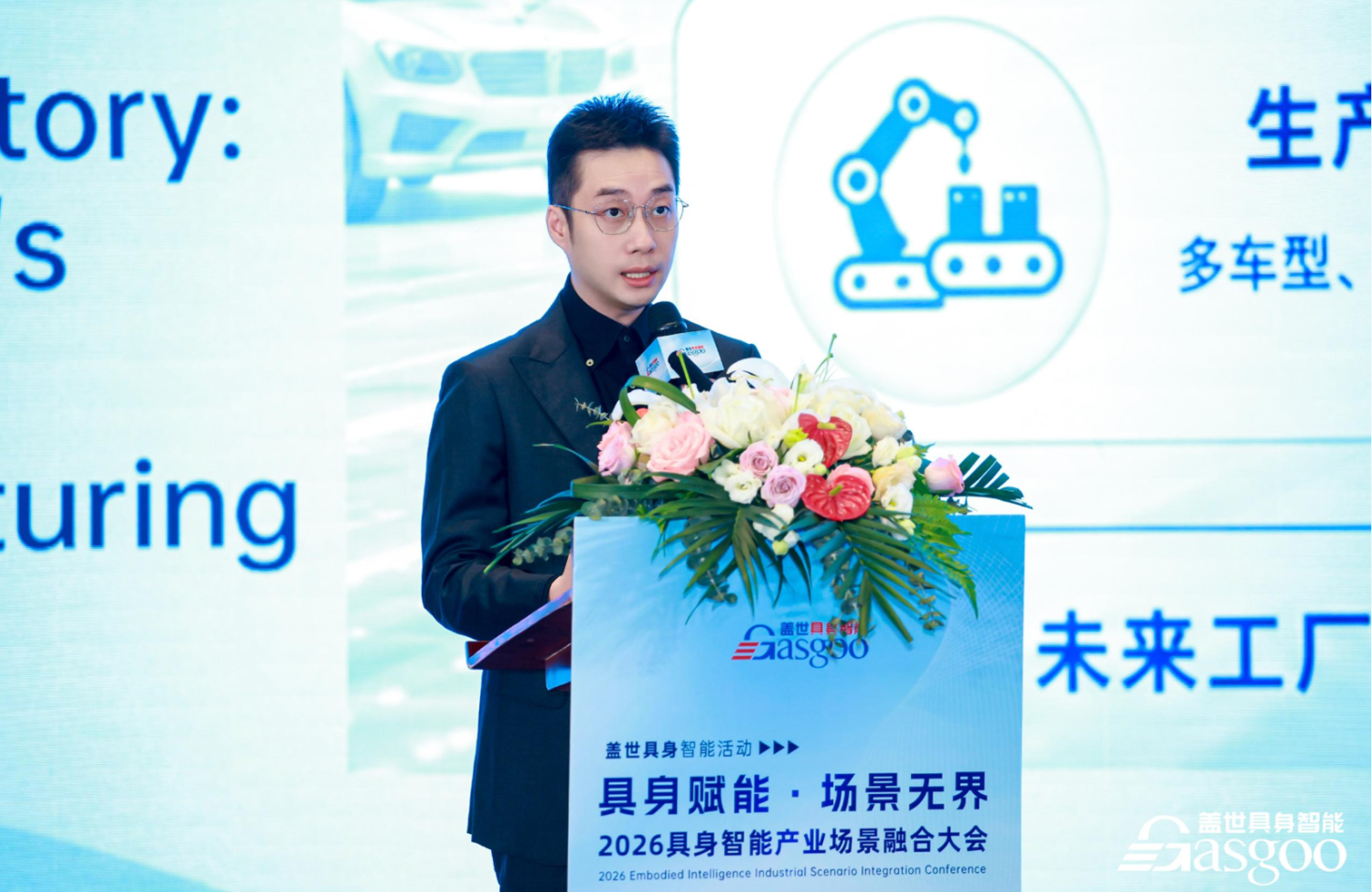
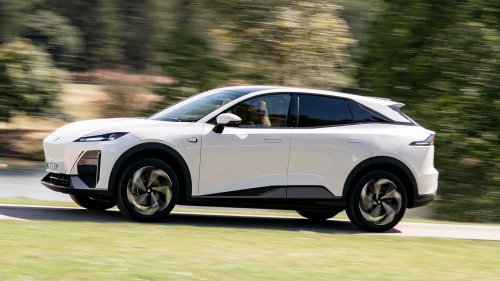
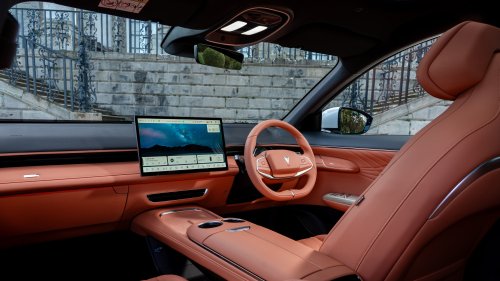
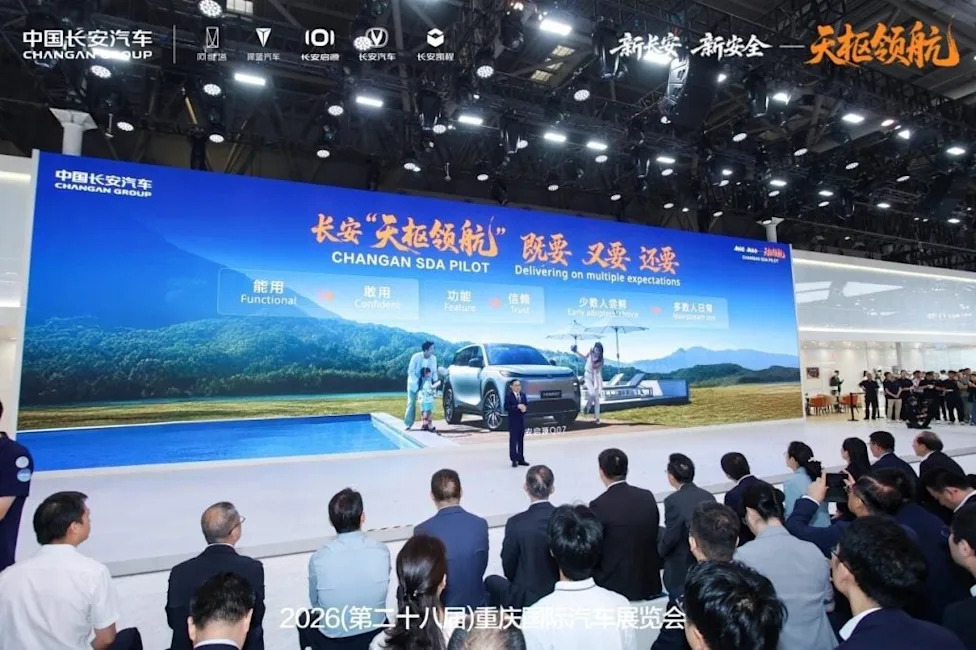
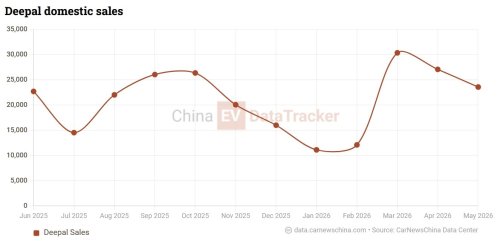
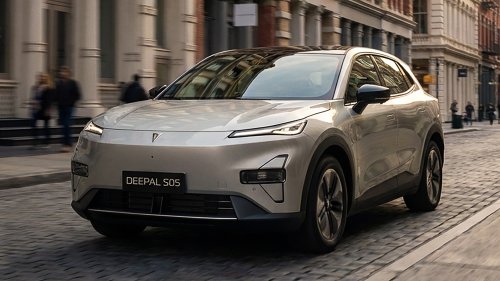
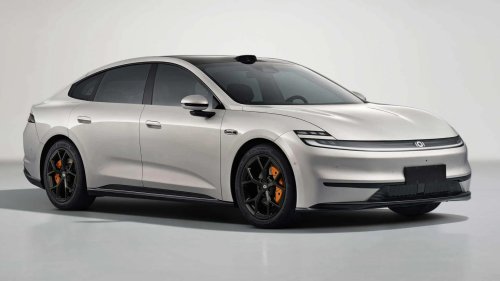
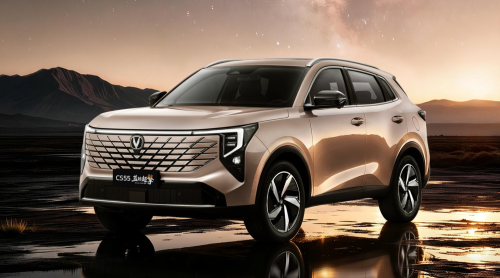
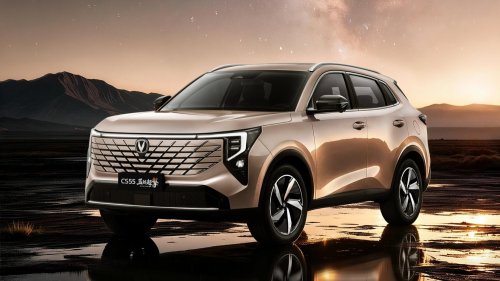
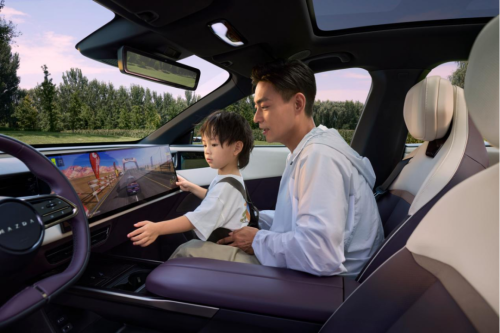
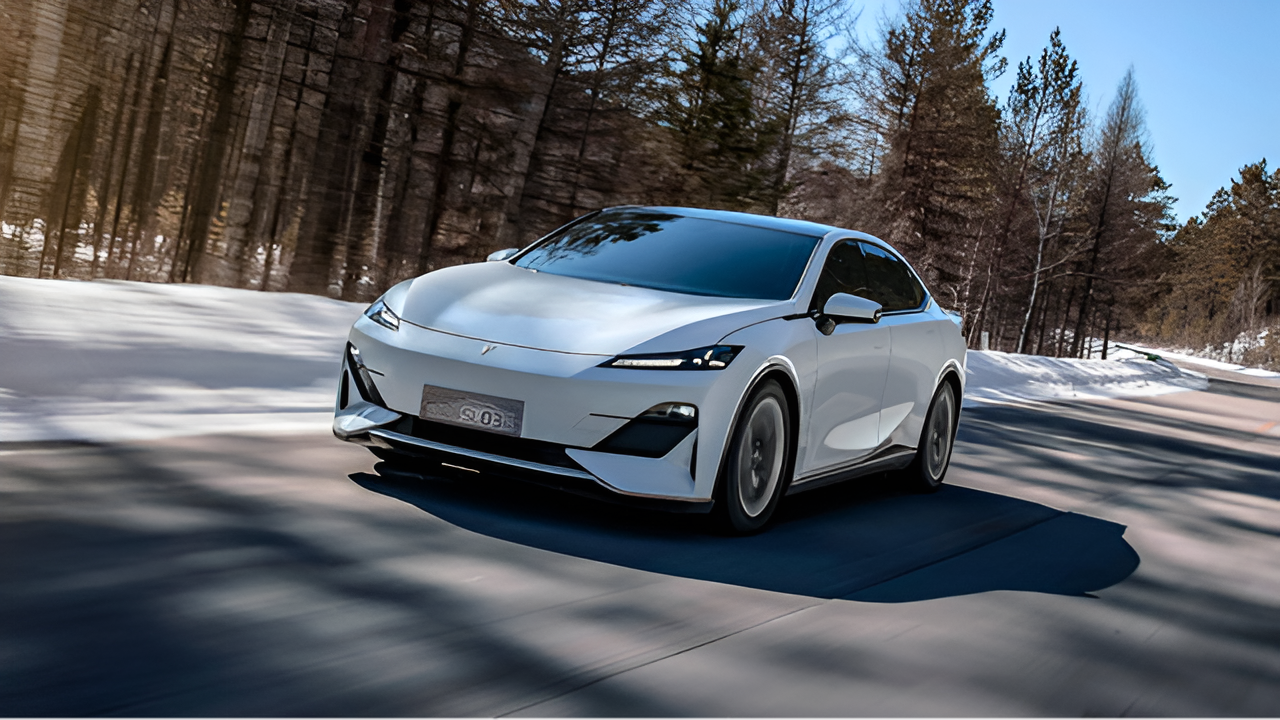
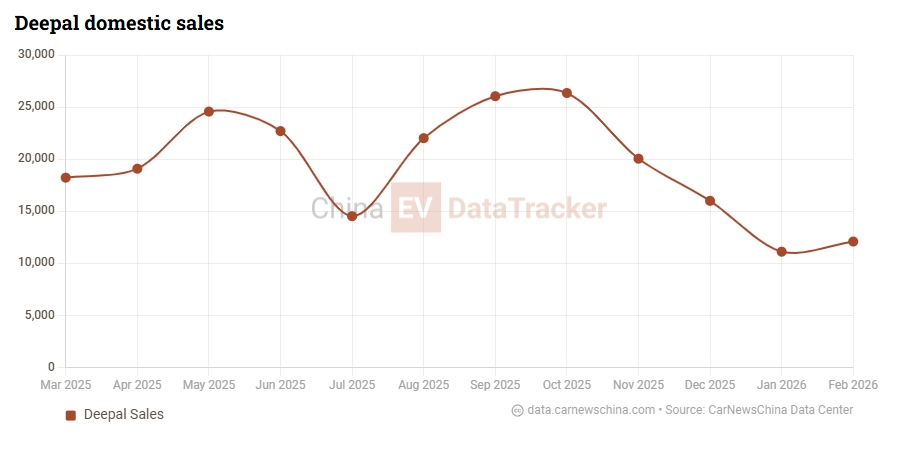
Hydrogen-powered SL03 offers fast refueling and over 700 km range CLTC. Credit: Deepal Understand China EV’s Market Real-time notifications when critical EV data is released All important data in one place 2,000,000+ data points Become a member Deepal’s Global Product Development General Manager, Yu Cheng, said the company’s first-generation fuel cell system has already been commercialised, with multiple performance indicators exceeding industry benchmarks by more than 10%, according to CLS. The system has been installed in the hydrogen-powered version of the Deepal SL03, marking one of the relatively few passenger-fuel-cell deployments by a Chinese automaker. This rollout places Changan among a small group of automakers testing hydrogen fuel cell technology in passenger vehicles, rather than limiting it to commercial fleets. Next-generation system targets cost reduction Changan confirmed that its second-generation fuel cell system is currently under development, with a focus on improving system efficiency while significantly lowering costs. The company specifically highlighted efforts to reduce costs not only in the fuel cell stack but also in hydrogen storage systems, which remain a key cost driver in fuel cell vehicles. No detailed technical specifications were disclosed, but the company said overall performance metrics are expected to reach industry-leading levels. 2027 hydrogen passenger car roadmap Based on current plans, Deepal aims to launch a new fuel cell passenger vehicle in 2027. This would represent a next-generation product following the SL03 hydrogen variant and could reflect improvements in both system efficiency and cost structure. The 2027 timing aligns with broader industry expectations that hydrogen technologies may become more viable later in the decade if cost reductions and infrastructure expansion progress. A CarNewsChina report noted that China’s fuel cell vehicle fleet has reached “around 30,000,” with “core components about 70% localized,” indicating gradual industrial scaling rather than mass adoption. Deepal’s sales in China. Credit: China EV DataTracker Industry push remains selective Fuel cell vehicles remain a niche segment globally, particularly in passenger cars. In China, hydrogen adoption has been concentrated in commercial vehicles such as trucks and buses, where centralised refuelling and predictable routes improve feasibility. Passenger vehicle adoption remains constrained by high system costs and limited hydrogen refuelling infrastructure. Some automakers continue to explore hydrogen in parallel pathways. Another CarNewsChina report noted that Geely’s Galaxy M9 program includes “a hydrogen option” alongside hybrid systems, reflecting continued experimentation rather than a unified shift across the industry. Policy backdrop China continues to support hydrogen development through pilot city clusters and targeted subsidies, but policy direction has not displaced battery electric vehicles as the dominant technology pathway. Changan’s roadmap indicates that hydrogen fuel cell development is proceeding in parallel with battery-electric programs, rather than replacing them.



















 +48 others