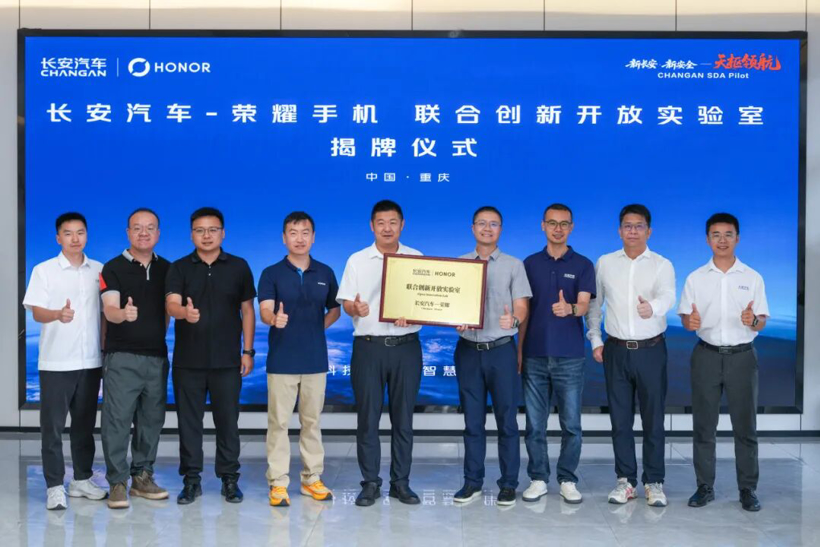
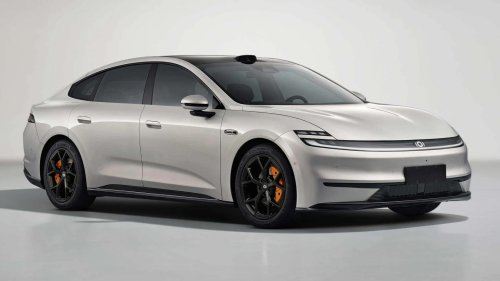
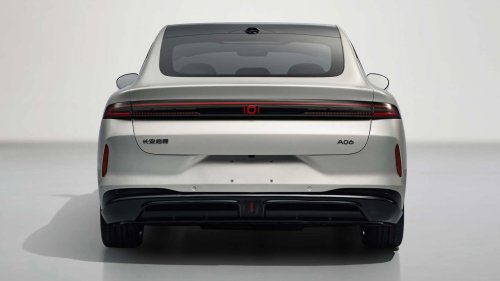
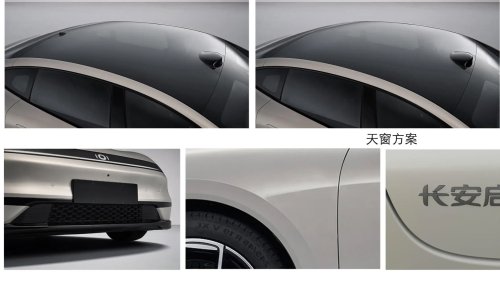
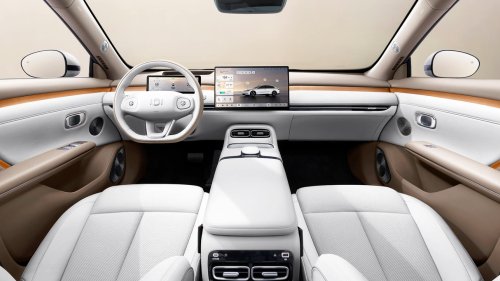
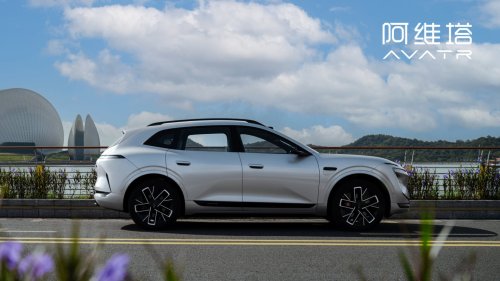
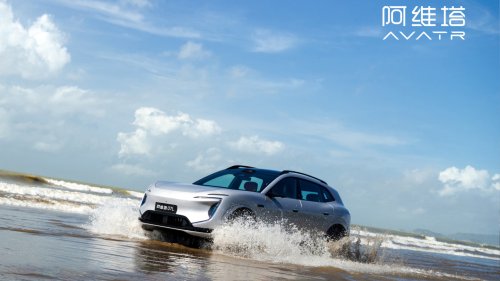
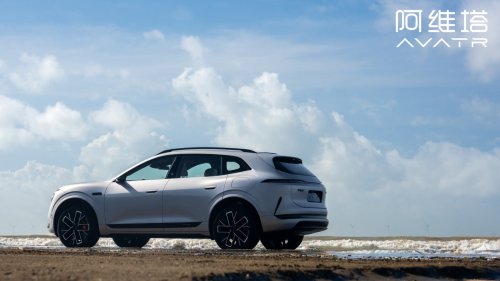
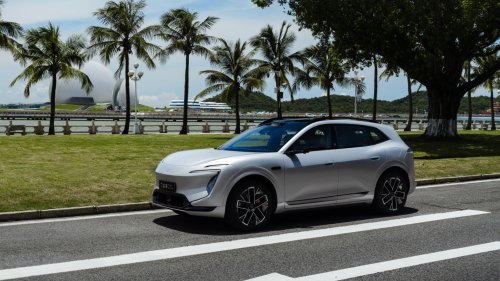
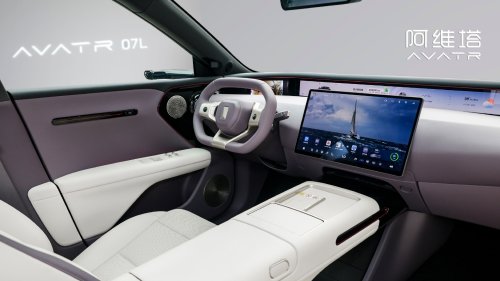
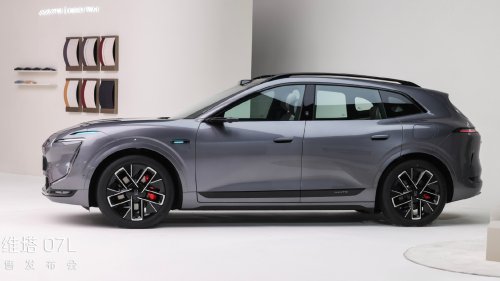
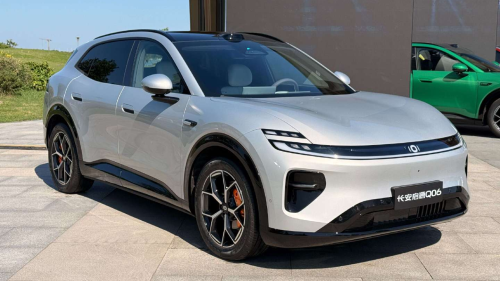
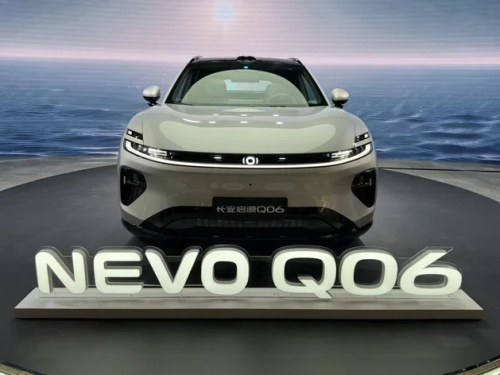
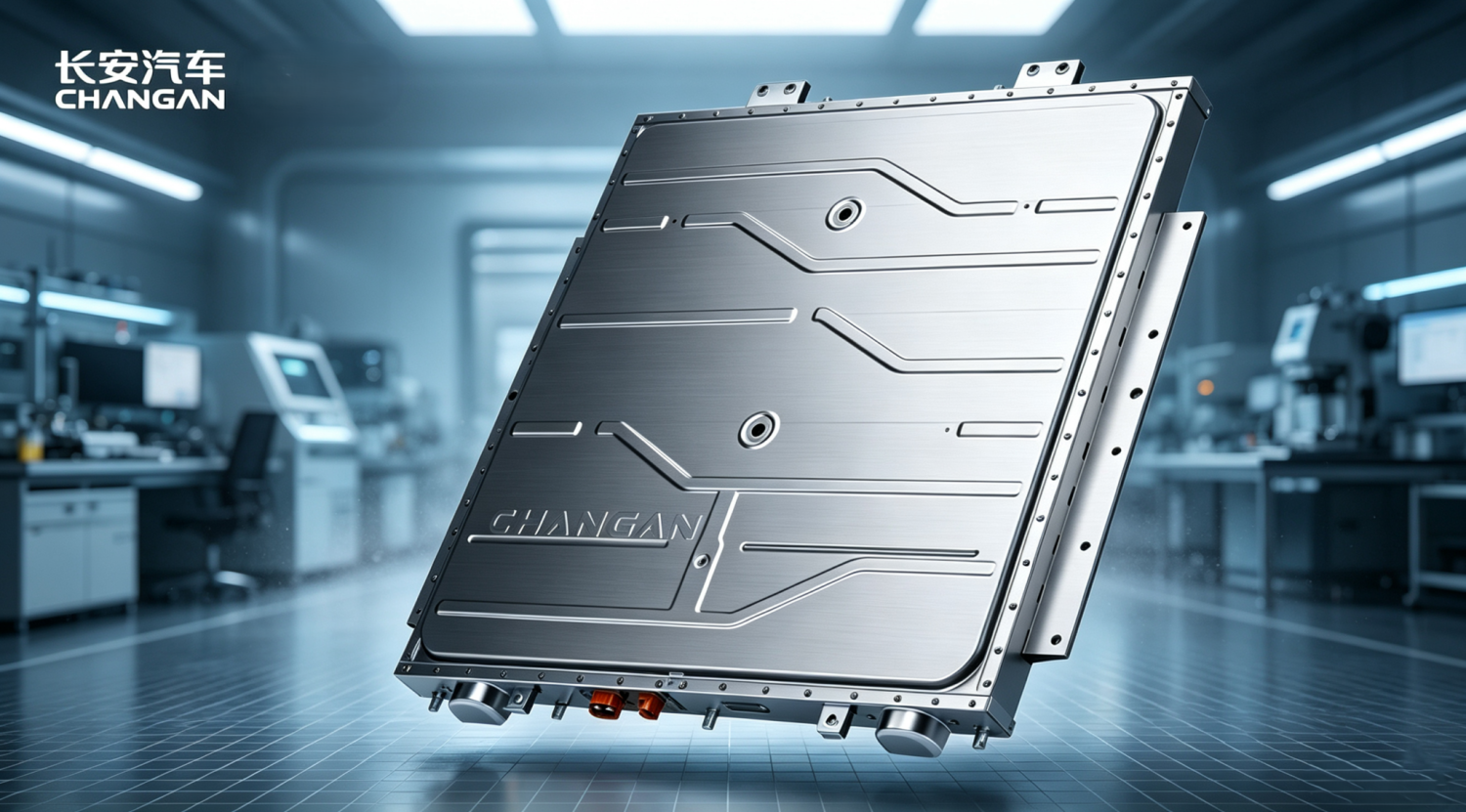
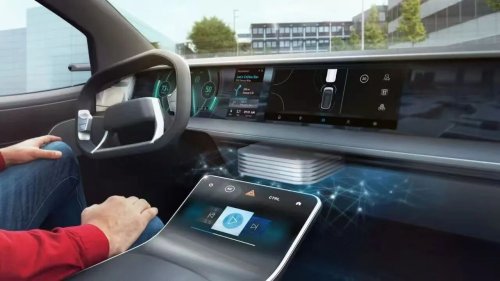
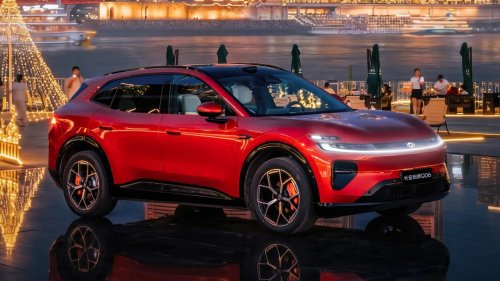
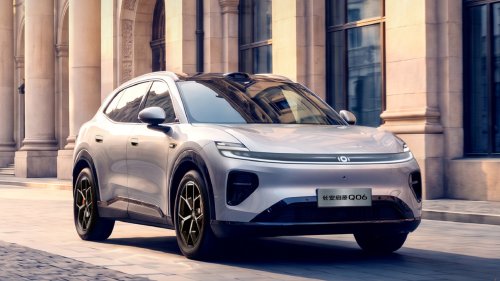
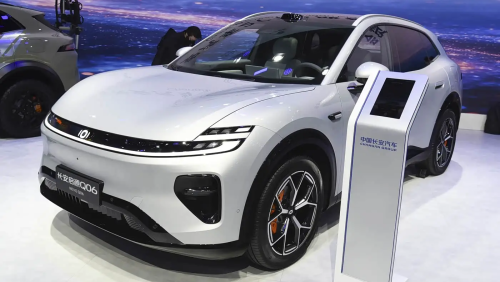
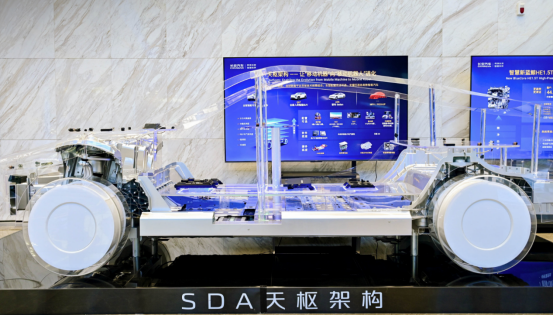
Gasgoo Munich- Changan Automobile's full-stack, in-house Tianshu large model successfully passed the Cyberspace Administration of China's filing for generative AI services in early June. The move signals that this multimodal model, tailored specifically for in-vehicle scenarios, has exited internal testing and secured the necessary regulatory clearance for commercial public deployment.The generative AI filing is a tightly controlled compliance gateway, imposing rigorous standards for data security, algorithm reliability, and technical stability. Industry experts view Changan's successful filing as more than just a certification; it marks a pivotal shift where proprietary in-car AI technology by domestic automakers moves from the laboratory to large-scale commercial deployment, clearing regulatory hurdles for the widespread adoption of smart vehicle interaction and autonomous driving services.Image Source: Changan AutomobileUnlike relying on third-party general-purpose models, Changan is committed to full-stack in-house development to seize control of underlying technology in the era of smart mobility. Smart vehicles have evolved beyond simple transport into iterative mobile intelligent terminals. By developing the Tianshu model in-house, Changan can deeply integrate it with its electronic architecture and autonomous driving systems, achieving seamless hardware-software fusion and avoiding the fate of becoming a mere contract hardware manufacturer.Furthermore, an in-house approach enables closed-loop management of core data such as road driving behavior and user interactions. This not only safeguards user privacy but also allows the model to be continuously refined using real-world vehicle data, building a proprietary technological moat. The result is smart cockpit and autonomous driving features that are better calibrated to complex road conditions—such as those in Chongqing—and the broader needs of daily commuters.As the leading automaker in Chongqing, Changan has mastered core technologies in AI algorithms, computing power, and data processing. This push is extending the industrial supply chain from hardware manufacturing into high-value software development and intelligent algorithms. It is expected to attract more AI, big data, and computing enterprises to Chongqing, continuously refining the city's smart vehicle ecosystem and injecting hard-core technological momentum into the industry's transformation and upgrade.



















 +36 others