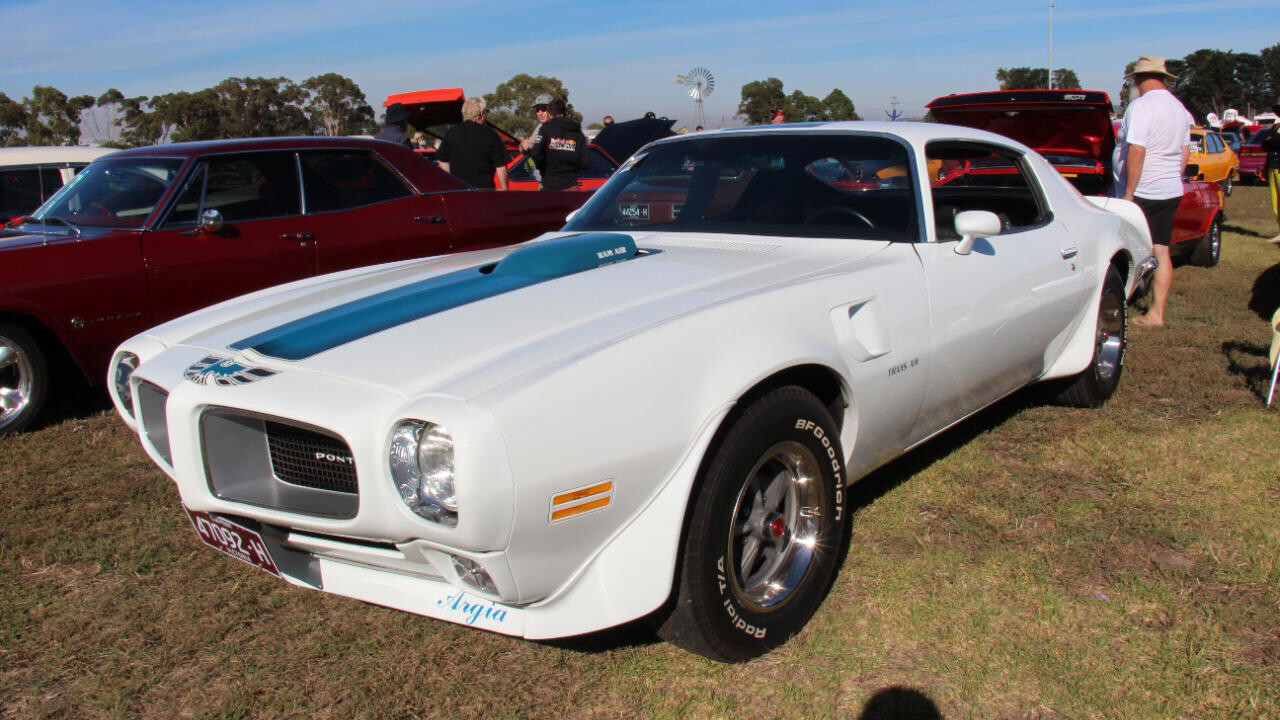
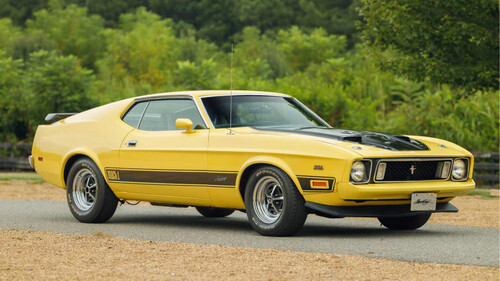
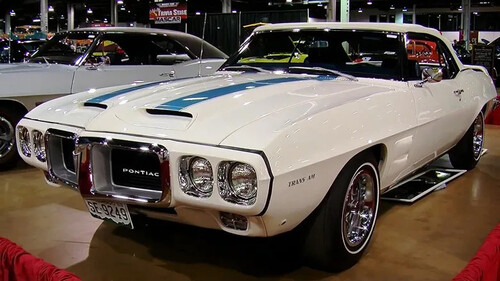
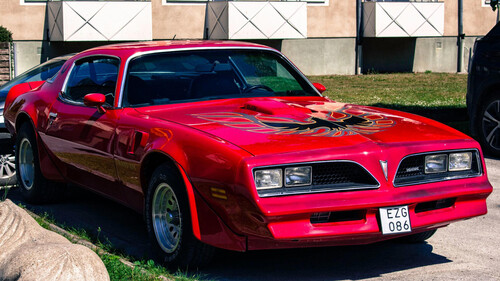
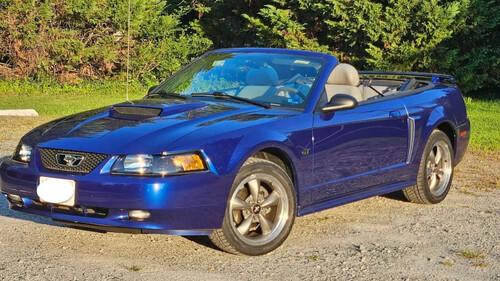
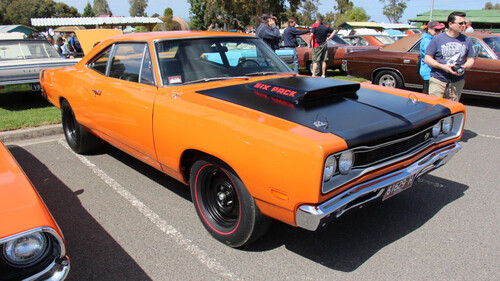
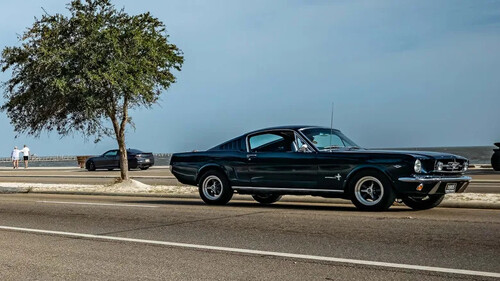
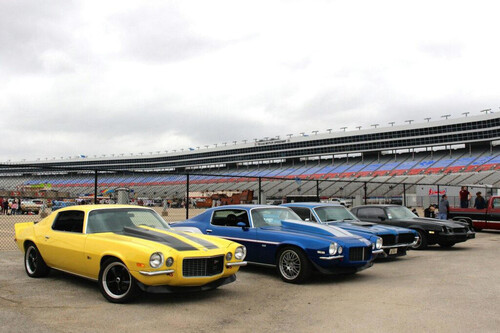
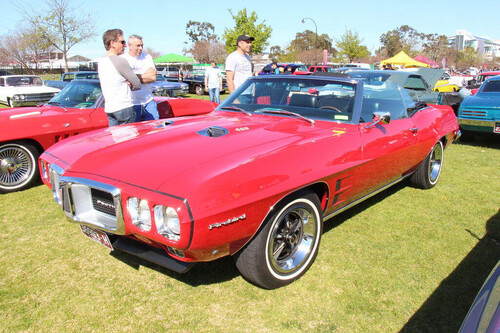
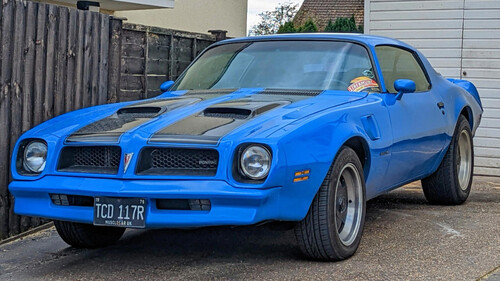
The 1970 Pontiac Firebird Trans Am delivered performance that rivaled bigger muscle carsThe 1970 Pontiac Firebird Trans Am stands as a remarkable example of American muscle, delivering exhilarating performance that often rivaled its larger competitors. With its distinctive design and powerful engine options, the Trans Am quickly made a name for itself in a fiercely competitive automotive landscape. Historical Context of the Muscle Car Era The muscle car phenomenon of the late 1960s and early 1970s was characterized by a fierce competition among manufacturers to produce vehicles that combined power, speed, and style. This era witnessed the birth of some of the most iconic American cars, as manufacturers sought to attract a youthful demographic eager for performance on the open road. Social and economic factors, including the post-war boom and a growing culture of car enthusiasts, played a pivotal role in shaping the designs and capabilities of these vehicles. Pontiac emerged as a key player in this landscape, thanks in part to its innovative marketing strategies and commitment to performance. The introduction of the GTO in 1964 marked Pontiac’s entrance into the muscle car segment, setting the stage for future offerings, including the Trans Am. The company’s focus on performance, coupled with an understanding of consumer desires, allowed Pontiac to carve out a significant niche in the muscle car market. As gas prices fluctuated and environmental concerns began to emerge, the competition intensified, forcing manufacturers to innovate continually. Design and Aesthetics of the 1970 Trans Am The 1970 Pontiac Firebird Trans Am is celebrated not only for its performance but also for its striking design. The most recognizable feature is undoubtedly the iconic “screaming chicken” hood decal, which became a symbol of the model. This bold graphic, paired with vibrant color options like the classic “Lucerne Blue” and “Cameo White,” ensured that the Trans Am stood out on the road. The aggressive stance, wide body, and prominent front grille contributed to its muscular appearance, appealing to enthusiasts who valued both aesthetics and performance. Inside, the Trans Am did not skimp on comfort or sportiness. The interior featured high-backed bucket seats, a driver-oriented dashboard, and an array of gauges that emphasized its sporty character. Pontiac aimed to create an environment that was not only functional but also stylish, offering options like wood grain accents and distinctive stitching. Compared to contemporaries like the Chevrolet Camaro and Ford Mustang, the Trans Am’s interior design was often viewed as more upscale, catering to drivers looking for a blend of performance and comfort. Performance Specifications Under the hood, the 1970 Trans Am offered impressive engine options that contributed to its reputation as a performance powerhouse. The standard engine was a 400-cubic-inch V8 that produced a formidable 335 horsepower and 420 lb-ft of torque. This engine was capable of propelling the car from 0 to 60 mph in just over six seconds, positioning it as a serious contender against larger muscle cars of the time. Enthusiasts could also opt for the high-performance 455-cubic-inch V8, which pushed the limits further, producing up to 375 horsepower. The choice of transmissions also played a significant role in the driving experience. Buyers could select between a standard four-speed manual or a three-speed automatic transmission, allowing for a degree of customization based on personal preferences. The manual transmission offered a more engaging experience, which many performance-minded drivers preferred, while the automatic provided ease of use for those who favored a more relaxed driving style. Engineering Innovations The engineering behind the 1970 Trans Am was a key factor in its superior handling and ride quality. Pontiac employed a robust chassis and advanced suspension design that worked in harmony to enhance performance. The use of a front subframe, combined with a rear leaf spring suspension, allowed for better weight distribution and improved stability during high-speed cornering. This design was crucial, as it enabled the Trans Am to handle better than many of its larger competitors, which often prioritized raw power over agility. Aerodynamics also played a significant role in the Trans Am’s performance. The design of the body was not only visually appealing but also functional, reducing drag and improving fuel efficiency. Features like power steering and power brakes were introduced to enhance drivability, making the car easier to maneuver despite its size. These innovations contributed to a driving experience that balanced performance with comfort, allowing drivers to enjoy both spirited drives and daily commutes with ease. The Trans Am in Motorsports The 1970 Trans Am made a notable mark in the world of motorsports, particularly through its participation in the SCCA (Sports Car Club of America) racing series. The Trans Am was not just a showroom star; it also proved its mettle on the track. With drivers like Jim Hall and Donahue behind the wheel, the Trans Am achieved significant victories, enhancing its reputation as a performance machine. These wins translated into increased visibility and desirability for the model, as enthusiasts sought to emulate the success they witnessed in racing. Key victories in the racing circuit helped solidify the Trans Am’s standing among muscle cars. The success in motorsports not only boosted the car’s street cred but also influenced the engineering and performance features of subsequent models. The legacy of performance established in the 1970 Trans Am can be seen in Pontiac’s commitment to racing and performance innovation long after this iconic model was discontinued. Comparison with Larger Muscle Cars When pitted against larger competitors like the Chevrolet Camaro and Ford Mustang, the Trans Am held its own in terms of performance. While these cars boasted larger engines and more raw horsepower, the Trans Am’s smaller size and lighter weight provided it with a unique advantage in handling and agility. This characteristic made the Trans Am particularly appealing to drivers who valued a responsive driving experience over sheer power. Customer preferences during this era began to evolve, as many buyers started to appreciate the benefits of a smaller, more agile vehicle. The Trans Am capitalized on this shift, positioning itself as a performance-oriented option that didn’t sacrifice maneuverability. Pontiac’s marketing strategies effectively communicated these advantages, further solidifying the Trans Am’s place in the competitive landscape of muscle cars. Legacy and Collectibility The 1970 Pontiac Firebird Trans Am has secured its status as a classic car, with a loyal following of collectors and enthusiasts. Factors contributing to its collectibility include its limited production numbers and the distinctive features that set it apart from other muscle cars of the era. As time has passed, the demand for well-preserved models has increased, with prices for pristine examples climbing steadily in the collector market. The impact of the Trans Am on subsequent generations of Pontiac vehicles cannot be overstated. It paved the way for future iterations, setting performance benchmarks that the brand would strive to meet in the years to come. Today, enthusiasts and collectors alike celebrate the 1970 Trans Am as a symbol of an era marked by innovation, power, and distinctive American style. Current market trends indicate a robust interest in classic muscle cars, making the Trans Am a sought-after piece for any serious collector. Final Thoughts on the 1970 Trans Am’s Impact The 1970 Pontiac Firebird Trans Am reshaped the perception of smaller muscle cars, proving that performance and style could coexist in a compact package. Its legacy endures not only in the realm of classic cars but also in the hearts of automotive enthusiasts who appreciate its unique blend of power, design, and racing heritage. The Trans Am’s influence continues to resonate, reminding us that sometimes, less is more when it comes to the thrill of the drive. More from Fast Lane OnlyUnboxing the WWII Jeep in a Crate15 rare Chevys collectors are quietly buying10 underrated V8s still worth hunting downPolice notice this before you even roll window down