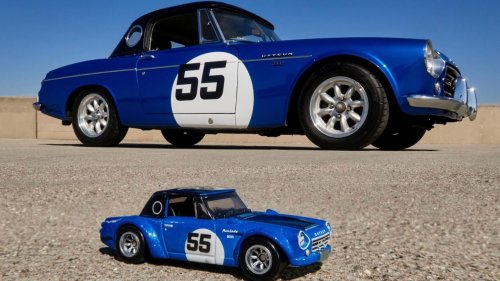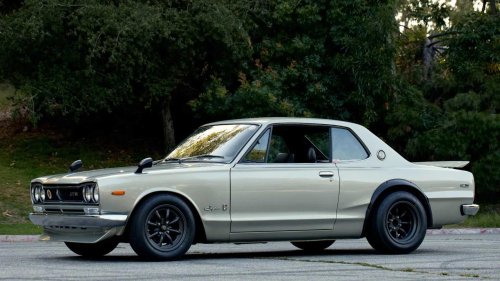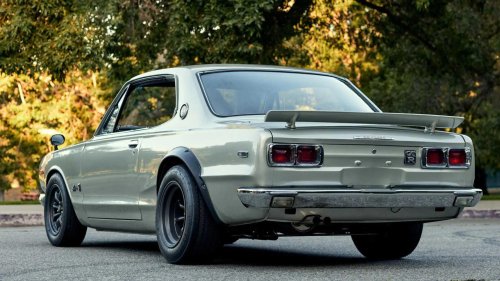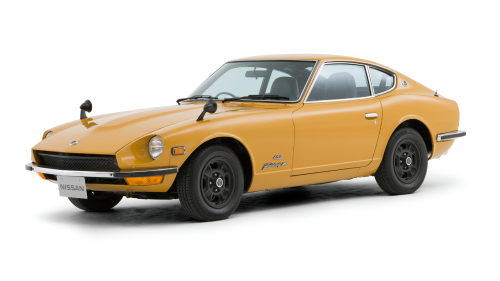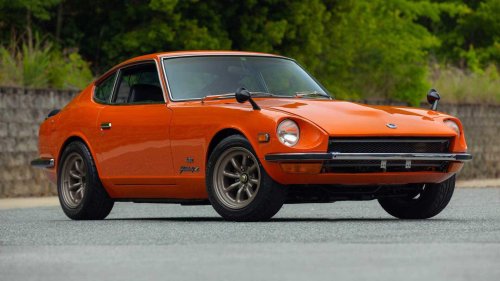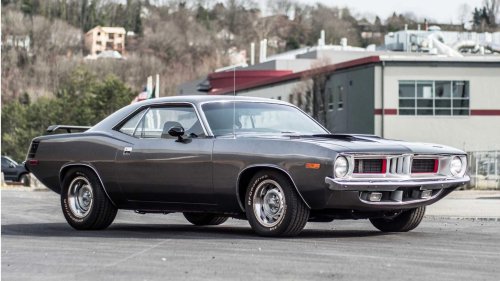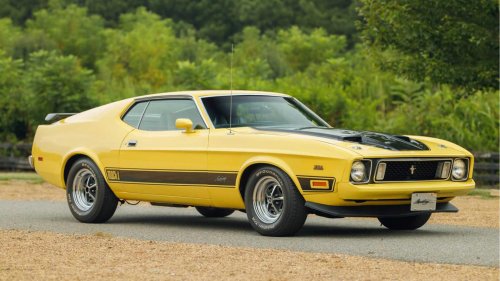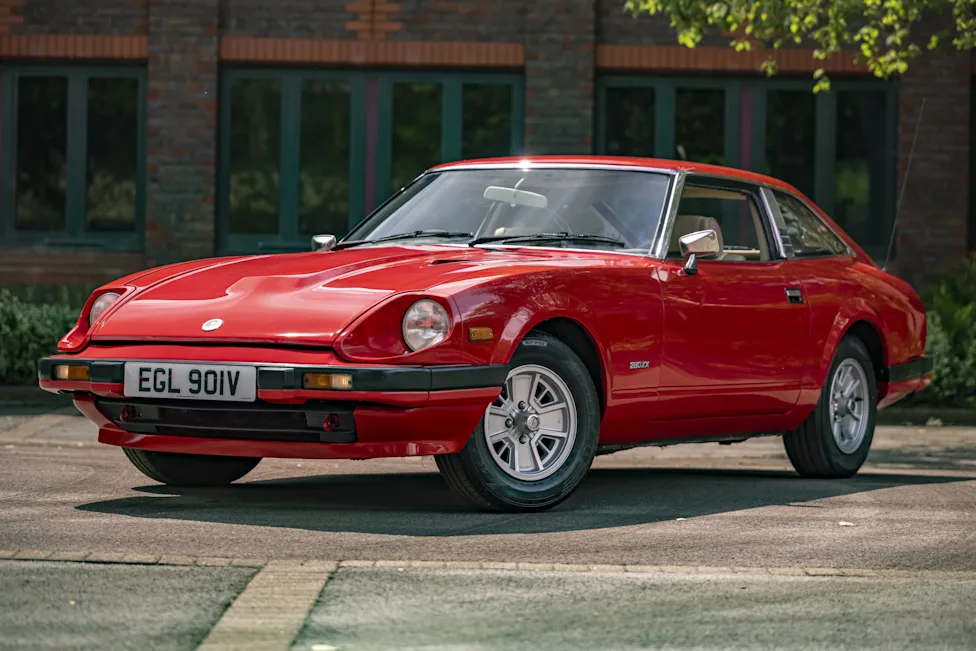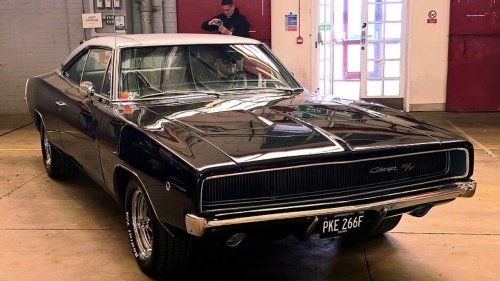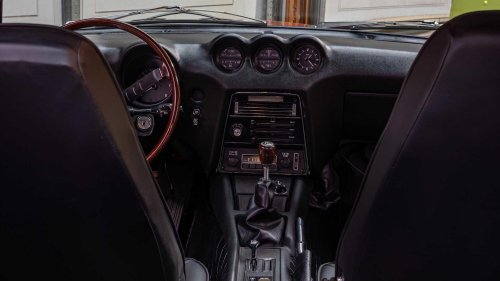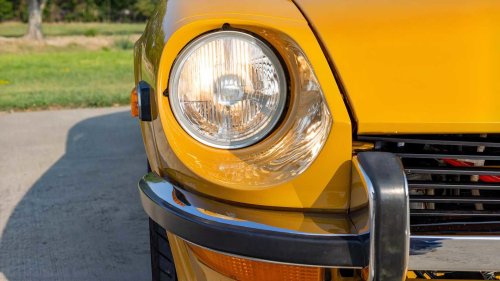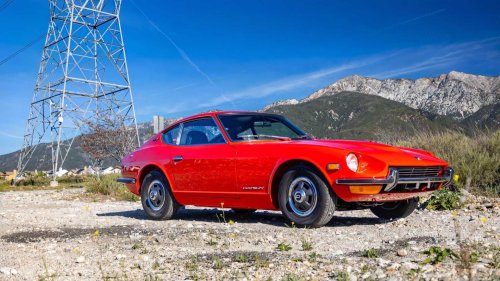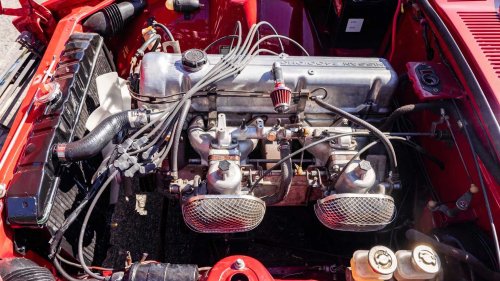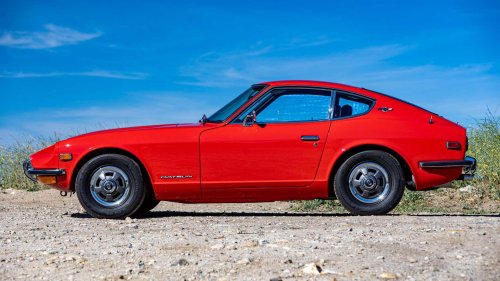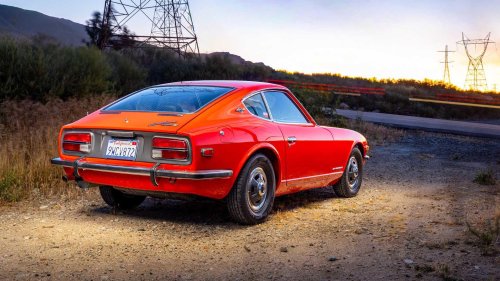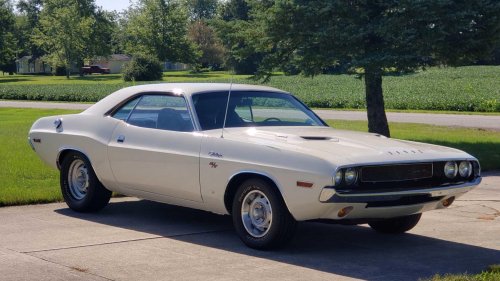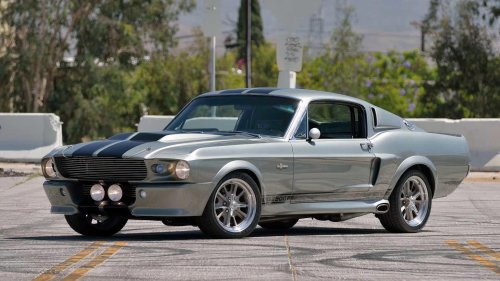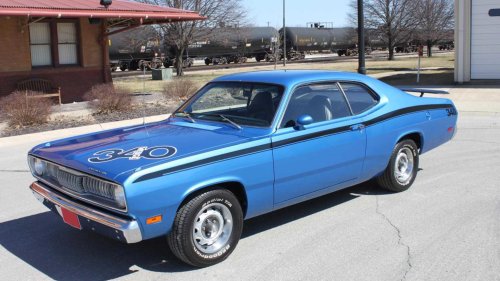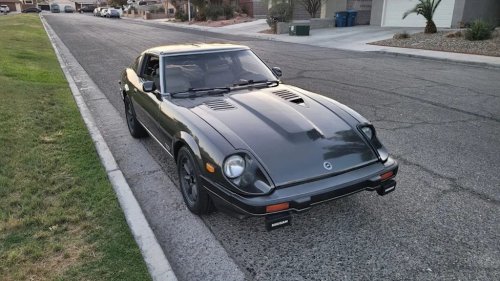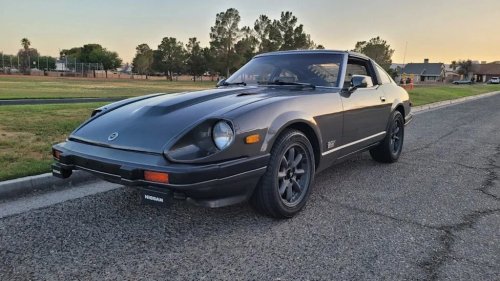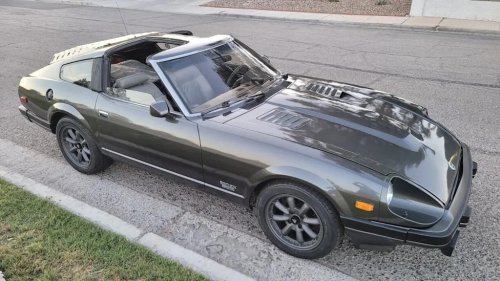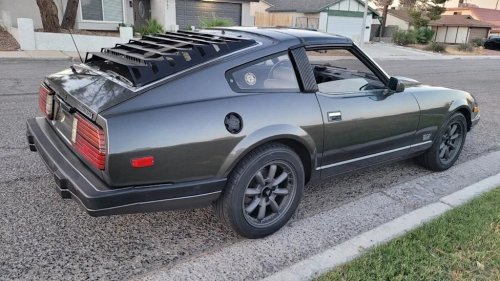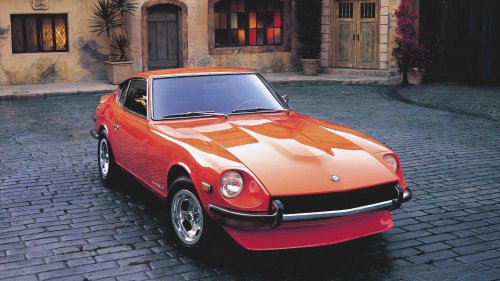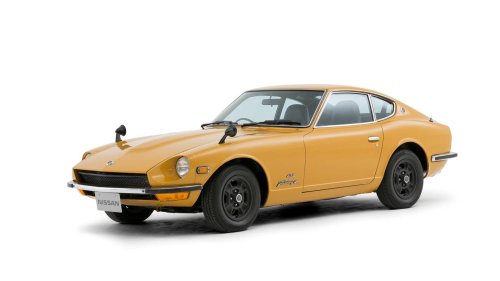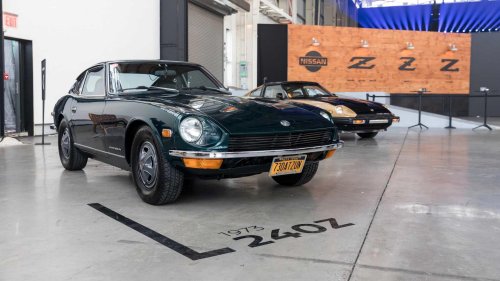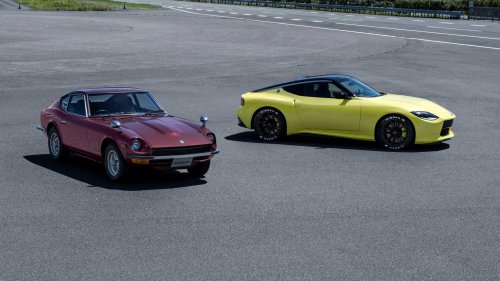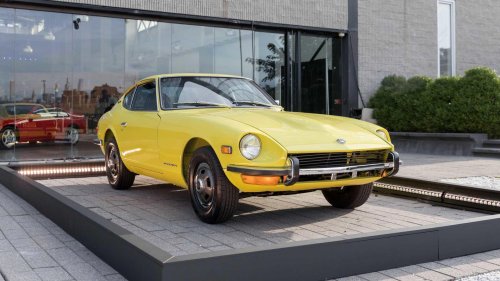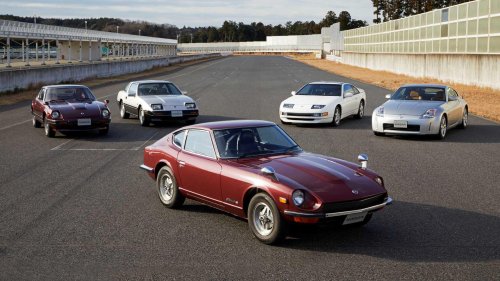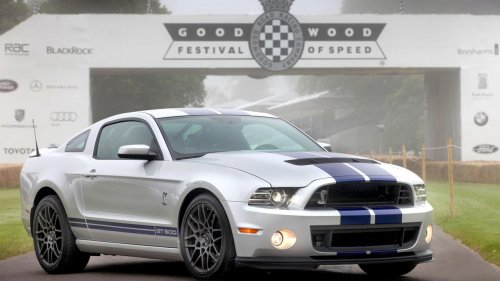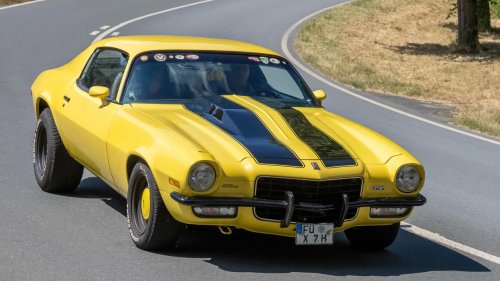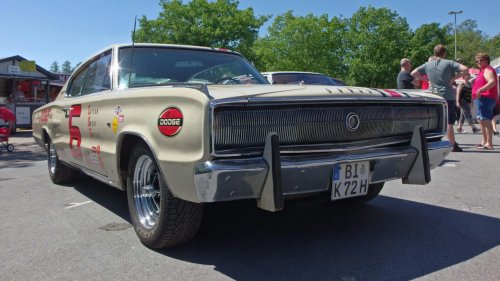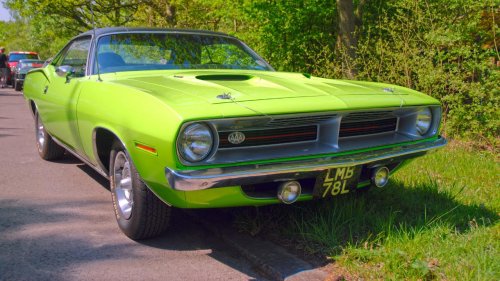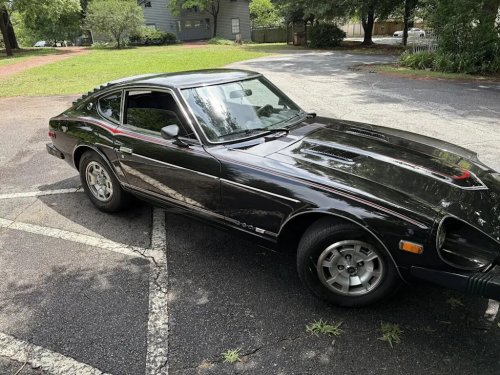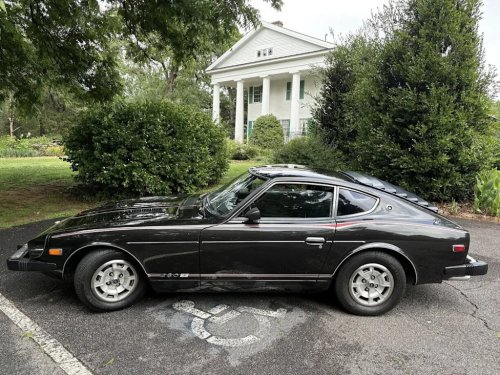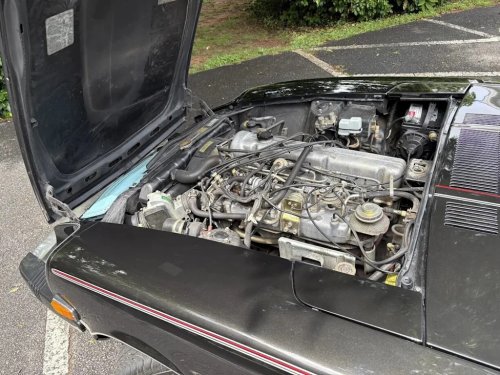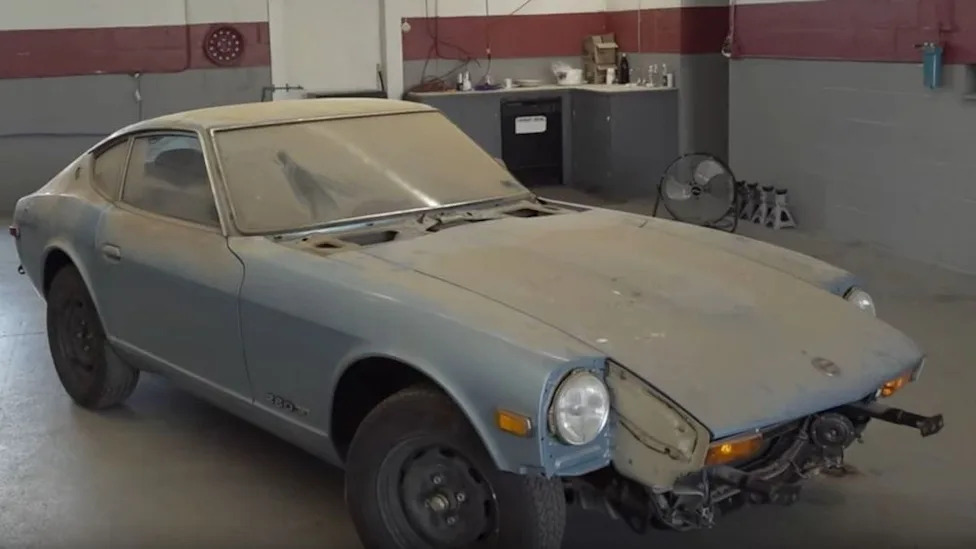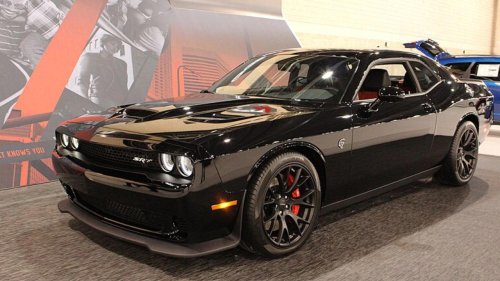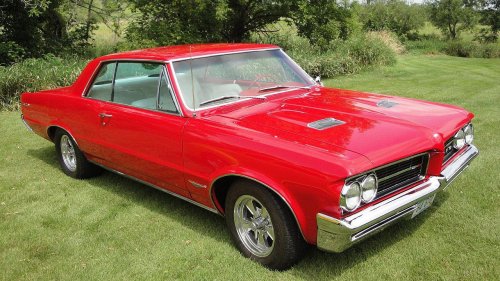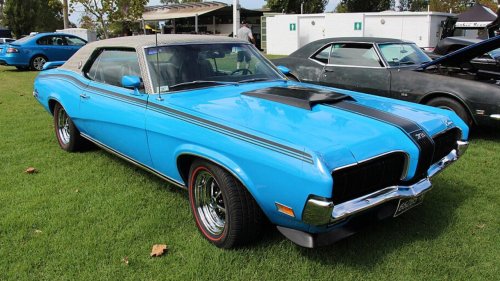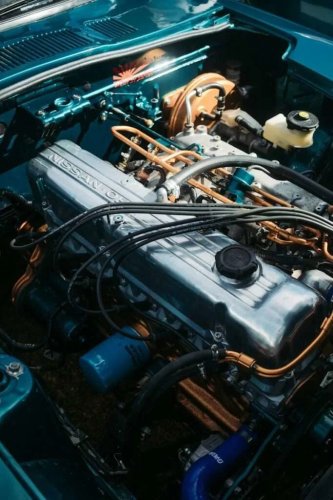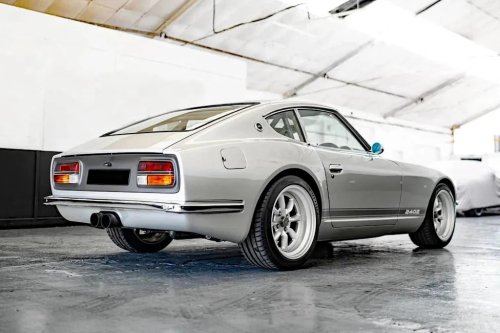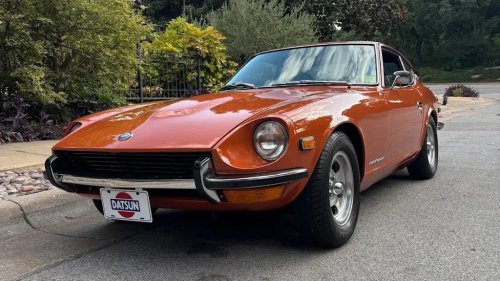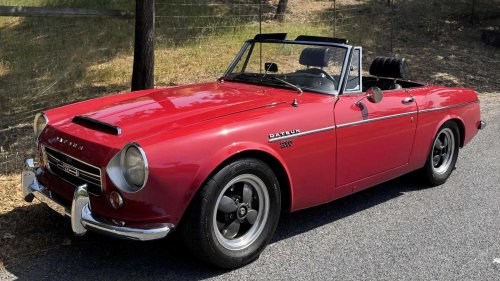
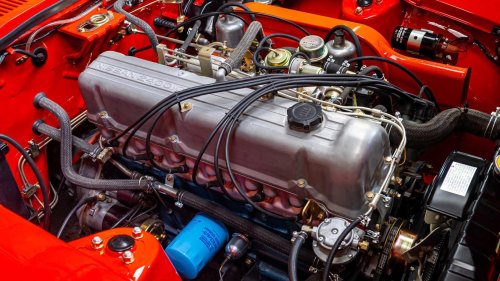
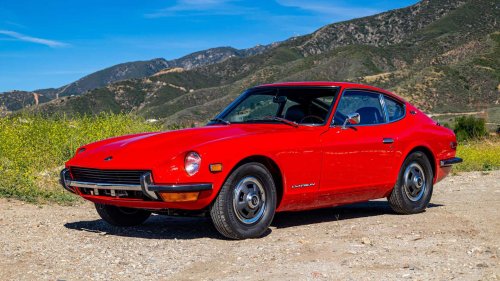
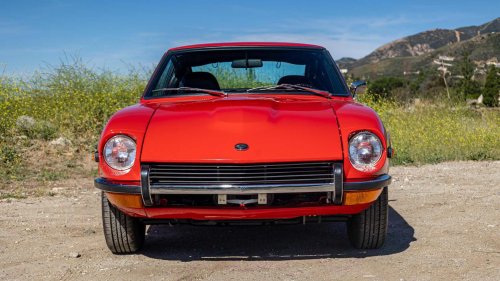
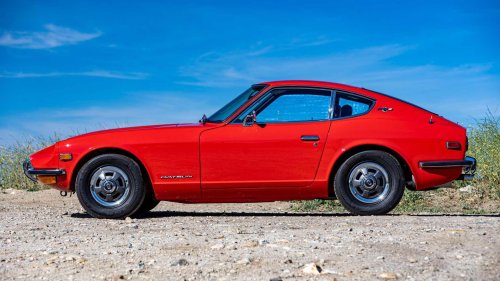
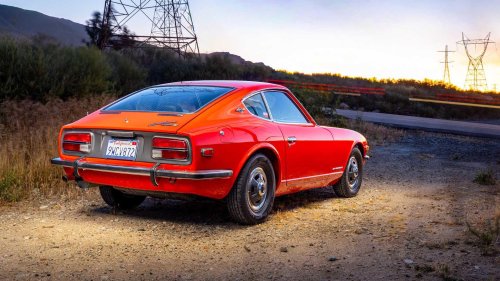


















Did Japanese automakers ever build a muscle car? Absolutely! The Detroit muscle cars created a movement in the 1950s and early 1960s by offering power on par with exotic supercars at a fraction of the price. Then Japan stole Detroit’s playbook.In the late 1960s and early 1970s, a single Japanese sports car offered Ferrari-like looks, BMW-like handling, Detroit-like reliability, and budget car prices. It sold so well in the U.S. that it changed the reputation of the entire nation among American drivers. How Japan Went From Building Cheap Copies to Creating a Legend via Bring A TrailerToday, Japan boasts one of the world’s largest automotive industries. The world’s largest automaker—Toyota—is based in Japan. Many Japanese companies have reputations for steadfast reliability, all around the world. But things weren’t always this way.WWII destroyed the Japanese economy, and as the auto industry rebuilt, its budget-friendly products did poorly in other markets. Throughout the 1950s, just 3.1% of Japan’s car production was destined for export. During the 1960s, Japanese auto exports skyrocketed to 17% of total production. But most of these vehicles were reverse-engineered foreign cars sold at lower prices.For example, Datsun entered the U.S. market in 1958. By the early 1960s, it offered U.S. buyers its own take on the British roadster formula. TheDatsun "Sport" was a tiny roadster that shared many components with the compact, budget-friendly Bluebird 310 sedan and a 1.5-liter four-cylinder engine from Datsun's compact trucks. Why Japan Bet Everything on the Inline-Six Engine Bring a TrailerJapanese automakers were keen to offer something more to American buyers for the 1970s. But as the 1960s drew to a close, there were multiple performance configurations fighting for supremacy.Detroit was still betting big on the rumble of the V8. The pony car segment, budget-friendly and stylish compacts with available V8 engines, had dominated 1960s sales. But America was going big. By the early 1970s, the Mopar E-Bodies (the Challenger and third-generation Barracuda) and the Mustang II were emerging, cars so large they pushed the upper limit of the pony car segment and were available with big-block engines.Meanwhile, many of Italy's and England's performance brands were insisting on smooth but finicky V12s. Buyers believed the myth that a sports car simply couldn’t be reliable. But the Germans were onto something cutting-edge with inline six-cylinder sports cars. Mercedes had proved the inline six-cylinder engine’s capability with its 1954 300 SL “gullwing.” That car featured a 3.0-liter I6. BMW followed this formula when it debuted the legendary "M30" inline-six engine for its 1968 sedans and coupes.At the same time, looming U.S. safety and emissions regulations threw the entire industry into flux. Japan may have worried V8s would soon be regulated out of existence. The automakers at Datsun also worried that the new safety requirements would make building a convertible too expensive. So, they decided to build a coupe-only sports car with an inline-six engine.The 1970 Datsun 240Z:The $3,500 Sports Car That Outran $13,000 Ferraris The Japanese Muscle Car That Put Detroit And Europe On Notice Bring a TrailerThe Datsun 240Z launched in 1969 for the 1970 model year and offered a relatively simple formula. It was a compact hatchback coupe with a front/mid-engine and RWD layout. The first model year only offered a stick shift transmission and two seats.Technically, the 240Z was a full generation more advanced than sports cars such as the Ford Mustang, thanks to its independent rear suspension and a powerful inline-six engine with an overhead camshaft. These high-tech features were normally reserved for vehicles such as the Jaguar E-Type, BMW 3800 CS, or Ferraris. It also featured a lightweight unibody construction, made stiffer by its hardtop-only design.Bring a TrailerThe 240Z could do alright in a straight line. It was a joy to drive on twisty roads. Peter Brock, founder of Brock Racing, revealed, “The car was unbeatable. We took it out for the first time, and we smoked the Porsches. And Porsche, unable to compete with us, quit. Triumph quit as well. And so the 240Z dominated for the next five or six years and became the most popular GT car in the car business. We won the next two national championships.”The Z was also cheap. And it would prove reliable. How cheap? The 240Z started at $3,526. But it offered performance technology that American buyers were used to spending $13,000 for. You might not be surprised to hear it sold well. Very, very well. Datsun Offered A Bargain Americans Couldn’t Ignore Bring a TrailerOriginally, Datsun released the 240Z to the U.S. market as an experiment, even hedging its bets by selling the old four-cylinder “Sport” convertible alongside the 240Z. It was immediately apparent that the 240Z would be such a hit, Datsun dropped the Sport from its lineup within a year.According to the automaker, global sales of the 240Z's entire run were 520,000 units. That’s “The best number on record for sports cars of a single model.” But raw sales numbers don’t explain just how high demand was for this advanced sports car.Brock added, “It took like three months to get a Datsun 240Z. Was supposed to be $3,500, and the dealers kept marking them up two or three thousand dollars. That's how valuable they were.”A 240Z driver named Carl Beck told GQ, “I sold the '70 for more than I paid for it. Demand was so high. Even two years, three years into the car, the demand was so high. I paid $3,500 plus tax, and a year and a half later, with 68,000 miles, I sold it for $4,200.” The Datsun 240Z Was The Dawn Of An Era Datsun/Nissan continued to build its Z cars for the U.S. market, trying to keep up with demand. It also released several larger displacement engines, which were popular in the Japanese market. But stricter U.S. emissions guidelines strangled these engines’ outputs in North American cars. Finally, Datsun/Nissan shifted its name in the U.S. market, potentially confusing buyers. Despite all of this, demand stayed high.U.S. buyers might have been confused about who made the 240Z. But everyone knew one thing for sure: it was a Japanese car. It was fast, and it looked great. Beck concluded, “It was and still is a classic design. Coke-bottle shape, you know, long nose, short deck. A real art piece. It draws a crowd almost anywhere you stop.” The 240Z’s legacy was set: American buyers now connected Japanese automakers with style and performance.Bring a TrailerToday, it’s a given that Japanese cars—from stock Skylines to tuned Civics—are fast and stylish. In many ways, Japanese cars are to the 21st century what Detroit muscle cars were to the 20th century. But things weren’t always this way. It all began with the Japanese muscle car that put Detroit and Europe on notice: the 1970 Datsun 240Z.