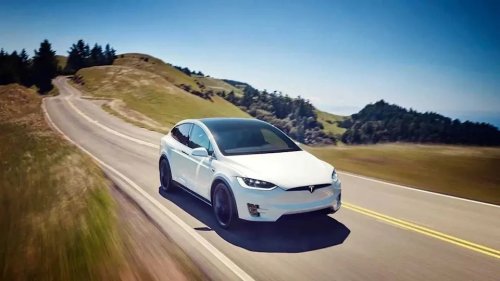
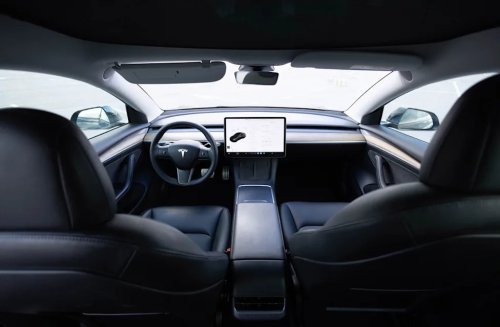
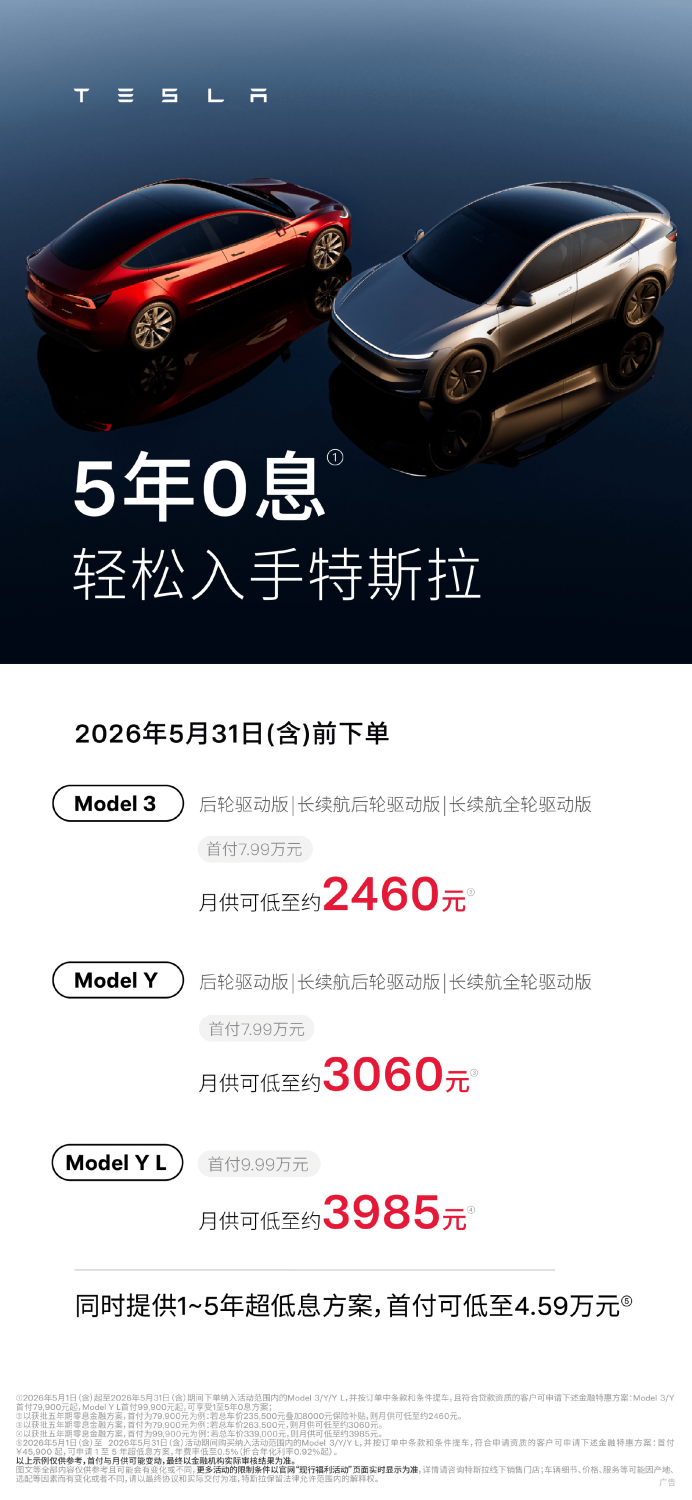
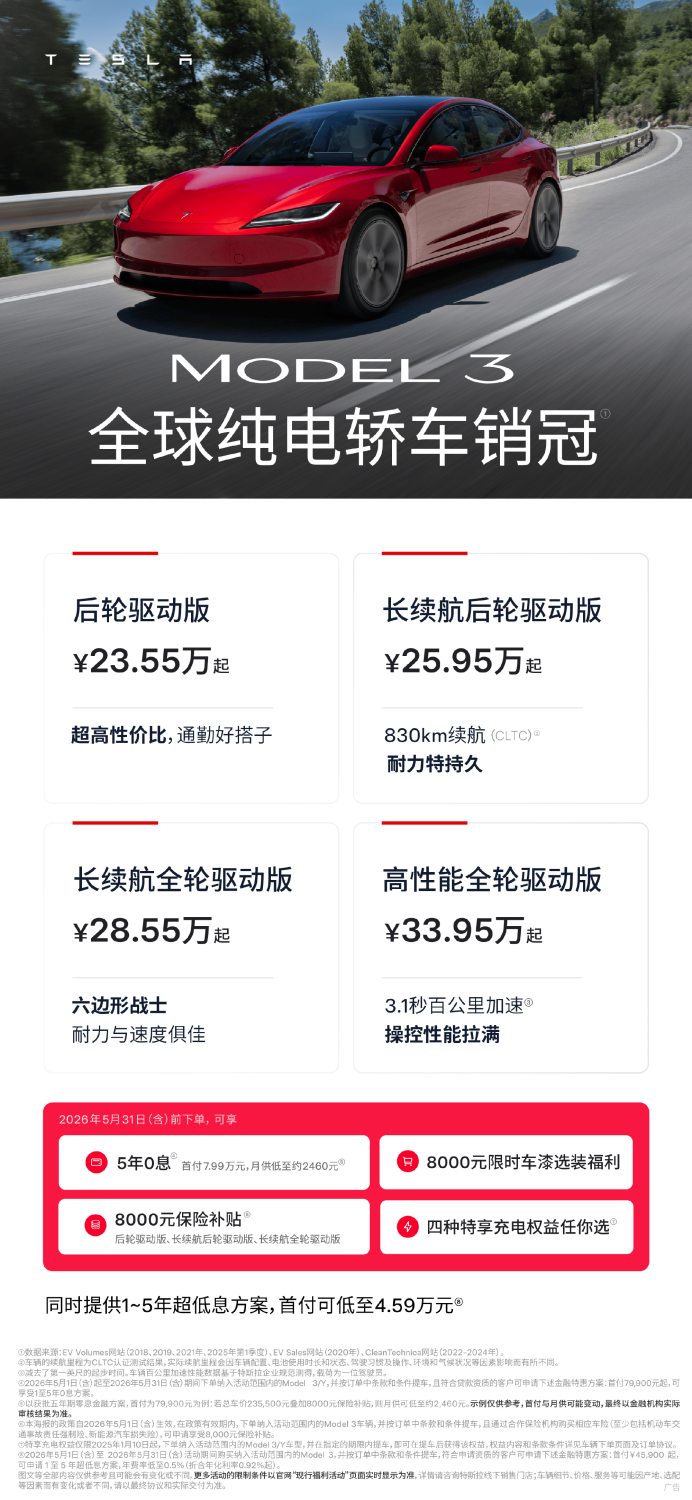
Tesla announced its May vehicle purchase policy on April 29, with a single key change: the discontinuation of its 7-year low-interest financing plan, replaced by a 5-year zero-interest loan offering. The new policy applies to the Model 3, Model Y and Model Y L. Orders placed before May 31 qualify for the five-year interest-free financing. Tesla rolls out 5-Year Interest-Free Financing For down payments, the Model 3 and Model Y start at RMB 79,900 ($11,586), while the Model Y L starts at RMB 99,900 ($14,486). Tesla also continues to offer 1–5 year low-interest options, with annual rates as low as 0.5% and minimum down payments reduced to RMB 45,900 ($6,656). Additional incentives remain in place. The Model 3 includes an RMB 8,000 ($1,170) insurance subsidy and an RMB 8,000 ($1,170) limited-time paint option benefit, while the Model Y lineup offers an RMB 8,000 ($1,170) paint discount. In January, Tesla introduced a 7-year low-interest financing plan, extending the traditional 1–5 year auto loan cycle to lower monthly payments and stimulate demand. The move was quickly replicated across the industry, with more than 20 automakers—including Xiaomi, BYD, NIO, Geely, Li Auto and XPeng—rolling out similar 7-year financing schemes, which briefly became a market standard. BYD rolls out 7-year low-interest loan policy following Tesla However, the expansion proved short-lived. Recent indications suggest regulators have issued window guidance via banks and leasing channels, leading to tighter controls on 6–7 year auto loan products. Feedback from major financial institutions has been consistent, with some banks already withdrawing 7-year low-interest offerings, while others await unified adjustment timelines. From an implementation perspective, many automaker websites show that 7-year financing policies are generally set to expire by April 30, 2026. Tesla’s adjustment effectively anticipates these changes in the financial environment. Tesla’s 5-year zero-interest plan for Model 3 For automakers, extended loan terms directly reduce monthly payments and lower purchase barriers, supporting sales. However, longer durations also increase risk, placing pressure on funding costs and asset quality for financial institutions. On the sales front, Tesla’s momentum remains intact. The company delivered more than 358,000 vehicles globally in the first quarter, up 6.5% year-on-year. Of these, the Shanghai Gigafactory accounted for 213,000 units, up 23.5% and representing more than half of global deliveries.




















 +18 others