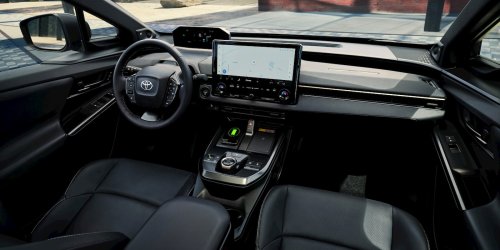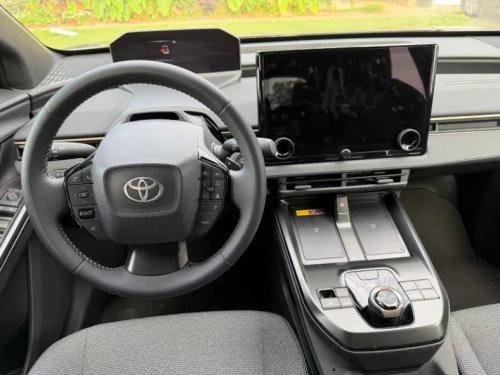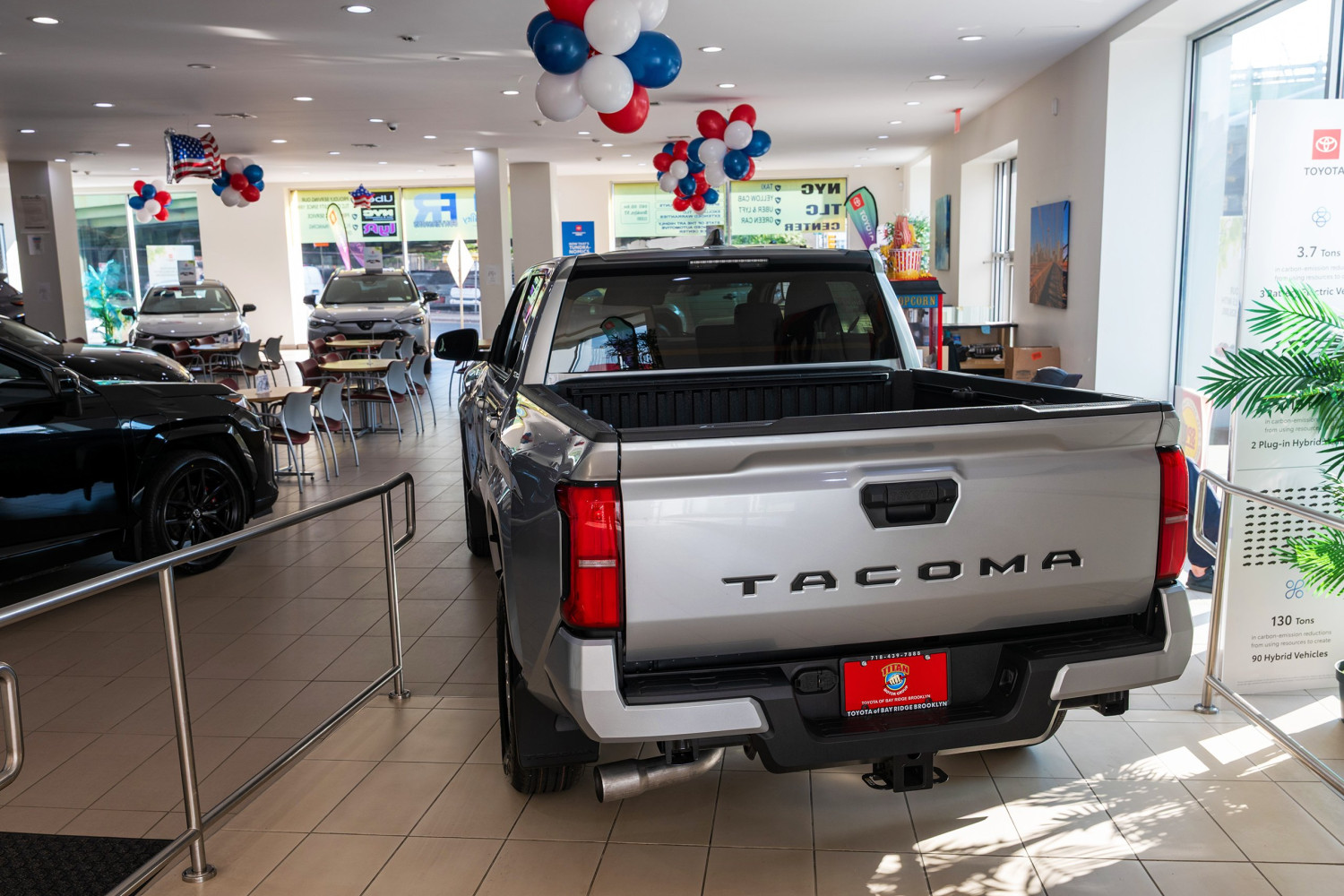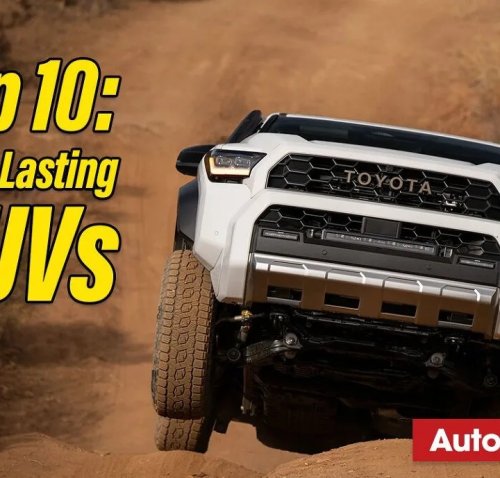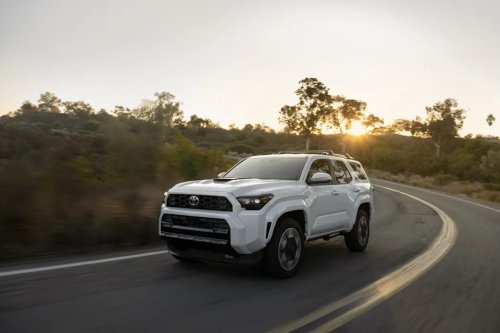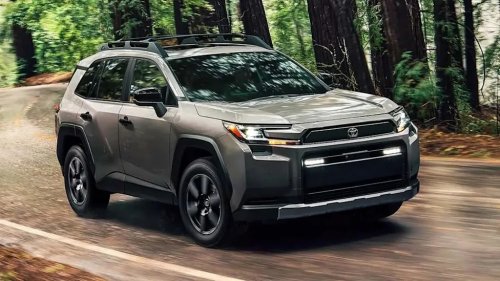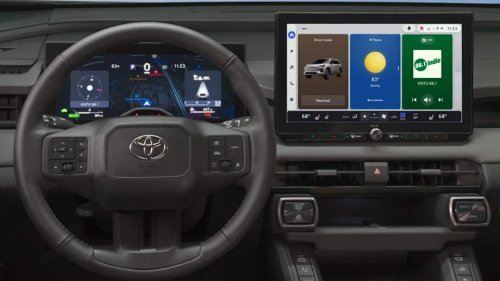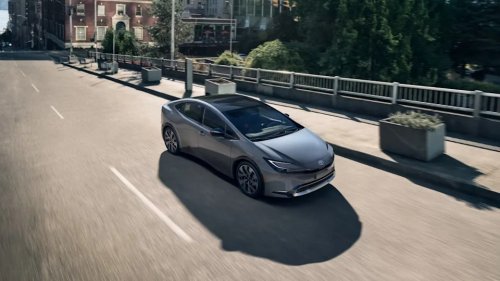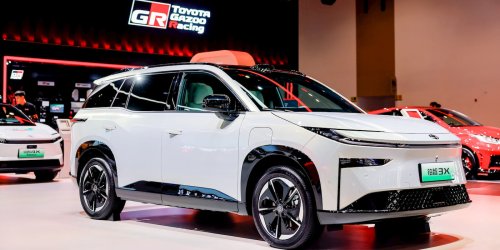







































The Highs And Lows Of ToyotaToyota's stellar reputation spans tons of excellent features and industry-leading innovations—but even the most celebrated automotive brands have their quirks. This comprehensive list pulls together the standout highs and surprising lows of driving a Toyota, backed by real statistics, expert insights, and honest owner experiences. Before making your next trip to the dealership, discover which impressive traits might seal the deal for you, or which potential drawbacks could have you thinking twice. Let’s start with the disappointing ones first.1. Lackluster AccelerationWhile the Camry LE Hybrid is quicker at 6.8 seconds, base Toyotas like the Corolla manage 0–60 mph in 8–9 seconds, which isn’t exactly quick. Additionally, the throttle response can feel sluggish on highways. With just 169 hp, the Corolla’s 2.0L engine falls behind some compact SUVs. 2. Road NoiseThe RAV4 and Corolla have been cited for noticeable cabin noise, especially on highways. Consumer Reports highlights this in testing. At 65 mph, a base RAV4 records 68–70 decibels, close to midsize pickup levels. Premium trims, however, reduce the intrusion significantly. 3. Infotainment SystemCompared to Hyundai or Ford’s setups, Toyota’s infotainment can feel a bit behind the times. The touchscreen can be slow, and there’s not much to customize. Wireless CarPlay and Android Auto come standard, though Toyota has eliminated the CD slot entirely. 4. Limited Towing CapacityThe Highlander's 5,000-lb towing capacity matches competitors like the Ford Explorer in gas models, though its hybrid variant is limited to 3,500 lbs. Additionally, base Corolla and Camry trims produce under 185 lb-ft of torque, which restricts acceleration when carrying heavy loads. 5. Declining Build Quality In Newer ModelsRecent Toyotas, such as the 2023-2025 Prius and Tacoma, have faced criticisms for reduced durability, including premature engine failures, leaky water pumps, and failing wheel bearings. This contrasts with the brand's reputation, potentially leading to more frequent repairs that interrupt driving routines.6. Battery Degradation In HybridsIn models like the Prius and RAV4 Hybrid, battery packs can degrade over time, reducing electric-only range and overall efficiency, which impacts acceleration and fuel savings during drives. Owners report issues such as the vehicle not starting due to 12-volt battery problems in the Corolla Cross, leading to unexpected breakdowns. 7. All-Wheel DriveAWD is not standard on the RAV4 and isn’t available for the Corolla sedan. Snowbelt buyers often opt for higher trims to get winter capability and traction. This feature raises the MSRP by $1,400–$2,000, all depending on model choice.8. Cheap Interior MaterialsBase models across the lineup, including the Corolla and RAV4, feature hard plastics and thin materials that feel flimsy and convey a budget-oriented build. Higher trims add some padded elements, but the overall fit and finish can be disappointing for drivers, particularly in terms of long-distance comfort.9. Steering FeedbackElectric power steering in sedans like the Camry and Prius often lacks road feedback, especially at higher speeds. Drivers report vague cornering and minimal weight adjustment. The Prius’s ratio prioritizes efficiency over engagement, and the Corolla’s 35.6-foot turning radius still feels detached in curves.10. Brake Pedal ResponseToyota's regenerative braking system creates a spongy pedal feel that many drivers find unsettling. The transition between regenerative and friction braking can cause jerky stops. The RAV4 Hybrid requires over 130 feet to stop from 60 mph, longer than other hybrid crossovers like the CR-V Hybrid. Now that we’ve explored the downsides of driving a Toyota, let’s look at some of its excellent features. 1. ReliabilityJ.D. Power consistently places Toyota in the top three for reliability. Numerous models exceed 200,000 miles with minimal maintenance issues. One Tacoma in Louisiana even logged 1.5 million miles in 2023, thus illustrating Toyota’s proven track record.2. Fuel EfficiencyToyota has long led the hybrid market, with over 5 million units sold in the U.S. The Prius remains a benchmark, while the Corolla Hybrid consistently delivers above 50 mpg. These figures reflect Toyota’s reputation for systems that prioritize long-term savings and environmental impact.3. Safety RatingsMost Toyota models achieve either IIHS Top Safety Pick honors or NHTSA 5-star ratings. Toyota Safety Sense comes standard across nearly the entire lineup. The Camry has maintained a 5-star crash rating for over ten consecutive years and has shown consistent engineering focus.4. Low Maintenance CostsAt $441 per year, Toyota’s average repair costs are below key competitors, including Honda, Ford, and Chevy. Parts availability keeps expenses low, and the Corolla stands out as one of the cheapest models to maintain over a decade.5. Excellent Visibility And ErgonomicsToyota vehicles combine comfort and clarity, offering intuitive controls and clear sightlines. Raised seating in the RAV4 and Highlander gives a strong road view, complemented by well-designed mirrors, dashboards, and cameras that make daily driving in urban areas more confident and stress-free.6. Off-Road CredSelect Toyota models like the 4Runner and Tacoma TRD excel off-road, equipped with crawl control, locking differentials, skid plates, etc. The redesigned 2025 4Runner enhances these capabilities that help maintain strong appeal among dedicated off-road fans.7. Eco-Friendly OptionsToyota hybrids help ease range anxiety, letting drivers cover more than 500 miles on a full tank without needing a charge. Models like the RAV4 Prime even offer 42 miles of EV range, with gasoline as a backup. With fifteen new electric and hybrid models planned by 2026, fans have plenty to look forward to.8. Quality EngineeringSuspension tuning in Toyota prioritizes consistency and control across varied road conditions. The Camry’s multi-link rear suspension delivers stability and composure that rivals some luxury sedans, while the Corolla absorbs potholes with minimal cabin disruption.9. Transmission TuningToyota’s CVTs, like in the Corolla and Prius, fake gear shifts so they don’t feel stretchy. Plus, Highlander’s 8-speed shifts smoothly and adjusts to your right foot. Cool touch—the Camry learns your style, and the Corolla’s CVT has a real first gear for better takeoffs.10. Built To Drive, Not Just LastToyota’s production system isn’t just about durability—it helps the company handle recalls quickly and efficiently. When issues arise, Toyota responds with speed and transparency, getting vehicles back on the road faster while keeping customers informed throughout the process.