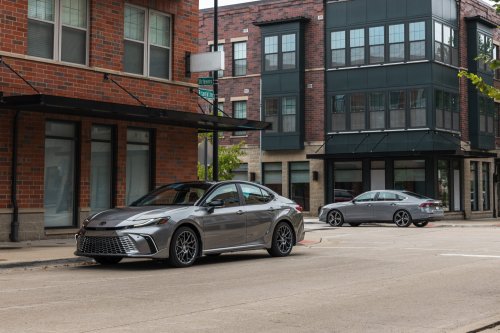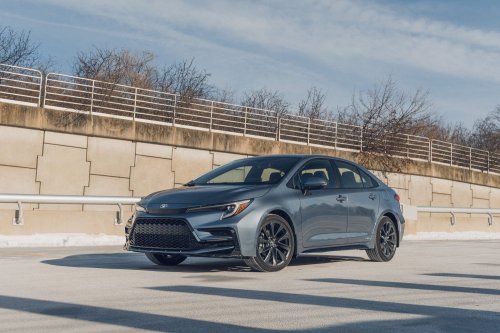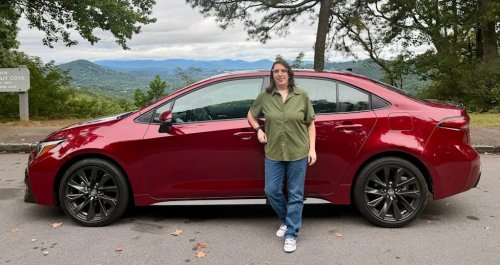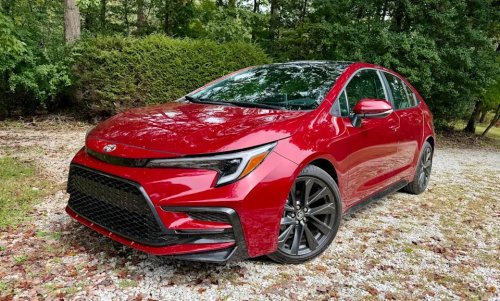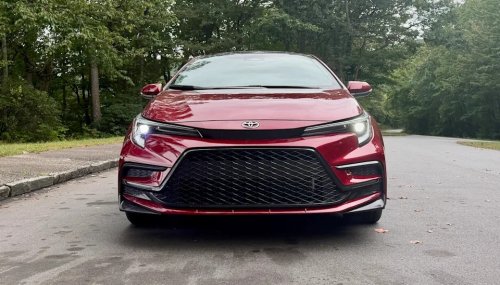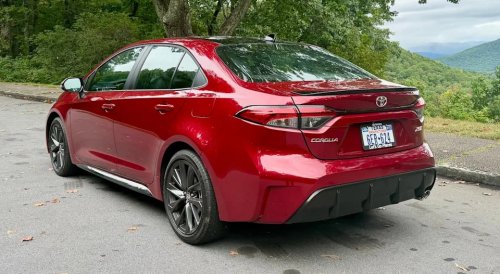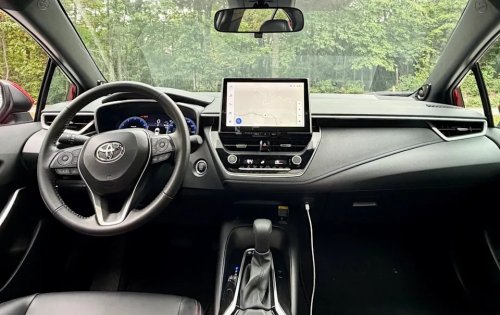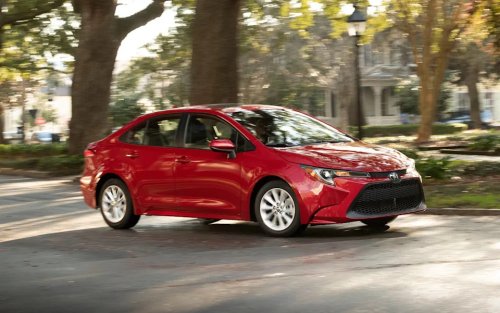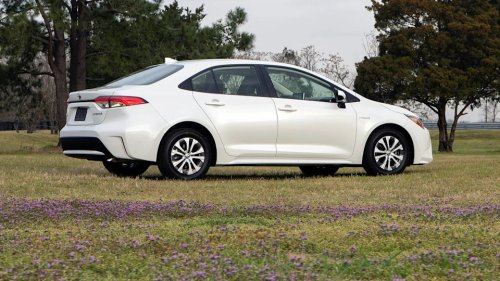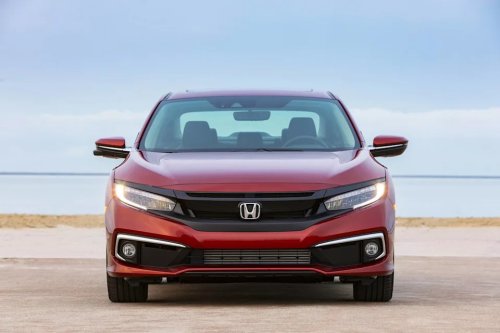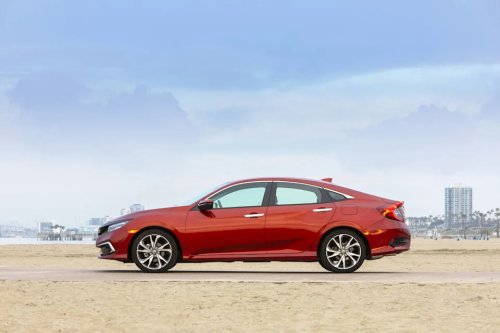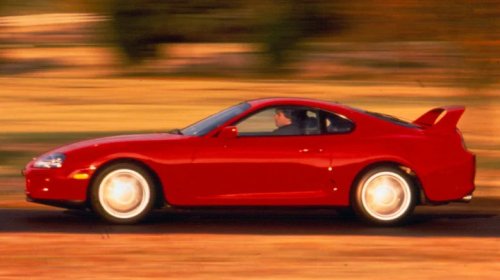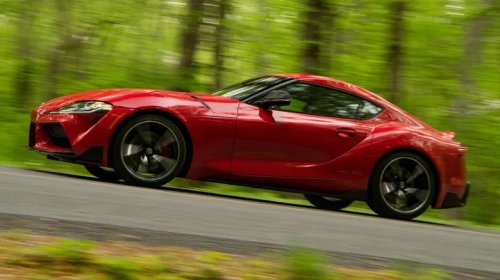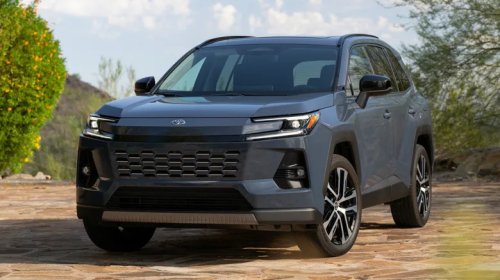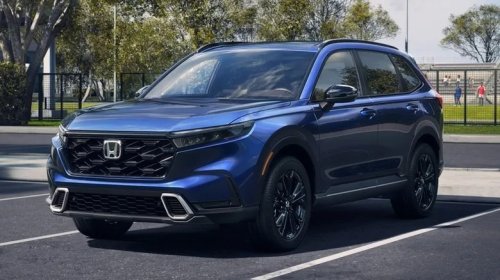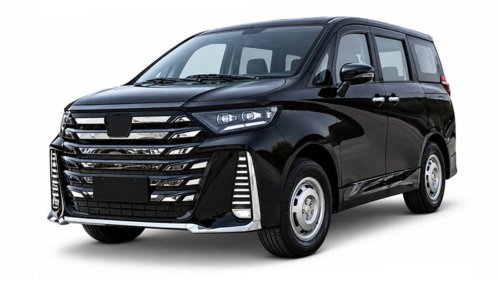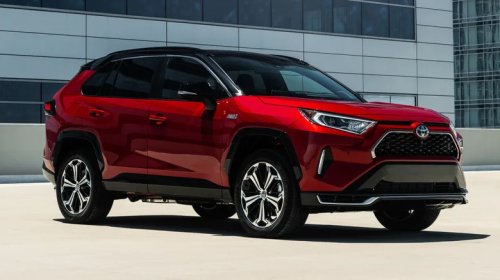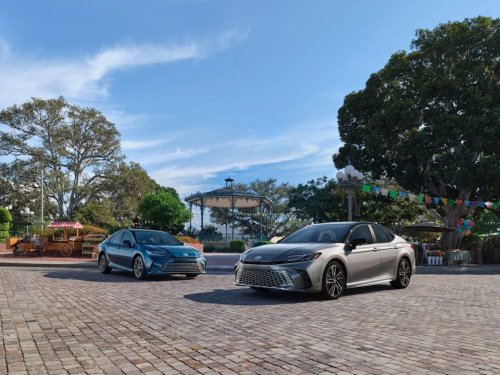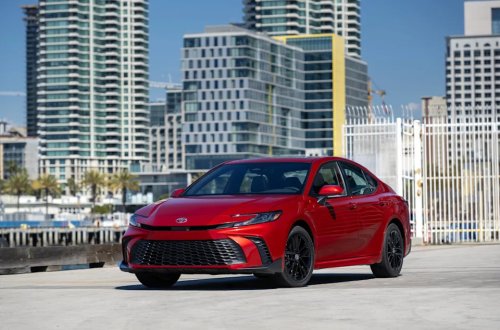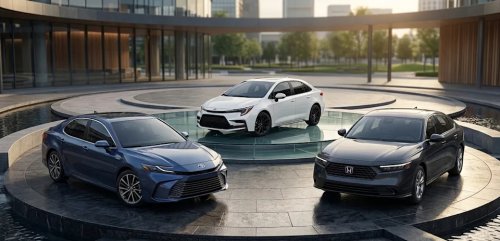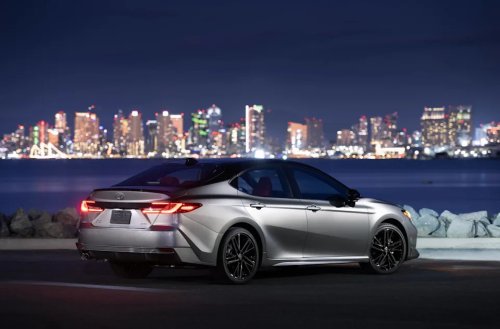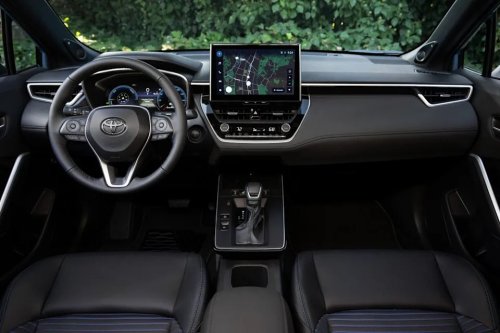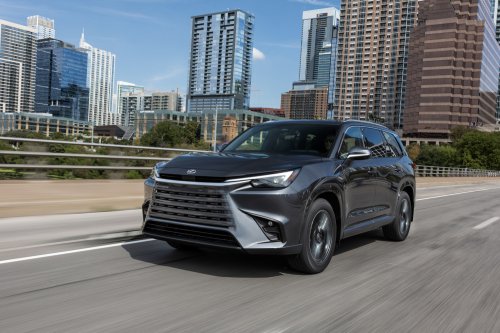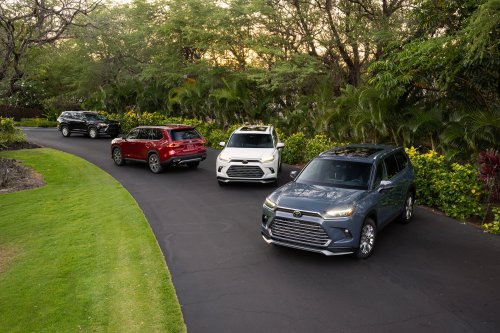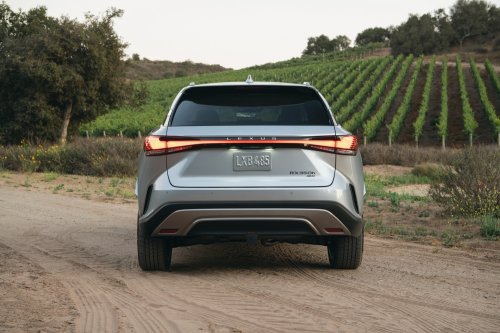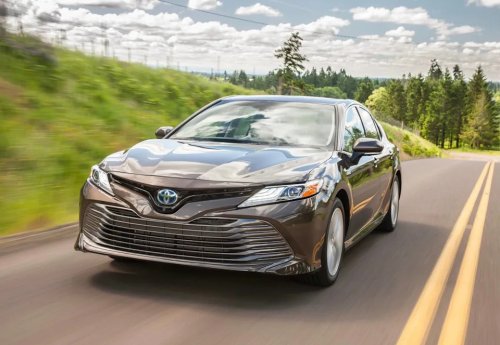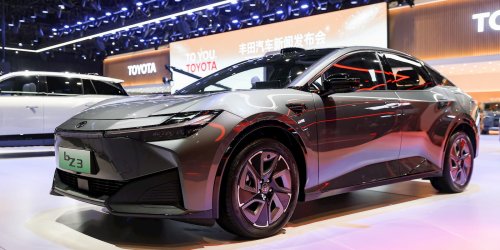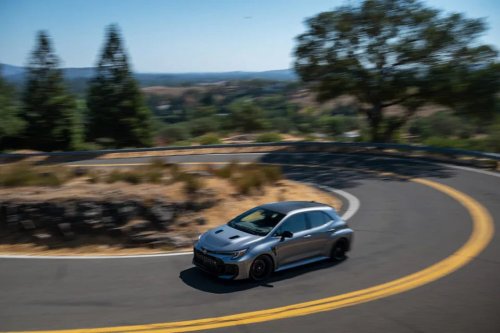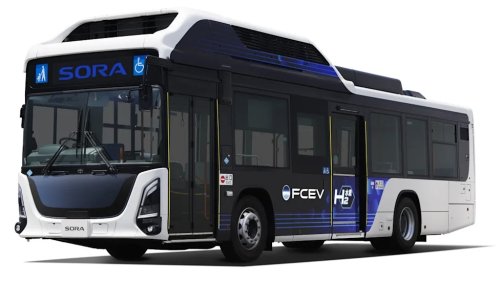
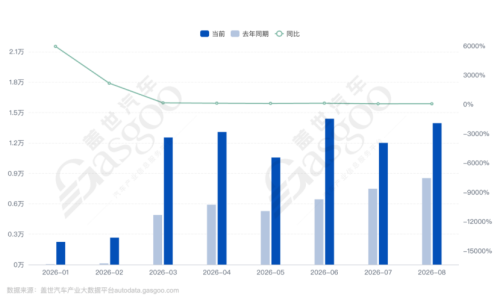
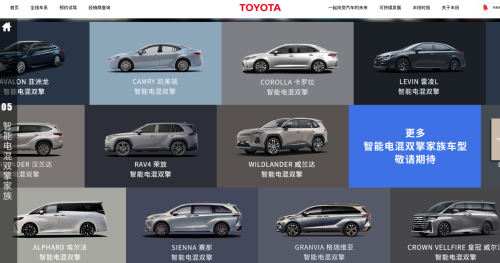
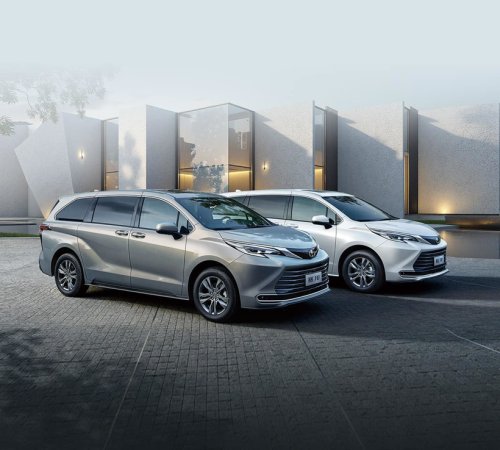
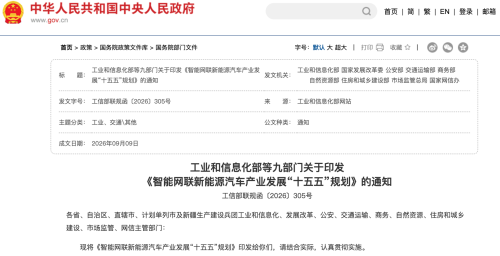



















Gasgoo Munich-On the evening of September 14, a trading suspension notice from GAC Group pushed two state-owned automakers to the same negotiating table.The announcement stated GAC Group signed a letter of intent with FAW Group to purchase a stake in a "certain joint venture" held by FAW via share issuance, alongside a fundraising campaign. Post-deal, FAW becomes GAC's second-largest strategic shareholder.Asset swaps are routine in capital markets. But while the notice kept the target's name under wraps, the market is convinced it’s FAW Toyota. After all, Toyota is the only foreign automaker that appears on both shareholder lists.If the rumors point to FAW Toyota, the decades-old "North-South Toyota" structure is ending. A unified "One Toyota" operation for China is on the horizon.Image Credit: Toyota China"North-South Toyota": A 20-Year RunThe very concept of "North-South Toyota" is a relic of the early days of China's auto industry.Sichuan Toyota kicked things off in Chengdu in 1998 with the Coaster minibus. Tianjin FAW Toyota followed in 2000, bringing in the Vios, Corolla, Crown, and Reiz. Then came GAC Toyota in 2004, launching with the Camry.FAW held the north, GAC the south. Back in 2006, Etsuro Hattori, then Toyota’s chief representative in China, acknowledged that some competition between the two was inevitable—but argued it was healthy. "Competition drives improvement," he said, emphasizing the need to coordinate for maximum collective gain.Two decades later, that coordination remains elusive. Under a "twin-car" strategy, the two JVs have largely produced identical products on identical platforms: the Corolla and Levin, the Avalon and Camry, the RAV4 and Wildlander, the Crown Kluger and Highlander, the Granvia and Sienna.This worked when the market was growing. Each staked out a territory, priced slightly apart, and stayed out of each other's way. But in today's zero-sum game, the flaws are showing.Hit by domestic new-energy rivals, Toyota's internal combustion base is shrinking. In the first half of 2026, Toyota sold 695,000 vehicles in China, down 17% year-on-year. The two JVs account for the bulk of that volume, yet they support roughly 1,400 dealers. "For that volume, the dealer network is oversized," said Li He (a pseudonym), a dealer principal, in an interview with Gasgoo.In 2025, Toyota China appointed its first Chinese general manager. Soon after, the head of GAC Toyota was moved to the top spot at FAW Toyota—a rare cross-company shuffle within Toyota's system.That same year, Toyota faced questions about merging its sales networks. The official line: "very small-scale channel optimization" in lower-tier cities, not a forced nationwide merger. Now, with "North-South Toyota" potentially unifying, that network integration is just one piece of the puzzle.Analysts are already crunching the numbers. Li Yanwei, an expert at the China Automobile Dealers Association, estimates GAC could buy roughly 25% of FAW Toyota for about 20 billion yuan. Based on current share prices, that would require issuing over 4 billion new shares. Post-transaction, FAW’s stake could approach 30%, diluting GAC Industrial Group’s holding to 38.1%.Analysts at Gasgoo’s research arm characterize this as an equity investment, not a merger. A central state-owned enterprise like FAW isn't about to encroach on a local SOE's rights. The realistic path is a strategic bind through shareholding, not a takeover. It’s a "business first, equity later; local first, overall later" approach—far removed from the mega-mergers the market once expected.Two Joint Ventures, Diverging PathsBringing FAW Toyota into the GAC fold makes practical sense. Both JVs are seeing sales slide, but GAC Toyota holds a steadier foundation in hybrids and new energy.Data from the CPCA shows FAW Toyota’s retail sales from January to August 2026 totaled 379,000 units, a 26.4% plunge, leaving it with a 3.2% market share. GAC Toyota fared better, selling 447,000 units, down just 10%.FAW Toyota’s lineup is under pressure across the board. The Corolla, once a global juggernaut, now sells only a few thousand units a month and has fallen off the bestseller lists. With the Avalon languishing, FAW Toyota lacks a competitive contender in the premium sedan segment. The RAV4 remains resilient, but fierce competition limits further growth.Amid the broader ICE contraction, GAC Toyota’s decline is relatively mild compared to its peers. It rests on two pillars:Hybrids are the key advantage, stabilizing its ICE share. Intelligent electric hybrid models make up over half the brand’s total sales, led by the Camry, Wildlander, and Sienna. By contrast, hybrids account for slightly less than half of FAW Toyota’s mix.Image Caption: GAC Toyota bZ Series Sales, Jan-Aug 2026In new energy, GAC Toyota’s bZ series is gaining traction. Gasgoo data puts cumulative sales at around 80,000 units for the first eight months, cementing its lead among joint-venture pure-electric brands. The bZ3X alone surpassed 100,000 units.The bZ series is defined by GAC Toyota, utilizing the RCE China Chief Engineer system with local engineers involved from planning to validation. The bZ3X is built on a localized EV platform, while the bZ7 features Huawei’s HarmonyOS cockpit and DriveONE powertrain, plus Momenta’s autonomous driving solution and lidar—a significant hardware upgrade.Image Credit: Toyota ChinaFAW Toyota’s transition, however, has been lackluster. Its bZ series, derived from global platforms, relies on overseas standards that don’t fully align with local preferences for intelligence and configuration. Lacking a localized R&D base like GAC’s Aion, FAW Toyota has been slow—or superficial—in integrating with local smart-driving and cockpit supply chains.Buoyed by the bZ pilot’s success, GAC Toyota executives have signaled that future models will be developed by the Chinese team. "The seed is still Toyota’s, but through our cultivation, we hope to grow a different flower."A Chance to Regroup and CounterattackIf both joint ventures fall under GAC, what advantages do Toyota, GAC, and FAW gain for their comeback?Toyota gains sales dominance and a focused push into new energy.Reports suggest a new sales JV will be formed, with Toyota holding 50% and GAC and FAW taking 25% each. This gives Toyota control over sales, turning its partners from operators into strategic investors. With unified channels, a single dealership can sell the full Toyota lineup, ending internal battles over twin models.As dealer Li He notes, if the channels truly merge, automakers won’t have to push inventory on dealers to hit separate targets. Faster inventory turnover means better margins per car. Given Toyota’s recent sales trajectory, channel adjustment seems inevitable.Image Credit: GAC ToyotaThe bigger win lies in new energy. If the integration goes through, GAC Toyota’s proven localized R&D system becomes the ready-made platform for Toyota’s NEV transition. FAW Toyota’s bZ series won’t need a restart. This also helps Toyota leverage GAC’s local resources to accelerate plug-in hybrid layouts and better match Chinese demand.The move aids regional strategy too. Toyota’s hydrogen fuel cell push in China will gain momentum. In autonomous driving, the bZ4X Robotaxi—a collaboration between Toyota China, GAC Toyota, and Pony.ai—is set to launch commercial operations in Guangzhou, Shenzhen, and Beijing.Supply chain costs could drop. Unifying North and South supply chains allows Toyota to tap GAC Toyota’s established local network, boosting bargaining power and lowering bill-of-materials costs.GAC gains a complete Northern network, NEV synergy, and a boost to its bottom line.FAW Toyota’s Northern dealer network fills a gap for GAC. Headquartered in Guangzhou, GAC Toyota is strong in the South but weak in the North. Integration would extend its reach from the South China coast to the Northeast and North China.NEV synergy is the more significant advantage. Once GAC Toyota’s EV business enters the GAC ecosystem, battery sourcing and smart-driving integration can theoretically align with Aion and Trumpchi.For GAC, currently facing losses, acquiring a profitable asset like FAW Toyota would directly improve its investment income statement.However, GAC must reckon with FAW’s influence as a major shareholder. While Guangzhou State-owned Assets Supervision and Administration Commission remains the controlling shareholder, preserving GAC’s independence, the extent of FAW’s operational involvement—and the potential lengthening of decision-making chains—remains unknown.FAW secures the role of second-largest shareholder—and external pressure to drive internal reform.By accepting shares instead of cash, FAW swaps direct JV assets for a stake in GAC. It’s a shift from "direct holding" to "indirect holding plus strategic investment," keeping Toyota-derived profits within the FAW system via equity links.Analysts believe FAW is using this stake to pressure its own organizational overhaul from the outside. FAW has invested in tech players like CATL, Zhuoyu, Pony.ai, and Horizon Robotics, yet hasn’t produced a hit model. The root cause isn’t technology; it’s organizational structure.The move also boosts FAW’s overall NEV competitiveness. Its own transition has been limited, constrained by Northern climates and the weak performance of its "Yueyi" brand. Its first model with Leapmotor is nearing production, but market reception is unproven.By buying into GAC—a success story in NEV transition—FAW is essentially trading capital for experience and equity for resources, aiming to feed back into its own business.The Joint Venture Domino EffectThis deal between GAC and FAW isn’t the first domino in JV consolidation.In 2021, Mazda merged its two Chinese JVs. FAW Mazda became a wholly-owned subsidiary of Changan Mazda, and a farewell letter marked the end of "North-South Mazda."The reason was simple: Mazda couldn't sell vehicles. Combined sales were just over 200,000 units in 2020. CPCA secretary-general Cui Dongshu noted at the time that a dual-brand strategy creates focus, aiding development.Four years on, Toyota may be walking the same path. But analysts draw a distinction: Mazda was backed into a corner; Toyota is proactively seeking change.Image Credit: Gov.cnPolicy pressure is mounting. On September 11, nine ministries including the MIIT issued the "15th Five-Year Plan" for intelligent connected new energy vehicles, explicitly urging increased M&A and cross-regional integration. Three days later, GAC suspended trading.Since the early 2000s, rumors of mergers among central and local SOEs—Changan and Dongfeng, FAW and GAC—have circulated without result. The early 2025 collapse of talks between Dongfeng and Changan proved that group-level mergers are a dead end: battles over control, administrative rank, regional interests, and jobs make it a zero-sum game where no one wants to dilute their power.This time, GAC and FAW are taking a different route. Instead of a top-down group merger, they’re starting with the JV business, using cross-shareholding to align interests. It faces less resistance and fits market logic better.It’s feasible now because of a broader reality: the industry isn’t making money. With solid-state batteries, autonomous driving, and smart cockpits converging into identical offerings across companies, the state won’t let a pillar industry engage in infinite internal friction.Analysts liken the GAC-FAW integration to Stellantis. Formed from the merger of Fiat Chrysler and PSA, Stellantis faced problems similar to today’s FAW and GAC: too many brands, duplicated R&D, fragmented purchasing, and high electrification costs. The merger unified platforms, purchasing, and manufacturing, successfully lowering costs.The lesson for FAW and GAC is to go beyond equity. They must integrate the invisible layers—platforms, procurement, R&D, and supply chains—while preserving brand differentiation. Hongqi remains Hongqi; GAC’s brands remain GAC’s.So, who is next in this consolidation game?Honda is in a spot similar to Toyota. GAC Honda and Dongfeng Honda have heavily overlapping lineups: the CR-V and Breeze, Civic and Integra, Accord and Inspire. With Honda’s sales in China plummeting in recent years, its position is precarious.Beyond that, JVs are trimming channels to survive the brutal competition. Ford is pushing synergy between Changan Ford and Jiangling Ford. Volkswagen’s three JVs are consolidating, with FAW-Volkswagen dealers selling VW Anhui’s golden-logo models via "shop-in-shop" setups.Where does the domino effect end?A Changan executive once predicted that while 50 to 60 brands are active today, only 20-odd will remain by 2030. If the GAC-FAW integration succeeds, smaller local state-owned players will likely be swept into the next round.The industry will likely evolve into "alliances." Companies with equity ties will band together: FAW, GAC, and Leapmotor; Volkswagen and XPENG; independent giants like Chery, Geely, and BYD. Players like Li Auto and NIO will either find backers or become high-end sub-brands of larger groups. The era of 120 brands brawling is fading.For Toyota, the dual-JV model brought twenty years of comfort in China. That door is now closing. In the long run, Toyota’s real rivals in China aren't its northern and southern selves—they are domestic giants like BYD, Geely, and Chery, which have already mastered new energy and intelligence.