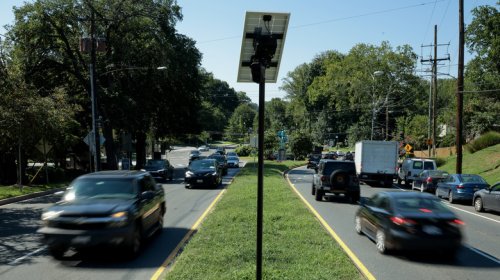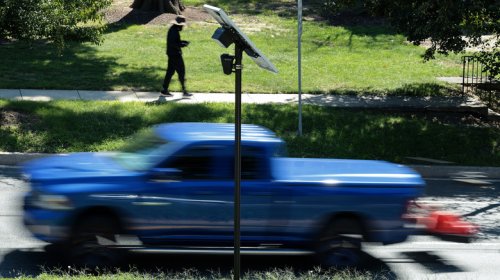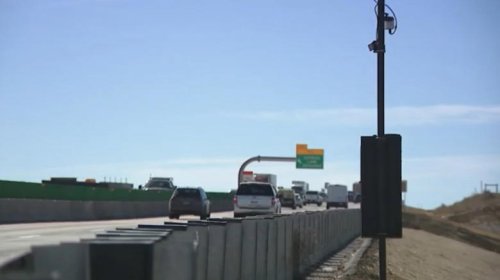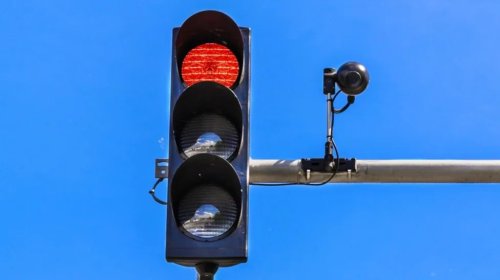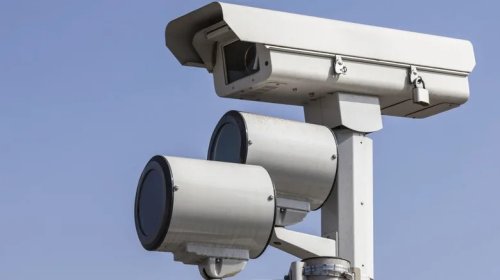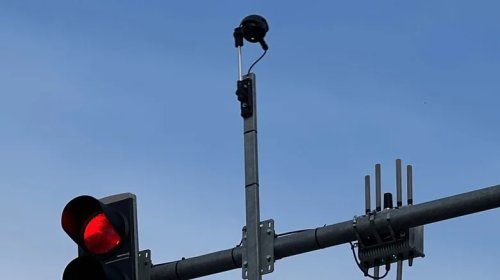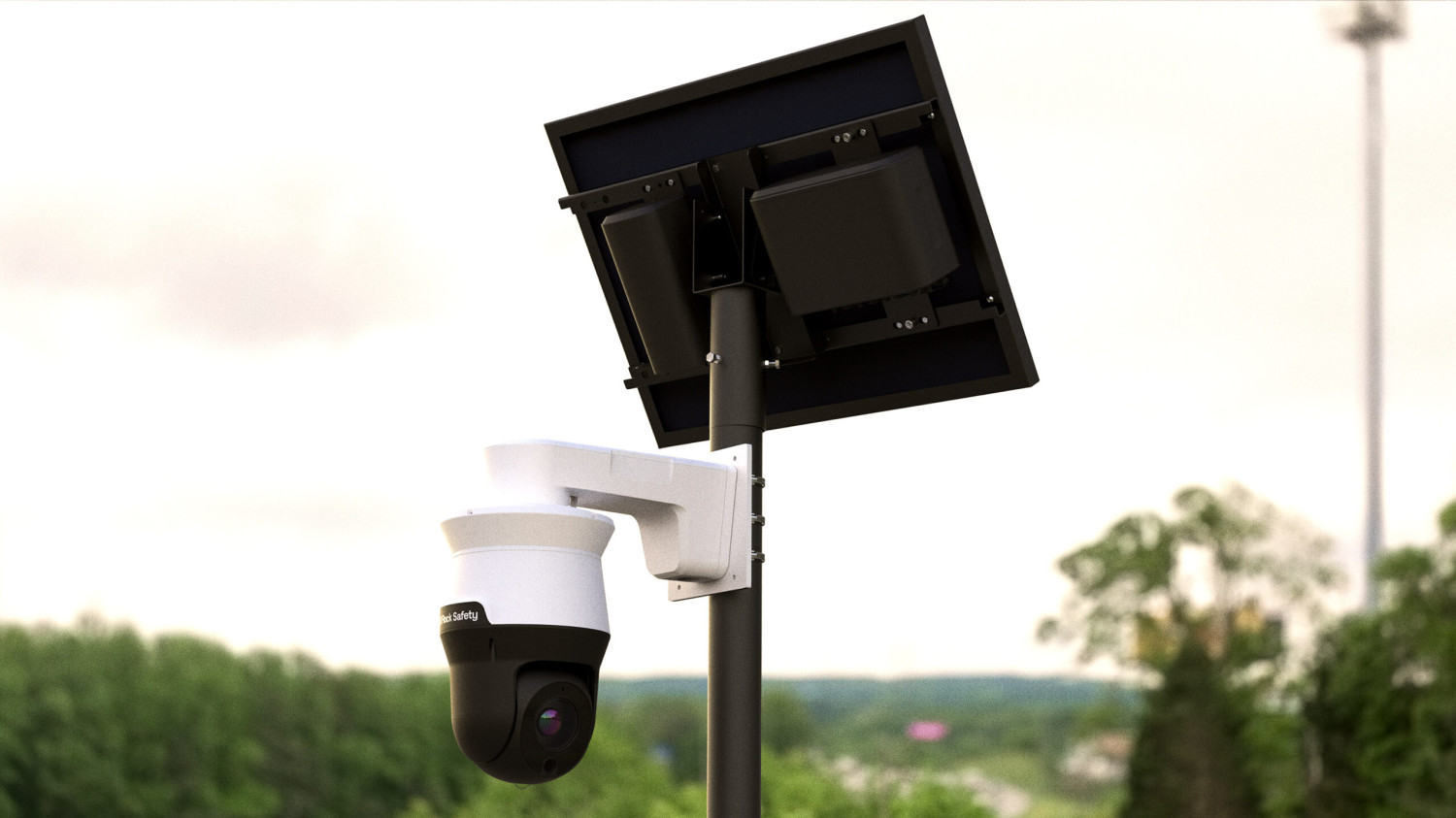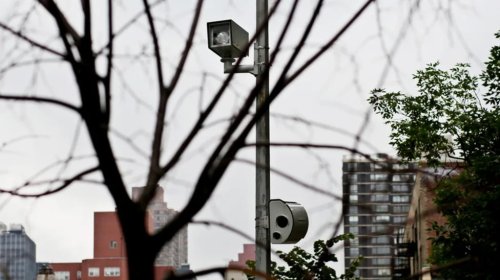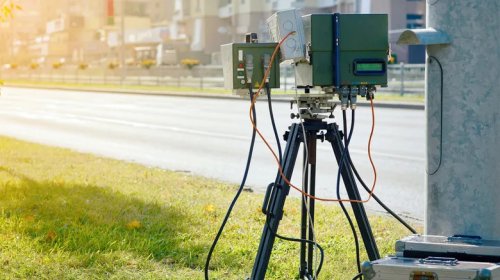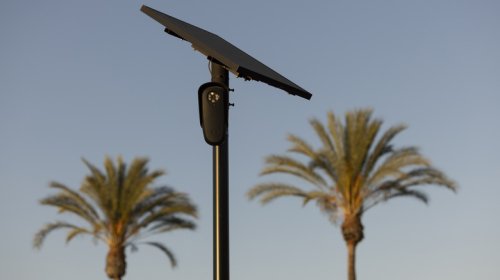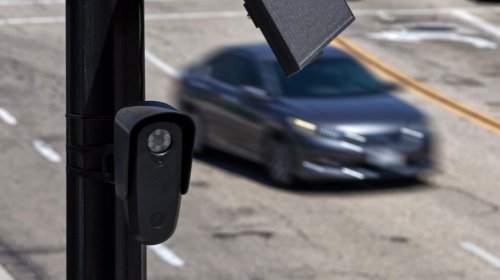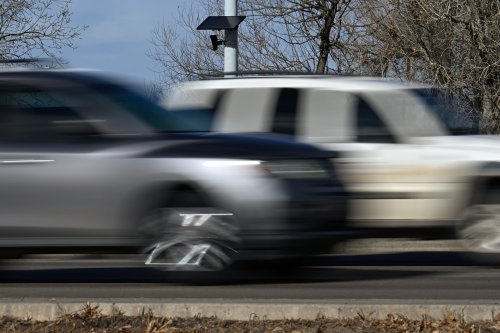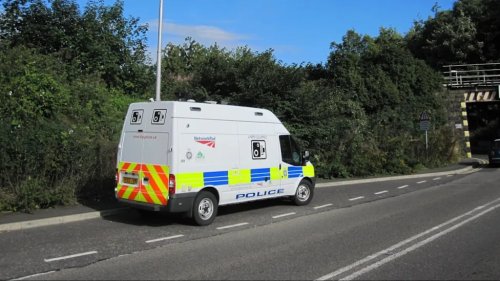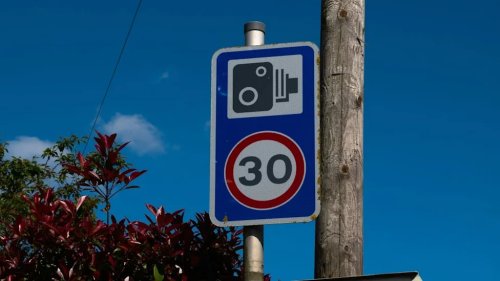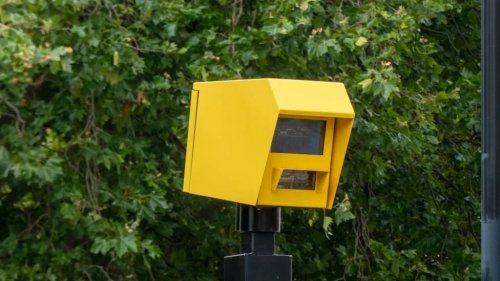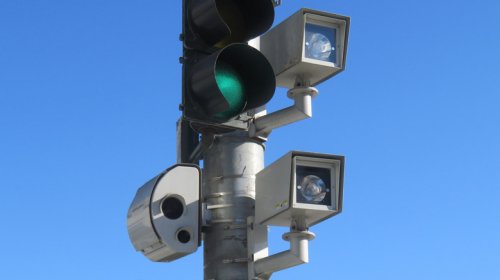



















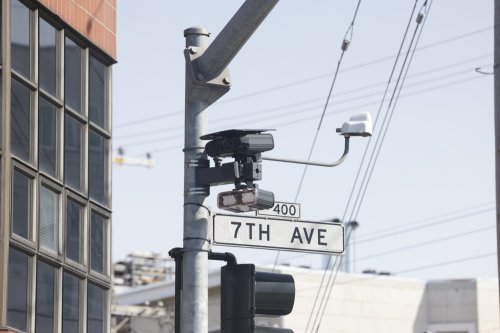


Drivers say new speed cameras are issuing tickets days after violations Drivers across several neighborhoods are reporting a weird new twist in the speed-camera era: the ticket doesn’t show up the next day, or even later that week. Instead, people say they’re getting notices days later—sometimes close to a week after they allegedly sped past a newly installed camera. It’s sparking a mix of reactions, from “Wait, when did I even drive there?” to the more practical frustration of not being able to check the details while the memory is still fresh. And because the cameras are new, plenty of folks are wondering whether this is normal growing pains or something the city should fix fast. “I thought it was spam until I saw the photo” Several drivers described the same moment: a letter or email comes in with a timestamp that doesn’t ring a bell. The footage looks like their car, the location seems familiar, but the delay makes the whole thing feel a little unreal—like getting a parking ticket for a spot you left days ago. One commuter said they received a citation five days after a drive through a corridor where new cameras recently went live. “If I’d known that day, I could’ve checked my dash cam and remembered what the traffic was doing,” they said. “Five days later, I’m just guessing.” What’s causing the delay? Delays like this can happen for a few reasons, and not all of them are sinister. Most speed-camera systems don’t automatically mail a ticket the instant a driver triggers the sensor; there’s usually a chain of steps—data upload, quality checks, plate reading, review, and printing or electronic delivery. If the cameras are newly installed, that workflow can be slower at first. Agencies often start with extra manual review to confirm the system is catching the right cars, reading plates correctly, and not flagging someone because a nearby truck reflected a sensor weirdly. It’s a bit like breaking in new shoes—uncomfortable at the start, hopefully smoother later. New cameras, new backlog Another common culprit is volume. When new enforcement begins, there’s often a surge of violations simply because drivers haven’t adjusted yet, signs might be missed, or people are still driving a familiar route on autopilot. That surge can create a backlog in processing, especially if the program relies on staff to review each clip before issuing a citation. Even if the system is mostly automated, someone still has to handle exceptions—unclear plates, weather glare, multiple cars in the frame, or contested readings. Why the timing matters to drivers To a lot of people, the speed itself isn’t the only issue—it’s the delayed feedback. If a driver gets a warning quickly, they can change their behavior on that route right away. If it arrives a week later, it’s more like a surprise bill than a real-time safety nudge. Drivers also say the delay complicates disputes. It’s harder to recall whether traffic was flowing faster than usual, whether there was a sudden merge, or whether the posted limit had just changed. And if someone shares a vehicle with family members, a late-arriving ticket can turn into a household mystery: “Okay… who drove through here on Tuesday?” Are tickets still valid if they arrive days later? In many places, yes—there’s often a legal window for issuing a citation that’s longer than a few days. The exact rules vary by jurisdiction, but programs typically have a defined timeframe to send a notice after a violation is recorded. Still, drivers argue that “valid” and “fair-feeling” aren’t the same thing. Even if the city is within the allowed window, people want the process to feel timely, transparent, and easy to verify. When the notice arrives late, trust takes a hit, especially if the cameras are new and residents are already skeptical. What officials and vendors usually say When delays happen, transportation departments and camera vendors often point to processing and verification steps. They’ll typically say the system needs time to review images, confirm plate numbers, and ensure each ticket meets legal standards before it’s mailed or posted to an online portal. Some programs also route citations through third-party processors, which adds another handoff. If the camera network uses cellular connections, data uploads can be slower during heavy usage or if there are connectivity hiccups. In plain terms: it’s not always a single machine spitting out a ticket; it’s a small assembly line. Common questions drivers are asking right now People mainly want to know whether the camera is fully “live” or still in a warning phase. They also want clarity on when the clock starts for payment deadlines—does it begin on the violation date, the processing date, or the date the notice is issued? Another big one: how to view evidence. If there’s an online portal, drivers want it to be updated quickly, not after the letter finally arrives. A surprising number of complaints boil down to a simple wish: “Show me the clip sooner, so I can understand what happened.” What drivers can do if a ticket shows up late If you receive a citation days later, the first move is to check the details closely: date, time, location, speed, and the posted limit shown on the notice. If the program provides photos or video, look for anything that could affect accuracy, like multiple vehicles in the frame, an obscured plate, or signage that’s not visible. If something doesn’t add up, follow the dispute instructions and keep it factual. People who’ve had success contesting automated tickets often focus on specific issues—incorrect plate read, unclear driver/car match, or a speed reading that appears inconsistent with the scene—rather than a general “this feels unfair.” Will the delays get better? They often do, especially after the initial rollout. Once a program clears any early backlog and staff get used to the workflow, processing times can shrink noticeably. If the delay is caused by software tuning—like improving plate recognition or filtering out false triggers—that can also stabilize after the first few weeks. But drivers say improvement needs to be visible, not just promised. Clear timelines, an updated FAQ, and a portal that shows pending citations sooner can calm a lot of the anxiety. When people understand what’s happening behind the scenes, they’re less likely to assume the system is broken—or worse, that it’s designed to surprise them. A small delay, a big trust test Speed cameras are usually sold as a safety tool, not a “gotcha” machine. That’s why timing matters: quick notice feels like behavior correction, while late notice feels like punishment by mail. The longer the gap, the harder it is for people to connect the ticket to a real moment on the road. For now, drivers are watching closely—some slowing down, some grumbling, most doing both. And if there’s one thing nearly everyone agrees on, it’s this: if the cameras are going to enforce the rules, the process should be as clear and timely as the flash that caught the car in the first place. More from Fast Lane Only Unboxing the WWII Jeep in a Crate 15 rare Chevys collectors are quietly buying 10 underrated V8s still worth hunting down Police notice this before you even roll window down