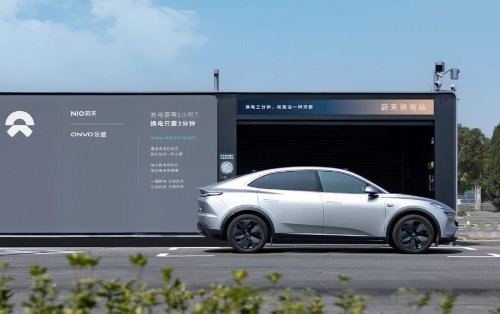
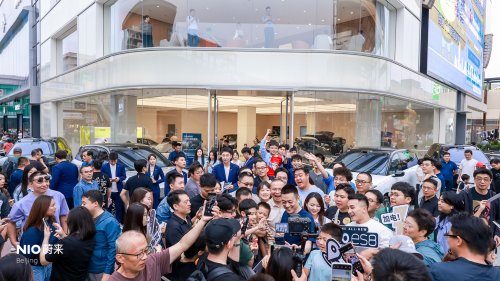
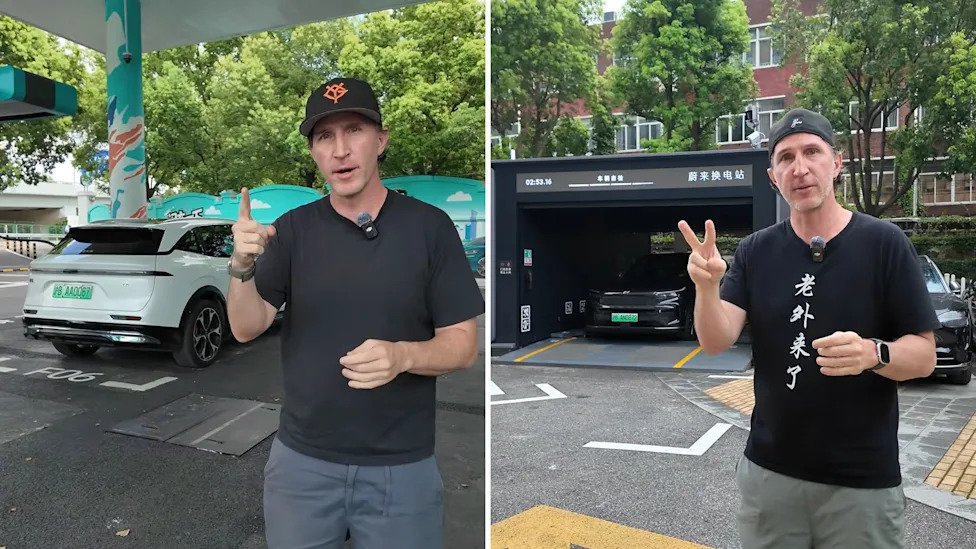
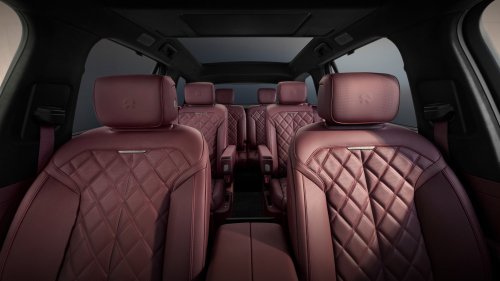
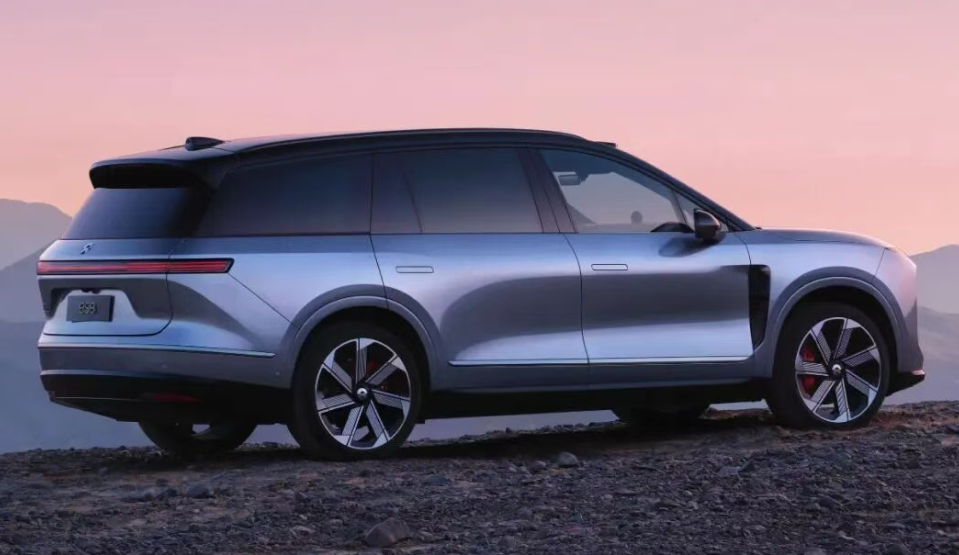
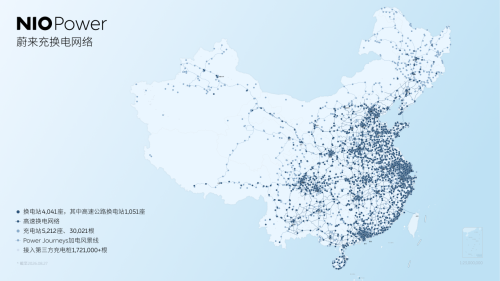
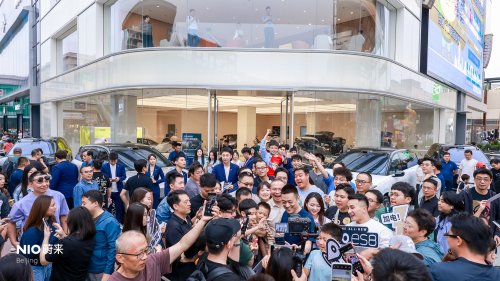
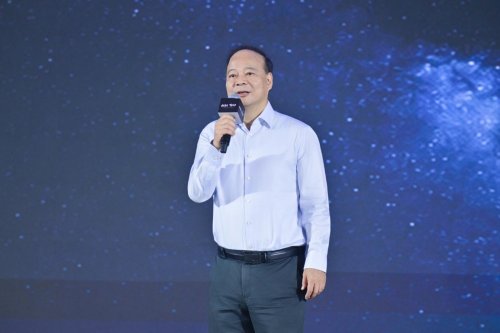
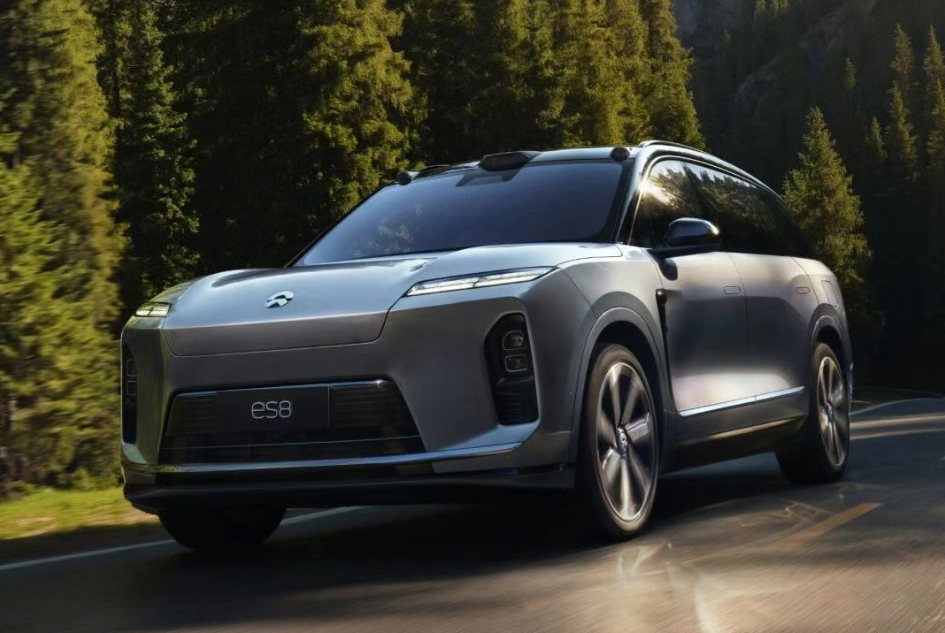
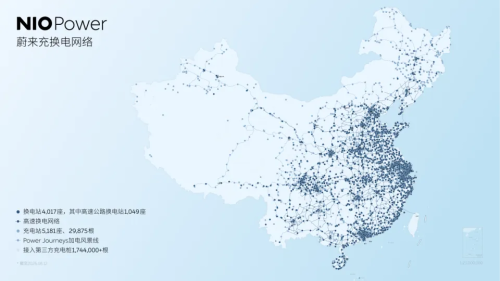
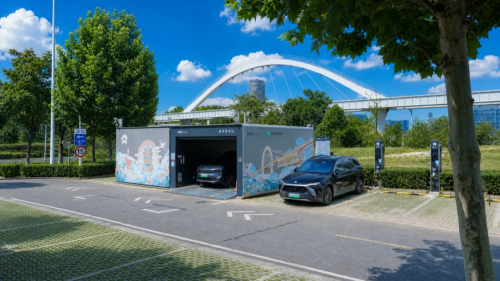
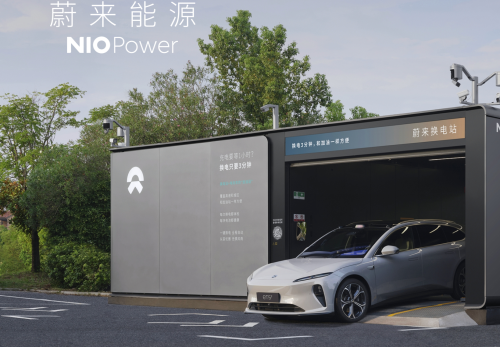
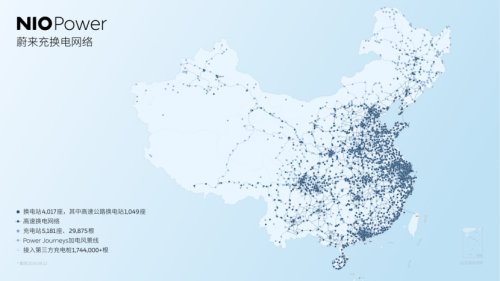
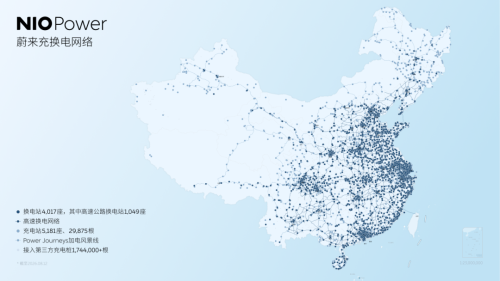
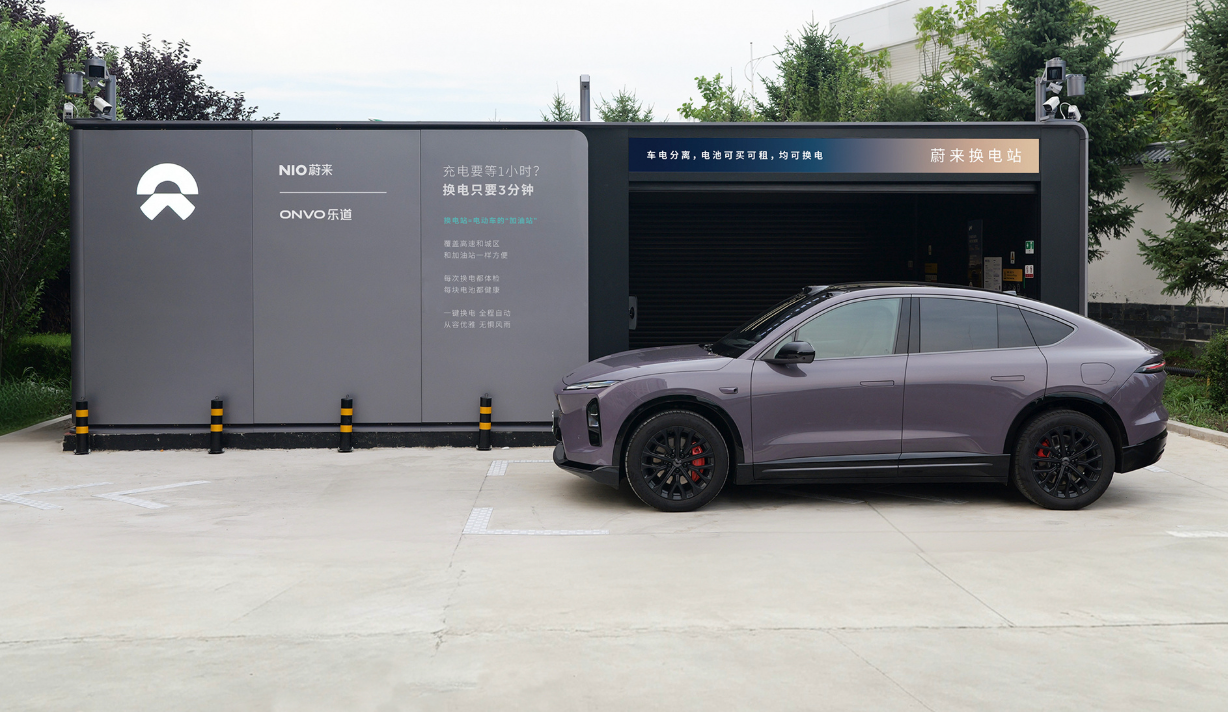
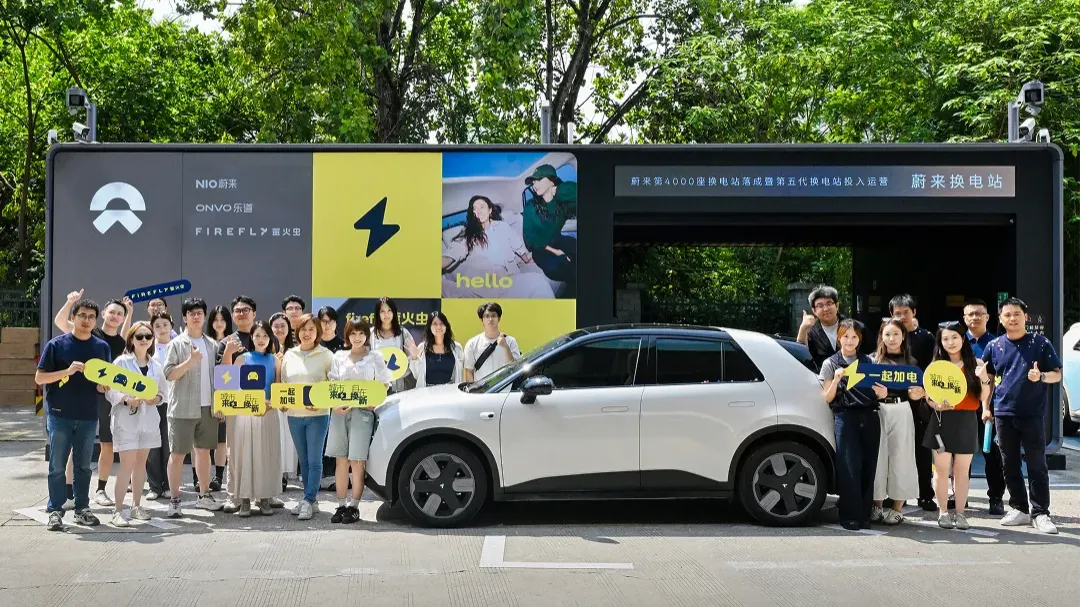
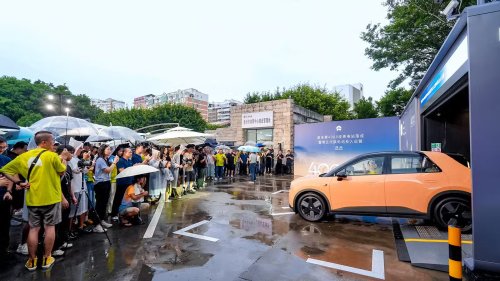
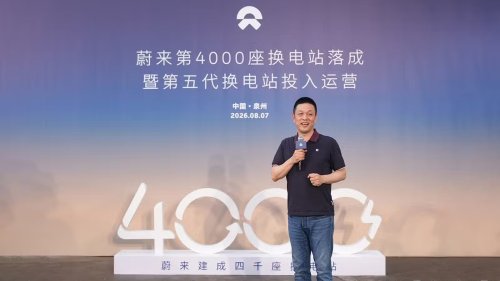
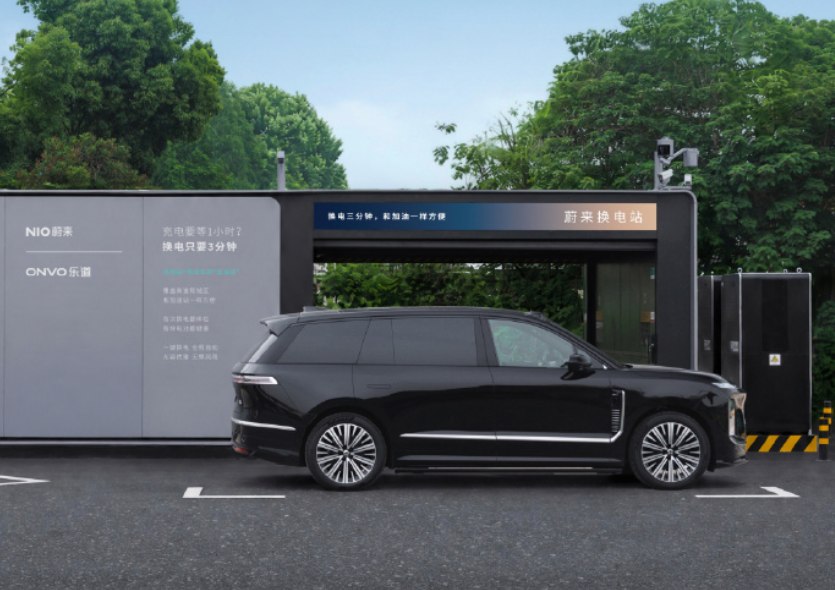
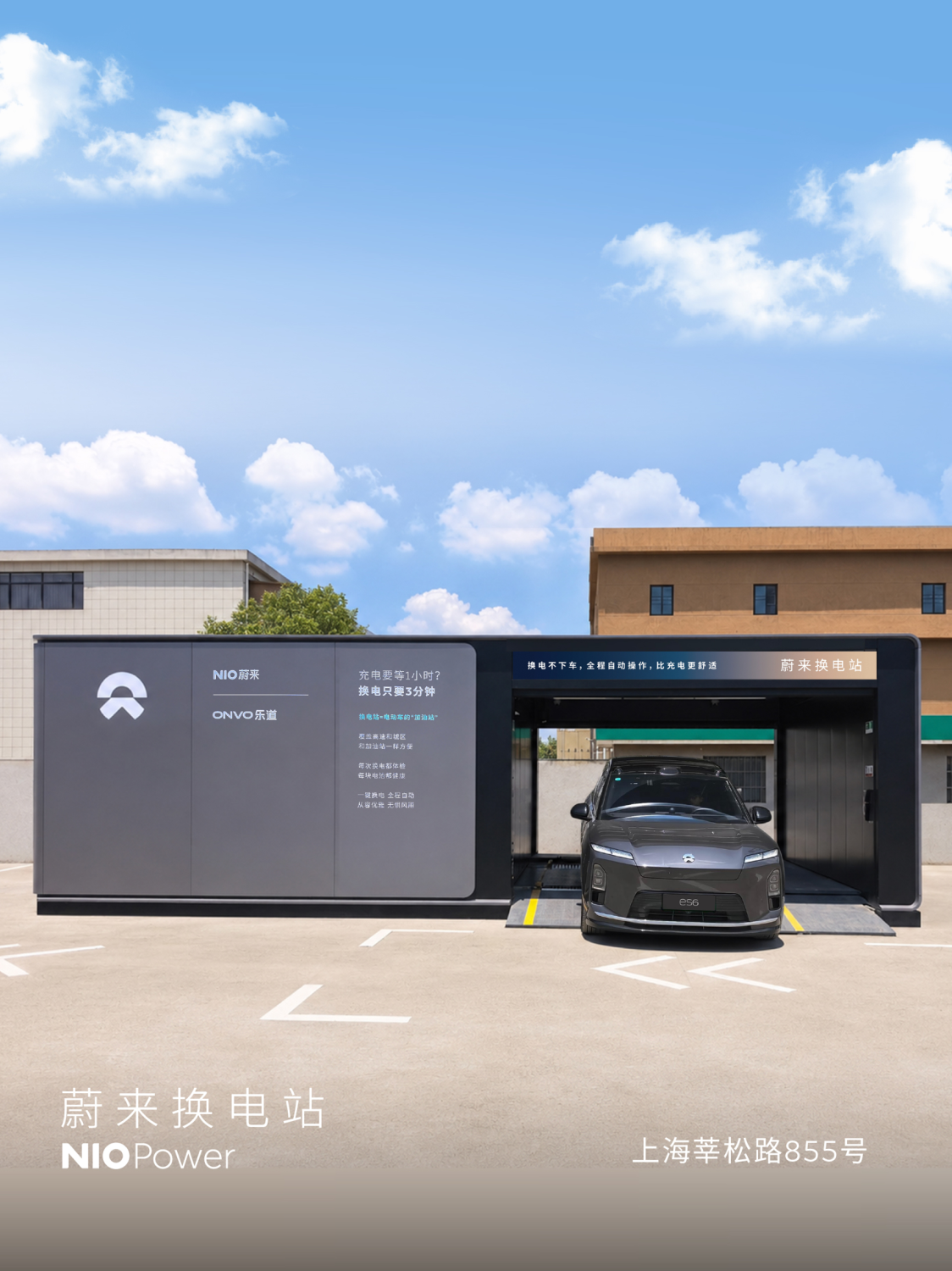
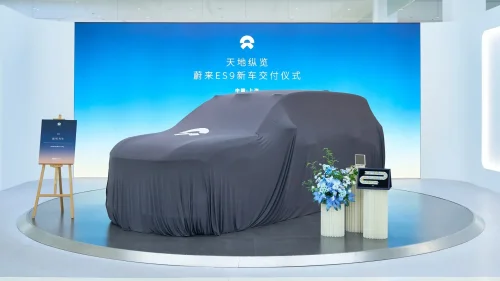
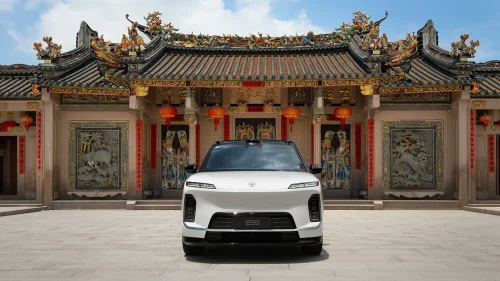
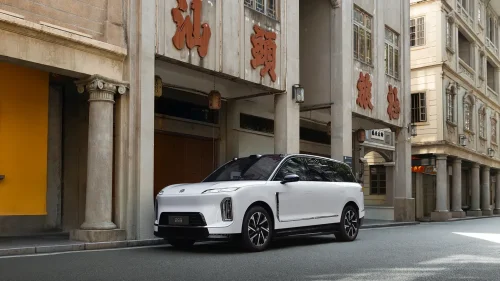
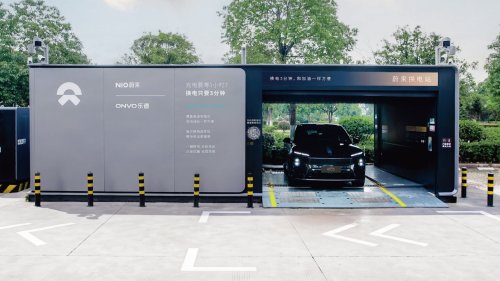
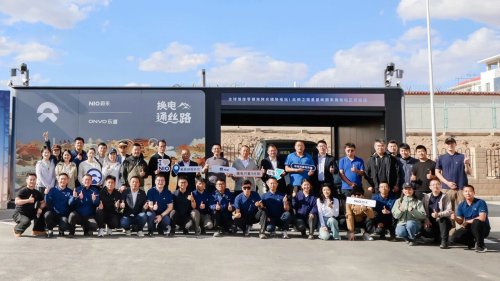
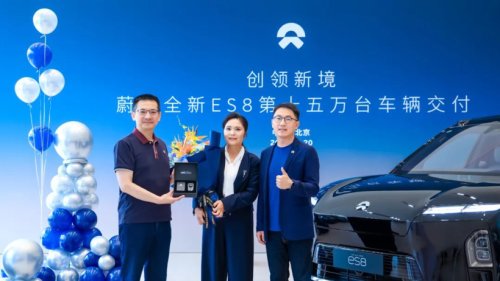
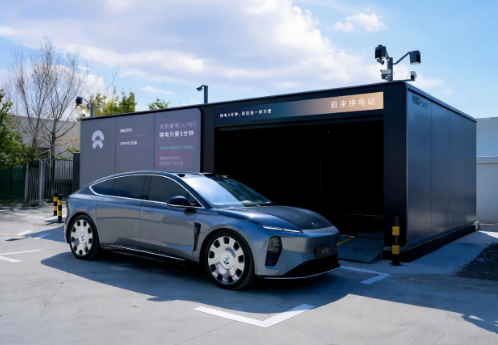
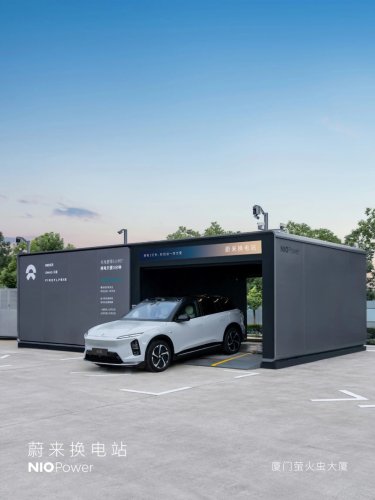
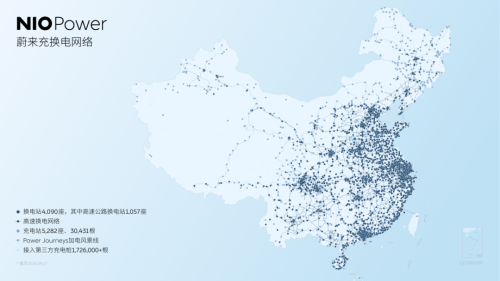
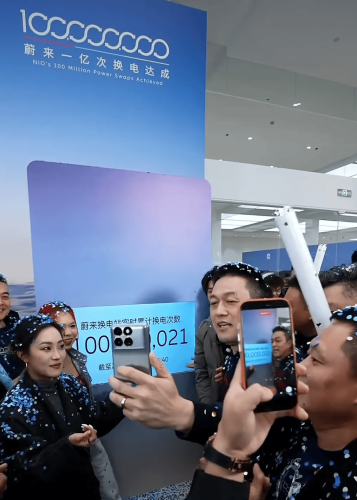
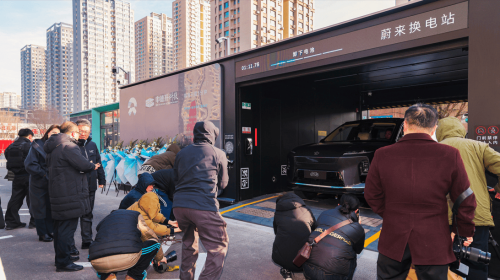
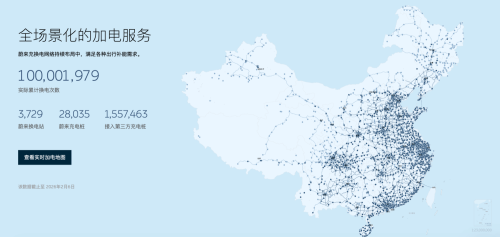
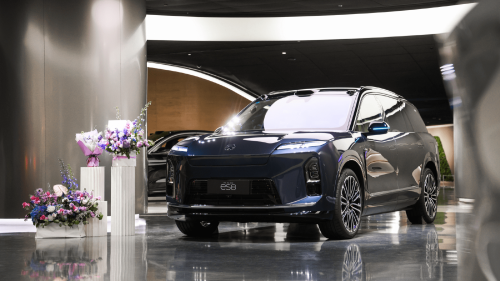
100 million battery swaps mark a milestone for NIO and a landmark for the Chinese automotive industry. After 2,819 days, NIO’s core underlying capability—the battery swap network—has reached a milestone worthy of the Chinese automotive history books: 100M commercial swaps. William Li and Shen Fei witnessed this moment via livestream. Simultaneously, Shen announced a festive giveaway: ONVO owners will enjoy waived service fees for battery swaps during the Chinese New Year. Livestream screenshot of NIO’s 100 millionth battery swap To trace the roots, NIO’s very first battery swap station began operations on May 20, 2018, at Nanshan Science and Technology Park in Shenzhen. Back then, a station held only 4–5 batteries, with a daily capacity of 72–120 swaps. Each swap took 4–5 minutes and required manual assistance for vehicle positioning—a process that gave birth to the early, iconic “NIO Squat”. Fast forward nearly six years, the network has evolved to its fourth generation. The swap time has been slashed to 2 minutes and 24 seconds, while capacity has grown to 23 batteries per station, supporting up to 480 swaps daily. By Q2 2026, Gen 5 stations will begin construction, promising even faster speeds, better compatibility, and lower costs. NIO battery swap in progress Looking at these figures, the jump from 1 to 100M swaps is more than just a numerical accumulation; it represents the steady elevation of NIO’s systematic capabilities. NIO isn’t the only player in the swap space, but it remains peerless in terms of investment scale, technical reserves, operational expertise, and network density. The scale of investment alone—exceeding 18B RMB in charging and swapping—places NIO in a league of its own. This infrastructure has become NIO’s “killing blow” (Ace card). NIO’s city list of historical battery swap milestones To date, NIO has deployed over 3,700 swap stations, including more than 1,000 along highways. This network—covering “9 Vertical, 11 Horizontal, and 16 Major City Clusters”—connects 550 cities across China. Furthermore, NIO’s “County-to-County” initiative is hitting its stride, with nine provinces already fully covered. In 2025, the network reached the famous G318 Sichuan-Tibet highway and other remote routes, drastically enhancing travel convenience. From another perspective, Li’s “Chargeable, Swappable, Upgradable” philosophy only gains true credibility once the system proves its stability and sustainability through such massive usage and coverage. NIO’s charging and swapping network Hitting this 100M milestone in early 2026 signals a subtle yet profound shift for NIO. The keyword here is Confidence. Lately, NIO has been on a streak of positive news: the ES8 has delivered over 60K units, leading the 400K+ RMB luxury electric SUV segment. Total vehicle production has also hit the 1M unit milestone. New NIO ES8 Most importantly, NIO issued a “Profitability Forecast” for Q4, anticipating an adjusted operating profit between 700M RMB and 1.2B RMB. Lastly, and perhaps most fundamentally, is the 100-million-swap milestone. These events may seem isolated, but they are deeply interconnected—the swap network is the foundation, and the products are the tangible manifestation of that value. This closed-loop success suggests that the era of “negative returns” from massive infrastructure spending is nearing its end. As NIO moves onto a trajectory of positive growth, the inherent advantages of battery swapping—convenience, safety, and sustainability—will become increasingly prominent, just as Li has insisted for years. The difference now is that the audience believing in this commercial narrative is far larger than ever before. Profitability in Q4, the 1M production milestone, and now 100M swaps—each marks a “New Starting Point” for NIO. For the company and its supporters, the moment of “seeing the moon through the clouds” (the light at the end of the tunnel) has finally arrived.



















 +74 others