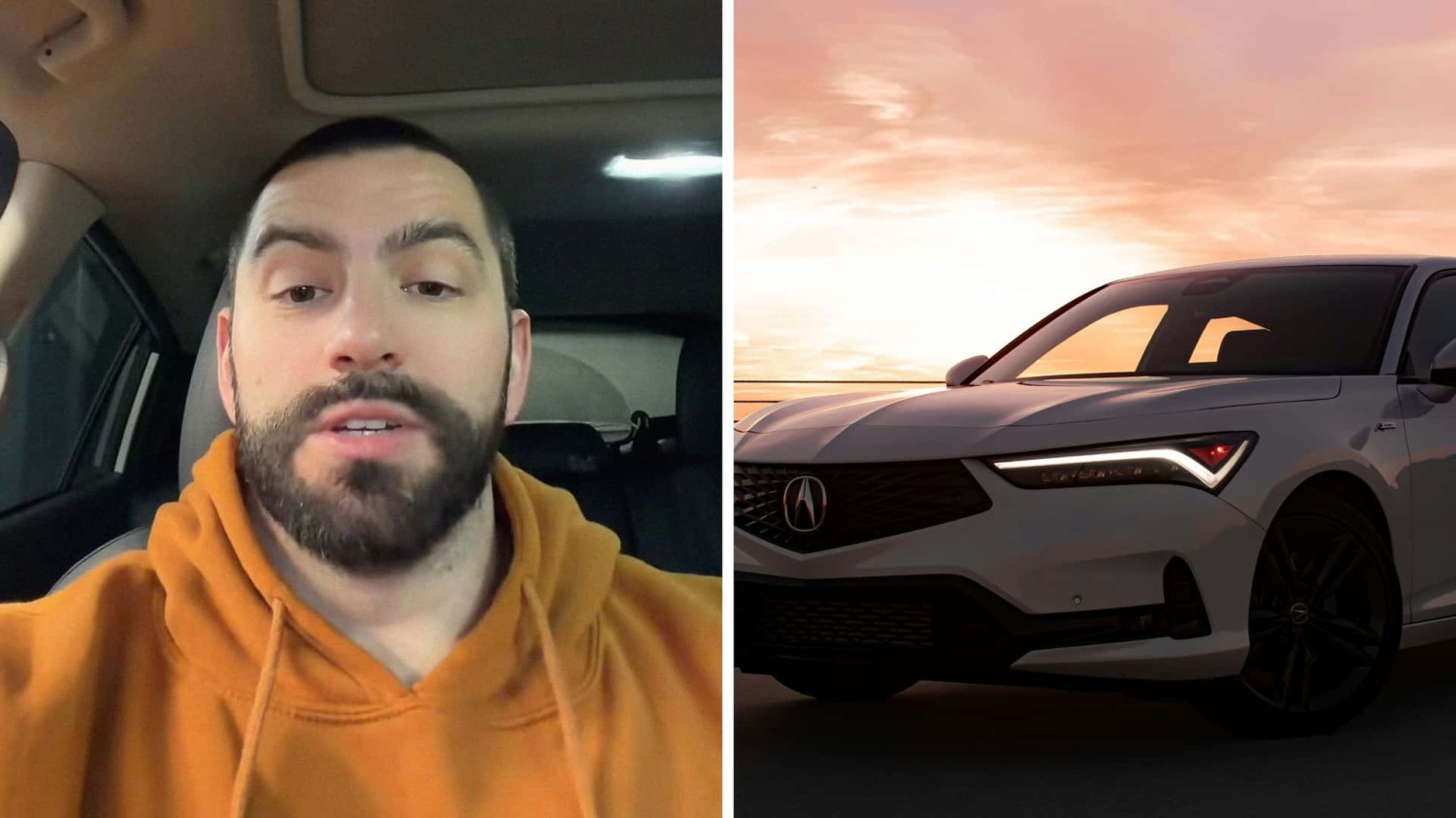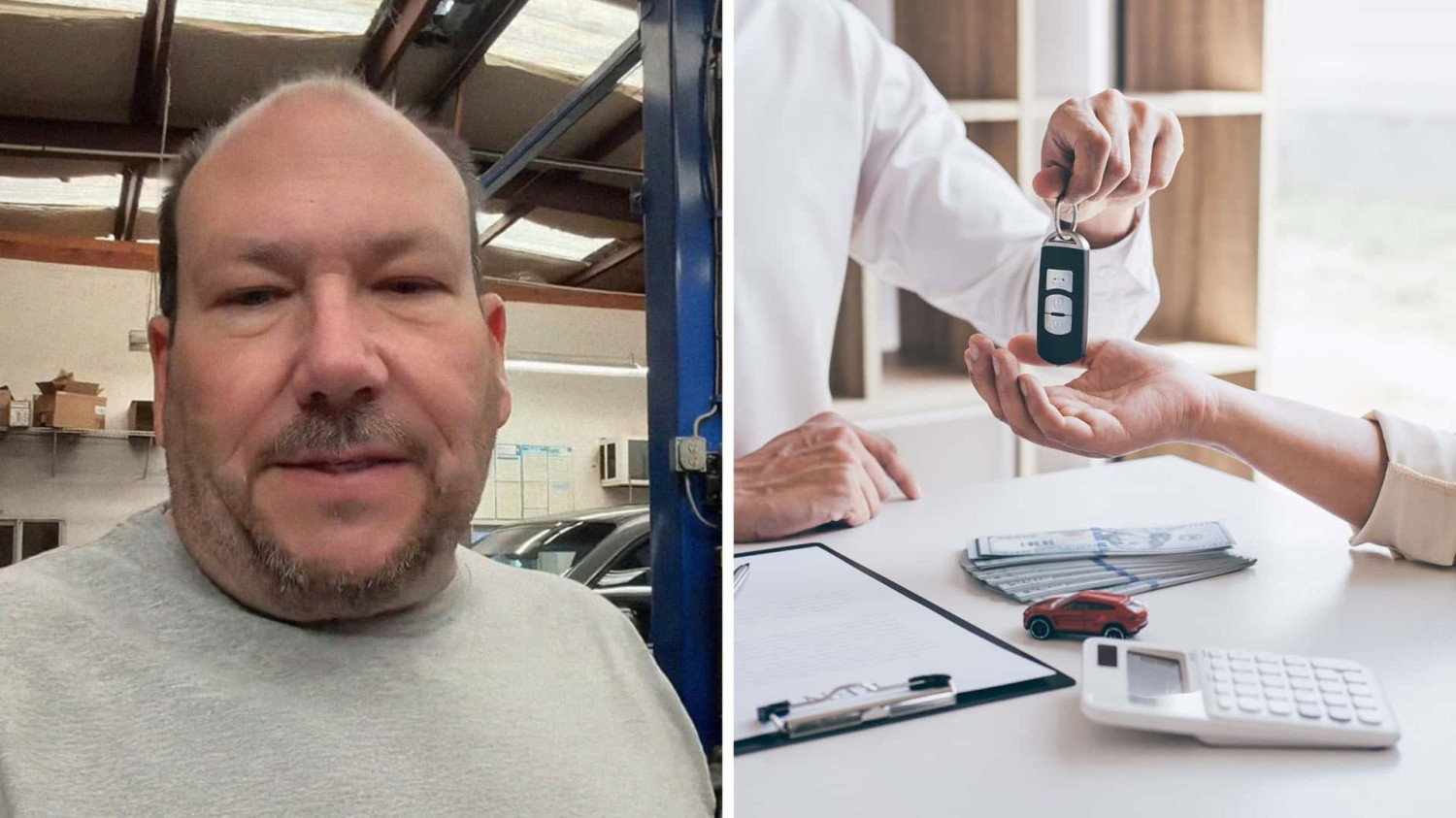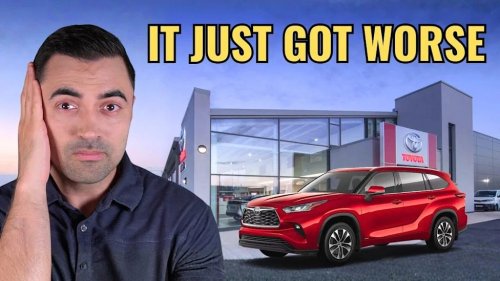



















why car dealers keep getting worse This video looks at how car dealers rip you off and the car dealer fees you should avoid when buying a car. We show you exactly what car dealership rip-offs, fees, products, and services to never pay when buying a car. Car dealer scams are still happening in 2026. There are many fake fees, market adjustment fees, scams, and dealer rip-offs you need to avoid. If you want to know how to buy a car without getting ripped off, make sure to watch this video before you buy. These Are The 10 Safest Car Brands For Day-to-Day Living The AutoGuide Creators Series tells stories and amplifies creators from the car world, including family life, car buying advice, commuting tips and car culture. Is buying a car from a dealer getting even worse? That's what we're going to find out. Welcome to Car Help Corner. As a consultant who helps consumers negotiate new-car deals, I've seen countless examples of dealerships taking advantage of buyers-often overcharging by thousands of dollars, sometimes more. In this article, I'm breaking down the five most common ways I see consumers get ripped off, along with what you can do to protect yourself. 1) Dealer add-ons quietly baked into the deal One of the biggest issues right now is dealerships automatically including add-on products in the price of the vehicle. These add-ons are typically high-profit items dealers use to pad margins, including: Anti-theft etching or "security" packages Wheel and tire protection Key fob protection Paint and interior protection Rust proofing products GAP insurance And other similar "protection" plans In the past, dealers usually pitched these items in the finance office using high-pressure tactics. Now, many stores simply pre-load them onto the contract and hope you either don't notice or won't challenge them. If you try to remove the add-ons, some dealers make it difficult-or claim they're mandatory: "Take it or leave it." This is especially common with high-demand vehicles, like certain Toyotas, hybrids, and hard-to-get models. The dollars add up fast. One or two products can add hundreds to over $1,000. Some deals pile on several thousand. I recently saw a contract for a new Toyota Highlander with over $9,000 in dealer add-ons automatically included. The only item the dealer was willing to remove was the extended warranty. Another deal I reviewed for a Toyota RAV4 included over $18,000 in add-ons-about 50% of the vehicle's MSRP. That's outrageous. Worse, many of these products add little value, and some add none. A prime example is the so-called electronic rust module. You can find similar modules online for around $150, yet some dealers charge $1,500 to $3,000 for them. Paying $3,000 for a $150 product is the definition of price gouging. If a dealer includes products you didn't request, have them removed. Don't accept "mandatory" add-ons. In many regions, forcing products as a condition of purchase is considered an illegal sales practice ("tied selling") and shouldn't be tolerated. 2) Charging more if you want to pay cash Another tactic I see frequently-especially on used cars-is dealers charging a higher price if you pay cash instead of financing. Dealerships often earn money when you finance through a bank that provides them a kickback. Because of that, some stores will try to discourage cash buyers by adding $2,000 to $3,000 to the price if you don't finance. Think about how backwards that is: a buyer tries to do the responsible thing-avoid debt and pay outright-and the dealer penalizes them because financing is more profitable. If the vehicle is advertised at a certain price, don't let the dealer tell you the cash price is higher. In regions with all-in pricing/advertising rules (including Ontario), charging more than the advertised price because you're paying cash is illegal. If you run into this, document it and report the dealership to the appropriate regulator in your region. 3) Refusing to provide a written price quote This one has become a major problem: dealerships that won't give you a full written quote. Instead of letting you review the full breakdown-vehicle price, fees, add-ons, taxes-some dealers only show you the final numbers right before you're asked to sign, when you're sitting in the office under pressure. Why? Because they don't want you taking the quote to competitors and shopping around. In other words, they're trying to block you from doing due diligence. As a consumer, you have every right to a full price quote in writing or by email. Take your time, read it carefully, and don't let anyone rush you into signing something you haven't reviewed. One of the worst situations is having the contract put in front of you and being pressured to sign on the spot. That's how people end up overpaying, getting hit with unexpected fees, and walking away with immediate buyer's remorse. 4) Finance office pressure to buy "extras" Even if a dealer isn't automatically baking add-ons into the deal, many will still try to sell you extras in the F&I (finance and insurance) office. This is one of the biggest profit centers in the dealership. Typical products include: Extended warranties Maintenance plans Paint protection (ceramic coating, PPF) Rust protection The key point: you should never buy these products under pressure without comparing options elsewhere. If you want paint protection, go to a reputable detailing shop specializing in ceramic coatings or paint protection film-you'll typically get better work and better value. If you want rust protection, use a reputable rustproofing company (for example, an oil-spray treatment) rather than paying dealership pricing. And if you're considering an extended warranty, you usually don't need to decide immediately. Many people don't realize you can often wait until closer to the end of the factory warranty period before deciding whether extended coverage still makes sense. 5) Lowballing your trade-in to make back the money Even after you negotiate a fair deal and avoid the add-on traps, you can still get burned at the end: the dealership tries to recover margin by lowballing your trade-in. The best way to protect yourself is to show up prepared with real numbers. Get a firm offer beforehand from an instant-offer service so you know what your vehicle is worth. In Canada, that can include sites like Autotrader or Clutch.ca. In the U.S., services like CarMax and Carvana can provide quick purchase offers. Take the strongest offer with you and require the dealer to match it-or beat it-so you're not giving away thousands on the trade. Buying a car shouldn't feel like a minefield, but it often is. If you watch for these five traps-hidden add-ons, cash-price markups, withheld quotes, finance-office pressure, and trade-in lowballs-you'll dramatically reduce the odds of getting taken advantage of. If you need professional help reviewing an offer before you sign, or support negotiating a deal, you can also book a consultation through carhelpcanada.com. 2027 Mercedes-Benz S-Class: All the Details