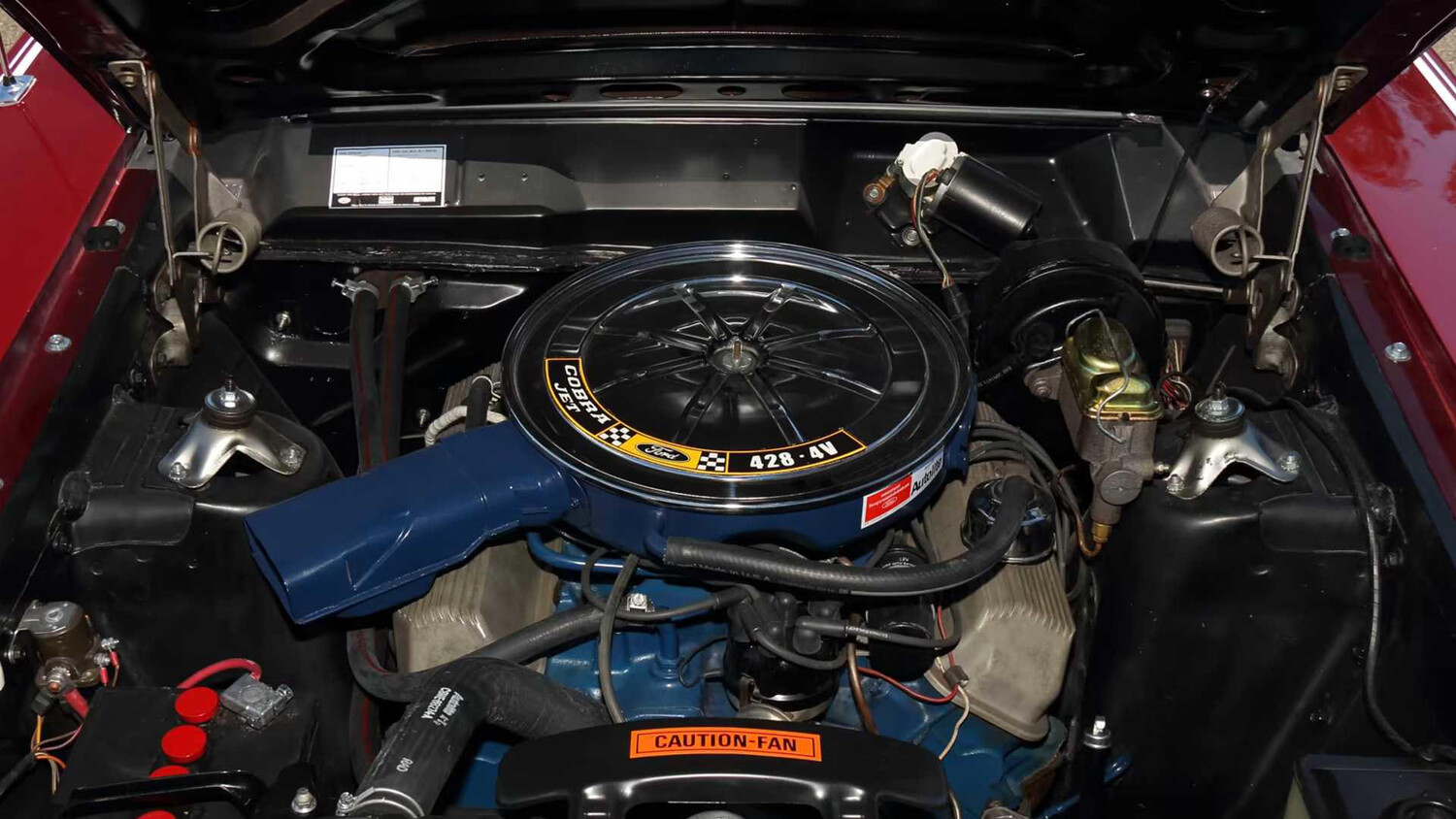
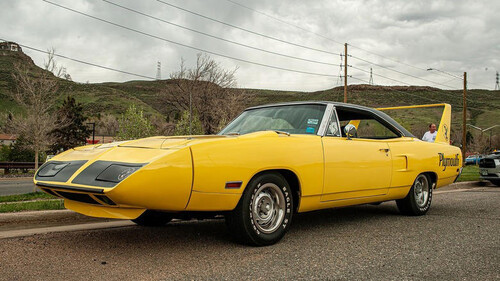
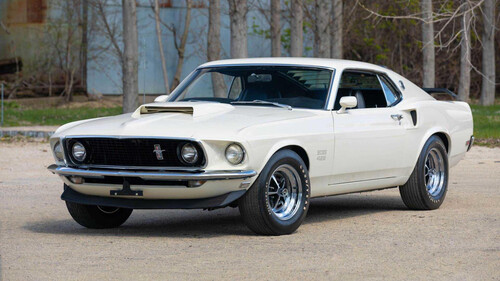
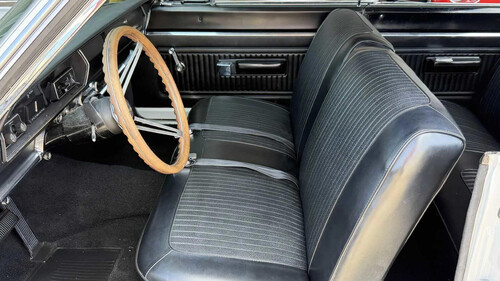
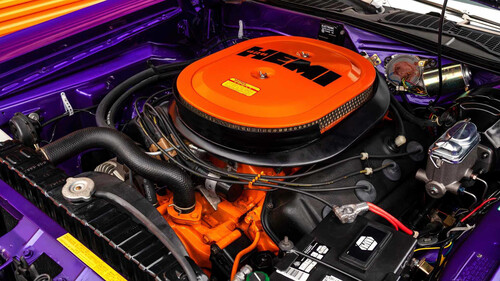
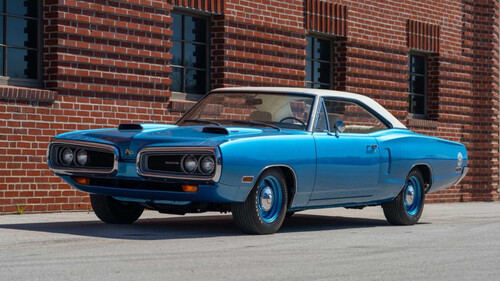
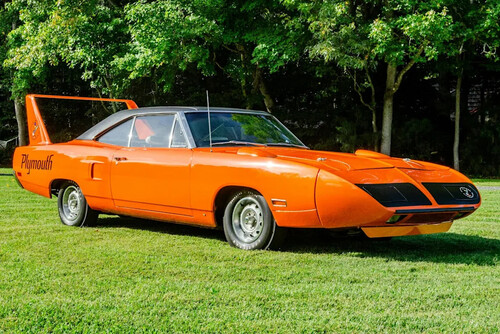
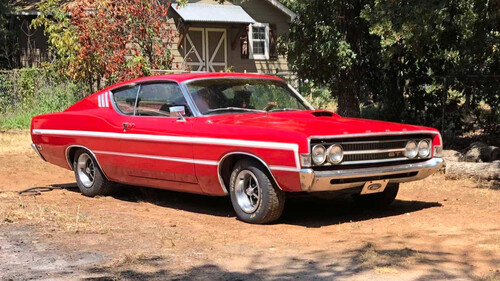
Not every muscle car that rolled out of Detroit in the late ’60s was built solely for the streets. Some were born to cheat the wind on high-banked ovals, designed to meet NASCAR’s strict homologation rules. That meant a handful of coupes with race-car aerodynamics had to be dumped onto dealership lots, whether the sales team liked it or not.In 1969, Ford dealers found themselves staring at a low-slung, oddly stretched muscle car that looked nothing like what customers expected. Most buyers walked past it. That forgotten monster, built around NASCAR’s demands, but only 750 examples were built. The Ford Muscle Car That Looked Wrong On Showroom Floors Via: Mecum Auctions By 1969, Ford was deep in the fight for NASCAR dominance. To compete in races, manufacturers had to sell at least 500 street versions of their aerodynamic specials. That rule gave birth to the 1969 Ford Torino Talladega – a car that didn’t look like anything else on a showroom floor.Built around the midsize Torino fastback, it carried a long nose, a flush grille, and a rolled front bumper designed to slice through the air at 190 mph. Engineers even dropped the rocker panels an inch lower to cheat the wind. The result looked slippery on track, but strange parked next to a bright Mustang Mach 1.Via: Mecum AuctionsFord produced approximately 750 Talladegas in early 1969, making them rarer than the Mustang Boss 429. Each was built with the same purpose: to keep Richard Petty, David Pearson, and the Blue Oval’s stock car teams competitive against Mopar’s aero warriors. On paper, it worked. The car had the right lines and the right heart, the 428 Cobra Jet big block under the hood. But on the lot, dealers didn’t know how to explain why a stretched Torino with limited color choices and a plain column shifter cost more than a regular coupe.Via: Mecum AuctionsCasual buyers looking for chrome, stripes, and four-speed fun had no interest in a car that looked plain to the untrained eye. Even against a contemporary Torino GT, the Talladega seemed stripped of flair, built more for wind tunnels than weekend cruising. The sales team was stuck with cars that didn’t move, which only reinforced the feeling that Ford had built something meant for race teams, not suburban garages.The Talladega’s problem was never speed. It was perception. Customers didn’t see a NASCAR weapon; they saw a weird Torino nobody asked for. That disconnect is exactly why dealers struggled to sell one of Ford’s rarest muscle cars. NASCAR-Bred Ford Torino With A 428 Cobra Jet That Buyers Didn’t Get Via: Mecum Auctions Every Talladega rolled out with the same powertrain: the 428 Cobra Jet V8, rated at 335 hp. Anyone who has driven or dyno-tested one knows that figure was underrated. Real output was closer to 400 hp with 440 lb-ft of torque, more than enough to shove nearly 3,800 lbs of midsize Ford down a NASCAR straight. It was the same big block V8 that made Mustangs dragstrip terrors, but Ford locked it down in a configuration that confused muscle car fans.Via: Mecum Auctions 1969 Ford Torino Talladega Specs Engine: 428 Cobra Jet V8, 7.0 liters Power: 335 hp (factory rating) Torque: 440 lb-ft Transmission: C-6 3-speed automatic Weight: ~3,800 lbs Production: 750 units Instead of a four-speed, all 750 Talladegas came with a C-6 three-speed automatic. To make matters worse for enthusiasts, the shifter sat on the column. No console, no floor shifter, no option to row your own gears. Ford kept things simple for homologation, but it stripped away the excitement buyers expected from a muscle car in 1969. With only a few paint colors and trim choices, the Talladega felt one-size-fits-all at a time when rivals were offering endless customization.Compared to other homologation cars of the era, the Talladega looked even more restricted. The Chevy Camaro ZL1could be ordered with a four-speed, and Mopar’s Dodge Daytona and Plymouth Superbird gave customers wild aero styling on top of HEMI options. Ford’s approach felt like a race car dressed in a plain suit. On track, the formula worked, but on dealer lots it backfired. Buyers couldn’t wrap their heads around a factory hot rod that didn’t let them shift gears or show off. Why Dealers Struggled To Sell The 1969 Torino Talladega Via: Mecum Auctions Ford’s NASCAR strategy put dealers in a tough spot. The rulebook said 500 cars had to be built, so Ford pushed out roughly 750 Talladegas and shipped them whether showrooms wanted them or not. Dealers were stuck with long-nosed Torinos that customers didn’t ask for. Cars sat unsold because buyers couldn’t figure out why this plain-looking coupe cost more than a flashy Torino GT or Mustang Mach 1.The Talladega’s subtle aero tricks made it a winner on track but a misfit on the street. The extended nose, tucked bumper, and lowered rockers gave the car a clean but awkward profile. To casual buyers, it looked stretched and stripped of muscle car flash. Without stripes, hood scoops, or loud paint, the car had no showroom curb appeal. Sales team could brag about NASCAR speeds, but buyers walking in with cash wanted chrome, a four-speed manual, and bragging rights at the local drag strip.MecumMeanwhile, Mopar nailed the marketing game. The Dodge Charger Daytona and Plymouth Superbird rolled out with wild wings, pointed noses, and optional HEMI engines. They looked like cartoon race cars, which made them perfect poster material even if they were just as strange to drive daily. Customers might not have needed the Daytona’s nose cone, but they wanted to be seen in one.Next to that, the Torino Talladega came off as too serious, too functional, and not fun enough for the street. That gap between racing purpose and customer demand explains why dealers struggled. Ford built a weapon for NASCAR, but it wasn’t built for the average American driveway. From Dealer Lot Reject To A Collector's Favorite Today Via: Mecum Auctions What dealers once saw as dead weight is now one of the most desirable Fords of the late ’60s. With only about 750 Torino Talladegas ever produced, surviving examples have become rare pieces of NASCAR history. Collectors finally appreciate what casual buyers in 1969 ignored: this was a purpose-built homologation car with direct ties to Ford’s racing program. The Torino Talladega Is Now Surprisingly Affordable Compared To Its Rivals The market tells the story clearly. Hagerty’s price guide pegs a Talladega at around $40,000 in fair condition, $68,300 in good condition, $97,300 in excellent condition, and up to $124,000 for concours-quality examples. Data from Classic.com shows recent sales averaging $47,753, which reflects steady demand. At major auctions like Mecum, clean cars regularly cross the block well above the $70,000 mark. That’s a massive turnaround for a coupe that once needed discounts just to clear dealer inventory.Part of the value comes from context. The Talladega is remembered as Ford’s answer to Mopar’s Daytona and Superbird, a moment when Detroit engineers stretched the limits of aerodynamics to win on Sunday. While Dodge and Plymouth went loud with wings and cartoon styling, Ford’s approach was subtle and calculated, and that makes it even more appealing to collectors today. The Talladega represents a rare case where understated engineering carried more weight than design flair.For enthusiasts hunting for a piece of motorsport history, the Talladega checks every box: big-block power, NASCAR pedigree, limited production, and a story tied directly to the golden era of stock car racing. What once felt too extreme for the street is now recognized as exactly what made it special. Today, owning a Talladega means holding one of the few Ford muscle cars that bridged the gap between the dealership and Daytona.Sources: Ford, Mecum Auctions, Classic, Hagerty.