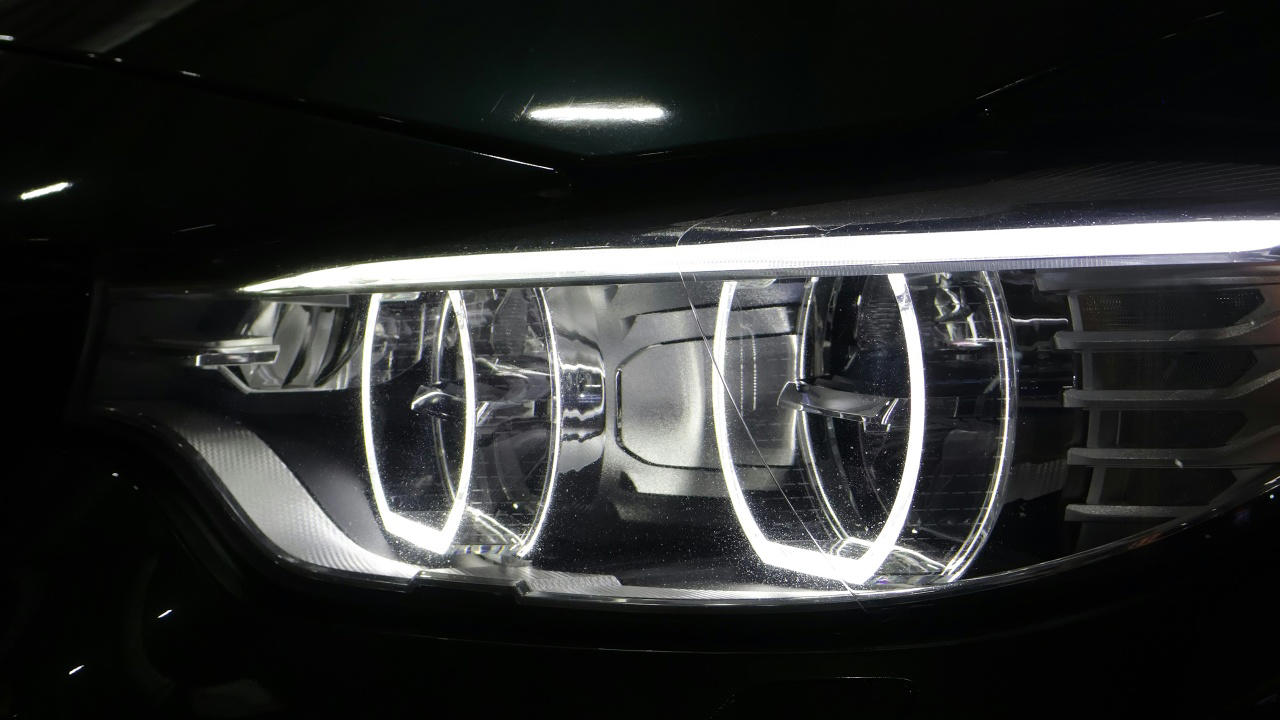
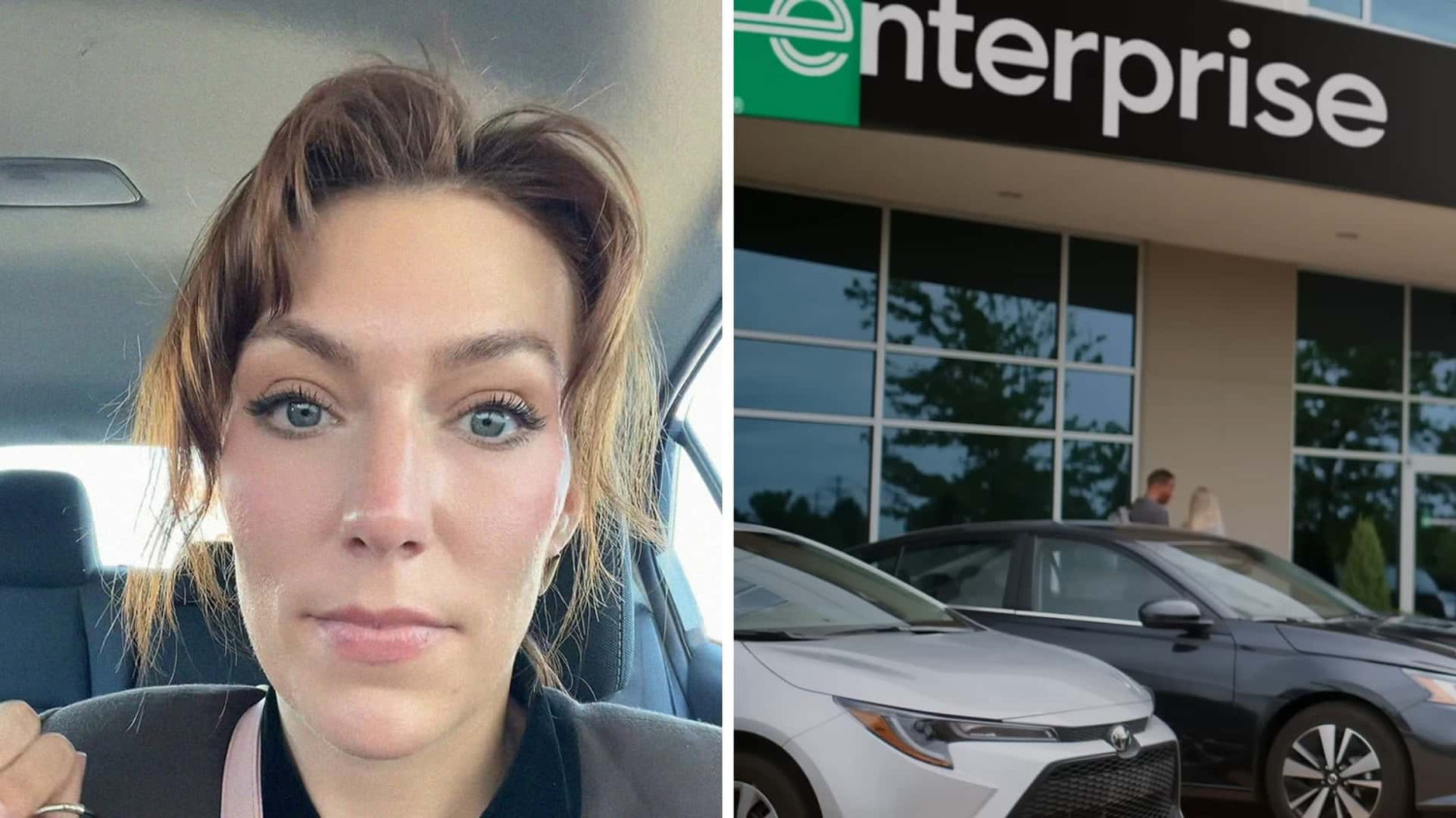
Across the United States, drivers are being pulled over and fined for lighting violations tied to equipment they never personally installed. Rental cars, used vehicles, and even dealer “upgrades” are leaving motorists responsible for tickets that trace back to someone else’s choices or neglect. The result is a growing tension between rapidly evolving lighting technology, patchwork regulations, and a traffic enforcement system that treats the person behind the wheel as the only accountable party. Understanding why these citations keep landing in the laps of unsuspecting drivers requires looking beyond the ticket itself. The real story lies in how complex lighting rules, inconsistent maintenance, and aggressive aftermarket trends collide on everyday roads, often long after the original installer has disappeared from the picture. Complex rules, simple tickets Vehicle lighting law in the United States is built on a dense web of federal standards and state codes that most drivers never read, yet they are enforced with a simple traffic stop and a citation. Technical standards such as SAE J595 spell out how LED warning and auxiliary lights must behave, including specific colors, flash patterns, and performance requirements, and violations can trigger penalties even when the driver had no role in choosing the equipment. State statutes then layer on additional limits, for example restricting lamps that exceed certain brightness thresholds or that display red to the front except in narrow circumstances, as reflected in provisions that begin with language such as “Except as required or permitted” and cross reference sections like 22-218 of vehicle law. At the same time, the basic obligation to have working, legal headlights is universal. Guidance on headlamp legality notes that LED headlights are permitted in all 50 states, however they must be correctly aimed, properly installed, and compliant with the original design of the vehicle. Separate explanations of traffic codes emphasize that failing to have proper lighting, or any lighting at all, can result in a ticket that is often treated as a “fix-it” violation, meaning the driver can seek dismissal after correcting the defect. Yet in practice, the officer on the roadside does not investigate who installed the bulbs or who last serviced the car, so the person holding the keys becomes the default target for enforcement. Used cars, rentals, and inherited problems One of the most common ways motorists end up cited for lights they did not install is by inheriting someone else’s modifications or neglect. A used sedan might come with aftermarket LED headlight kits that look modern but do not match the beam pattern or brightness limits intended for that model, leaving the new owner exposed to a stop for glare or color violations. Studies of night driving report that 63% of drivers feel they are dazzled more often by oncoming LED headlights than in the past, which helps explain why officers are increasingly sensitive to vehicles that appear too bright or misaligned, regardless of who actually performed the upgrade. Rental and car-sharing arrangements add another layer of confusion. In one widely discussed dispute involving a peer-to-peer rental, a host described how The City of LA had previously removed its red light cameras after finding that many tickets were tied to technicalities rather than egregious violations, yet the same basic principle still applies on the street: the person operating the vehicle at the time of the infraction is the one who receives the citation. When a renter is stopped for a burned-out headlamp or an illegal auxiliary light, the officer has no practical way to trace the issue back to the fleet manager or previous user, so the ticket follows the driver, even if the underlying problem predated their trip. New technology, old regulations Rapid advances in lighting technology have outpaced the rules that govern them, creating a gray zone where drivers can be penalized for equipment that appears legal on the surface. Adaptive headlights, which swivel or selectively dim to avoid blinding oncoming traffic, were long delayed in the United States because older safety regulations dating back to around 1967 did not contemplate such systems. Only after Congress approved a major infrastructure bill and President Biden signed it into law did regulators move to allow these adaptive systems, a change that opened the door for more sophisticated factory lighting but also highlighted how slowly the rulebook catches up. Even with that shift, the aftermarket remains a minefield. Many drivers assume that if a product is sold as a plug-in LED upgrade, it must be lawful, yet detailed guides stress that legality depends on whether the lamp assembly as a whole still meets the original specifications. When an owner buys a used pickup already fitted with aggressive off-road light bars or colored accent strips, they may not realize that some states restrict lamps greater than certain candlepower ratings or prohibit non-white forward lighting except for emergency or special-purpose vehicles. Other jurisdictions have introduced new “light” laws that focus on color and usage, with reports of drivers facing $100 fines when they use the wrong color or fail to operate their headlamps as required, underscoring how enforcement is tightening even as technology becomes more complex. Everyday infractions that surprise drivers Not all lighting tickets stem from exotic technology or elaborate modifications; many arise from mundane failures that drivers assume will be overlooked. Guidance on basic headlamp rules notes that driving with one headlight out is not allowed in any of the 50 states, and that an officer who notices the defect can initiate a stop regardless of whether the bulb failed moments earlier or weeks ago. Traffic code explanations describe these violations as fix-it tickets in many jurisdictions, but the initial citation still lands on the driver, who may have picked up the car from a valet, a friend, or a rental lot with no idea that a lamp had gone dark. Other rules are less intuitive but just as enforceable. Some states require headlights to be on not only at night or in poor weather but also on certain types of roads, such as two-lane highways, even during daylight hours, with States like California cited as examples of jurisdictions that impose special daytime headlight requirements. Separate safety initiatives, such as “daylighting” rules that prohibit parking within a set distance of crosswalks to improve visibility, show how regulators are increasingly willing to use fines to shape driver behavior around light and sight lines. When these expectations are not clearly communicated at the point of sale or rental, motorists can feel blindsided by tickets that seem disconnected from anything they consciously chose to do. Maintenance gaps and shared responsibility Underlying many of these conflicts is a simple reality: lighting systems degrade over time, and someone has to keep them in working order. Maintenance experts point out that fixtures, whether on a home landscape or a vehicle, do not remain in their original condition indefinitely and will eventually experience failures that require repair. On a car, that can mean dimming bulbs, corroded connectors, or misaligned housings that slowly drift out of compliance, often without any obvious warning to the casual driver. When a police officer notices the problem first, the resulting ticket can feel like punishment for normal wear and tear rather than misconduct. The legal framework, however, places the burden squarely on the person operating the vehicle. Traffic charge breakdowns explain that failure to have proper lighting is treated as the driver’s responsibility, even if the underlying cause is a neglected inspection, a dealer-installed accessory, or a rental company’s lax maintenance schedule. New enforcement pushes around headlamp color and usage, including penalties of $100 in some states for misused or incorrectly colored lights, reinforce the expectation that motorists must verify their equipment before driving. In practice, that means checking for burned-out bulbs, questioning unusual aftermarket additions on a used car, and, where possible, documenting the condition of a rental vehicle at pickup so that any disputes over responsibility have a paper trail. More from Fast Lane Only Unboxing the WWII Jeep in a Crate 15 rare Chevys collectors are quietly buying 10 underrated V8s still worth hunting down Police notice this before you even roll window down