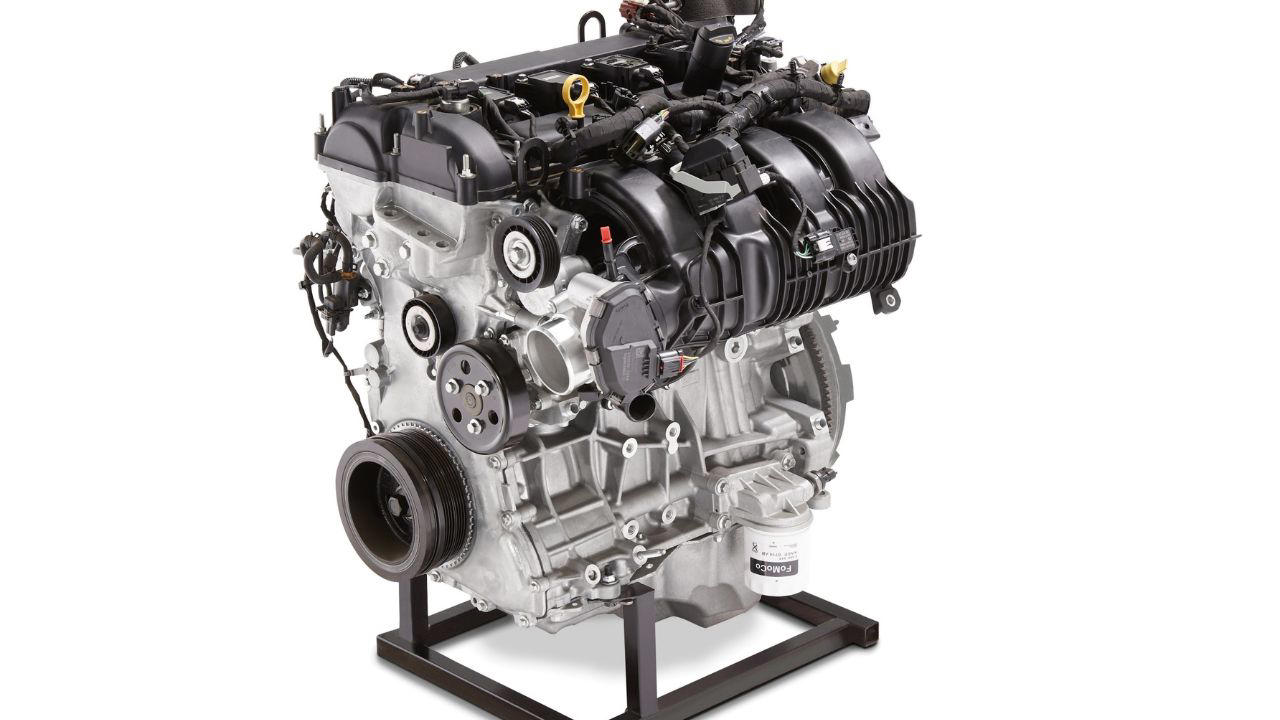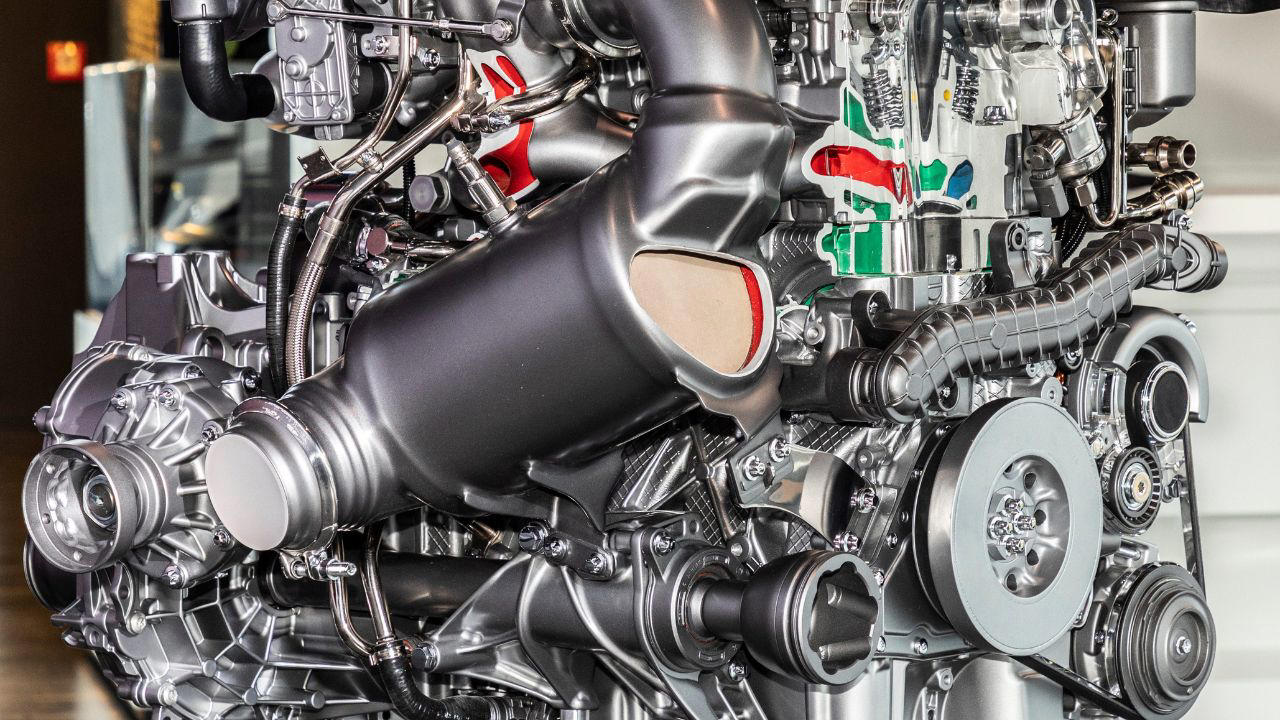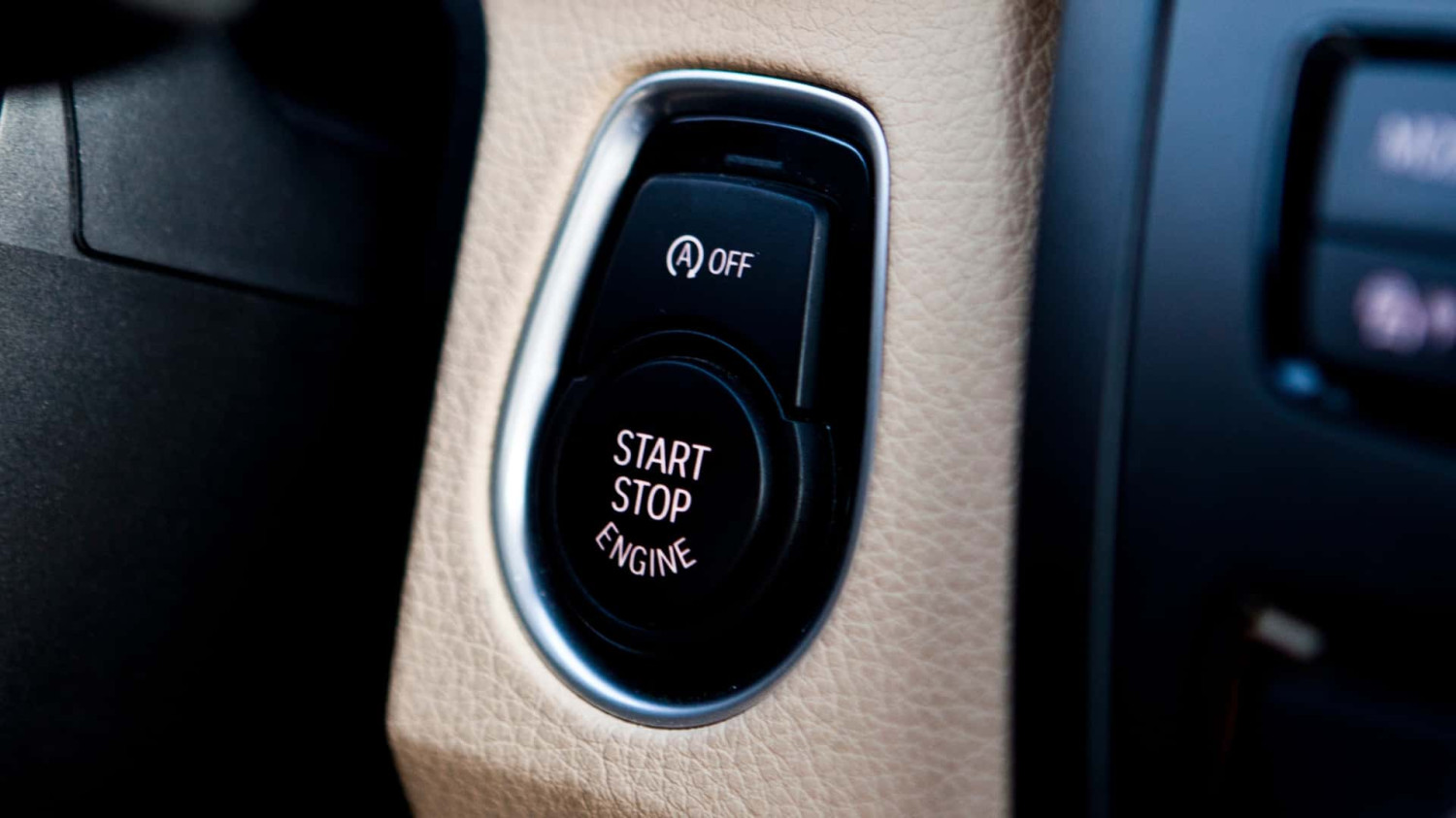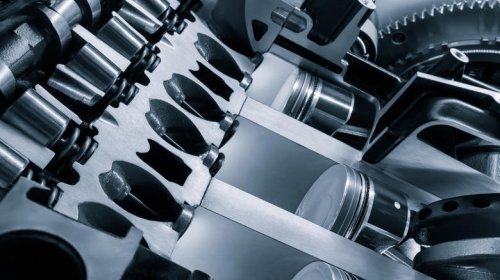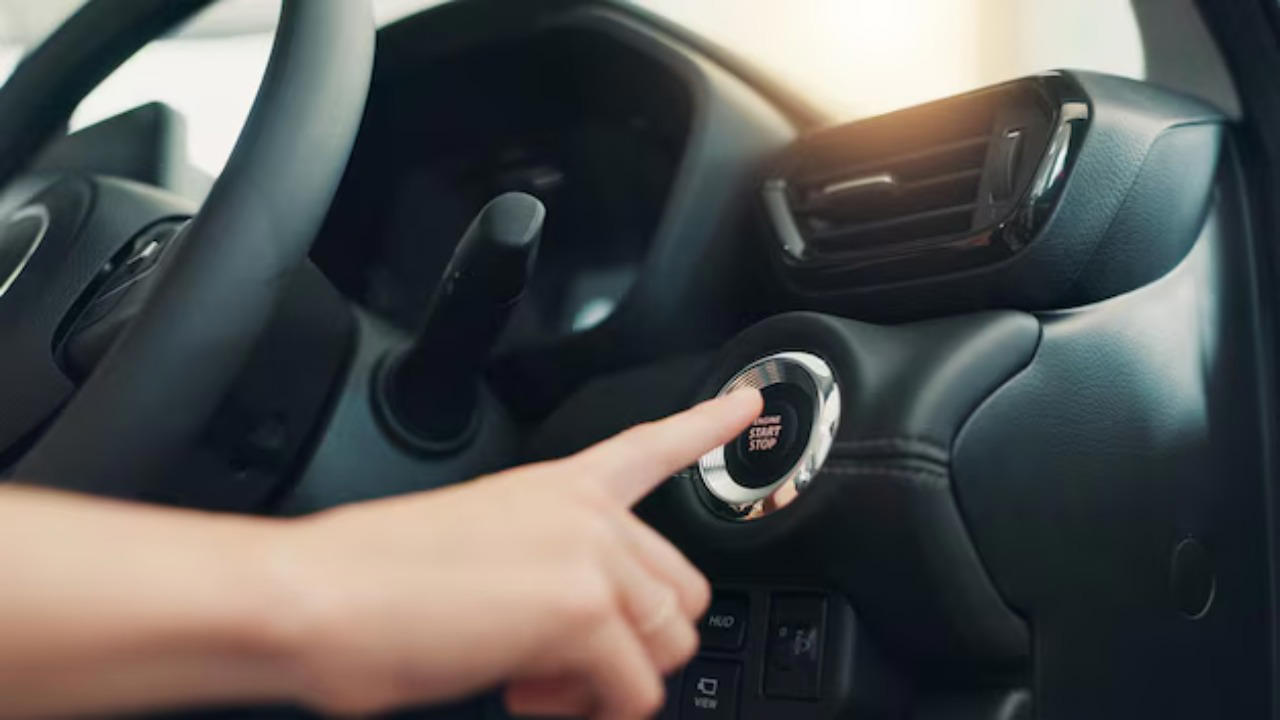



















Why some mechanics say stop-start systems cause more harmStop-start systems promise lower fuel bills and cleaner air by shutting the engine off at every red light, yet many working mechanics argue that the technology quietly shifts wear and cost onto owners. They report patterns of failed batteries, worn starter motors, and noisy valve trains appearing earlier than drivers typically expect major repairs. Their concern is not that stop-start systems never work, but that fuel savings can mask increased mechanical wear over a vehicle’s lifetime. Those criticisms matter as more city drivers spend large parts of each journey rolling between traffic lights where stop-start is most active. The technology now appears in vehicles ranging from small hatchbacks to large SUVs, meaning any hidden downside affects a broad range of motorists rather than a niche group of early adopters. How stop-start works and why mechanics are wary A stop-start system shuts off the engine when the vehicle halts and restarts it as the driver releases the brake or engages the clutch. Advocates point out that this reduces idling, which wastes fuel and adds unnecessary emissions, and modern controls use precise sensors to decide when the engine can safely pause. Driver guidance explains that the system uses precise engine management controls to shut down only when battery charge, temperature, and steering input are within safe limits. Mechanics, however, focus less on the clever logic and more on the raw number of extra start cycles it creates. A conventional car may start only a few times during a typical commute, whereas a busy urban trip with stop-start active can involve dozens of restarts. Over years of use, this increase in start cycles alters the duty cycle of components originally designed for occasional use, leading some technicians to argue that the technology trades long-term durability for marginal fuel savings. Engine wear, lubrication and starter strain One recurring worry in workshops is what repeated hot restarts do to internal engine parts that rely on pressurised oil. When an engine is first started from cold, the lubricant is thick, has not yet fully circulated, and the upper components such as camshafts, lifters and valve gear are relatively exposed. Technical explanations note that when lubricant has not fully pressurized upper engine components, metal-to-metal contact can occur. With stop-start, the engine is usually warm, but every shutdown allows oil pressure to decay and the thin protective film on bearing surfaces to relax. Engineering analyses note that when the engine runs, the crankshaft and main bearings are separated by a thin oil film, and repeated collapse of this film during frequent stops can promote mechanical wear. Mechanics who see early bearing noise or timing chain rattle in high mileage city cars often connect those failures to this constant cycle of pressure build and collapse rather than to classic cold-start abuse alone. Batteries, starters and the cost of “smart” hardware Beyond the engine itself, the most visible casualty of stop-start in many workshops is the battery. Cars equipped with automatic stop-start do not use ordinary lead-acid units; they rely on enhanced flooded or absorbent glass mat designs that are built for heavy cycling. Specialist battery suppliers explain that these battery types have developed to handle frequent charge and discharge with better durability, but they are also significantly more expensive to replace than a conventional unit and can still wear out faster in short-trip city use where the alternator has little time to recover charge between stops. Starter motors and related hardware face a similar shift from occasional to constant duty. Aerospace engineering consultant Steven Iden argues that starters are designed for transient service and that repeated operation in heavy traffic increases strain on both the starter and the engine oil system. Some modern systems respond by using beefed-up starters or integrated starter-generators, but independent mechanics still report more frequent replacement of these parts on high mileage stop-start vehicles, which adds to ownership costs that are rarely mentioned in showroom fuel economy labels. Why opinions diverge and how drivers can respond The split between optimistic marketing and workshop scepticism is sharpened by how different observers weigh short term benefits against long term wear. Dealer material often highlights that the Auto Stop-Start feature can impact various engine components while cutting fuel use and a vehicle’s carbon footprint over time, and some engineering blogs argue that careful design prevents meaningful extra damage. Other commentators, including creators such as Scotty Kilmer and Rayseurotech, insist that stop-start systems are harmful to engines and prefer idling over repeatedly cycling the crankshaft and cam phasers in traffic. Drivers caught between those views can still take practical steps. They can learn how their specific system behaves, including when it can be disabled, and reserve full-time use for longer journeys where the engine and oil spend more time at stable temperature. They can also follow guidance from technical explainers that auto start-stop is intended to reduce idling without compromising engine or transmission, while weighing that against the workshop experience of those who see repeated failures. For owners who keep cars well beyond the warranty period, the cautious approach many mechanics suggest is simple: use the technology when it genuinely saves fuel in heavy traffic, but do not hesitate to switch it off when conditions make every extra restart feel like a needless roll of the mechanical dice. More from Fast Lane Only Unboxing the WWII Jeep in a Crate 15 rare Chevys collectors are quietly buying 10 underrated V8s still worth hunting down Police notice this before you even roll window down