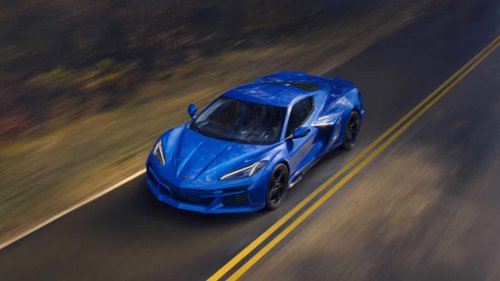
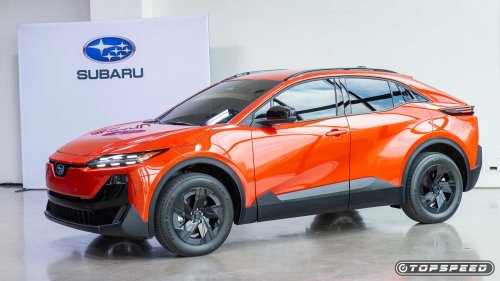
Why some say the automotive golden age of affordable performance is overFor a generation of enthusiasts, the phrase “affordable performance” once meant a new car payment within reach of a middle-class salary and acceleration that could embarrass yesterday’s exotics. That expectation now collides with a market in which new vehicles increasingly resemble luxury goods and monthly notes stretch toward four figures. The sense that a golden age has passed is less nostalgia than a reaction to hard numbers on prices, debt, and who can still buy into speed. Still, the story is more complicated than a simple rise and fall. Power and technology have surged, and a narrow slice of buyers can access astonishing capability. The debate over whether the best days are gone is really a debate over who still gets to participate. Redefining a “golden age” when performance is everywhere but access is shrinking Enthusiasts often describe a golden age as a fixed point, yet cultural historians note that even Hollywood’s so-called golden age is contested and more narrative than precise history. The same applies to cars. For some, the benchmark is the 1990s, an era when compact coupes and sedans combined simple engineering, manual gearboxes, and attainable pricing. One enthusiast posting in January argued that rising prices push younger drivers away, saying they cannot build the same emotional connection when ownership feels financially out of reach. Economists have long warned that narratives about peaks and endings can oversimplify structural change. A paper on peak oil argues that the idea of a single tipping point appears more often in journalism than in technical analysis. Applied to performance cars, the more accurate picture is not a cliff but a slow re-sorting of who can afford new speed, how regulations shape engineering, and whether the market still leaves space for relatively simple, enthusiast-focused machines. Affordability crisis: when new speed becomes a luxury purchase The affordability squeeze is the clearest reason some drivers insist the accessible performance era is fading. Analysts tracking the U.S. market describe a K-shaped pattern in which affluent buyers continue to order well-equipped trucks, SUVs, and sports cars while households with lower incomes struggle to participate at all. Reporting on the K-shaped economy notes that the U.S. auto industry now leans heavily on wealthier customers, who can absorb higher interest rates and prices, even as others are effectively priced out of the new-car showroom. Other data points reinforce the same divide. A segment on rising prices highlighted how John Yang explained that five years ago shoppers could pick from about a dozen models under a certain price threshold, yet that number has shrunk sharply as manufacturers chased richer margins and loaded vehicles with more features. In that discussion, John Yang framed the question directly: is the era of inexpensive cars over. Parallel reporting from Feb showed that new car prices sit roughly 22 percent above 2019 levels, with average transaction prices around 50,000 dollars, while the Bank of America Institute links these costs to slower sales and heavier payment burdens. Performance has never been stronger, but the entry ticket keeps rising Paradoxically, the engineering side of the story looks like a golden age on paper. A review of fastest cheap cars lists machines that can sprint to highway speeds in a few seconds while still undercutting traditional luxury badges. Within that guide, a highlight is the 2025 Subaru BRZ, which carries a base price of $31,210, earns a Performance Score of 8.7, and uses a 2.4-liter boxer four that rewards drivers who enjoy revs. The same model appears in detailed coverage noting price hikes, new features, and performance upgrades, and is described as a contender in the affordable sports car segment, although its pricing continues to rise. At the extreme, a separate look at the most affordable 10-second quarter-mile cars in 2026 profiles machines like the Feb 2026 Chevrolet Corvette ZR1X. The piece highlights the Chevrolet Corvette, noting its ability to cover the quarter mile in the 10-second range. These figures would have been reserved for dedicated drag cars not long ago, yet they are now available with warranties and heated seats. The catch is that even “affordable” 10-second cars sit far beyond the reach of the average buyer, turning headline-grabbing performance into a spectator sport rather than a mass-market experience. Regulation, fuel economy standards, and the cost of going fast Regulation often becomes the scapegoat in enthusiast circles, yet the evidence tells a subtler story. Research into the effect of emissions standards on consumers explains that tighter rules have not reduced horsepower in absolute terms. Instead, the analysis notes that Turning to performance, tighter standards have caused horsepower to be lower than it otherwise would have been, essentially forcing manufacturers to forgo some performance improvements to meet efficiency and emissions targets. In other words, regulations did not roll back power, but they did redirect engineering effort toward mileage and compliance. That shift has consequences for cost. Meeting fuel economy and greenhouse gas rules requires advanced materials, complex engine management, and increasingly hybrid or battery-electric drivetrains. The organization behind that research suggests that policy can improve long-term consumer welfare while raising short-term sticker prices. For performance cars, the outcome is that engineers must integrate catalytic converters, particulate filters, and electrification without blowing past price points, a balancing act that tends to favor higher-margin models over truly low-cost drivers’ cars. Macro headwinds, debt, and the shift to older enthusiast cars Beyond regulations, macroeconomic forces have reshaped the market for performance on a budget. A LinkedIn analysis describes a September perfect storm of economic headwinds, explaining that high inflation and rising interest rates have depressed demand and kept global sales below pre-2020 levels. These pressures feed directly into car payments, with separate industry data (linked from Discovered New CNBC sources) showing that more than one in five new-car shoppers committed to 1,000 dollar monthly payments in late 2025, a threshold that would once have been associated with supercars rather than family crossovers. Consumers are responding by shifting to older vehicles. Reporting from October notes that affordability issues are pushing buyers toward older vehicles, with retailers observing that shoppers who once considered new models now seek used cars to avoid tariffs and high financing costs. A separate February segment warned about rising debt and repossessions tied to high vehicle prices, explaining that higher balances are beginning to strain households. For enthusiasts, this environment nudges interest toward older performance cars that have already taken their depreciation hit, a trend echoed in a Jan video titled Jan The Exact Age Where Cars Stopped Getting Better, which argues that early to mid-2000s manual compacts offer a sweet spot of cost and engagement even if they are no longer cheap to buy. Enthusiast culture adapts as new performance moves upmarket As new performance cars climb in price, enthusiast culture is adjusting rather than disappearing. A Feb discussion on Feb Quora about the decline of the Mid priced battleground in the U.S. classic car market concluded that There are many reasons mid-range new cars have vanished, from regulatory costs to consumer preference for larger vehicles. That vacuum leaves fewer stepping stones between entry-level transportation and high-end performance, which in turn pushes more enthusiasts toward used markets, project cars, and online communities instead of dealer showrooms. At the same time, the broader economic context remains unsettled. A Medium essay on the Great Recession argued that The fundamental shifts in the oil market that contributed to the last major downturn are likely to persist, while an older labor analysis warned that In the face of these pressures, analysts from the Motor City to Wall Street predicted the end of the road for traditional auto jobs unless workers accepted less or risked losing employment. That piece captures a recurring fear that structural change in the industry will leave both workers and enthusiasts behind. Whether the golden age of affordable performance is over may depend less on horsepower figures than on whether the next generation can still see a path to owning something that makes their heart race rather than just their monthly budget. More from Fast Lane Only Unboxing the WWII Jeep in a Crate 15 rare Chevys collectors are quietly buying 10 underrated V8s still worth hunting down Police notice this before you even roll window down